
You can compost bamboo, but it takes a very long time and must be shredded or chipped into small pieces first.
Why
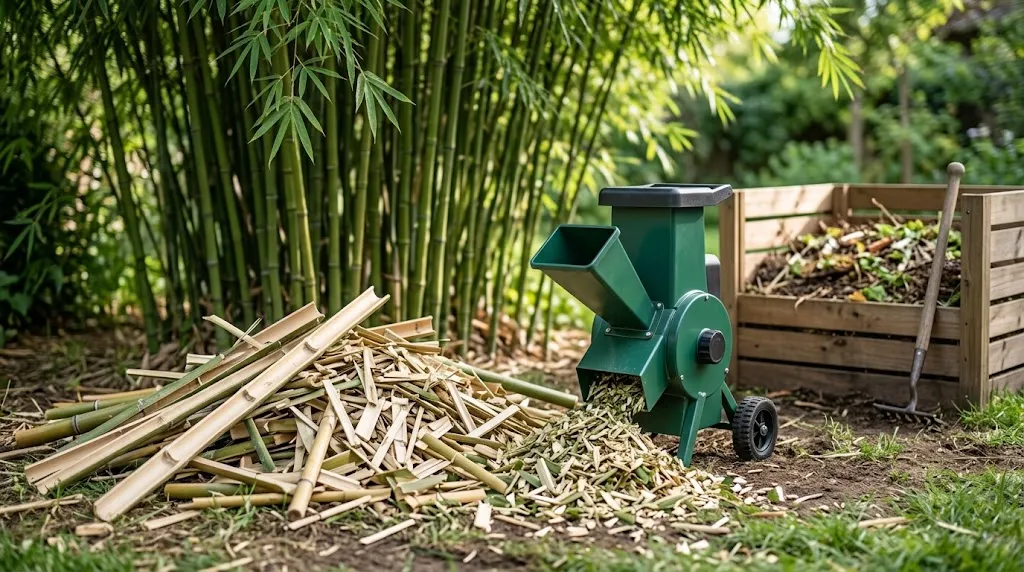
Bamboo is a natural, organic material that is completely biodegradable, but it contains extremely high levels of lignin and cellulose, making it tough and woody. Because of its density and natural resistance to decay, whole bamboo stalks or large pieces will sit in a home compost pile for years without breaking down. To successfully compost bamboo, you must chip, shred, or grind it down to increase the surface area for microbes. It acts as a carbon-rich brown material and works best in a well-managed hot compost pile or through municipal yard waste collection.
Quick facts
| Carbon to nitrogen | Varies |
|---|---|
| Hot pile | 6-12 months |
| Cold pile | 1-2 years |
| Worm bin | Sometimes · Only if finely shredded or chopped |
| Bokashi | Yes · Works well with fermentation |
| City green bin | Check local rules; often accepted if shredded |
| Prep | Shred or chop into very small pieces |
| Mix with | Mix with high-nitrogen green materials |
| Pest risk | Low · Low risk if buried deep in pile |
How to compost bamboo
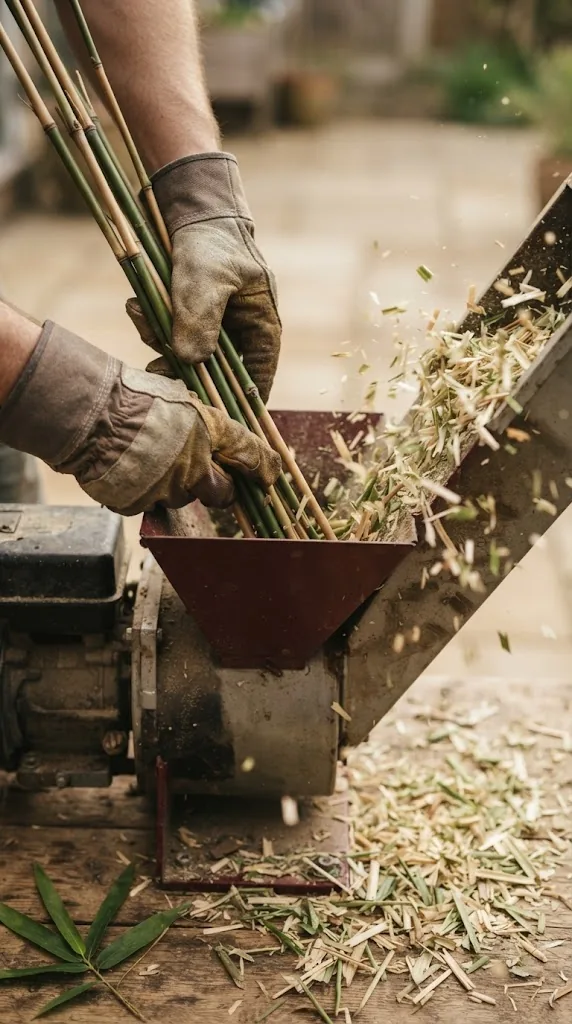
- Chipping or shredding bamboo stalks into tiny pieces before adding them to the bin
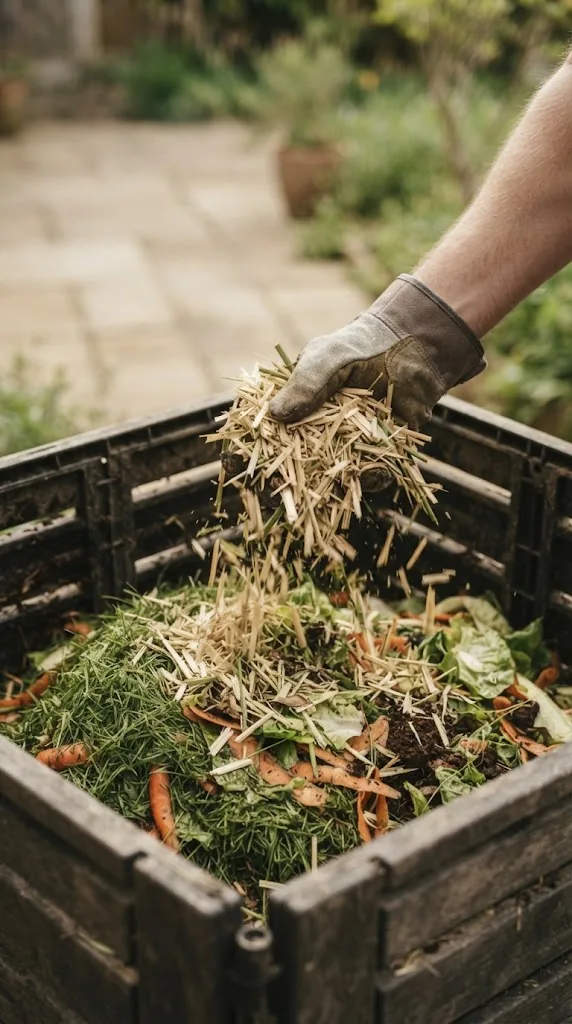
- Balancing the dense carbon material with plenty of nitrogen-rich greens like grass clippings or food scraps
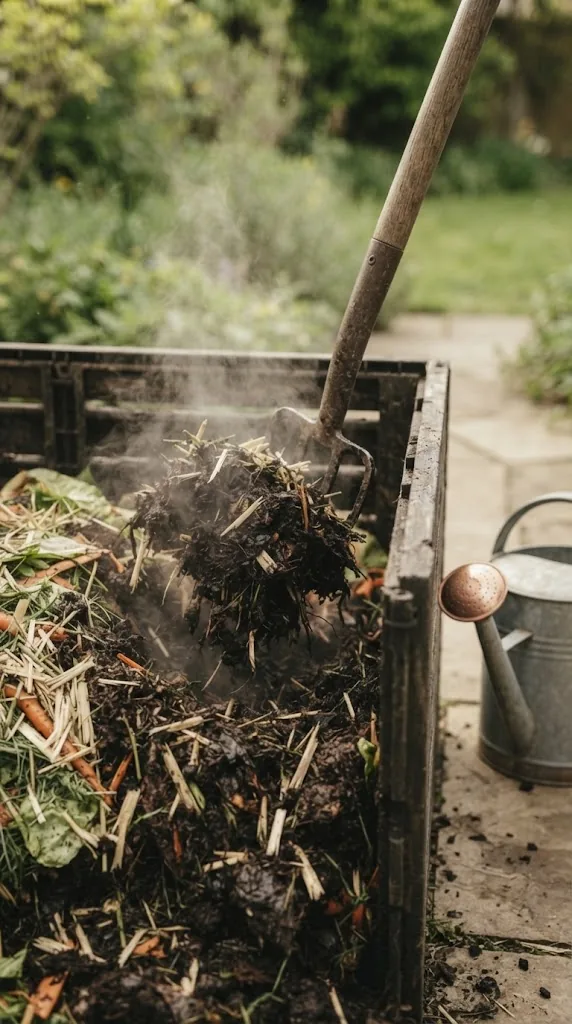
- Keeping the pile consistently moist and turning it regularly to accelerate microbial breakdown
- Screening out any large, undecomposed woody chunks to throw back into the next composting cycle
How much bamboo can you add to compost?
You can add shredded bamboo to your home compost pile in moderate amounts, ideally making up no more than ten percent of your total brown material at any given time. Because it is exceptionally dense and carbon-heavy, you must balance every single handful of bamboo with an equal volume of nitrogen-rich greens like fresh grass clippings or kitchen scraps. If you notice the pile becoming stubbornly dry, woody, and failing to heat up, you have added too much bamboo too quickly.
Which types of bamboo can you compost?
- Raw green bamboo shoots: Yes. Fresh shoots are tender and high in moisture, meaning they break down quickly in a standard compost pile.
- Treated bamboo furniture or flooring: No. These manufactured items contain synthetic glues, resins, varnishes, and chemical preservatives that will poison your compost and soil.
- Shredded bamboo fabric clothing: Sometimes. Only clothing made from one hundred percent pure bamboo viscose without synthetic polyester blends can safely biodegrade.
- Bamboo disposable cutlery and plates: Sometimes. While natural, these items are often coated with waterproof sealants and require certified commercial composting facilities to break down fully.
Watch out for
- Whole stalks and large chunks will not break down in a standard backyard pile
- Treated bamboo containing glues, resins, or chemical finishes should never be composted
- The process can take several years if the material is not sufficiently shredded
What to do instead
- Use small bamboo pieces as mulch in garden beds
- Repurpose sturdy bamboo stalks for garden stakes or plant supports
- Take bamboo waste to a municipal yard waste recycling facility with a commercial chipper
Troubleshooting bamboo in compost
- The bamboo pieces are not breaking down at all after several months in the pile. Remove the pieces, run them through a heavy-duty mechanical wood chipper, and return them to a hotter, well-aerated pile.
- The woody bamboo pieces are forming a dense, impenetrable mat that blocks airflow. Break up the matted layers with a garden fork and thoroughly intermix the bamboo fragments with wet nitrogen greens.
- The compost pile has completely stopped heating up despite adding carbon materials. Add a large influx of fresh grass clippings or liquid manure to increase the nitrogen levels and jumpstart microbial activity.
Myths about composting bamboo
- Myth: All bamboo products sold in stores are completely natural and safe for backyard composting. Truth: Many commercial bamboo items are heavily processed with chemical adhesives, waterproof coatings, and plastic resins that do not decompose.
- Myth: Whole bamboo stalks will naturally rot away in a compost pile given enough time. Truth: Due to extremely high levels of natural lignin, whole stalks are remarkably durable and can remain completely intact for years.
Can bamboo go in a green bin or recycling?
Municipal green waste and yard debris programs often accept raw bamboo, provided it is properly chipped down into manageable pieces rather than presented as long, unwieldy stalks. However, curbside programs almost universally reject treated bamboo lumber, laminated flooring, and coated dishware due to chemical contamination risks. Always check your local waste management guidelines before tossing processed bamboo products into municipal collection bins.
Does composting bamboo attract pests?
Composting bamboo does not typically attract pests to your yard. Because bamboo is a tough, woody, and carbon-rich brown material, it lacks the strong food odors that generally draw animals and insects like rodents, raccoons, and flies. Furthermore, when you shred bamboo and use it as a dry cover layer over your fresh kitchen scraps and other smelly green materials, it acts as a physical barrier that effectively masks odors and keeps unwanted pests away from your compost pile.
- Chip or shred the bamboo into fine pieces to ensure an even, odorless layer.
- Spread a thick layer of shredded bamboo completely over fresh food scraps.
- Mix the material thoroughly into the pile to maintain a healthy carbon-to-nitrogen balance.
- Keep the compost adequately moist to speed up decomposition and prevent dry pockets.
Common questions
Can I compost bamboo kitchenware or utensils?
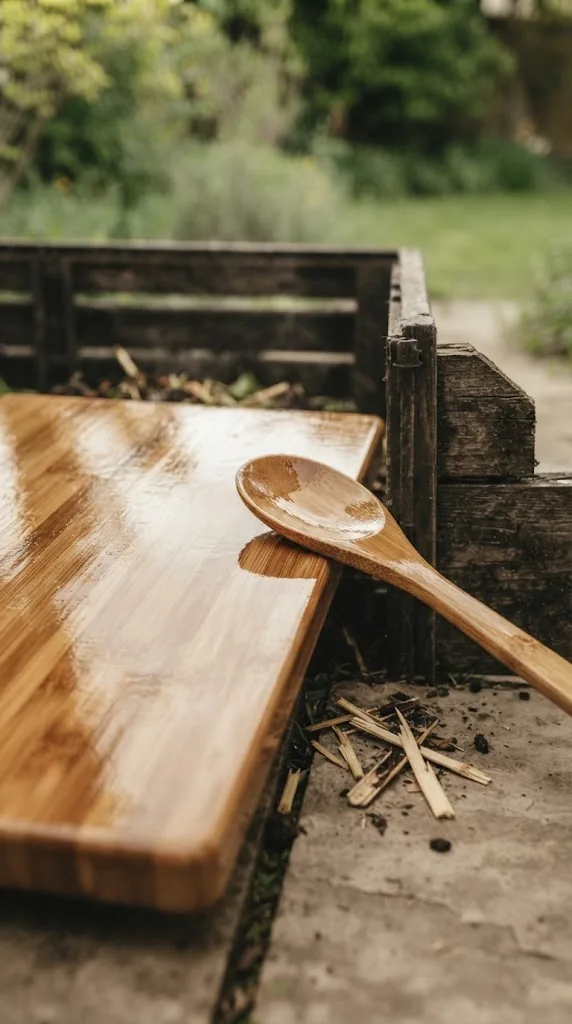
Only if they are 100 percent natural bamboo without any plastic coatings, lacquers, or glues, and you break them into very small pieces first.
Does bamboo count as a green or a brown material?
Bamboo is considered a brown material because it is dry, woody, and high in carbon.
Can I put bamboo leaves in the compost?
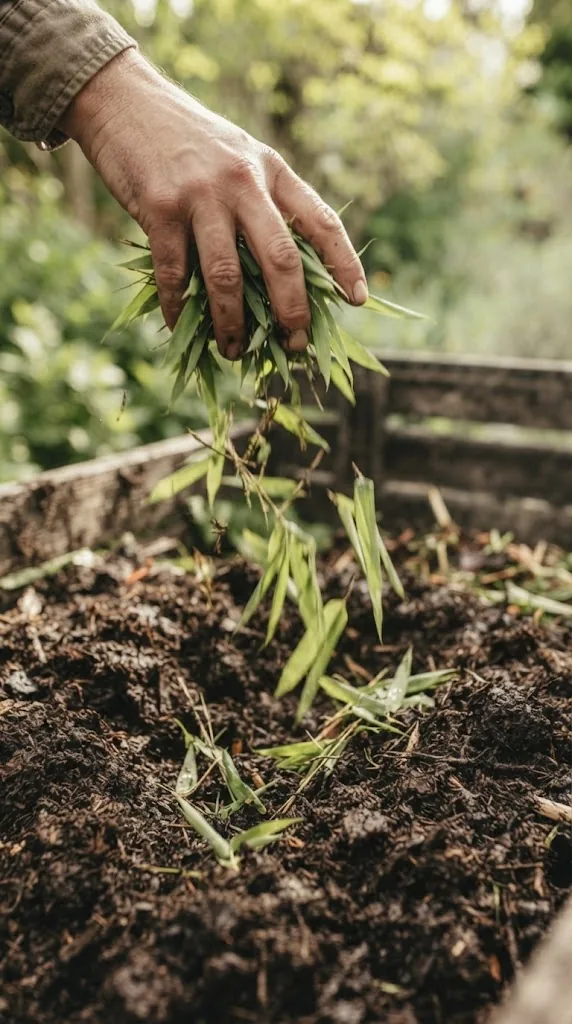
Yes, bamboo leaves break down much faster than the woody stalks and make a great addition to the compost pile when mixed with greens.
Is bamboo biodegradable?
Raw bamboo is biodegradable but very slow because it is dense and woody. Bamboo products made with resins, glues or melamine are not truly biodegradable.
Rules vary by town and by composting method. When in doubt, check with your local composting or waste program.