
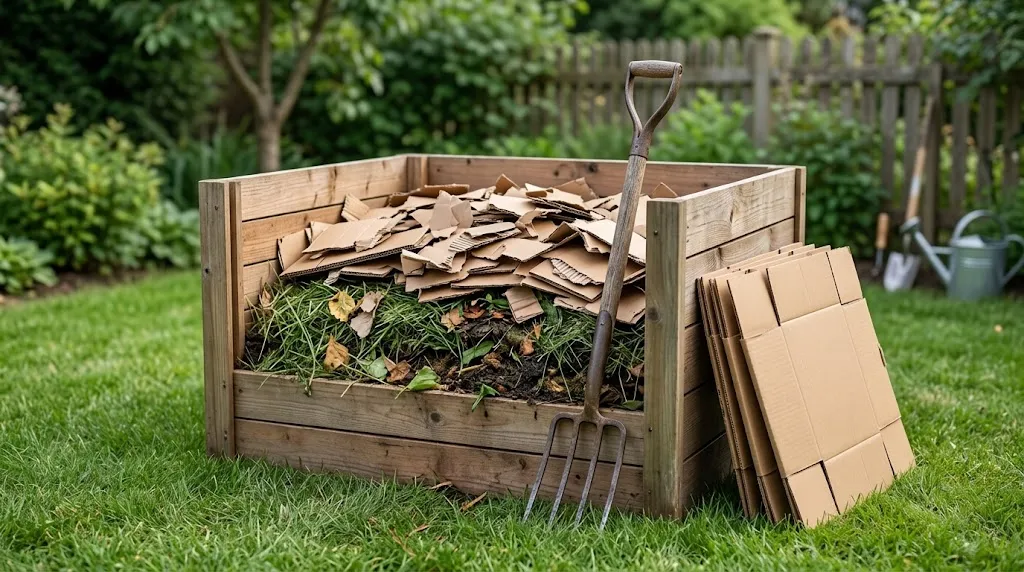
Yes, cardboard is an excellent addition to your compost pile. It serves as a vital source of carbon, helping to balance out nitrogen-rich materials.
Why
Cardboard is essentially processed wood pulp, making it a perfect brown material for your compost bin. It provides the carbon necessary for microorganisms to thrive and break down organic matter efficiently. While it can be composted in a cold pile, it breaks down much faster in a hot, active compost system. Always ensure the cardboard is free from excessive plastic tape, heavy wax coatings, or synthetic inks, as these can introduce contaminants that do not break down and may harm the quality of your finished compost.
Quick facts
| Carbon to nitrogen | About 350:1 |
|---|---|
| Hot pile | 4-8 weeks |
| Cold pile | 3-6 months |
| Worm bin | Yes · Shredded or torn into small pieces |
| Bokashi | Yes · Excellent for adding carbon to fermented waste |
| City green bin | Usually accepted; check local rules |
| Prep | Shred or tear into small pieces |
| Mix with | Mix with nitrogen-rich green waste |
| Pest risk | Low · Cover with nitrogenous material to prevent flies |
How to compost cardboard
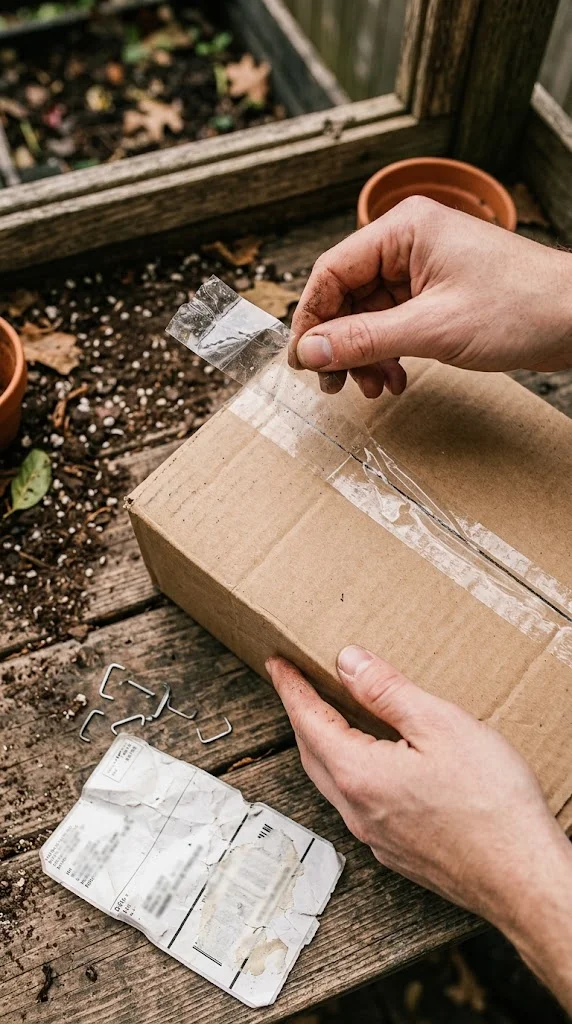
- Remove all plastic tape, staples, and shipping labels.
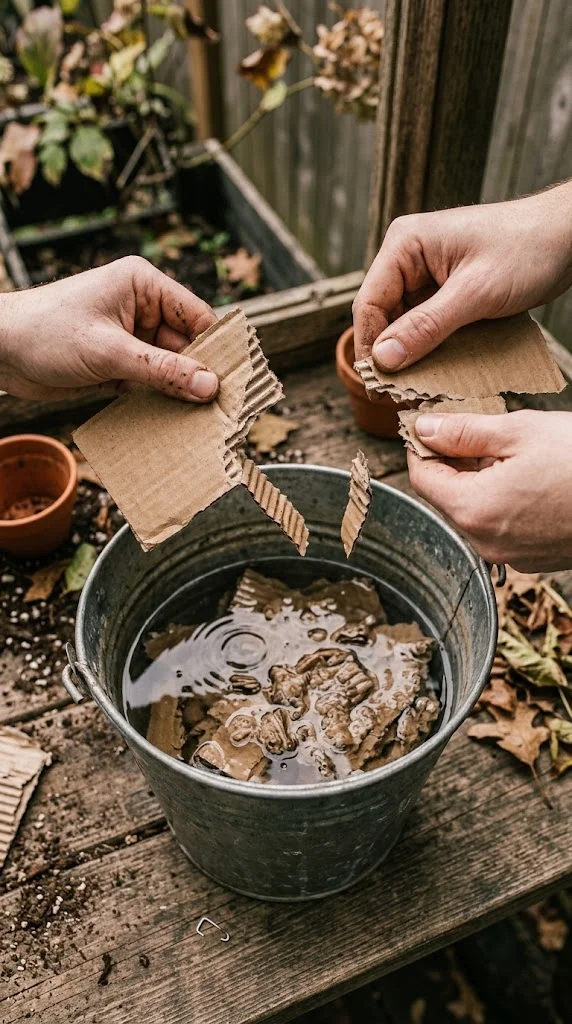
- Rip or shred the cardboard into small pieces to increase surface area.
- Soak the pieces in water briefly if they are very dry or stiff.
- Layer the cardboard with green materials like grass clippings or food scraps.
- Turn your pile regularly to introduce oxygen and speed up the decomposition process.
How much cardboard can you add to compost?
Cardboard can make up about twenty to thirty percent of your total compost volume as a primary brown material. For every single bucket of nitrogen-rich green materials like food scraps, add roughly one to two handfuls of shredded cardboard. If you add too much, the pile will become excessively dry and stubborn, drastically slowing down the decomposition process because microorganisms lack the necessary moisture to thrive.
Which types of cardboard can you compost?
- Corrugated cardboard boxes: Yes. Plain brown shipping boxes break down wonderfully when shredded and balanced with moist greens.
- Pizza boxes with grease: Sometimes. Acceptable if moderately greasy, but heavily oil-soaked or cheese-covered sections should go in the trash.
- Waxed or plastic-coated cardboard: No. These variants feature synthetic barriers that resist moisture and do not break down in a standard home bin.
- Metallic or foil-lined gift boxes: No. The shiny metallic layers introduce non-compostable plastics and heavy metals into your organic compost.
Watch out for
- Avoid glossy or heavily waxed cardboard, which often contains plastic coatings.
- Do not use cardboard with excessive amounts of colored ink or heavy chemical dyes.
- Remove all plastic packing tape and adhesive labels before adding to the bin.
- Large, thick pieces can take a long time to break down if not shredded first.
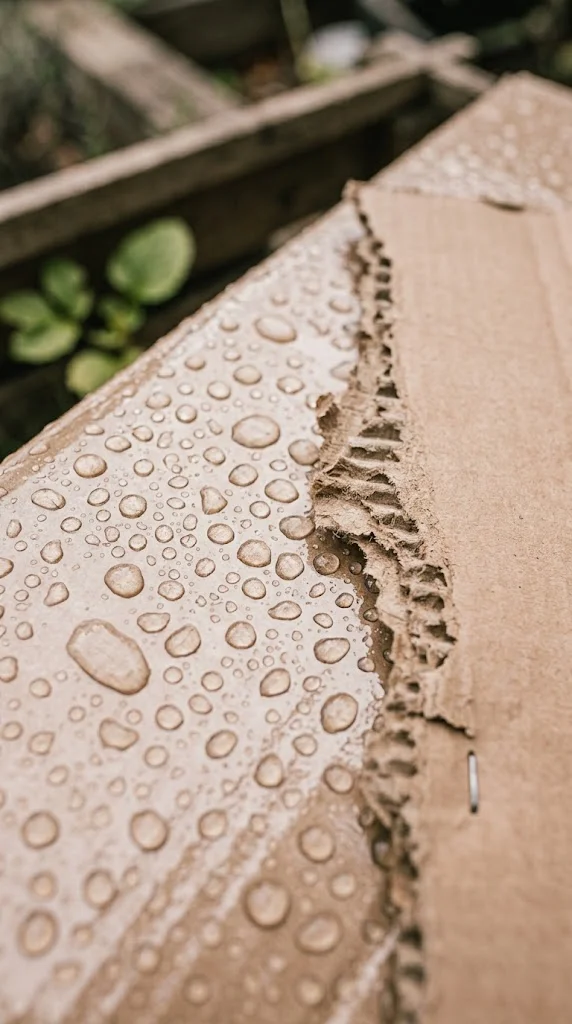
Other ways to use cardboard
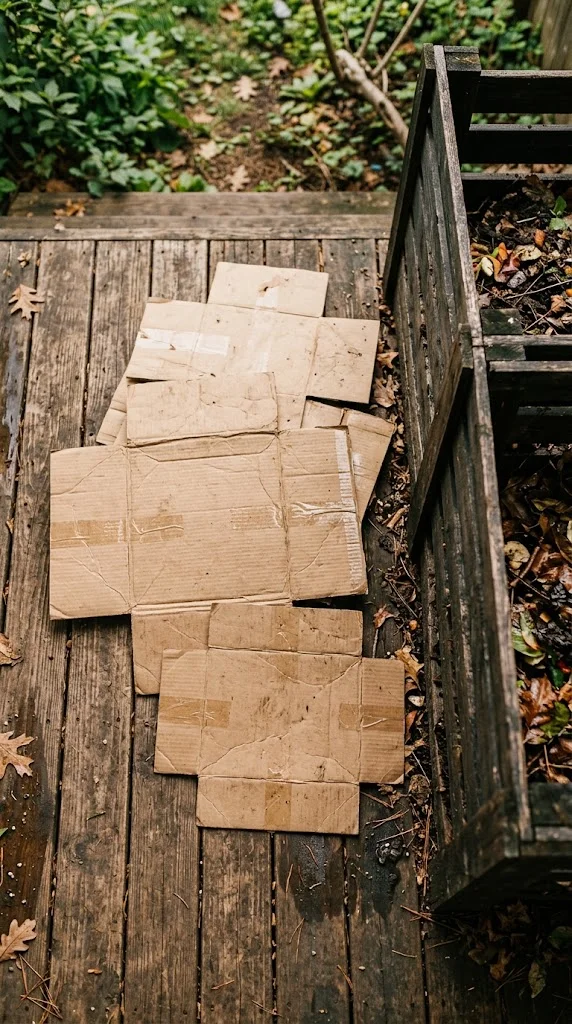
- Recycle through your local curbside paper program
- Reuse for shipping or storage boxes
- Use as a weed-suppressing mulch in garden beds
Troubleshooting cardboard in compost
- Cardboard sheets mat together and block airflow. Rip the cardboard into much smaller pieces and thoroughly mix it through the pile instead of laying down flat sheets.
- Decomposition takes many months with zero progress. Soak the cardboard before adding it and mix in wetter green materials to supply necessary moisture and heat.
- White mold forms heavily across the cardboard surfaces. This is normal beneficial fungus breaking down lignin, but you can turn the pile to distribute it and reduce localized buildup.
Myths about composting cardboard
- Myth: All cardboard is essentially paper and safe for the compost bin. Truth: Many modern packaging boxes contain chemical treatments, plastic linings, or heavy glossy coatings that contaminate soil.
- Myth: Leaving large whole boxes in the pile will eventually break down naturally. Truth: Whole boxes trap air and dry out, often persisting unchanged in the center of a compost pile for over a year.
Can cardboard go in a green bin or recycling?
Most municipal green waste programs gladly accept clean corrugated cardboard, especially if it is shredded or broken down to fit easily into the collection bin. Always remove packing tape, staples, shipping labels, and plastic inserts before placing it in curbside organic waste collection. Because municipal rules regarding commercial packaging and waxed items vary significantly by region, you should always check your local waste authority guidelines first.
Does composting cardboard attract pests?
Composting cardboard does not attract pests. Because it is a dry carbon material, adding it to your compost pile helps absorb excess moisture and eliminate unpleasant odors. Furthermore, using shredded cardboard as a thick cover layer over food scraps and other odorous green materials effectively hides smells from scavengers like rodents, raccoons, and flies, keeping your bin secure and pest-free.
- Shred cardboard into small pieces to create a dense, uniform layer.
- Cover all fresh food scraps completely with a layer of cardboard browns.
- Maintain a balanced carbon-to-nitrogen ratio to prevent damp, smelly conditions.
Common questions
Can I compost pizza boxes?
Usually, yes. Plain corrugated pizza boxes compost fine, even with some grease. Scrape off big chunks of cheese and tear them up first, and skip boxes with plastic liners. Don’t put greasy boxes in paper recycling, because grease contaminates it; recycle the clean lid instead.
Is corrugated cardboard okay to compost?
Yes, corrugated cardboard is perfectly fine. Just be sure to remove any plastic tape and shred it into smaller pieces so it breaks down more quickly.
Does cardboard need to be shredded?
While not strictly required, shredding or tearing cardboard significantly speeds up the composting process. Large, flat sheets can mat together and block airflow.
Is cardboard biodegradable?
Yes. Plain cardboard is wood fiber and biodegrades in about 2-6 months. Waxed, glossy or plastic-lined cardboard breaks down poorly.
Rules vary by town and by composting method. When in doubt, check with your local composting or waste program.