
Cheese can be composted, but it is generally discouraged for home backyard bins due to pests and odors.
Why
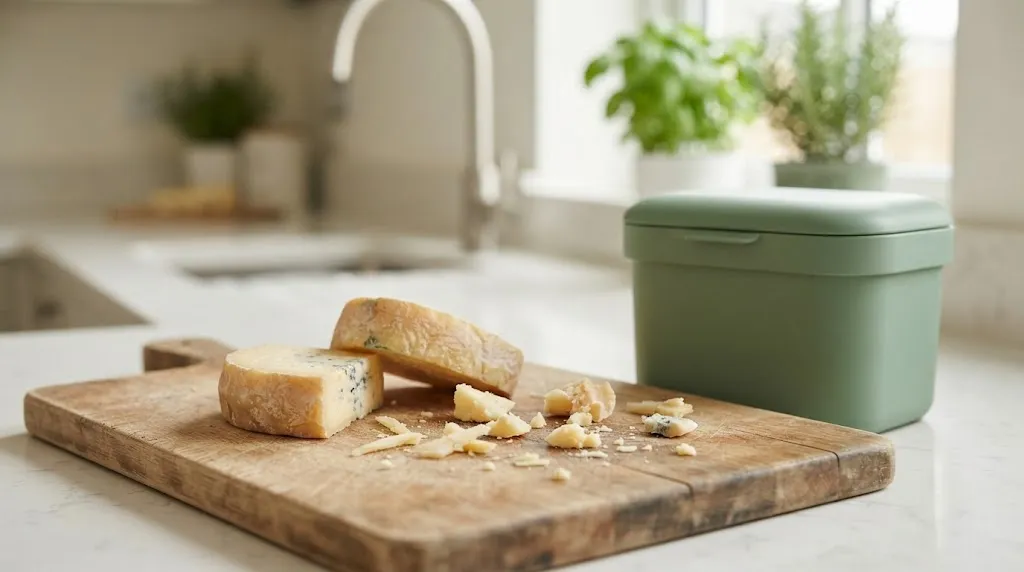
Cheese is an organic material that will eventually break down, but it is high in fats and proteins. In a cold backyard pile, it decomposes slowly and can attract rodents, flies, and other pests. However, it is perfectly acceptable for municipal or industrial composting programs that reach much higher temperatures, which break down the fats quickly and kill pathogens. If you have a managed hot pile, you can compost cheese in small amounts.
Quick facts
| Carbon to nitrogen | Varies |
|---|---|
| Hot pile | 1-3 months |
| Cold pile | 3-6 months |
| Worm bin | Sometimes · Small amounts only, avoid heavily processed or spiced cheese. |
| Bokashi | Yes · Ferments safely in the bucket before burying in soil. |
| City green bin | Usually accepted; check local rules. |
| Prep | Cut into small pieces or thin slices. |
| Mix with | Bury deep in the center or cover with browns. |
| Pest risk | High · Strong odors attract rats, raccoons, and flies if left exposed. |
How to compost cheese
- Cut cheese into small pieces to speed up decomposition
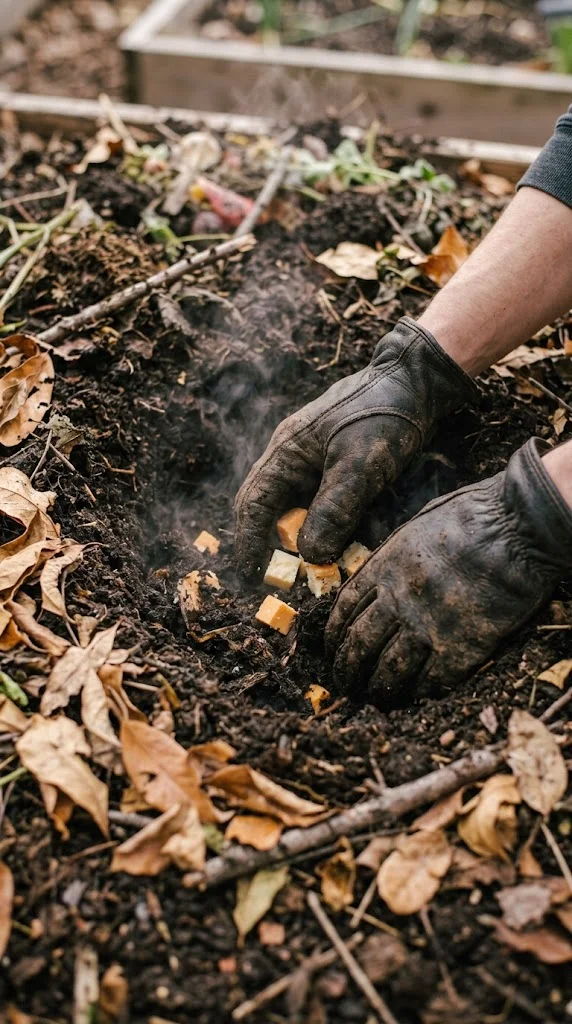
- Bury it deep in the center of the pile to avoid attracting pests
- Balance with plenty of brown materials like dried leaves or straw
- Ensure the pile is regularly turned to maintain heat

How much cheese can you add to compost?
For a standard backyard bin, limit cheese additions to a small handful, roughly two to three ounces, no more than once a week. Always pair this addition with a generous bucket of carbon-rich brown materials like shredded cardboard or dry leaves to absorb excess moisture and mask odors. If you notice a sour smell, visible mold blooms, or increased insect activity around your bin, you have added too much and should pause additions until the pile stabilizes.
Which types of cheese can you compost?
- Hard cheese rinds: Sometimes. These are dense and take significantly longer to break down than soft varieties, so they should be chopped into tiny pieces.
- Soft cream cheese: Sometimes. Due to high moisture and fat content, this can quickly turn into a slimy mess that attracts flies if not buried deep.
- Processed cheese slices: No. These often contain additives, preservatives, and emulsifiers that may not break down cleanly or could be harmful to soil microbes.
- Moldy cheese: Sometimes. While the mold is organic, it can introduce unwanted fungal spores to your pile, so ensure your compost is actively heating up.
Watch out for
- Strong odors as it decomposes
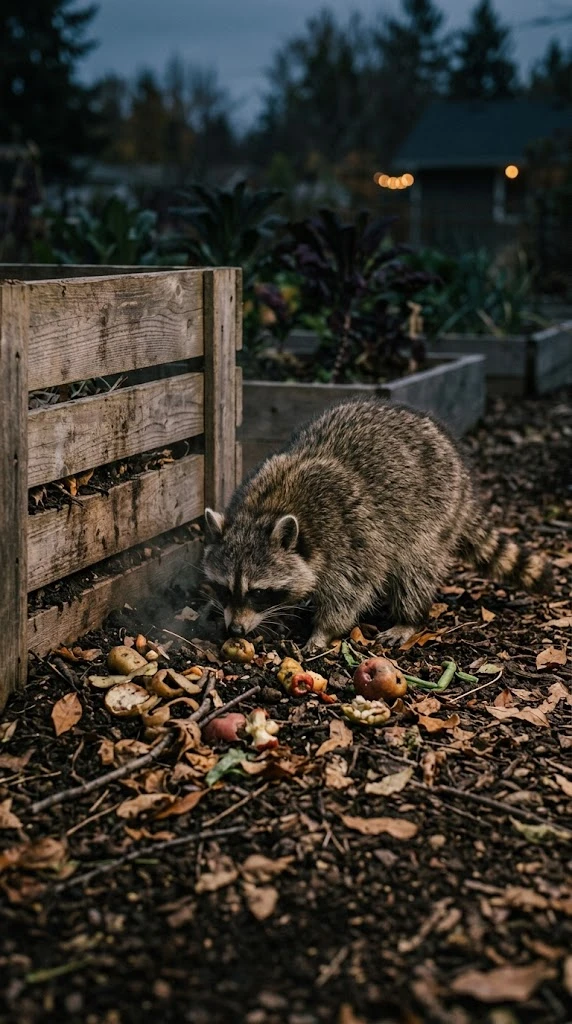
- Potential to attract rats and raccoons
- Potential to slow down the pile's aeration if added in large quantities
What to do instead
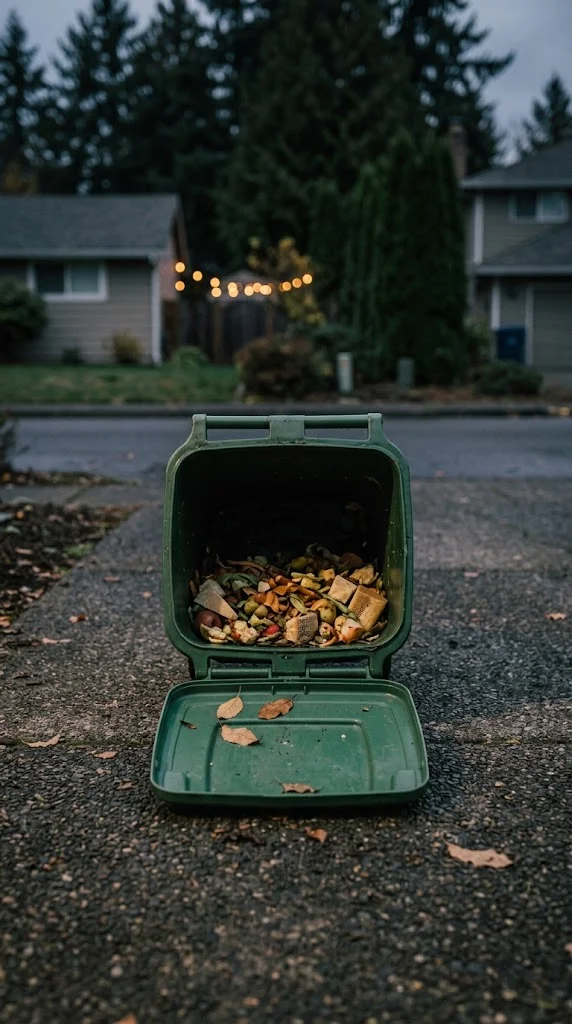
- Municipal composting services
- Trash
- Save hard rinds to flavor soups and stocks
Troubleshooting cheese in compost
- Persistent foul odors Dig out the uncomposted cheese, bury it deeper, and add a thick layer of dry carbon materials to neutralize the smell.
- Attracting rodents Stop adding cheese immediately and secure your bin with hardware cloth or a solid lid to prevent further access.
- Slimy, anaerobic patches Turn the pile thoroughly to introduce oxygen and mix in extra dry brown materials to absorb the excess liquid.
Myths about composting cheese
- Myth: All dairy products are safe for backyard compost if they are organic. Truth: Organic status does not change the fact that fats and proteins attract pests and create odors in cold piles.
- Myth: Cheese will provide valuable calcium to my garden soil. Truth: While cheese contains calcium, the amount is negligible compared to the risk of pest infestation and pile imbalance.
Can cheese go in a green bin or recycling?
Most municipal green-waste programs accept cheese and other dairy products because their industrial facilities reach temperatures high enough to sanitize the material. Before tossing it in your curbside food-waste bin, remove any plastic wrappers, wax coatings, or foil packaging, as these are not compostable. Always verify your specific local municipal guidelines, as some smaller programs may still restrict dairy due to their specific processing equipment or site permits.
Does composting cheese attract pests?
Composting cheese in a home backyard bin often attracts pests like rats, mice, raccoons, and flies. This occurs because cheese is exceptionally high in fats and proteins, which decompose slowly in typical cold backyard conditions. As these rich organic components break down, they emit strong odors that easily signal foraging animals and insects to your compost area.
- Cut the cheese into small pieces to speed up decomposition.
- Bury the cheese deep in the center of a hot compost pile.
- Cover the material thoroughly with plenty of brown materials like dried leaves or straw.
Common questions
Can I put cheese in a worm bin?
No, it is generally recommended to avoid dairy products like cheese in vermicomposting because they can cause odors and attract pests.
Does the type of cheese matter?
Yes, hard cheeses break down slower than soft cheeses, but both carry the same risk of attracting pests in a backyard bin.
Is cheese compostable in a municipal bin?
Yes, industrial composting facilities use high heat to process dairy and meat products safely and efficiently.
Is cheese biodegradable?
Yes. Cheese is biodegradable, usually in 3-6 months in a hot pile. In a backyard bin it smells and attracts pests long before it breaks down.
Rules vary by town and by composting method. When in doubt, check with your local composting or waste program.