
You can compost citrus peels, but only in moderation. Large quantities can disrupt the pH balance of your compost pile and may deter beneficial worms.
Why
Citrus peels are rich in nitrogen and moisture, making them a green material, but they contain essential oils like limonene that act as natural antimicrobials. While these oils help repel pests, they can also kill off the beneficial bacteria and worms necessary for healthy decomposition if added in excess. In a large, hot, and well-aerated compost pile, these oils break down quickly without issue. However, in small, cold, or worm-based bins, large amounts of citrus can cause acidity spikes that slow down the entire composting process.
Quick facts
| Carbon to nitrogen | About 30:1 |
|---|---|
| Hot pile | 4-8 weeks |
| Cold pile | 6-12 months |
| Worm bin | Sometimes · Use small amounts, finely chopped. |
| Bokashi | Yes · Excellent for bokashi fermentation. |
| City green bin | Usually accepted; check local rules. |
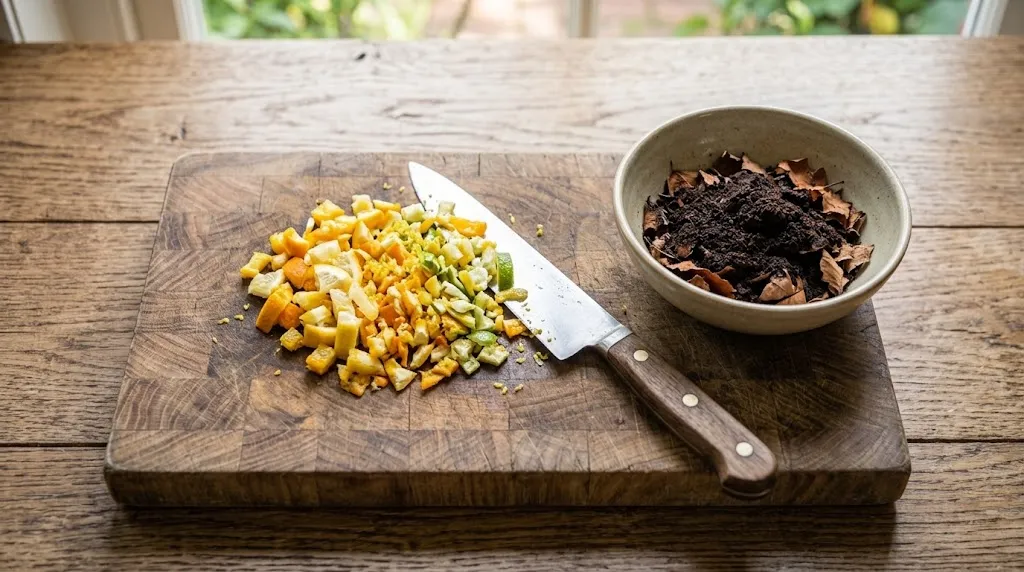
| Prep | Chop into small pieces. |
| Mix with | Balance with plenty of brown materials. |
| Pest risk | Medium · Avoid excess to prevent fruit flies. |
The natural bug spray in every peel
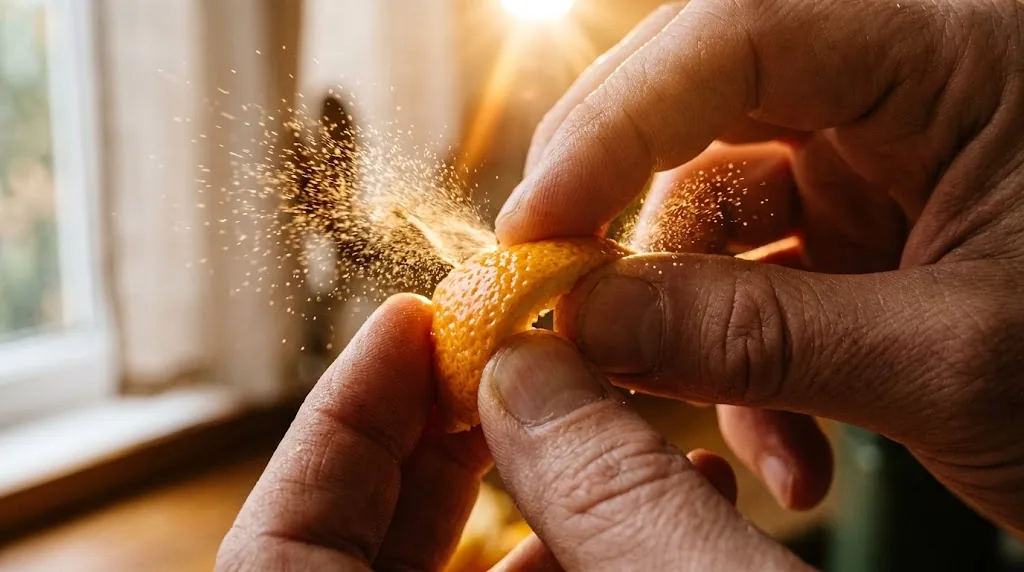
Bend a fresh orange peel and a fine mist sprays out. That is citrus oil, and about 90 percent of it is limonene, a compound used as the active ingredient in some natural insect sprays and flea shampoos. It protects the fruit from insects and mold, and in your compost it can slow down helpful microbes and drive worms out of a bin.
Limonene does not last, though. In a warm, active pile, heat and microbes break it down within a few weeks, and then the peel rots like any other scrap. That is why chopping peels small, burying them in the warm middle of the pile and keeping citrus to about 10 percent of the mix works so well. Acidity is the same story: finished compost usually ends up close to neutral, so citrus only causes trouble in small, cold bins piled high with peels.
How to compost citrus peels
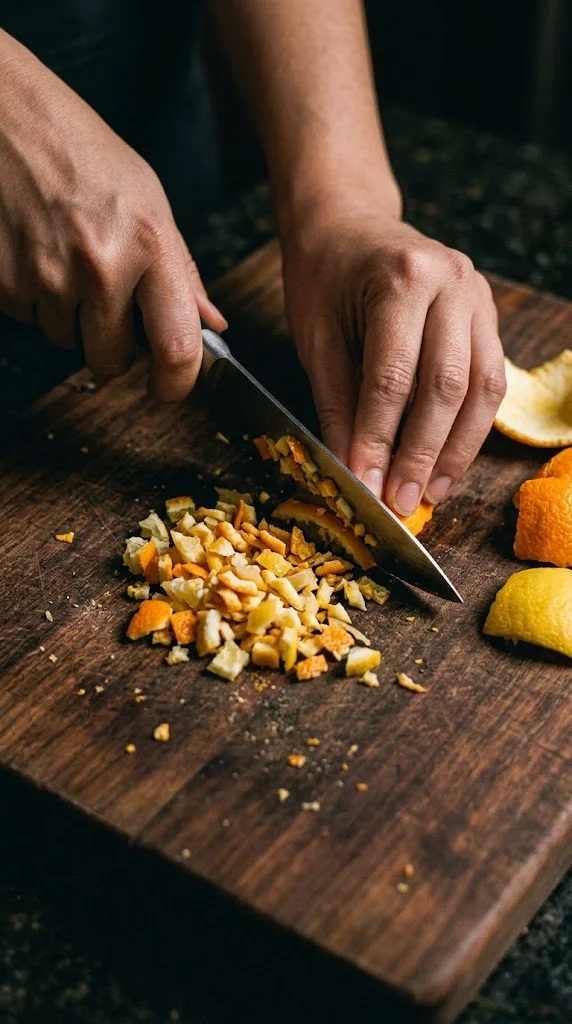
- Chop the peels into smaller pieces to speed up decomposition.
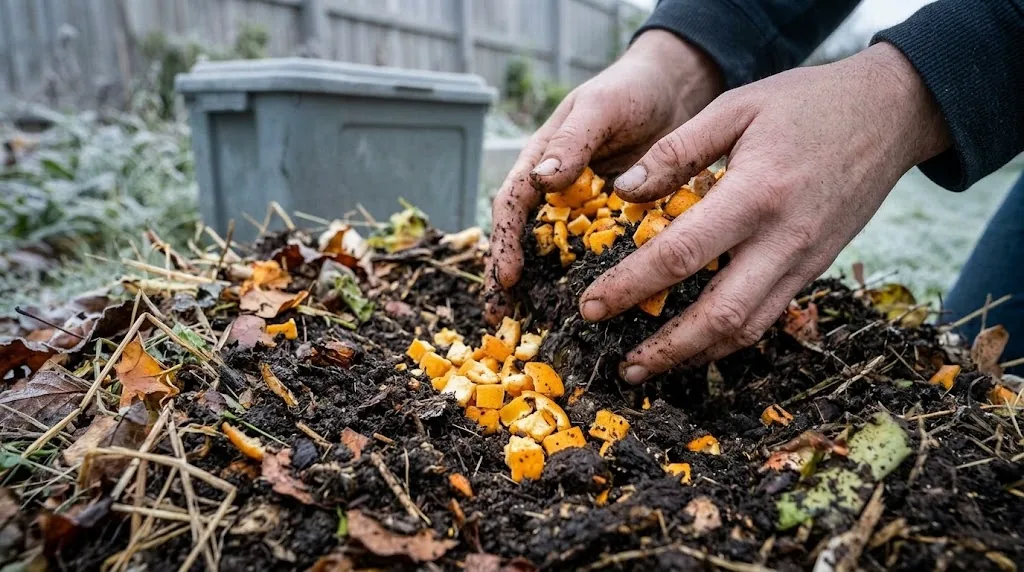
- Mix the peels thoroughly into the center of your compost pile.
- Balance the acidic peels with plenty of carbon-rich brown materials like dry leaves or straw.
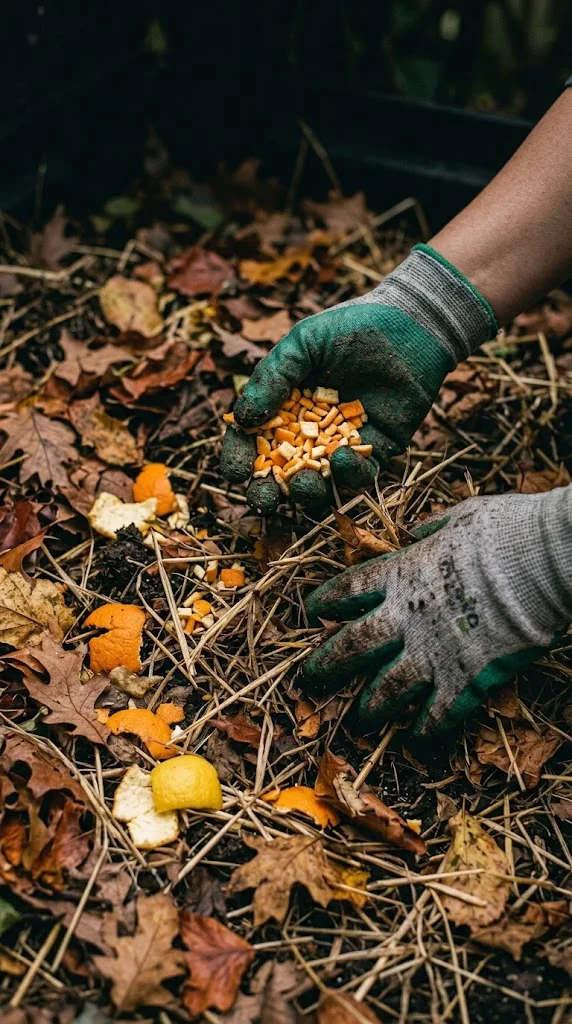
- Limit the amount to no more than 10 percent of your total compost volume.
How much citrus peels can you add to compost?
For a standard home compost pile, aim to keep citrus peels at or below 10 percent of your total volume. When adding them, always bury the peels deep within the center of the pile rather than leaving them on the surface. Pair every handful of peels with two handfuls of carbon-rich browns like shredded cardboard or dry leaves. If you notice a sharp, vinegary odor or see a sudden decline in worm activity, you have likely added too much.
Which types of citrus peels can you compost?
- Fresh peels: Sometimes. These contain the highest concentration of limonene and should be chopped small before being added to the pile.
- Dried peels: Yes. Drying the peels significantly reduces the concentration of essential oils, making them safer and easier for microbes to process.
- Candied or sugared peels: No. The high sugar content can attract unwanted pests like rodents and ants to your compost bin.
- Waxed peels: Sometimes. While the wax is generally biodegradable, it slows down decomposition significantly; try to use organic, unwaxed fruit when possible.
Watch out for
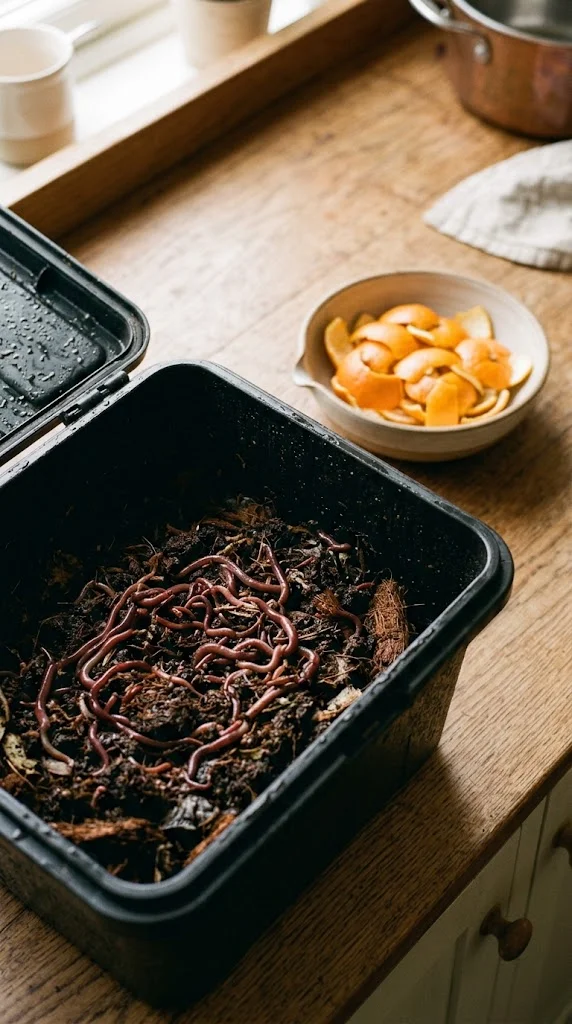
- Avoid adding large amounts to vermicompost bins as citrus can harm worms.
- Do not add peels if your pile is already struggling with low temperatures.
- Be aware that citrus peels take longer to break down than softer fruit scraps.
What to do instead
- Use peels to infuse water or create homemade cleaning solutions.
- Dry peels to use as natural fire starters or potpourri.
- Place in a municipal food waste collection bin if available.
Troubleshooting citrus peels in compost
- Strong acidic or vinegary smell This indicates an acidity spike; add more dry carbon materials like straw or wood chips and turn the pile to increase aeration.
- Peels are not breaking down The pieces are likely too large or the pile is too cold; chop them into smaller bits and move them to the center of the pile.
- Pests attracted to the bin Ensure the peels are buried at least 10 inches deep and cover the pile with a thick layer of browns to mask the scent.
Myths about composting citrus peels
- Myth: Citrus peels will permanently ruin the pH of your soil. Truth: Citrus only temporarily lowers pH in the immediate vicinity of the peel; finished compost is almost always neutral regardless of the inputs.
- Myth: You can never put citrus in a worm bin. Truth: You can add small amounts of citrus to a worm bin if you bury it in a corner and monitor the worms' reaction, though it is best to avoid it if the bin is small.
Can citrus peels go in a green bin or recycling?
Most municipal green waste programs accept citrus peels alongside other food scraps because industrial composting facilities operate at much higher temperatures than home piles. These facilities can easily break down the essential oils that cause issues in backyard bins. Before tossing them in your curbside bin, remove any non-compostable stickers or plastic ties. Always check your local municipality website, as some regions have specific rules regarding food waste contamination or prohibited items.
Does composting citrus peels attract pests?
Citrus peels do not typically attract pests when managed properly in a compost pile. Because citrus peels contain natural antimicrobial oils like limonene, they actually help repel certain insects and deter larger animals. When you chop the peels into smaller pieces and bury them deep within the center of the pile beneath a thick layer of carbon-rich brown materials, they quickly begin to break down without releasing strong food odors that might otherwise draw unwanted visitors.
- Cut peels into small pieces to speed up decomposition.
- Bury the peels deep in the center of the compost pile.
- Cover the scraps with a thick layer of dry brown materials.
Common questions
Will citrus peels attract pests?
Generally, no. The strong scent of citrus oils often acts as a natural deterrent for many common compost pests like flies and rodents.
Can I put citrus peels in my worm bin?
It is best to avoid it. Worms are sensitive to the acidity and the essential oils found in citrus, which can cause them to abandon the bin.
Does the wax on store-bought citrus matter?
Most fruit waxes are food-grade and will eventually break down, but they do slow the decomposition process slightly compared to organic, unwaxed peels.
Are citrus peels biodegradable?
Yes. Orange, lemon and lime peels are fully biodegradable, usually in 3-6 months. Their acidity and oils only slow the process a little.
Rules vary by town and by composting method. When in doubt, check with your local composting or waste program.