
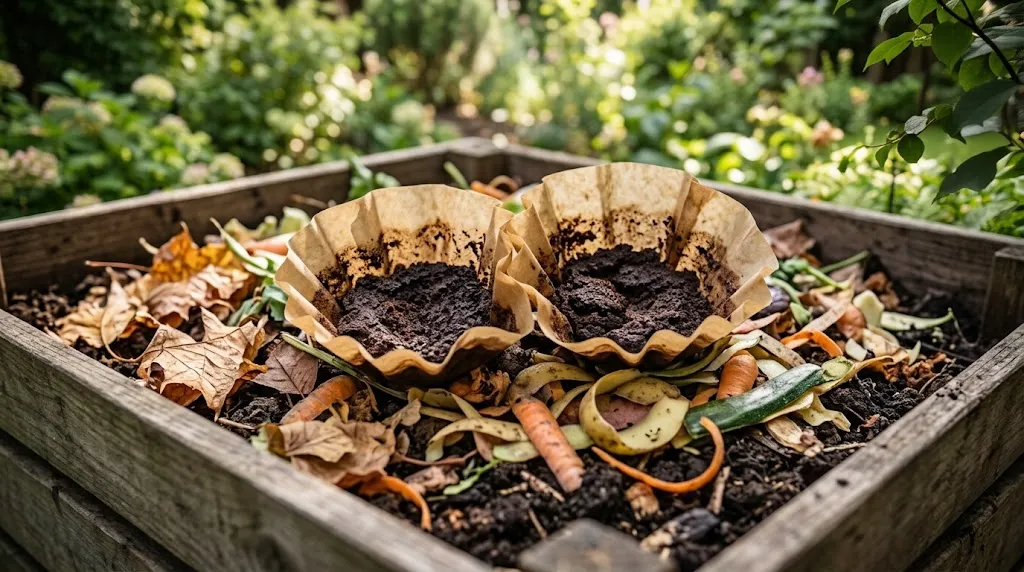
Yes, you can compost coffee filters easily in your home bin. Both bleached and unbleached paper filters break down quickly.
Why
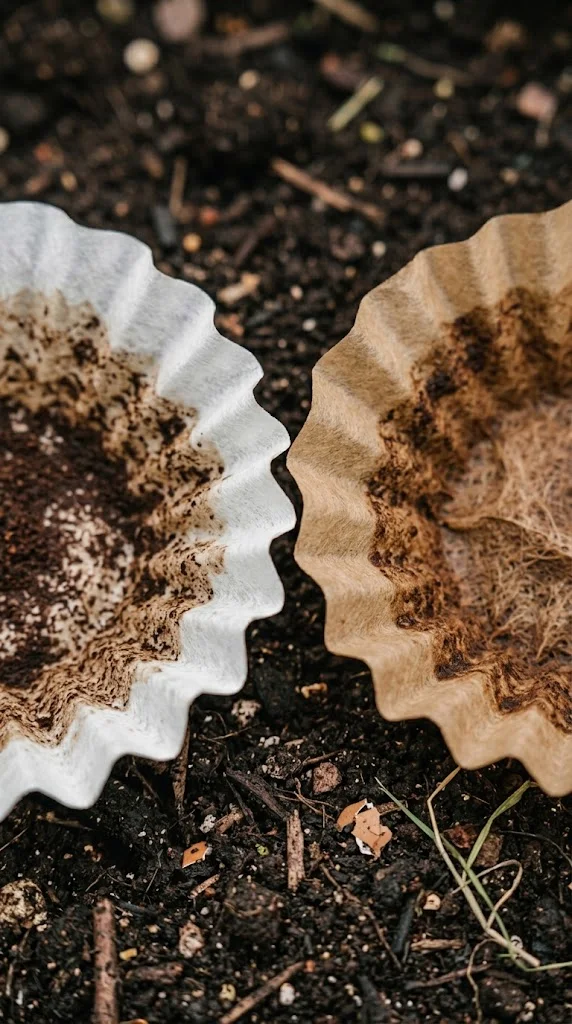
Coffee filters are made from paper, which makes them an excellent source of carbon for your compost pile. Paper filters decompose rapidly because they are thin and natural. If you use unbleached brown filters, they add organic matter without any chemical processing. Bleached white filters are also generally safe because modern bleaching methods do not leave harmful residues that disrupt compost biology. Paired with wet coffee grounds, they create a balanced mix of nitrogen and carbon.
Quick facts
| Carbon to nitrogen | About 30:1 |
|---|---|
| Hot pile | 2-4 weeks |
| Cold pile | 6-12 months |
| Worm bin | Yes · Yes, if paper-based and not too thick. |
| Bokashi | Yes · Excellent for adding nitrogen-rich grounds. |
| City green bin | Usually accepted in municipal organic waste bins. |
| Prep | Ensure filters are paper, not synthetic mesh. |
| Mix with | Balance with carbon-rich materials like dried leaves. |
| Pest risk | Low · Cover grounds and filters with brown material. |
How to compost coffee filters
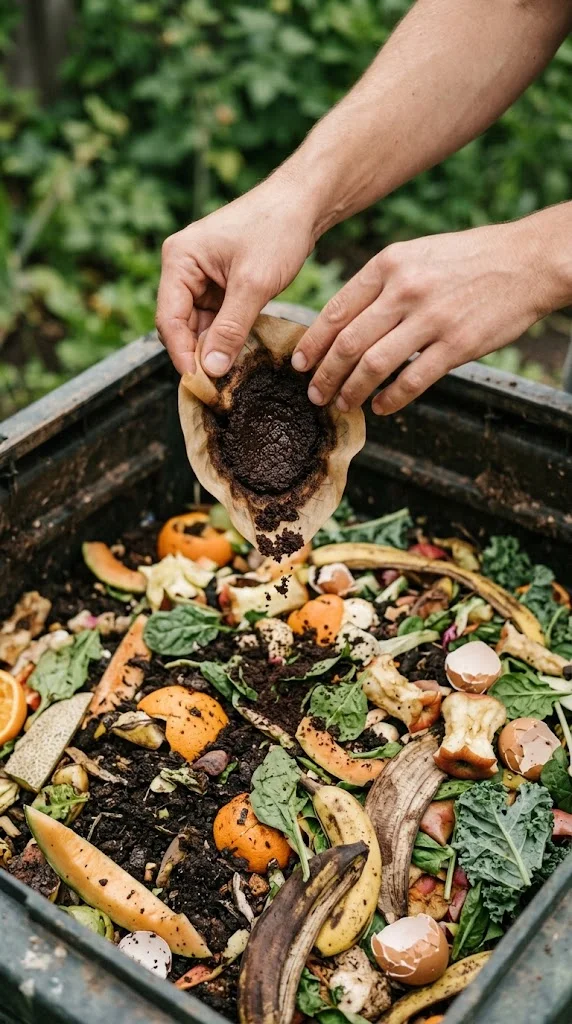
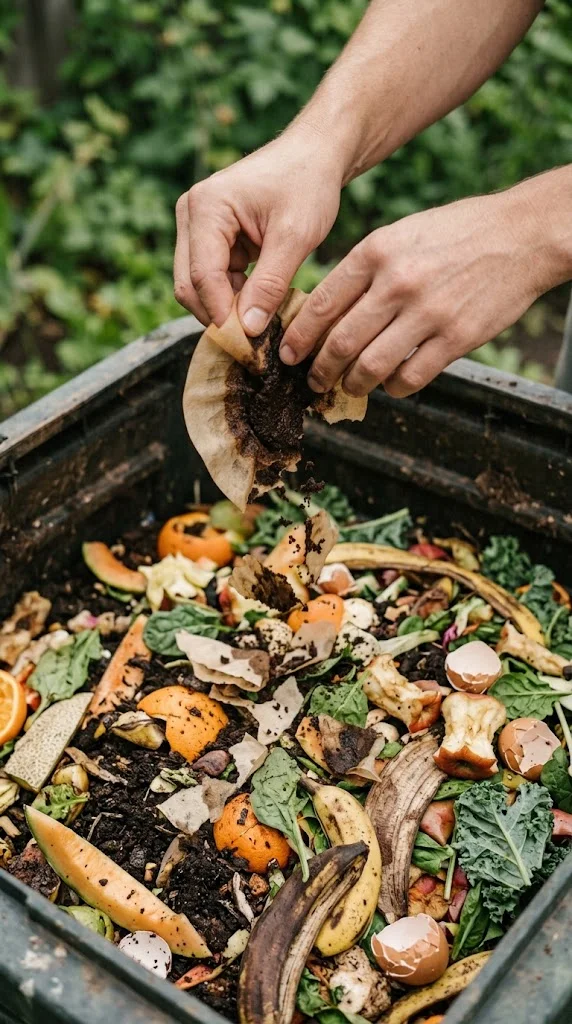
- Shake out excess coffee grounds or toss the entire filter with grounds into the bin.
- Tear or cut larger filters into smaller pieces to speed up the breakdown process.
- Mix the filters into the center of the pile to maintain proper moisture distribution.
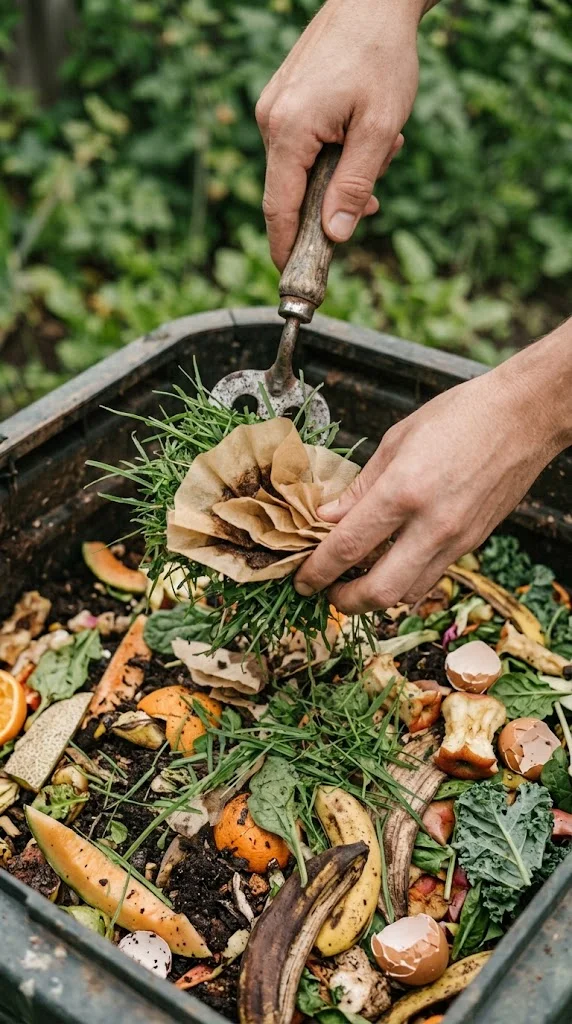
- Bury filters beneath nitrogen-rich green materials to prevent them from blowing away.
How much coffee filters can you add to compost?
You can add coffee filters to your compost pile as frequently as you brew coffee, as they are a reliable source of carbon. Aim for a ratio of one part filters to two parts nitrogen-rich greens, such as fresh grass clippings or kitchen scraps. If you notice the pile becoming too dry or the filters are not breaking down, you have added too much paper. Simply increase the moisture content by adding more greens or water to restore the balance.
Which types of coffee filters can you compost?
- Unbleached paper filters: Yes. These are the most natural option and break down very quickly in any compost system.
- Bleached white paper filters: Yes. Modern oxygen-bleached filters are safe, though they may take slightly longer to decompose than unbleached versions.
- Plastic-mesh coffee pods: No. These contain non-biodegradable plastic or metal components that must be removed before the grounds can be composted.
- Reusable metal mesh filters: No. These are durable kitchen tools meant for long-term use and will not break down in a compost pile.
Watch out for
- Ensure the filters are purely paper and not a synthetic mesh brand.
- Avoid filters made with added plastic or non-biodegradable synthetic fibers.
- Check that tea bags or other items mixed in do not contain plastic sealing glue.
Other ways to use coffee filters
- Use in potted plants as a drainage layer at the bottom of the container
- Reuse for household cleaning or oil straining
- Add them to your municipal food-scrap bin if you have one
Troubleshooting coffee filters in compost
- Filters matting together and slowing decomposition. Tear the filters into smaller strips before adding them to ensure they do not form a solid, air-blocking layer.
- Filters blowing out of the bin. Mix the filters thoroughly into the center of the pile or bury them under a layer of heavier green waste.
- Slow breakdown in a cold pile. Increase the surface area by shredding the filters finely and ensure the pile has adequate moisture to support microbial activity.
Myths about composting coffee filters
- Myth: Bleached filters contain toxic dioxins that poison soil. Truth: Modern paper filters are typically bleached with oxygen or hydrogen peroxide, which leaves no harmful chemical residues behind.
- Myth: Coffee filters make compost too acidic for plants. Truth: While coffee grounds are slightly acidic, the paper filter itself is neutral and the composting process buffers the pH, making the final product safe for most gardens.
Can coffee filters go in a green bin or recycling?
Most municipal food-scrap and green-waste programs readily accept paper coffee filters alongside your organic waste. Before tossing them in your curbside bin, ensure you have removed any plastic tabs, metal clips, or synthetic mesh components. While they are generally accepted, it is always best to check your local municipality's specific guidelines, as some facilities have different processing capabilities for paper products versus raw food scraps. Never place coffee filters in your curbside recycling bin, as they are considered contaminated paper.
Does composting coffee filters attract pests?
Composting coffee filters does not attract pests. Because they are made of dry paper and usually accompanied only by spent coffee grounds, they do not emit strong odors that draw rodents, flies, or other scavengers. In fact, using coffee filters as a top layer over your compost bin helps hide the scent of more odorous food scraps. This effective brown cover masks appealing smells and absorbs excess moisture, deterring pests from investigating your pile.
- Use filters as a clean, dry cover layer over fresh food scraps.
- Tear filters into smaller pieces to ensure they blend seamlessly into the pile.
- Bury wet coffee grounds and filters beneath heavier green materials.
- Keep your compost bin securely closed to maintain an effective physical barrier.
Common questions
Can I compost bleached white coffee filters?
Yes, bleached white paper coffee filters are generally fine to compost. Modern oxygen and elemental chlorine-free bleaching processes leave very minimal residues that will not harm your compost ecosystem.
Should I shake the coffee grounds out before composting?
No need. Coffee grounds are high in nitrogen and work together with the carbon-rich paper filter, so composting them together is ideal.
Can I compost reusable cloth coffee filters?
It depends on the material. Cotton or hemp cloth filters can be composted if cut up, but synthetic polyester or nylon cloth filters must go in the trash.
Are coffee filters biodegradable?
Yes. Paper coffee filters, bleached or unbleached, biodegrade in about 2-4 weeks with the grounds. Reusable mesh or synthetic filters are not biodegradable.
Rules vary by town and by composting method. When in doubt, check with your local composting or waste program.