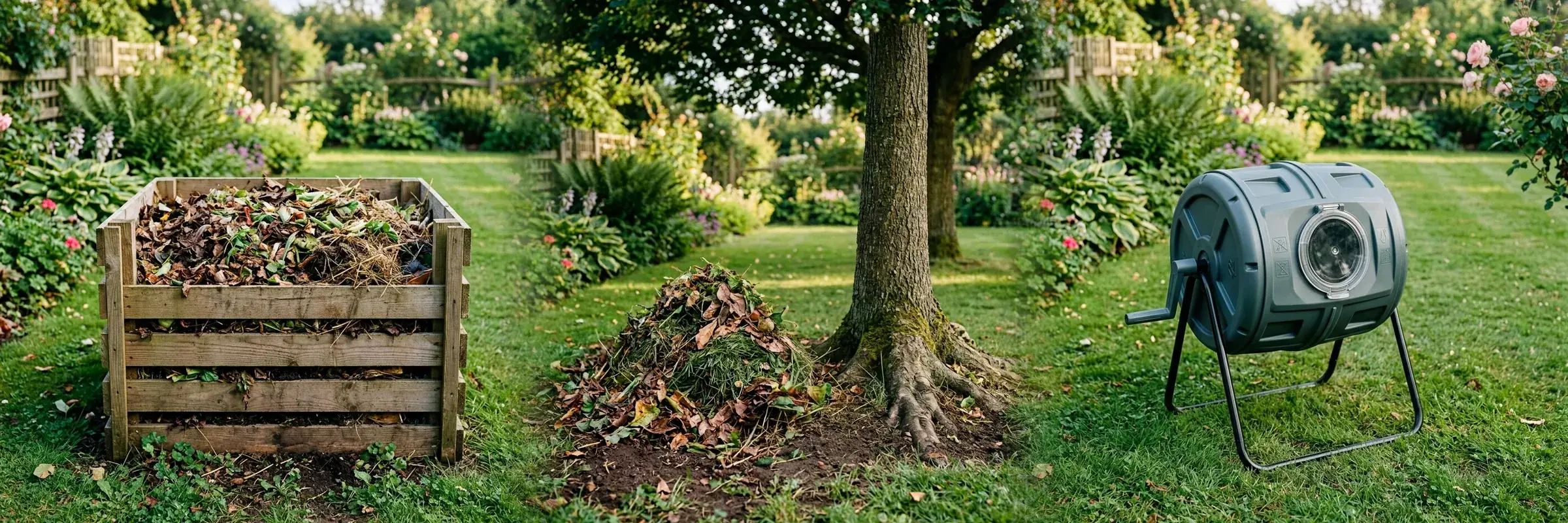
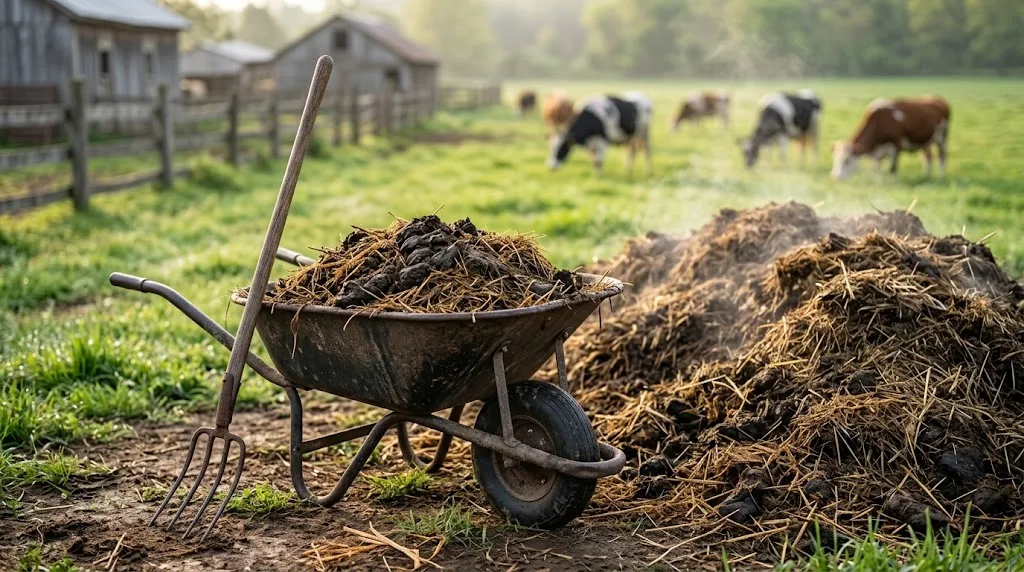
Yes, cow manure is an excellent addition to compost piles. It provides rich nitrogen and beneficial microbes that accelerate decomposition.
Why
Cow manure is a classic, nutrient-dense organic fertilizer packed with nitrogen, potassium, and phosphorus. Because cattle are herbivores, their waste has a much lower risk of transmitting harmful parasites to humans compared to carnivore waste. However, fresh manure can harbor pathogens like E. coli or weed seeds from pasture grazing. Hot composting is recommended to kill weed seeds and sterilize pathogens effectively. In cold composting systems, it will still break down well, but you should cure the finished compost thoroughly before applying it to food crops.
Quick facts
| Carbon to nitrogen | About 15:1 to 20:1 |
|---|---|
| Hot pile | 1-3 months |
| Cold pile | 6-12 months |
| Worm bin | Yes · Yes, but avoid high ammonia levels. |
| Bokashi | Yes · Excellent for rapid fermentation. |
| City green bin | Usually accepted; check local rules. |
| Prep | Spread thin to prevent crusting. |
| Mix with | Mix with 2-3 parts carbon-rich straw or leaves. |
| Pest risk | Medium · Cover with dry material to prevent flies. |
How to compost cow manure
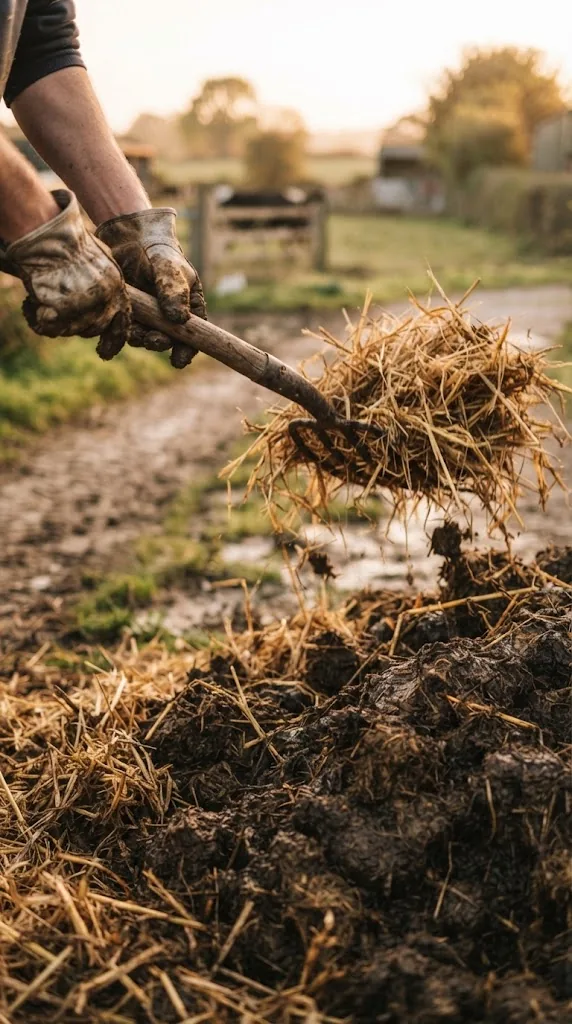
- Balance the manure by mixing it with generous amounts of carbon-rich brown materials like dry leaves, straw, or sawdust.
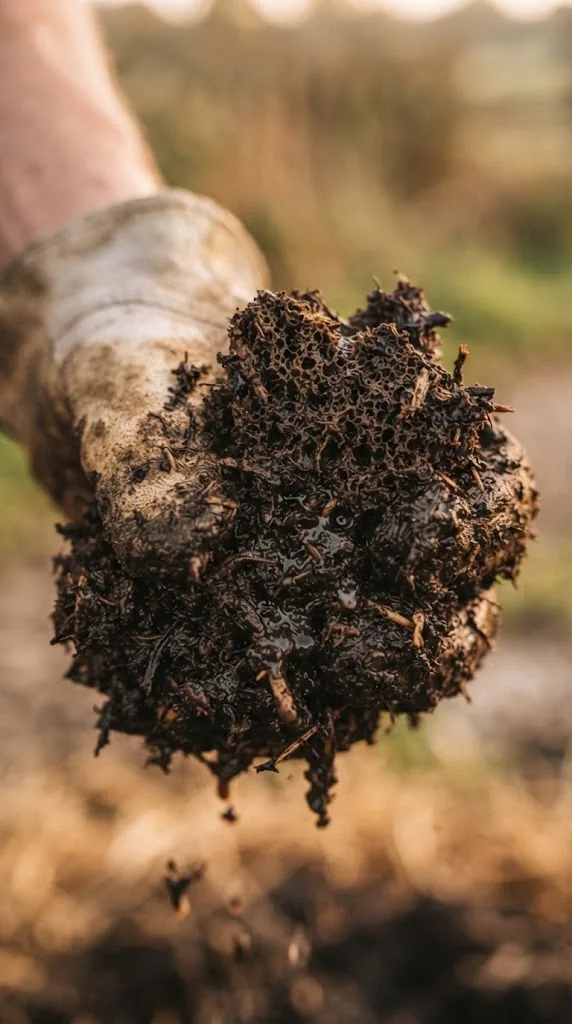
- Maintain adequate moisture so the pile feels like a wrung-out sponge.
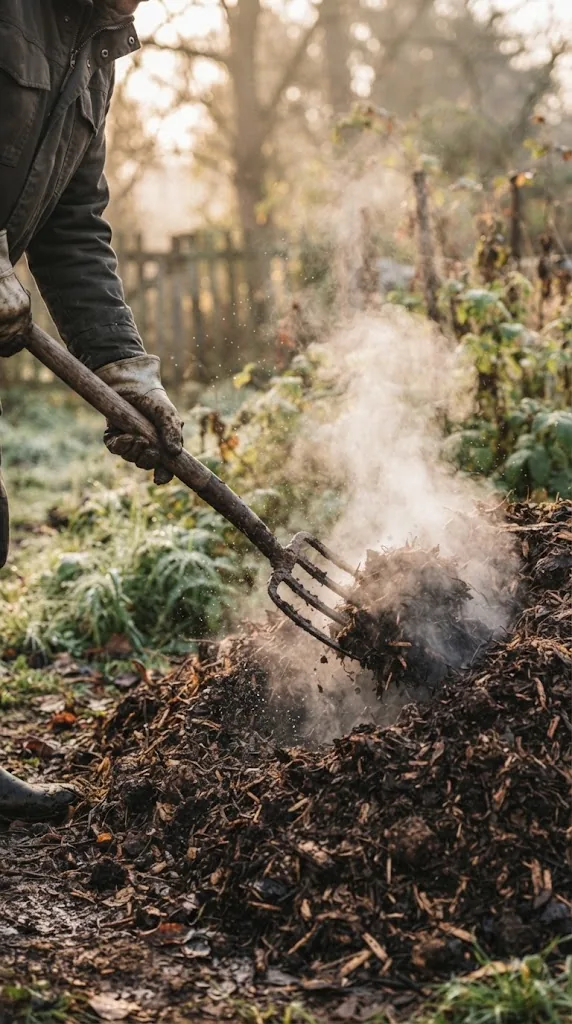
- Turn the compost pile every 1 to 2 weeks to introduce oxygen and sustain high internal temperatures.
- Allow the compost to cure for at least a few months after decomposition finishes before using it on vegetable beds.
How much cow manure can you add to compost?
You can incorporate cow manure as a significant portion of your pile, ideally comprising up to 25 percent of the total volume. Because it is a potent nitrogen source, always balance every bucket of manure with at least two to three buckets of carbon-rich browns like straw or shredded cardboard. If your pile begins to emit a strong ammonia smell or becomes slimy and dense, you have added too much manure; immediately mix in more dry carbon to restore the balance.
Which types of cow manure can you compost?
- Fresh manure: Yes. This is the most nitrogen-rich form but requires hot composting to kill potential pathogens and weed seeds.
- Aged manure: Yes. This has been sitting for months and is safer to handle, though it contains less nitrogen than fresh manure.
- Manure with bedding: Yes. This is ideal because the straw or wood shavings already provide the necessary carbon balance for your pile.
- Dehydrated pellets: Yes. These are concentrated and easy to handle, but you must rehydrate them thoroughly to ensure they break down properly.
Watch out for
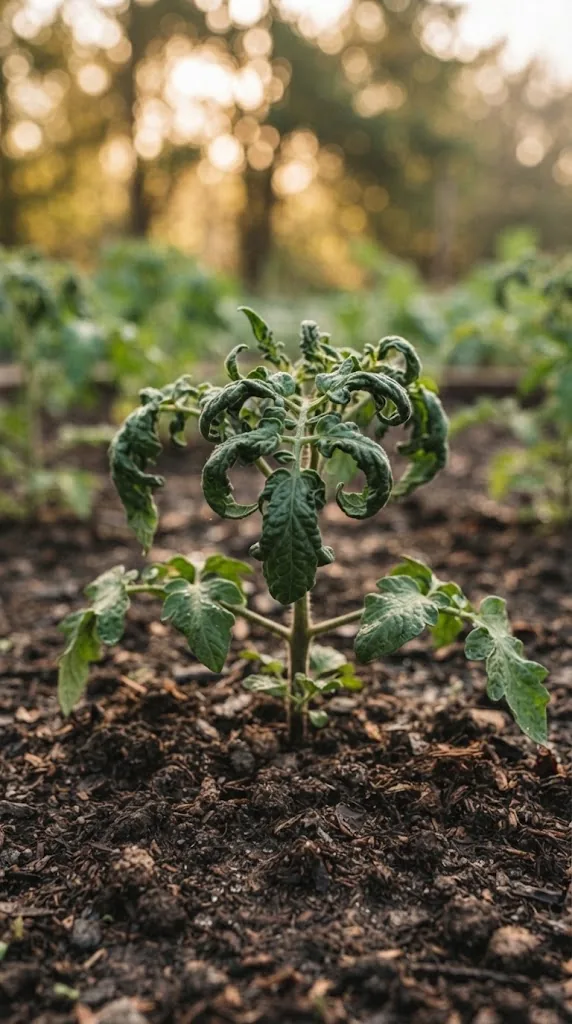
- Persistent herbicides used on cattle pastures can survive the digestive tract and composting process, potentially stunting sensitive garden plants like tomatoes.
- Fresh manure can carry pathogens like E. coli and Salmonella, so always practice good hygiene and wash your hands.
- Excess moisture or lack of aeration can cause foul odors and anaerobic conditions.
Other ways to use cow manure
- Age or compost directly in agricultural fields or dedicated manure piles.
- Work aged, fully rotted manure directly into empty garden beds in late autumn.
- Make compost tea from aged manure to use as a liquid plant fertilizer.
Troubleshooting cow manure in compost
- Foul ammonia odor This indicates an excess of nitrogen; add more dry browns like straw or leaves and turn the pile to aerate.
- Weed seeds sprouting Your pile likely did not reach high enough temperatures; ensure you are turning the pile regularly to move outer material into the hot center.
- Pile is too dense or matted Incorporate bulkier carbon sources like coarse wood chips or corn stalks to create air channels throughout the mixture.
Myths about composting cow manure
- Myth: Cow manure is a complete fertilizer that replaces all other soil amendments. Truth: While rich in nitrogen, it may lack specific micronutrients or the soil structure benefits provided by diverse compost materials.
- Myth: All cow manure is organic and safe for vegetable gardens. Truth: Some commercial cattle operations use persistent herbicides on pastures that can remain active in manure and damage sensitive garden crops.
Can cow manure go in a green bin or recycling?
Most municipal green waste programs accept cow manure, but policies vary significantly by region. Some cities allow it in curbside bins, while others restrict it due to potential pathogen concerns or specific industrial composting requirements. Before placing it in your bin, remove any non-compostable debris like plastic twine or metal tags often found in agricultural settings. Always check your local waste management website to confirm if animal waste is permitted in your specific curbside collection program.
Does composting cow manure attract pests?
Composting cow manure generally does not attract common household pests like rats, mice, or raccoons, because it consists primarily of digested plant matter rather than high-protein animal fats or food scraps. Furthermore, applying cow manure in a thick layer over your compost pile effectively masks the strong odors of underlying food wastes, creating a physical barrier that helps deter animals and flying insects from investigating the bin.
- Spread manure evenly as a cover layer over fresh food scraps.
- Mix the manure thoroughly with dry browns to eliminate strong odors.
- Maintain proper pile moisture to support fast decomposition without attracting flies.
Common questions
Can I put fresh cow manure straight into my garden?
It is not recommended because fresh manure is very high in nitrogen and ammonia, which can burn plant roots. It also carries a higher risk of weed seeds and dangerous pathogens contaminating edible crops.
What is the best brown material to balance cow manure?
Straw, shredded cardboard, dry leaves, and wood shavings are all excellent brown materials. Straw in particular pairs well because it provides structure and keeps the dense manure well-aerated.
How do I know if cow manure contains persistent herbicides?
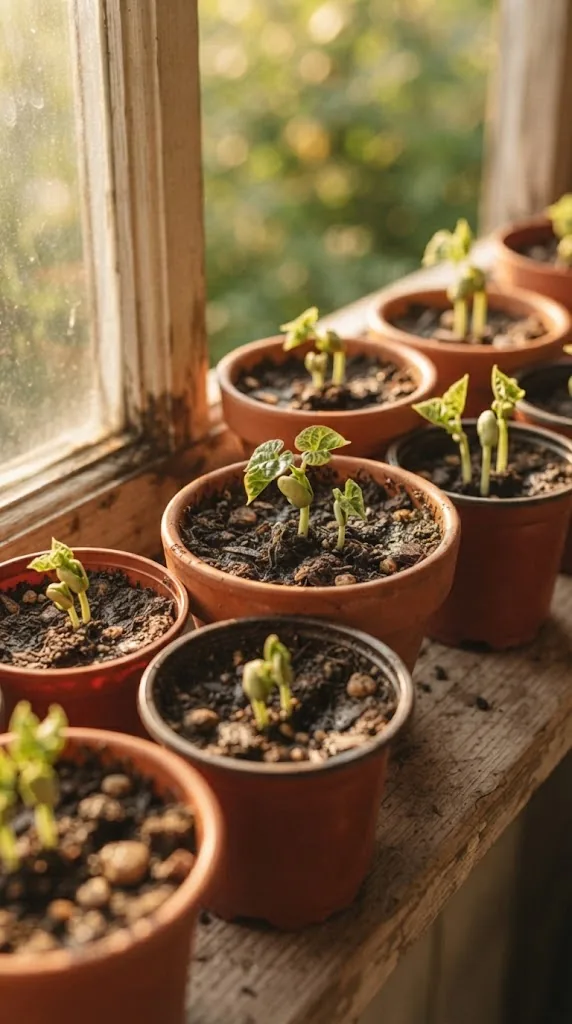
You can perform a simple bioassay test by planting bean or pea seeds in a mix of the composted manure and potting soil. If the seedlings sprout with curled, cupped, or distorted leaves, persistent herbicide residue may be present.
Is cow manure biodegradable?
Yes. Cow manure is already partly digested plant matter and biodegrades readily, usually in 3-6 months in a hot pile.
Rules vary by town and by composting method. When in doubt, check with your local composting or waste program.