
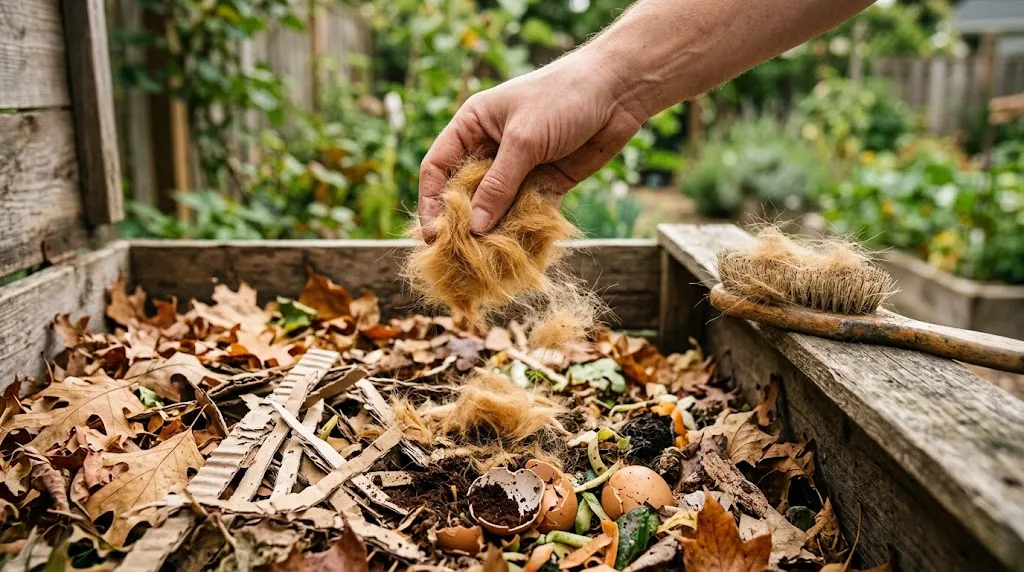
Yes, you can compost dog hair in your home bin. It is a great source of nitrogen, but it breaks down slowly due to its high keratin content.
Why
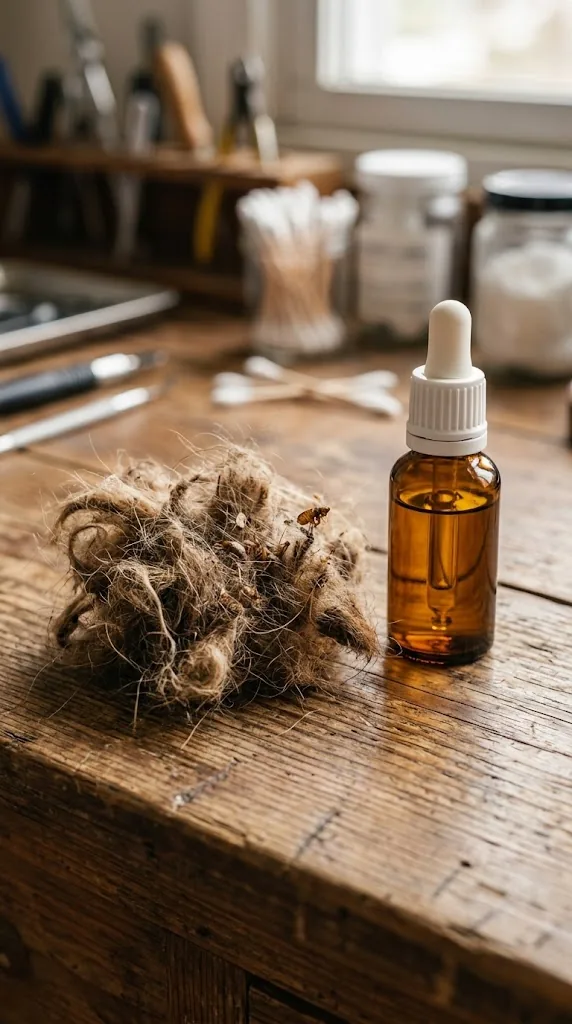
Dog hair is organic matter that naturally decomposes, making it a valuable addition to your compost pile. Classified as a green material, it provides a slow-release source of nitrogen. However, because hair is tough and protein-based, it resists rapid decay. To speed up the process, mix the hair thoroughly with high-carbon browns like dry leaves or shredded cardboard and keep your pile well-aerated. If your dog has recently received topical flea or tick treatments, avoid composting their hair, as those chemical residues can harm beneficial compost microbes and persist in finished compost.
Quick facts
| Carbon to nitrogen | About 5:1 |
|---|---|
| Hot pile | 3-6 months |
| Cold pile | 6-12 months |
| Worm bin | Sometimes · Small amounts only, breaks down very slowly. |
| Bokashi | Yes · Safe to ferment in a bokashi bin. |
| City green bin | Usually accepted; check local rules. |
| Prep | Ensure no chemical flea treatments were used. |
| Mix with | Mix thoroughly with high-carbon brown materials. |
| Pest risk | Low · No significant pest attraction risk. |
How to compost dog hair
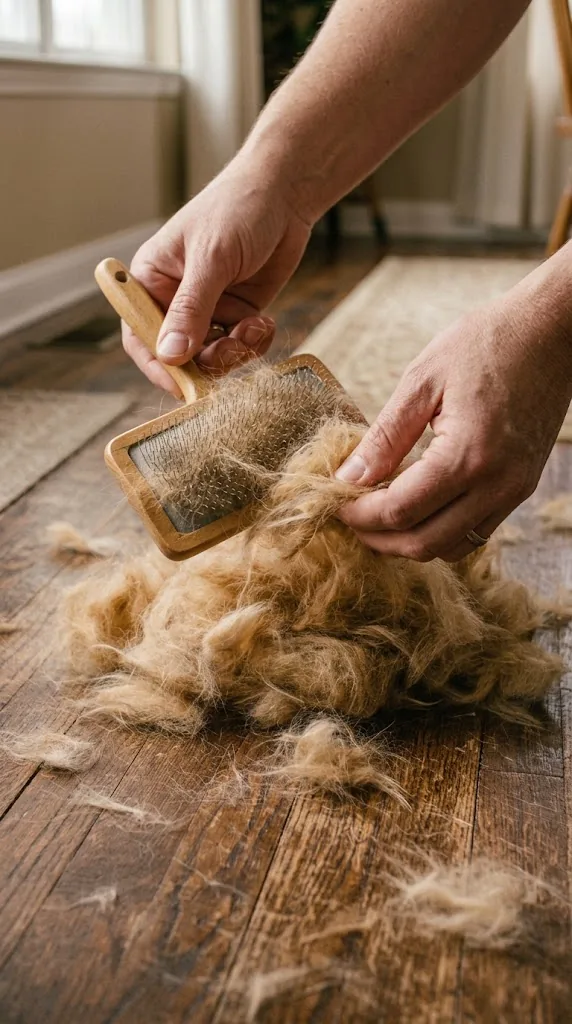
- Collect loose fur from brushes, grooming tools, or baths.
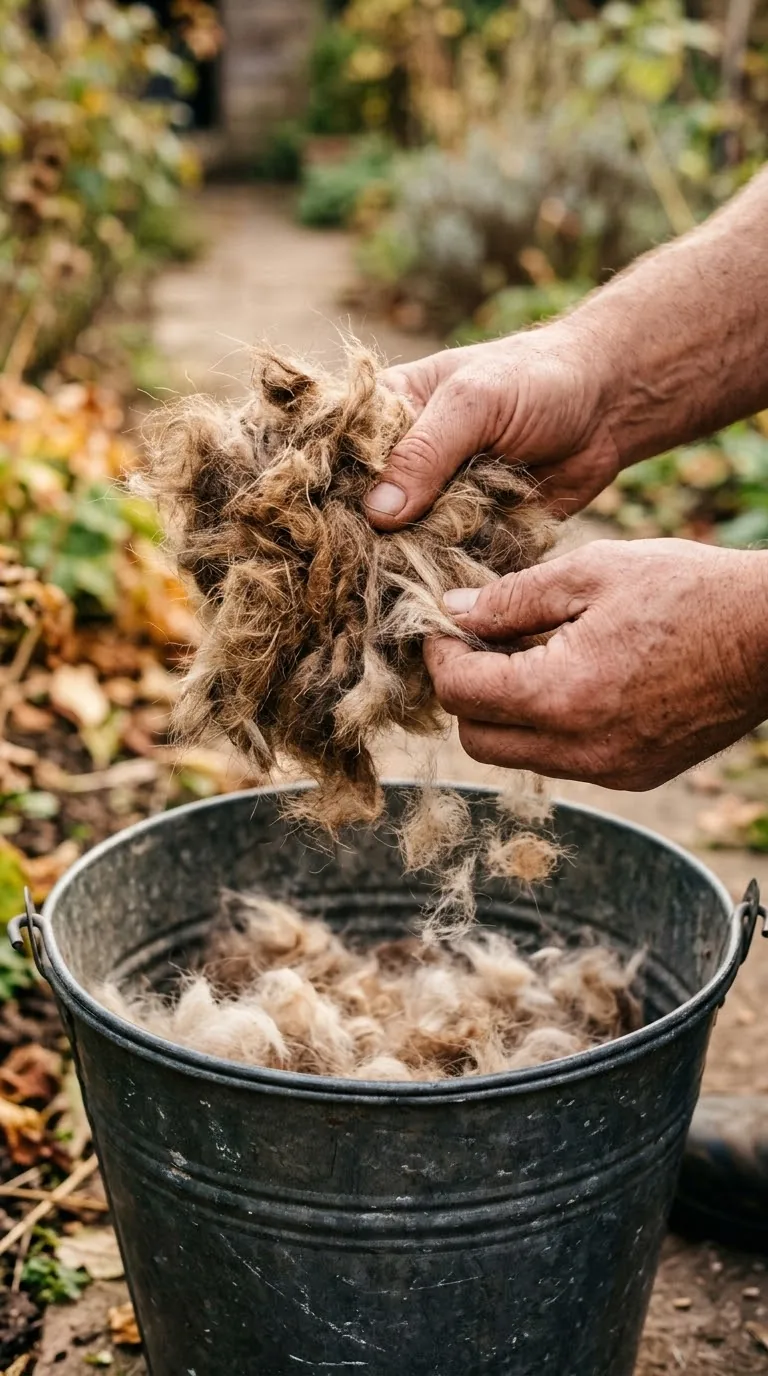
- Tear or tease the hair apart into small clumps rather than adding large mats.
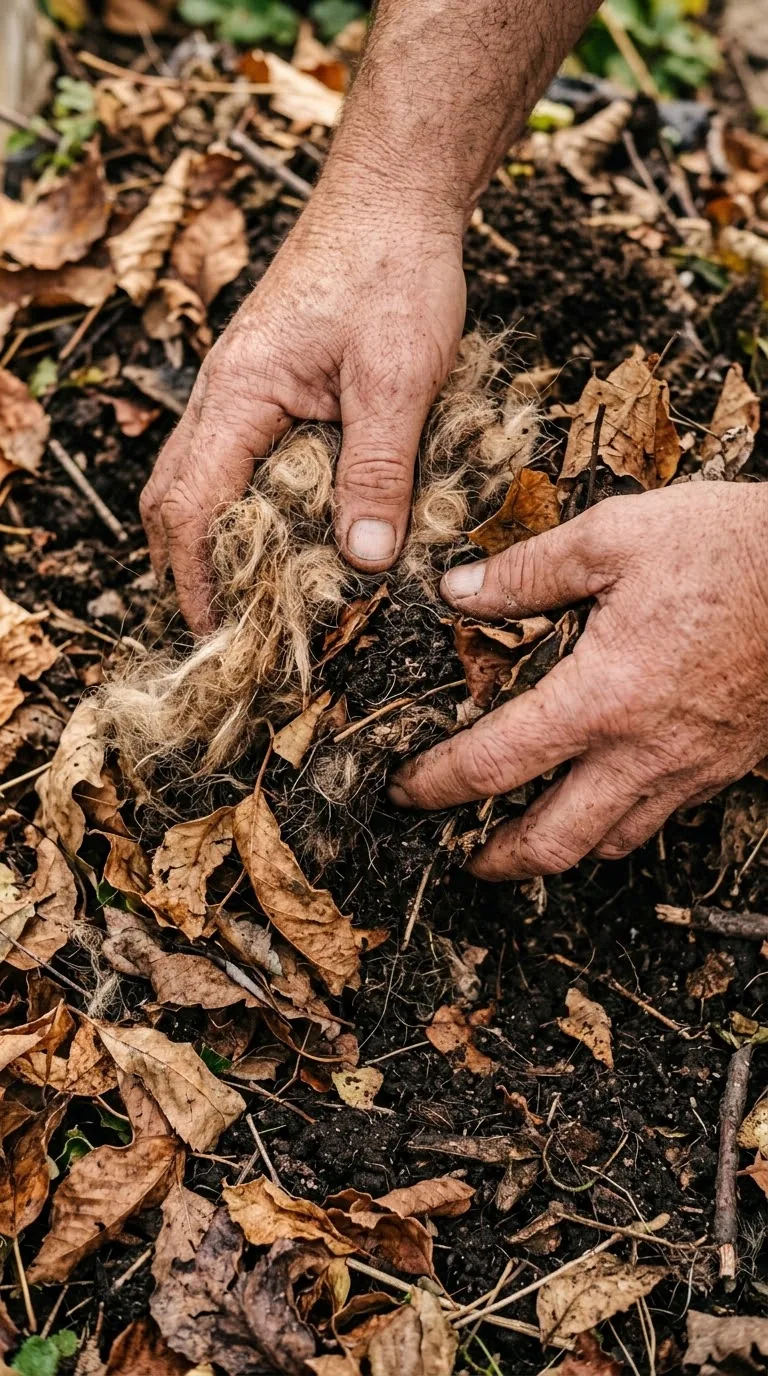
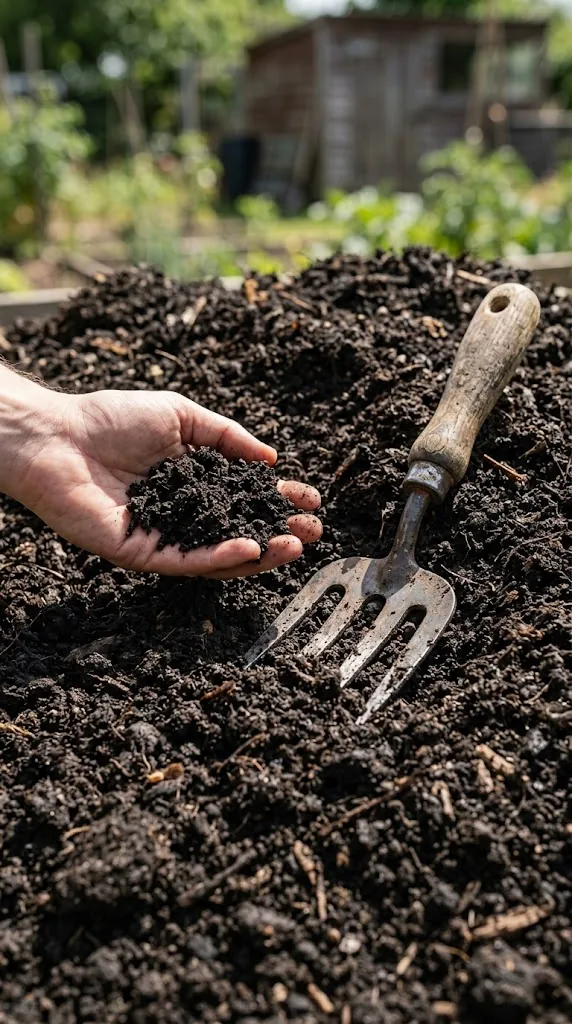
- Layer or scatter the hair deep inside the pile to prevent it from matting together into water-resistant clumps.
- Mix thoroughly with brown materials like dry leaves or sawdust to maintain a healthy carbon-to-nitrogen balance.
How much dog hair can you add to compost?
You can add dog hair in moderate amounts, ideally keeping it to no more than five to ten percent of your total green material volume at any given time. Because hair is dense and compacts easily, layer handfuls into your carbon-heavy browns like dry leaves or wood shavings. If you notice persistent slimy mats forming throughout your pile or a sharp drop in internal temperature, you have added too much hair at once and need to turn the bin immediately.
Which types of dog hair can you compost?
- Brushed loose fur: Yes. Clean fur collected directly from everyday grooming brushes is ideal for composting and breaks down relatively well when teased apart.
- Fur with topical flea treatment: No. Hair treated with spot-on pesticides or systemic parasite medications must be excluded to protect beneficial soil microbes and worms.
- Clumped undercoat from heavy shedding: Sometimes. Double-coated breeds produce dense mats of undercoat that must be meticulously hand-teased apart before adding to prevent waterproof pockets.
- Fur washed with heavily medicated shampoo: Sometimes. Shampoos containing strong antimicrobial or antifungal agents can disrupt the sensitive bacterial balance required for active composting.
Watch out for
- Do not compost hair from dogs treated with topical parasite medications or persistent spot-on treatments.
- Avoid adding clumps of hair treated with heavily scented shampoos or chemical conditioners.
- Ensure hair is well blended, as thick mats can block airflow and trap moisture, leading to smelly anaerobic pockets.
Other ways to use dog hair
- Spin clean fur into yarn (known as chiengora) for knitting or felting.
- Scatter pet hair in garden beds to help deter deer and rabbits.
- Throw it in the trash if it contains chemical flea treatment residues.
Troubleshooting dog hair in compost
- The hair forms dense, impenetrable felt mats that resist decomposition. Tear the fur into tiny wisps and thoroughly toss it with coarse carbon materials like dry twigs or shredded cardboard.
- The decomposition process stalls entirely for many months. Accept that keratin breaks down very slowly and add extra nitrogen-rich kitchen scraps alongside moisture to accelerate microbial activity.
- Unpleasant odors develop around heavy clumps of wet fur. Break up the matted clumps with a pitchfork and turn the entire pile to restore vital oxygen flow.
Myths about composting dog hair
- Myth: Dog hair rots away just as fast as green vegetable scraps. Truth: Hair is composed of tough keratin protein which resists rapid decay, meaning it can persist in your pile for a year or longer.
- Myth: Adding dog hair will naturally keep all backyard pests away from your bin. Truth: While it does not attract pests on its own, it has no proven repellent properties against determined rodents looking for food.
Can dog hair go in a green bin or recycling?
Municipal green waste and curbside yard trimmings programs often accept pet hair when it is mixed securely with yard debris, though commercial facilities vary widely in their acceptance policies due to potential veterinary chemical residues. If your municipal program accepts organic waste, ensure you remove any synthetic brushes, rubber grooming mitt debris, or treated collars first. Always check your local waste management guidelines before tossing pet hair into municipal green bins.
Does composting dog hair attract pests?
Composting dog hair does not typically attract pests to your bin. Because hair is a dry, fibrous protein material rather than a pungent food scrap, it gives off no strong odors that would draw animals or insects like rodents, raccoons, or flies. In fact, scattering dog hair throughout your compost pile and mixing it thoroughly with brown materials helps build a well-aerated structure that effectively hides food odors and keeps unwanted pests away from your active bin.
- Tease the hair apart into small clumps before adding it to prevent dense, impenetrable mats.
- Mix the loose fur thoroughly with high-carbon browns like dry leaves or sawdust.
- Bury the hair mixture deep inside the compost pile to help conceal any residual pet odors.
- Use layers of hair and brown materials as a top cover to mask smelly food scraps.
Common questions
Does dog hair take a long time to decompose?
Yes, hair is made of a tough protein called keratin, which is very durable and can take many months or even over a year to fully break down in a standard compost pile.
Can I compost cat hair or human hair the same way?
Yes, human hair, cat hair, and other pet fur can all be composted using the exact same methods. Just ensure they are free of harsh chemical residues or medications.
Will dog hair attract pests to my compost?
Clean dog hair generally does not attract pests, but if it is matted with food debris or strong scents, it might draw unwanted attention from animals.
Is dog hair biodegradable?
Yes. Dog hair is keratin protein and biodegrades, but it is slow, often 6-12 months. Spreading it thinly speeds things up.
Rules vary by town and by composting method. When in doubt, check with your local composting or waste program.