
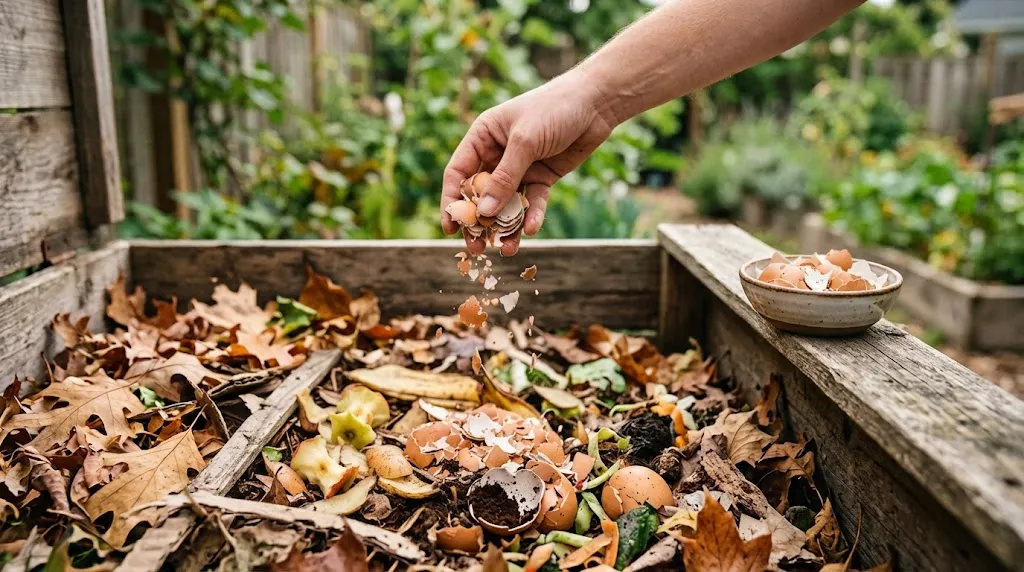
Yes, eggshells are excellent for composting. They provide essential calcium to your soil.
Why
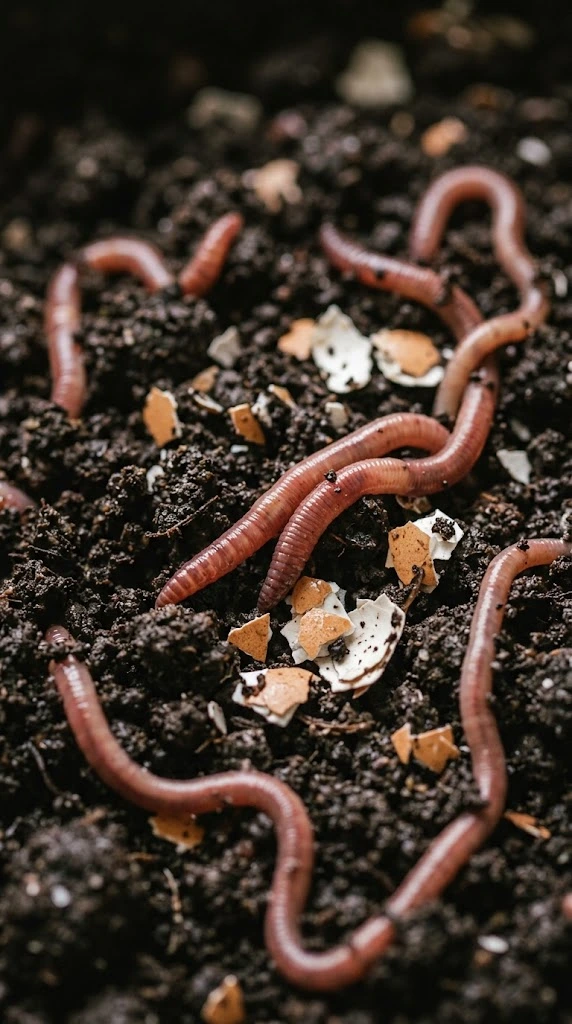
Eggshells are primarily composed of calcium carbonate, which helps neutralize soil acidity and provides a vital nutrient for plants. While they are a great addition to any backyard bin, they take longer to break down than softer organic matter. In hot composting systems, they decompose faster, but in cold piles, they may remain visible as small shards for a long time. They are safe for all types of composting, including municipal and vermicomposting, and worms appreciate the grit they provide.
Quick facts
| Carbon to nitrogen | Varies |
|---|---|
| Hot pile | Years (unless crushed) |
| Cold pile | Years (unless crushed) |
| Worm bin | Yes · Great for grit if crushed into a fine powder |
| Bokashi | Yes · Breaks down well in the acidic fermentation process |
| City green bin | Usually accepted; check local rules |
| Prep | Rinse, dry thoroughly, and crush into fine powder |
| Mix with | Distribute evenly throughout the compost pile |
| Pest risk | Low · Rinse clean to avoid attracting rodents or ants |
How to compost eggshells
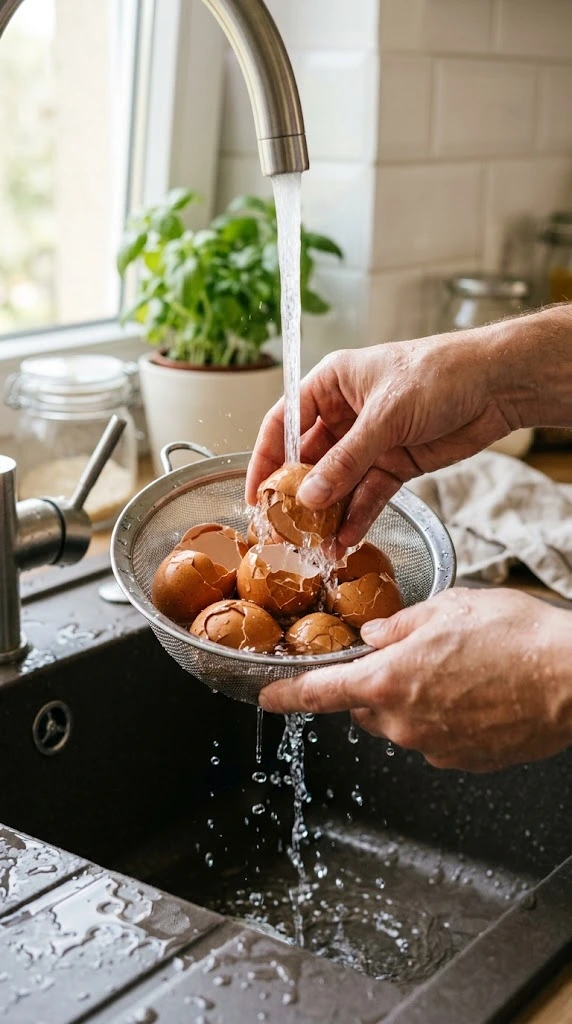
- Rinse the shells to remove excess egg white
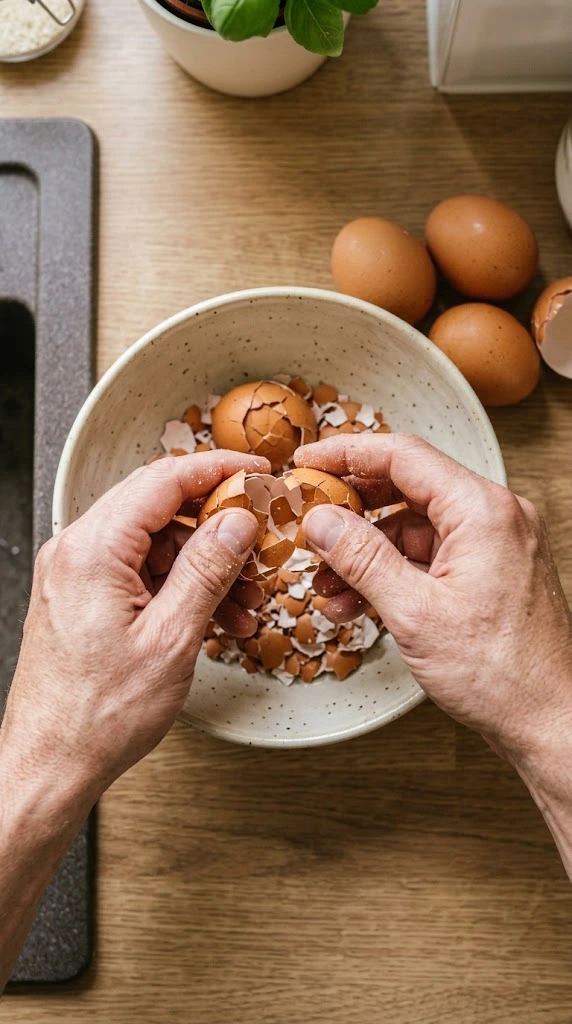
- Crush the shells into smaller pieces to speed up decomposition
- Mix them thoroughly into your compost pile
- Add them to the top of your garden beds as a slow-release calcium source
How much eggshells can you add to compost?
You can add eggshells continuously in moderation, typically saving up a family's weekly output of a dozen or two shells at a time. Because eggshells are virtually neutral in terms of green and brown balance and function primarily as a mineral amendment, you do not need to alter your carbon-to-nitrogen ratios for them. If you add too many without crushing them properly, you will not disrupt the biological process, but you will notice an abundance of sharp, persistent shell fragments scattered throughout your finished compost.
Which types of eggshells can you compost?
- Raw white eggshells: Yes. Standard chicken eggshells are the most common type and provide a great source of calcium carbonate once cleaned and crushed.
- Brown eggshells: Yes. Brown shells are identical in chemical composition to white shells and compost just as effectively.
- Boiled eggshells: Yes. Shells from hard-boiled eggs are already sanitized by heat and require no extra baking, though they still need to be crushed.
- Duck or quail eggshells: Yes. Alternative poultry shells are completely compostable and work the same way, though they may have thicker membranes.
Watch out for
- Ensure shells are completely clean of food residue to avoid pests
- Be aware that whole shells can take years to break down if not crushed
- Some people find the shards unsightly in finished compost
Other ways to use eggshells
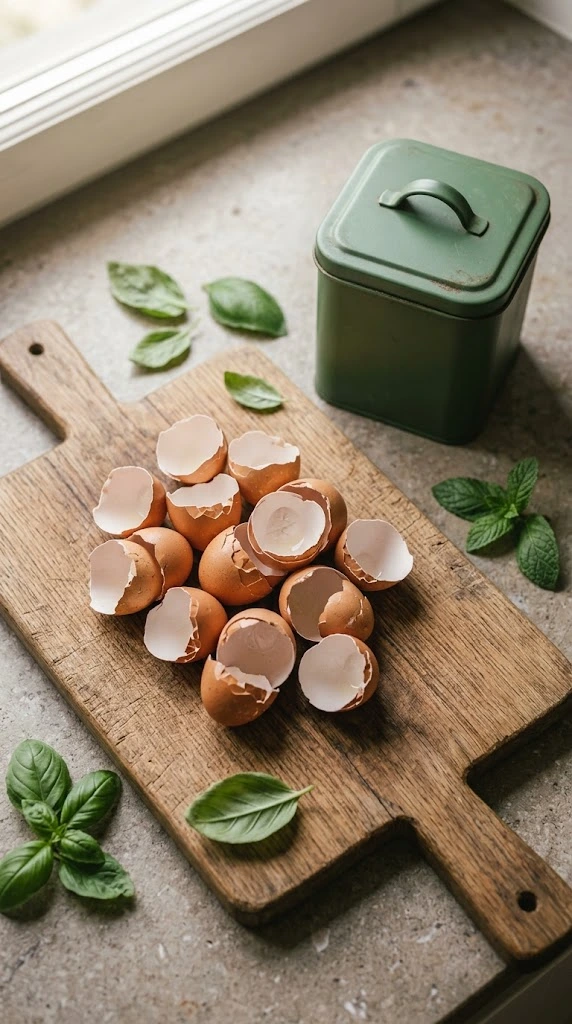
- Use them as a garden pest deterrent by sprinkling around plants
- Bake them first to kill any salmonella, then crush them into a bird feeder as a calcium supplement for birds
- Use them as a scrubbing agent for pots and pans
Troubleshooting eggshells in compost
- Shells take too long to break down into the soil. Bake the shells briefly to make them brittle, then grind them into a fine powder in a blender or food processor before adding them to the pile.
- Sharp shards remain visible in the finished compost. Sift your finished compost through a hardware cloth screen to catch and separate any large, unbroken shell pieces for another round in the bin.
- Unpleasant odors or mold develop around the shells. Ensure the shells are thoroughly rinsed of residual egg white before adding them, and bury them deeper within the active, hot core of the pile.
Myths about composting eggshells
- Myth: Composting raw eggshells will always attract rodents and pests to your yard. Truth: Properly rinsed and crushed eggshells lack the strong organic odors that attract scavengers, making them safe for standard backyard bins.
- Myth: Eggshells will instantly lower the pH of your garden soil. Truth: Eggshells are actually alkaline due to their calcium carbonate content and will slowly help neutralize acidic soils rather than making them more acidic.
Can eggshells go in a green bin or recycling?
Most municipal green bins and curbside food-waste collection programs readily accept eggshells because they break down into beneficial soil minerals during industrial composting. You do not need to remove the thin inner membrane, but you should rinse out any large pools of liquid egg to keep collection bins clean and free of sticky residue. Always check your local waste management guidelines to confirm whether protein-related kitchen scraps are permitted in your specific municipal green waste program.
Does composting eggshells attract pests?
Composting eggshells does not attract pests. Because eggshells are primarily made of calcium carbonate and do not possess a strong odor once rinsed, they pose no significant risk of drawing unwanted animals like rats, mice, or flies. In fact, thoroughly cleaning and crushing the shells allows you to mix them directly into your compost pile or use them as a dry cover layer. This integration ensures that no tempting residues are left exposed on the surface, helping to maintain a secure and odor-free bin.
- Rinse shells thoroughly to remove all traces of egg white.
- Crush shells into small pieces before adding them to the pile.
- Mix the crushed shells deeply into the compost mixture rather than leaving them on top.
- Use crushed shells as a neutral top layer to deter crawling garden pests.
Common questions
Do I need to crush eggshells before composting?
Yes, crushing them is highly recommended because whole shells break down much slower than smaller fragments.
Do eggshells count as a green or a brown material?
Neither, really. Eggshells are mostly calcium carbonate, a mineral, so they don’t count toward your greens-to-browns balance. They just add calcium.
Do I need to wash eggshells before composting them?
Yes, it is best to rinse them to remove excess egg residue. This prevents unpleasant odors and discourages pests like flies and mice from invading your bin.
Should I remove the membrane inside the eggshell?
No, you do not need to remove the thin inner membrane. It is completely organic, breaks down easily, and actually adds a tiny bit of extra nitrogen to your pile.
Are eggshells biodegradable?
Yes. Eggshells are mostly calcium carbonate, which dissolves slowly. Whole shells can last years, but crushed shells break down in about 6-12 months and add calcium to soil.
Rules vary by town and by composting method. When in doubt, check with your local composting or waste program.