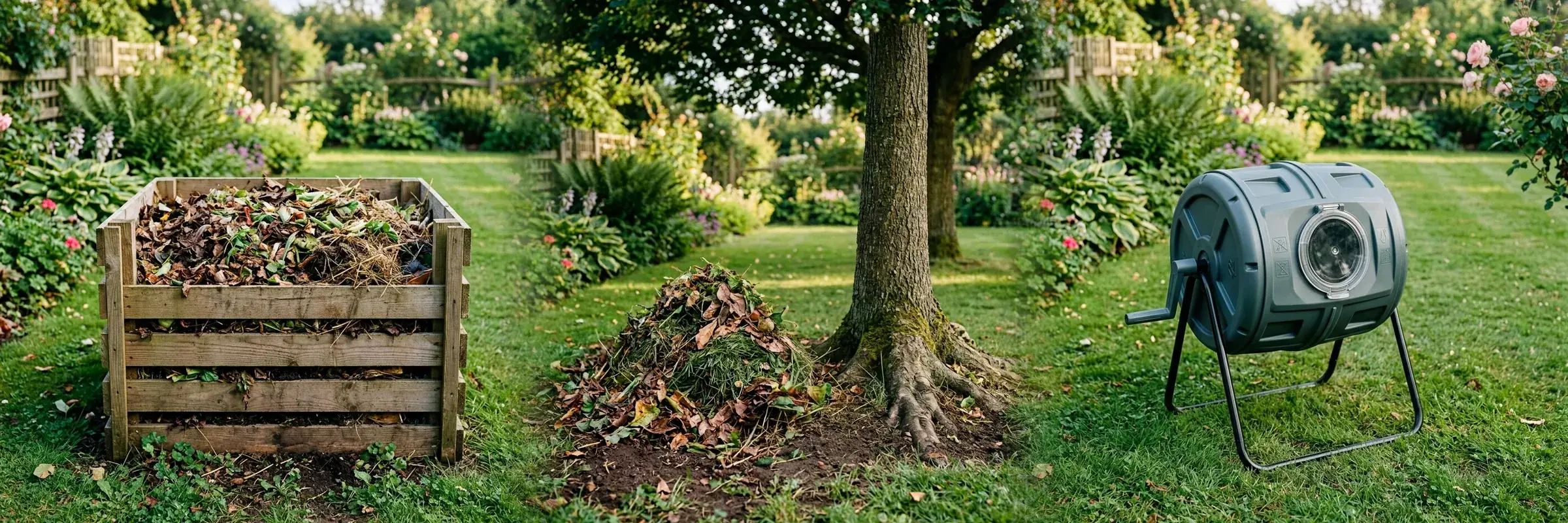
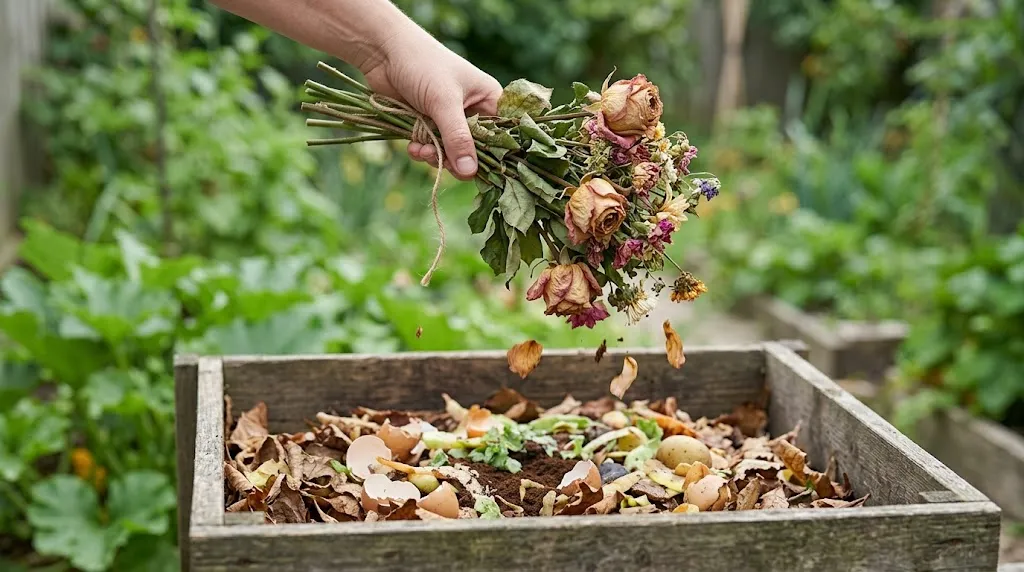
Yes, you can compost fresh or wilted flowers. They break down quickly and add valuable moisture and nitrogen to your compost pile.
Why
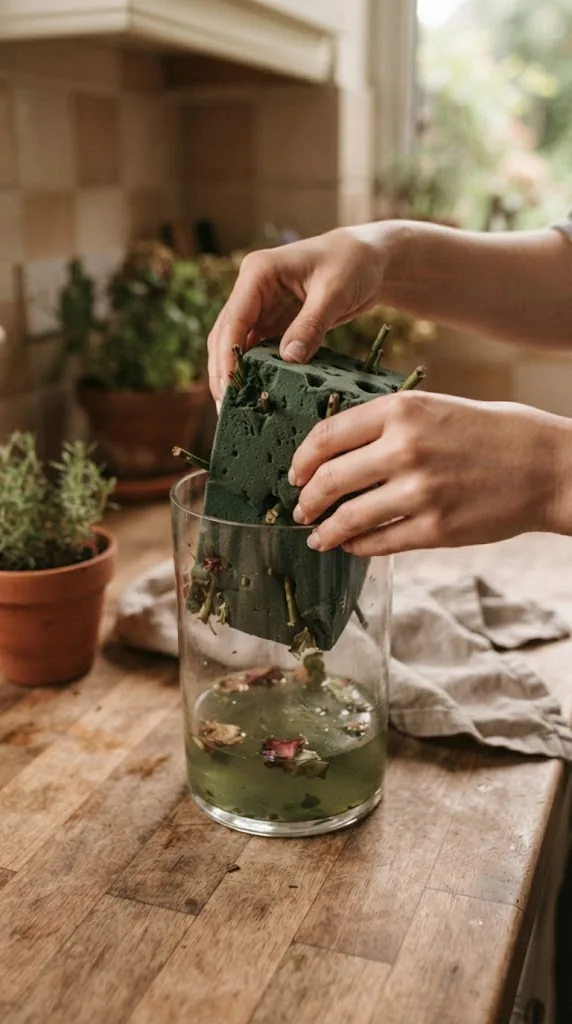
Flowers are an excellent addition to a home compost pile. As soft, green plant matter, they are rich in nitrogen, which helps fuel the microorganisms responsible for breaking down organic material. Whether you are tossing out a bouquet from a special occasion or cleaning out the garden at the end of the season, flowers decompose rapidly, especially if you chop or pull them apart first. Just make sure to remove any non-compostable elements like plastic wrappers, floral foam, or metal wire before adding them to your bin.
Quick facts
| Carbon to nitrogen | About 30:1 |
|---|---|
| Hot pile | 2-4 weeks |
| Cold pile | 2-3 months |
| Worm bin | Yes · Remove stems and chop into small pieces |
| Bokashi | Yes · Acceptable in moderate amounts |
| City green bin | Usually accepted; check local rules |
| Prep | Remove floral foam, wire, and chemical preservatives |
| Mix with | Mix with carbon-rich brown materials |
| Pest risk | Low · Bury fresh flowers within the pile to deter insects |
How to compost flowers
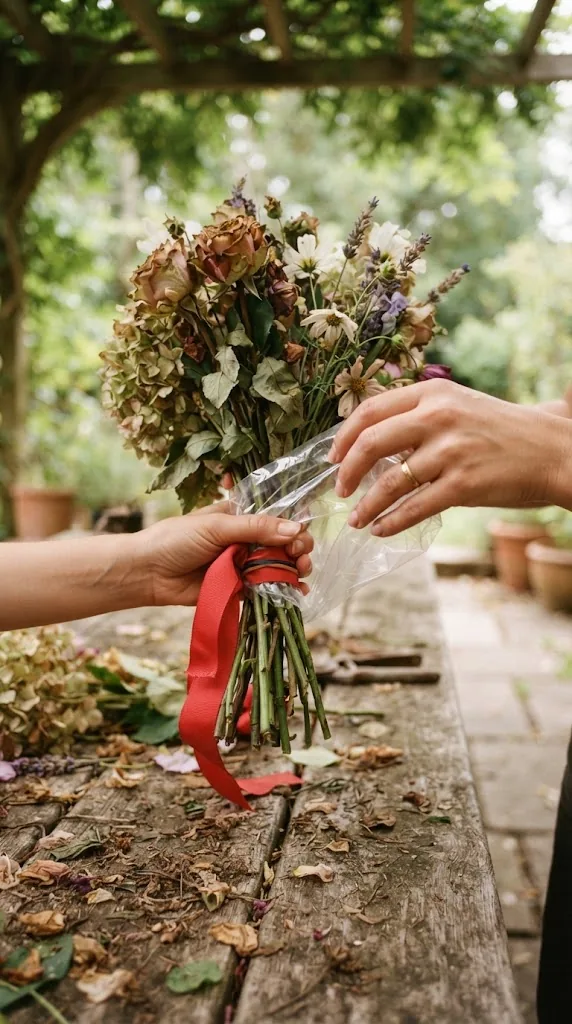
- Remove all non-plant items such as rubber bands, ribbons, plastic wrap, and wire stems.
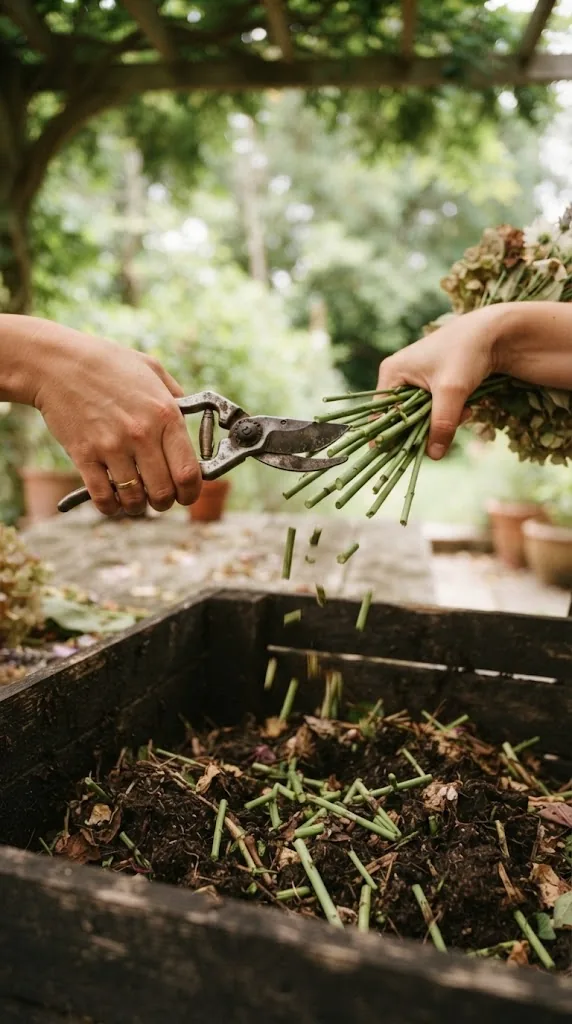
- Chop or cut long stems into smaller pieces to speed up the breakdown process.
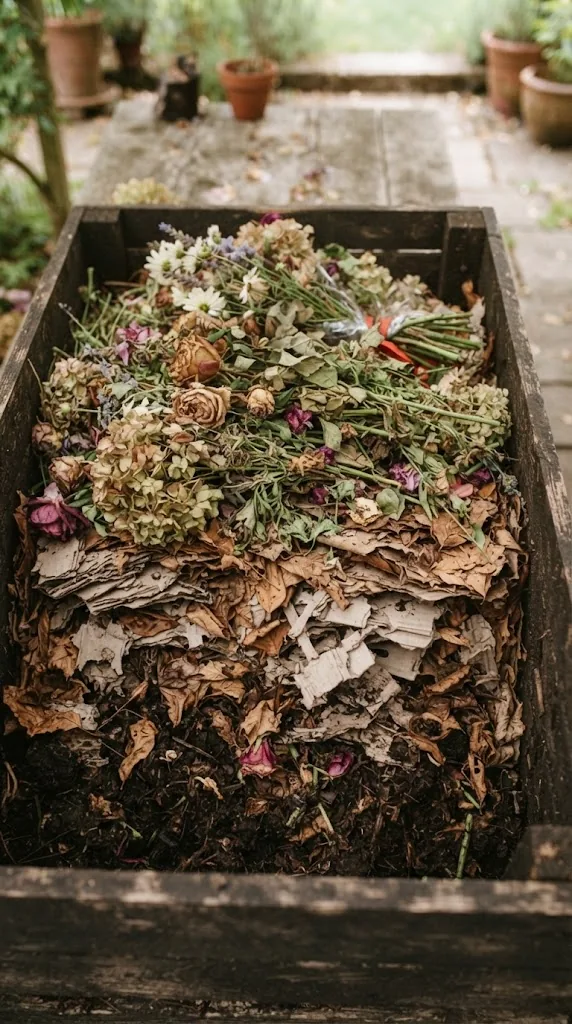
- Layer the flowers into your compost bin, alternating them with brown carbon materials like dry leaves or shredded cardboard.
- Turn your compost pile regularly to aerate it and maintain proper moisture levels.
How much flowers can you add to compost?
Flowers can make up about ten to fifteen percent of your active compost pile at any given time. Because they are a nitrogen-rich green material, always pair each handful of fresh blooms with a generous handful of carbon-heavy browns like dry autumn leaves or shredded cardboard. If your pile begins to smell sour, feels overly soggy, or turns into a dense, slimy sludge near the surface, you have added too many flowers at once without enough dry material.
Which types of flowers can you compost?
- Fresh garden flowers: Yes. These are ideal for composting because they contain high moisture and easily degradable cellular structures that decompose within weeks.
- Florist bouquets with preservatives: Sometimes. Commercial cut flowers often contain synthetic chemical preservatives and systemic pesticides that can disrupt or kill beneficial soil microbes in a home system.
- Plastic-wrapped flowers: No. You must completely strip away all plastic sleeves, cellophane, ribbons, and metal wire stems before adding any floral waste to your bin.
- Dried potpourri flowers: Sometimes. While dry, these act as browns, but you should check for added synthetic fragrance oils and chemical fixatives that resist breakdown.
Watch out for
- Avoid adding flowers treated with systemic pesticides or strong synthetic floral preservatives, as they can harm beneficial compost microbes.
- Remove floral foam entirely, as it is a type of plastic that will never break down.
- Keep diseased flowers out of cold compost piles, as pathogens can survive and reinfect future garden plants.
Other ways to use flowers
- Press or dry flowers to preserve them as keepsakes or for crafts.
- Dry edible flowers like chamomile or rose petals for tea or potpourri.
- Place heavily diseased or pest-infested flowers in the municipal yard waste or trash.
Troubleshooting flowers in compost
- Flowers mat together into a wet, airtight clump. Tear the petals apart and thoroughly mix the blooms with coarse dry carbon materials to restore proper airflow.
- Fuzzy white mold develops rapidly on the surface of the decaying petals. Turn the compost pile immediately and bury the moldy flowers deeper inside the hot core to speed up microbial digestion.
- The pile starts to emit an unpleasant, rotting smell. Add a thick layer of dry wood shavings or brown leaves to absorb excess moisture and neutralize the excess nitrogen.
Myths about composting flowers
- Myth: All store-bought flowers are entirely natural and safe to toss straight into the compost bin. Truth: Many commercial flowers are heavily sprayed with persistent systemic pesticides and fungicides that can transfer into your finished compost and harm garden plants.
- Myth: Floral foam breaks down eventually because it feels lightweight and spongy. Truth: Floral foam is actually made from phenolic plastic resin that never biodegrades and will permanently pollute your soil with microplastics.
Can flowers go in a green bin or recycling?
Most municipal green waste and curbside food scrap collection programs happily accept fresh and wilted flowers along with yard trimmings. However, you must carefully inspect the bunch and remove all non-compostable packaging components such as plastic wrapping paper, rubber bands, wire supports, and especially green floral foam blocks. Because municipal composting rules regarding treated ornamental plants and commercial food waste vary by region, always check your local sanitation guidelines before placing them in the bin.
Does composting flowers attract pests?
Composting flowers does not typically attract pests to your bin. Because flowers are purely plant-based and lack the strong odors of meat or dairy, they do not draw creatures like rodents or raccoons. Furthermore, you can use these soft green materials as an effective cover layer over food scraps and other pungent items. By thoroughly burying smelly kitchen waste beneath a blanket of fresh flowers and brown materials, you successfully help mask odors and keep common pests away from your compost.
- Chop flowers and mix them thoroughly into the pile.
- Cover food scraps entirely with a layer of flowers and brown materials.
- Avoid adding sugary syrups or sweet additives from bouquets.
- Keep your bin properly managed with a balanced carbon-to-nitrogen ratio.
Common questions
Can I compost flowers from a grocery store bouquet?
Yes, but you should be cautious of synthetic pesticides and remove all packaging, ribbons, and floral preservatives first. If you suspect heavy chemical treatments, consider letting them dry out or disposing of them separately.
Are rose thorns a problem in compost?
Rose thorns will eventually break down, but they can remain sharp for a long time and poke you when you turn the pile. It is best to snip them off or chop stems finely to prevent accidental injuries.
Do flowers make compost too wet?
Fresh flowers have a high water content and can make a pile soggy if added in a massive clump. Always balance them out with dry carbon materials like brown leaves or wood shavings.
Are flowers biodegradable?
Yes. Flowers and stems biodegrade in about 2-4 weeks. Floral foam, plastic wrap and ribbons are not biodegradable, so remove them.
Rules vary by town and by composting method. When in doubt, check with your local composting or waste program.