
You can compost most plant-based food scraps, but you should avoid adding meat, dairy, oils, and heavily processed foods to a home compost bin.
Why
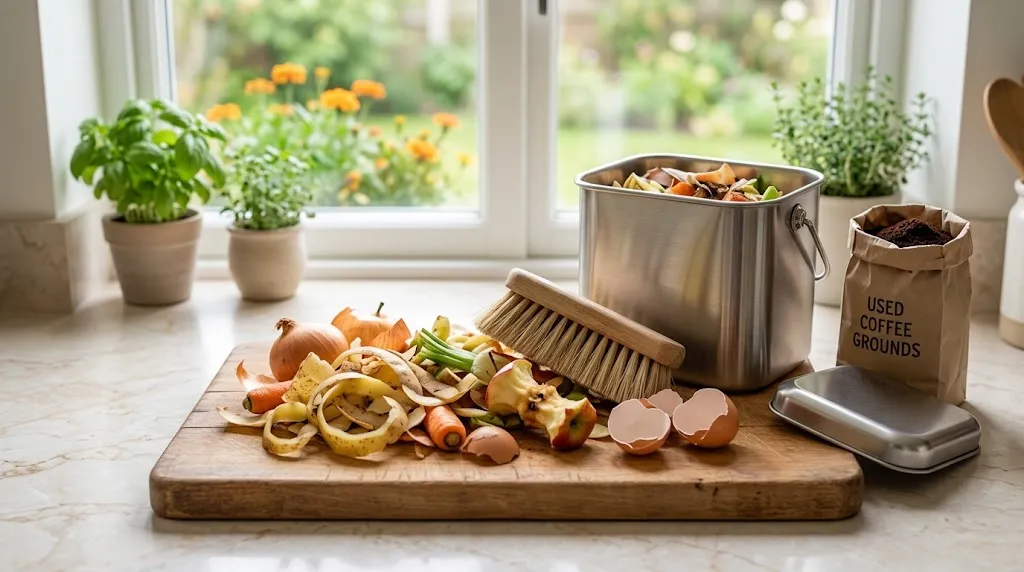
Food scraps are generally divided into greens and browns, or acceptable and unacceptable categories. Fruits, vegetables, coffee grounds, and grain leftovers break down easily and add valuable moisture and nitrogen to your compost pile. However, meat, dairy, bones, and oily foods will rot slowly, emit foul odors, and attract unwanted pests like rodents and flies. While industrial composting facilities can process all types of food waste safely using high temperatures, backyard composters must be much more selective about what they add.
Quick facts
| Carbon to nitrogen | Varies |
|---|---|
| Hot pile | 4-8 weeks |
| Cold pile | 3-6 months |
| Worm bin | Sometimes · Plant scraps only; avoid citrus, onions, and oily foods. |
| Bokashi | Yes · Ferments all food scraps including meat and dairy. |
| City green bin | Usually accepted; check local rules for meat and dairy. |
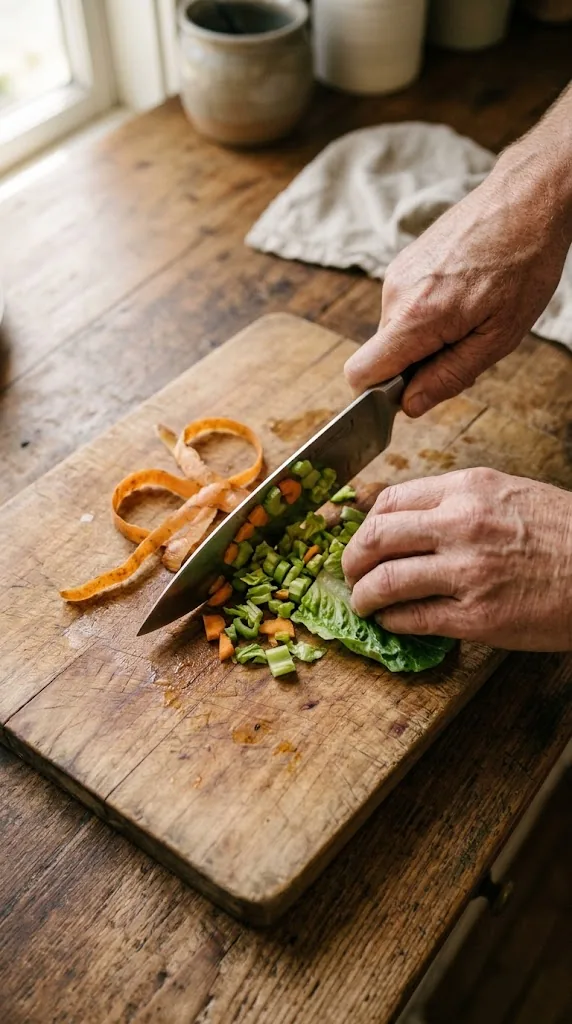
| Prep | Chop scraps into smaller pieces for faster breakdown. |
| Mix with | Mix wet scraps with plenty of dry browns. |
| Pest risk | Medium · Bury scraps inside the pile to avoid attracting flies. |
How to compost food
- Chop large food scraps into smaller pieces to speed up the breakdown process.
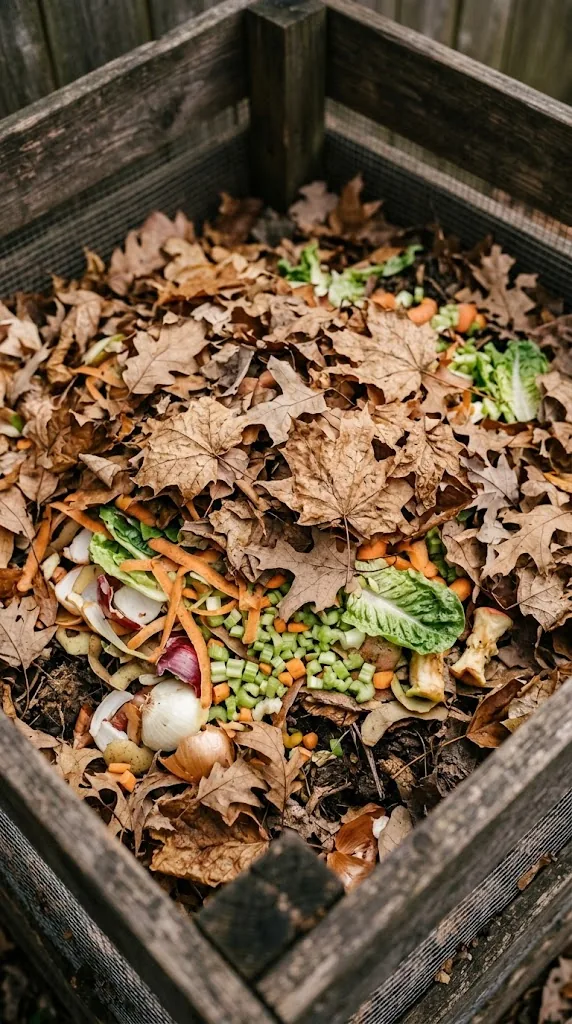
- Balance wet food scraps with a generous layer of dry carbon materials like leaves or cardboard.
- Bury food scraps beneath the surface of the pile to deter pests and reduce odors.
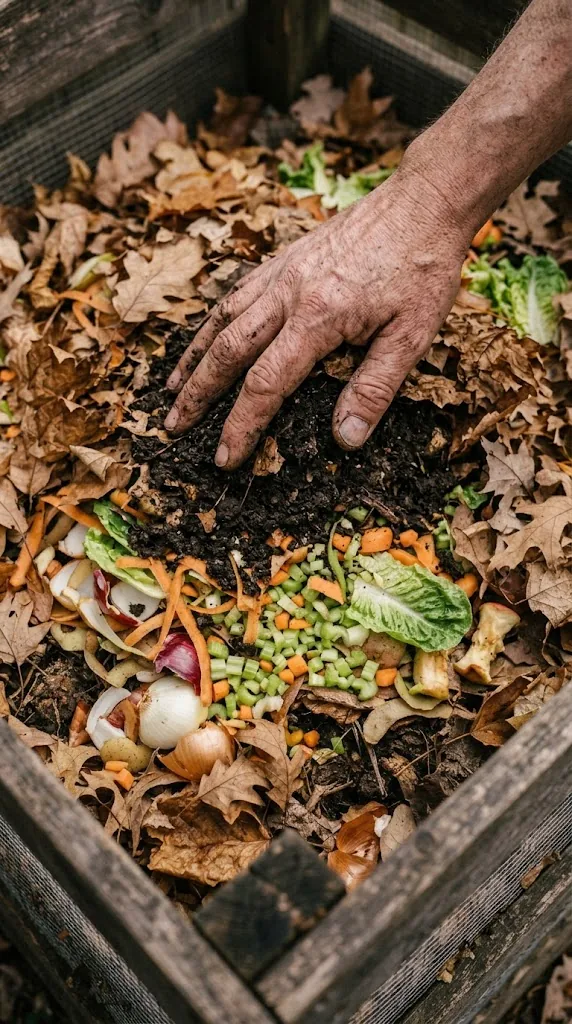
- Turn the compost pile regularly to maintain good airflow and aeration.
Kitchen scrap tips
- Keep a lidded caddy on the counter. Collect the day’s scraps and carry them out to the pile every few days.
- Coffee grounds, eggshells and tea leaves are welcome. Crush eggshells first so they don’t sit in the finished compost for months.
- Plain grains and bread are fine. Rice, pasta, oats and stale bread can go in as long as they aren’t coated in butter, oil or heavy sauces.
- Cover every load with browns. A generous layer of dry leaves or torn cardboard soaks up moisture and hides the smell.
- Fruit flies? Bury deeper. Tuck scraps a few inches under the surface and finish with fresh browns on top.
- Rodents? Check what’s in the bin. Make sure no meat, dairy or greasy food has snuck in, and consider a closed bin with a solid lid and a wire mesh base.
- Know when it’s ready. Finished compost is dark, crumbly and smells like a forest floor, with no recognizable scraps left.
How much food can you add to compost?
Food scraps should generally make up no more than twenty to thirty percent of your active backyard compost pile by volume. For every single bucket of moist kitchen scraps you add, mix in at least two to three parts of dry carbon materials like shredded cardboard or dry autumn leaves. If your pile starts smelling sour, feels excessively soggy, or develops a slimy texture, you have added far too much food waste too quickly.
Which types of food can you compost?
- Citrus peels: Sometimes. Citrus rinds break down safely but take longer than soft fruits due to their thick skins and natural oils. Chop them into smaller pieces and keep their volume low so they do not overly acidicly disrupt the pile.
- Cooked grains: Sometimes. Plain cooked rice, pasta, and oats add good moisture and nitrogen to your bin. Ensure they are completely unseasoned and free of oils, butter, or heavy sauces before tossing them in.
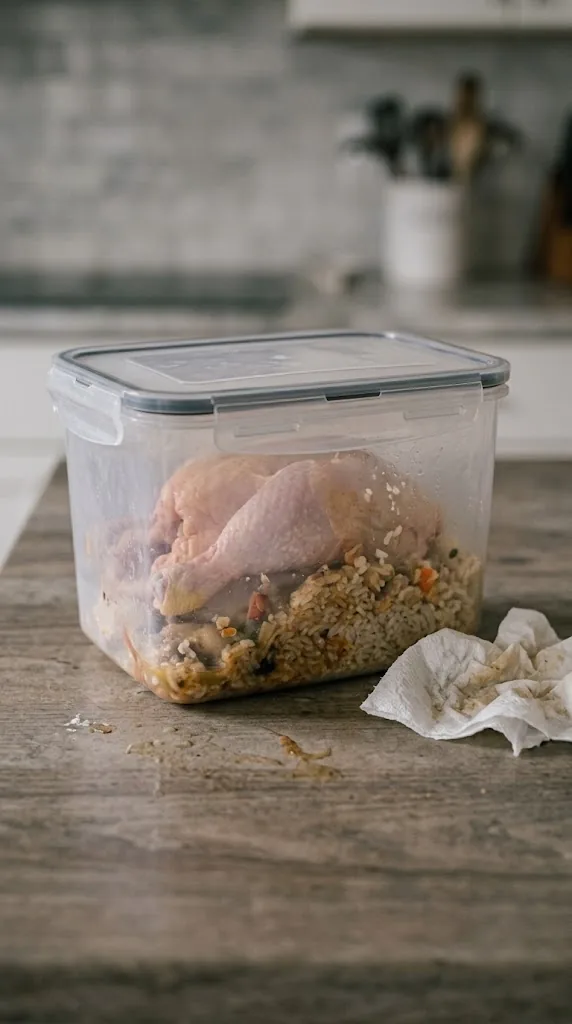
- Meat and dairy scraps: No. Animal proteins and dairy products decompose anaerobically in home bins, creating horrific foul odors. They also readily attract neighborhood rodents and carnivores to your backyard.
Watch out for
- Keep meat, dairy, grease, and pet waste out of backyard piles to prevent pest infestations.
- Avoid adding diseased garden plants or weeds treated with persistent herbicides.
- Watch out for excess moisture, which can cause anaerobic conditions and foul odors.
What to do instead
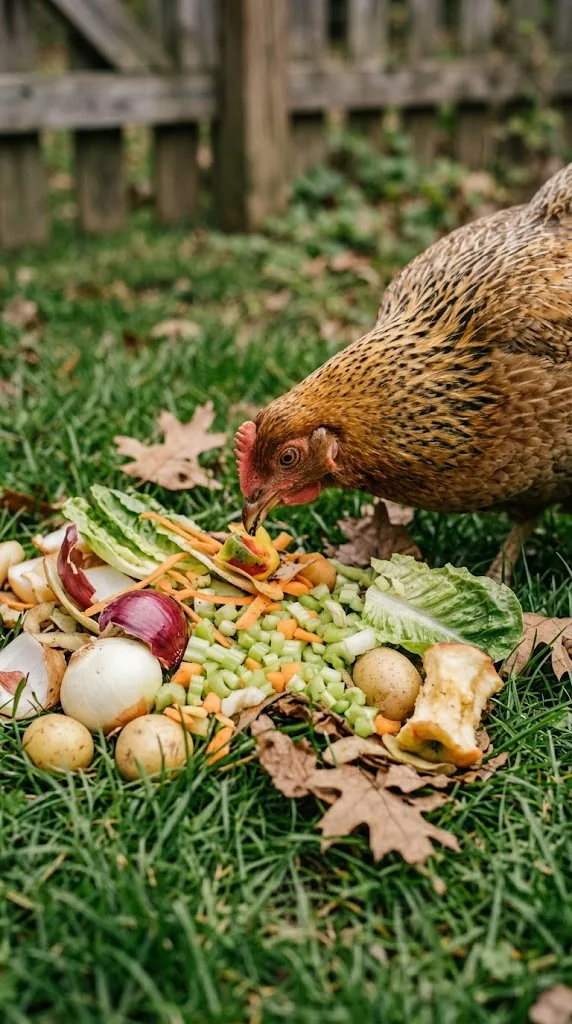
- Feed safe fruit and vegetable scraps to backyard chickens or pet pigs.
- Use a local municipal food scrap collection program if available.
- Throw meat and oily leftovers in the household trash.
Troubleshooting food in compost
- Fruit flies swarming around the countertop scrap container. Empty your indoor kitchen caddy into the outdoor pile daily and use a tightly fitted lid with a charcoal filter to block insects.
- Food scraps forming a dense, slimy mat that stops airflow. Thoroughly mix the wet scraps with coarse brown materials like dry twigs or shredded paper, then turn the entire pile with a pitchfork.
- Whole vegetables or seeds sprouting inside the compost heap. Chop whole produce into smaller pieces before adding them, and bury the scraps deeper into the hot center of the pile to destroy viability.
Myths about composting food
- Myth: All organic food waste breaks down safely in a standard backyard compost bin. Truth: Backyard piles rarely reach the sustained high temperatures needed to safely break down certain items like oils, bones, pet waste, or diseased plants.
- Myth: You can just dump food scraps directly on top of the pile without covering them. Truth: Leaving food exposed on the surface guarantees pest visits and foul odors; you must always bury scraps under a generous layer of dry browns.
Can food go in a green bin or recycling?
Municipal green waste collection programs and curbside food-waste recycling bins typically accept almost all types of food scraps, including cooked meals, meat, bones, and dairy, which home piles must avoid. You should remove any plastic produce stickers, rubber bands, or synthetic packaging materials before tossing your scraps into the municipal bin. Because local municipal composting facilities vary widely in their processing capabilities and regional regulations, always check your local waste management guidelines to confirm what is allowed.
Does composting food attract pests?
Composting certain types of food scraps, particularly meat, dairy, oily foods, and exposed produce, can definitely attract unwanted pests to your backyard bin. Rodents like rats and mice, as well as raccoons, flies, and fruit flies, are easily drawn to the strong odors and high nutritional value of decaying food waste. If these items are left uncovered on top of the pile, they provide an immediate, accessible feast that will quickly invite unwanted wildlife and insects into your compost area.
- Bury food scraps deep beneath the surface of the compost pile to hide odors.
- Cover all fresh kitchen waste with a thick layer of dry carbon materials like leaves or cardboard.
- Avoid adding meat, dairy, bones, and oily foods to a backyard compost bin.
- Use a secure, lidded compost bin or tumbler to physically block pests from accessing the scraps.
Common questions
Can I compost cooked food?
You can compost cooked vegetables and plain grains, but you should avoid cooked meats, oily dishes, and heavily seasoned foods because they attract pests and disrupt the pile's balance.
Why is my food scrap pile smelling bad?
A smelly food scrap pile usually means it is too wet and lacks enough oxygen or carbon materials. Mix in dry brown materials like shredded paper or autumn leaves and turn the pile to improve airflow.
Can I compost citrus peels?
Yes, you can compost citrus peels like lemon and orange, but cut them into smaller pieces first. They break down slowly and can be acidic, so add them in moderation to a large, active pile.
Is food biodegradable?
Almost all food is biodegradable. Fruit and vegetable scraps break down fastest. Meat, dairy, bones and oily foods also biodegrade but cause pest and odor problems in home bins.
Rules vary by town and by composting method. When in doubt, check with your local composting or waste program.