
You can compost a deceased pet goldfish, but only if you bury it deep in a hot compost pile or bury it directly in the garden.
Why
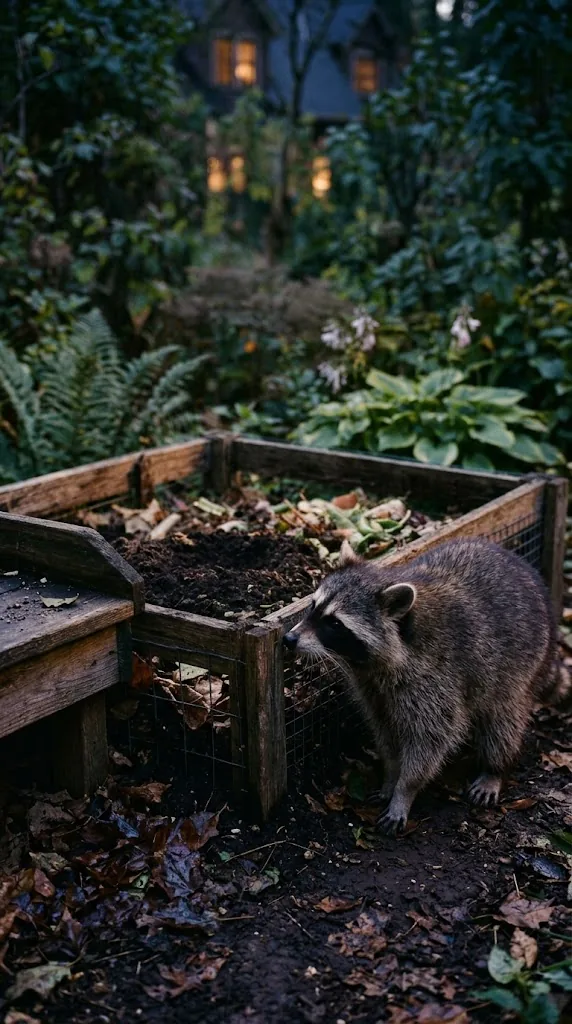
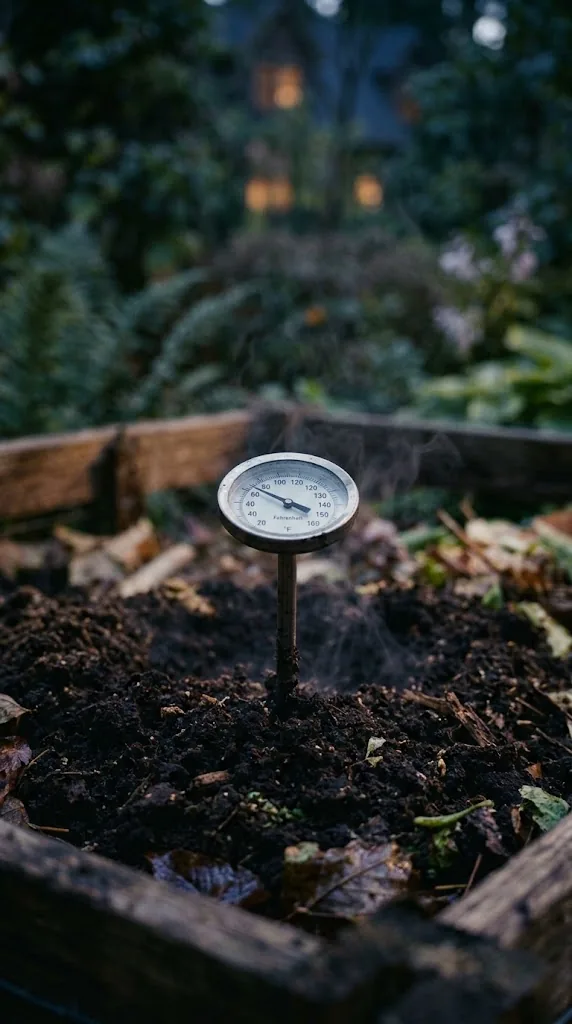
Composting an entire small animal like a goldfish is technically possible because it is a natural organic material rich in nitrogen and moisture that will break down completely. However, putting animal carcasses into a standard backyard bin can attract scavengers like rats, raccoons, and neighborhood cats. If you decide to add a goldfish to your compost, it must be buried deep in the center of an active, hot compost pile to manage odors and deter pests, or buried directly into the soil away from edible plant roots.
Quick facts
| Carbon to nitrogen | About 5:1 |
|---|---|
| Hot pile | 2-4 weeks |
| Cold pile | 3-6 months |
| Worm bin | Sometimes · Only small amounts of unmedicated fish. |
| Bokashi | Yes · All animal matter ferments well in bokashi. |
| City green bin | Check local rules regarding animal carcasses. |
| Prep | Bury deep in the pile to prevent odors. |
| Mix with | Mix with high-carbon browns like dry leaves. |
| Pest risk | High · Bury deeply to deter scavenging animals. |
How to compost goldfish
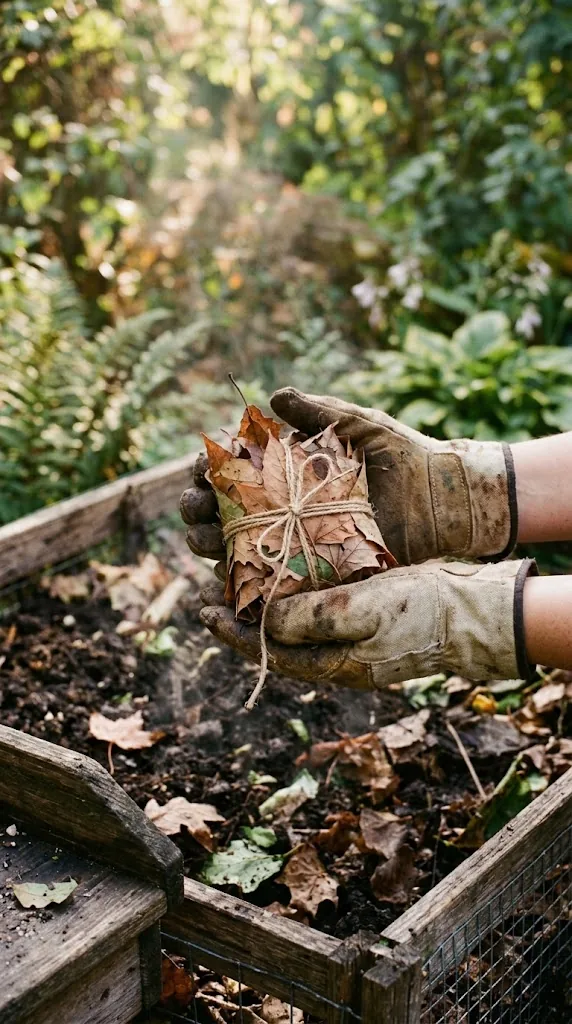
- Wrap the goldfish in brown leaves or carbon material to balance the nitrogen.
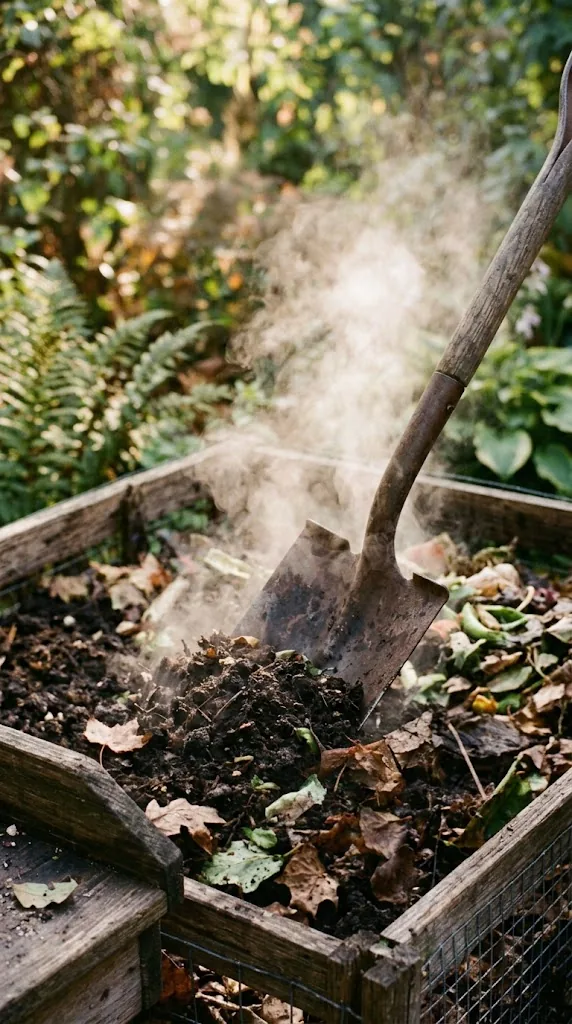
- Dig a hole deep in the very center of your active compost pile.
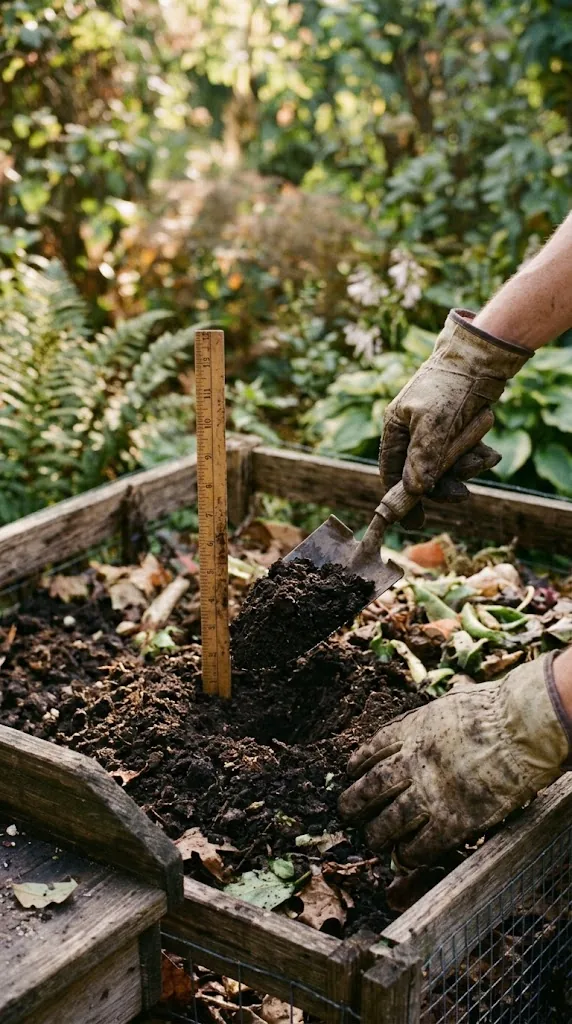
- Place the fish in the hole and cover it completely with at least 12 inches of compost.
- Monitor the pile for signs of digging by local animals.
How much goldfish can you add to compost?
You should only add one small goldfish at a time to your compost pile to avoid overwhelming the system. Because a fish is a concentrated nitrogen source, it must be balanced with a large volume of carbon-rich materials like dry leaves, straw, or shredded cardboard. If you notice a persistent, foul ammonia-like odor or see an increase in fly activity, you have likely added too much organic matter or failed to bury it deeply enough to contain the smell.
Which types of goldfish can you compost?
- Small goldfish: Sometimes. These are small enough to break down in a hot pile if buried deep in the center.
- Large koi or ornamental fish: No. Larger fish contain too much mass and will likely rot and attract pests before they can decompose.
- Medicated fish: No. Fish treated with antibiotics or heavy chemical water conditioners should not be composted as these chemicals can harm beneficial soil microbes.
Watch out for
- Do not place the goldfish on top of the pile where it will attract pests.
- Avoid composting fish that have been treated with heavy chemical medications.
- Ensure your pile is hot enough to break down soft tissues quickly.
What to do instead
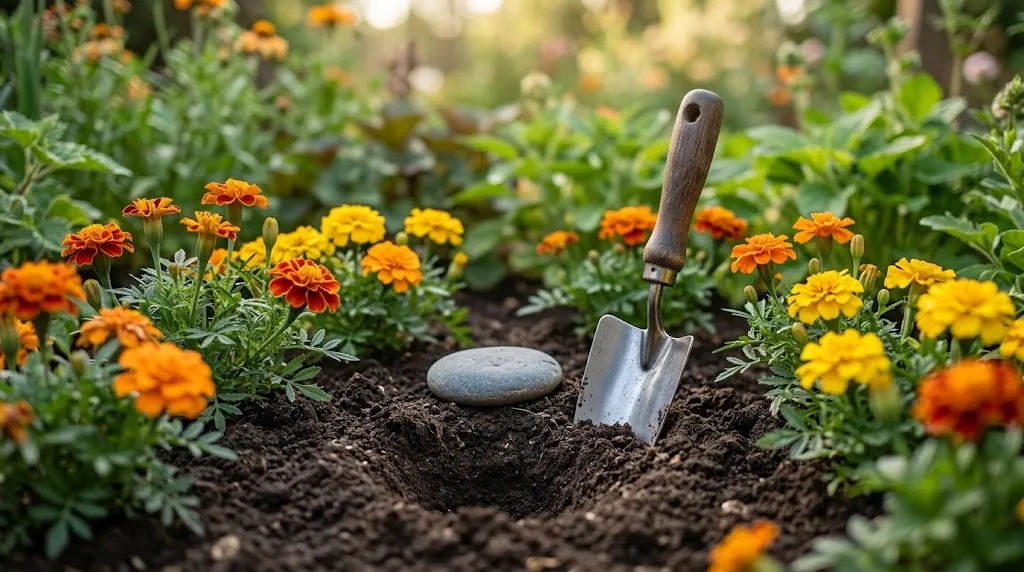
- Bury the goldfish directly in your flower garden.
- Place the fish in a secure outdoor trash bin.
- Check local regulations regarding small pet burials.
Troubleshooting goldfish in compost
- Strong, lingering foul odor Add more dry carbon materials like wood chips or leaves over the burial site to absorb moisture and mask the scent.
- Pests digging into the pile Place a heavy wire mesh or hardware cloth over the top of your compost bin to physically prevent animals from reaching the buried fish.
- Slow decomposition of bones Small fish bones will eventually break down, but you can crush them beforehand to speed up the process if the pile is not hot enough.
Myths about composting goldfish
- Myth: Composting a fish will make my vegetables taste like fish. Truth: The nutrients from the fish are broken down into basic elements by microorganisms and will not affect the flavor of your garden produce.
- Myth: The fish will provide enough nutrients to fertilize my entire garden. Truth: While a fish adds nitrogen and minerals, it is a very small amount of fertilizer that serves as a minor supplement rather than a complete soil amendment.
Can goldfish go in a green bin or recycling?
Most municipal green waste or curbside food-scrap programs strictly prohibit animal carcasses, including pet fish. These facilities are designed for plant-based waste and often lack the high-temperature processing required to safely handle animal remains. Always check your local waste management website before placing a pet in a green bin. If your municipality does not explicitly allow it, the safest and most sanitary disposal method is to place the fish in your regular household trash bin.
Does composting goldfish attract pests?
Composting an entire goldfish can indeed attract unwanted scavengers to your backyard bin. Because animal carcasses emit strong odors as they begin to decompose, the fish will easily draw local pests such as rats, raccoons, and neighborhood cats. To prevent these animals from invading your compost, you must manage the decomposition process carefully and never leave the fish exposed on the surface.
- Wrap the goldfish in brown leaves or carbon material to balance nitrogen.
- Dig a hole deep in the very center of your active compost pile.
- Cover the fish completely with at least twelve inches of finished compost.
- Monitor the pile regularly for any signs of digging by local animals.
Common questions
Will a goldfish attract pests to my compost?
Yes, the strong smell of decomposing fish can easily attract rodents, raccoons, and flies if it is not buried deep enough inside a hot pile.
Can I compost a goldfish in a worm bin?
No, you should avoid putting whole fish or meat into worm bins because they cause severe odors and attract fruit flies or pests.
Does burying a goldfish harm garden plants?
No, as the fish breaks down, it actually releases beneficial nutrients like nitrogen and phosphorus into the surrounding soil.
Are goldfish biodegradable?
Yes. A goldfish is soft tissue and breaks down within weeks when buried in an active pile. The concern is scavengers digging for it, not whether it decomposes.
Rules vary by town and by composting method. When in doubt, check with your local composting or waste program.