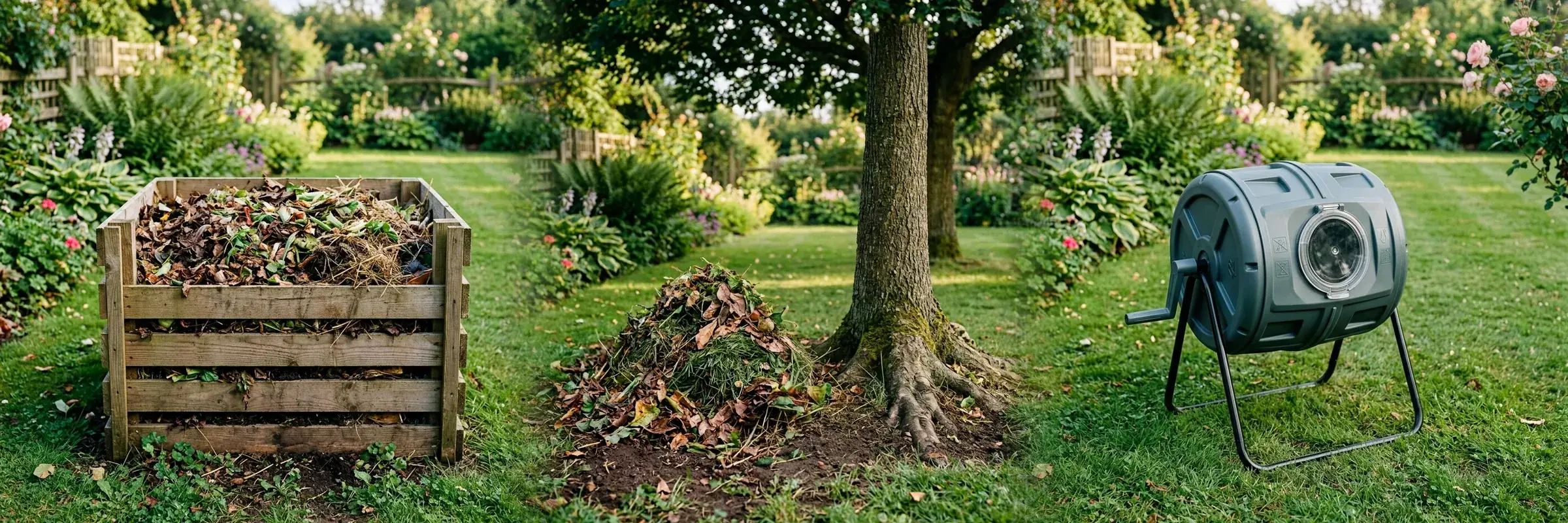
Yes, grass clippings are fantastic for your compost pile. They break down very quickly and provide a rich source of nitrogen.
The weed killer that survives the compost pile
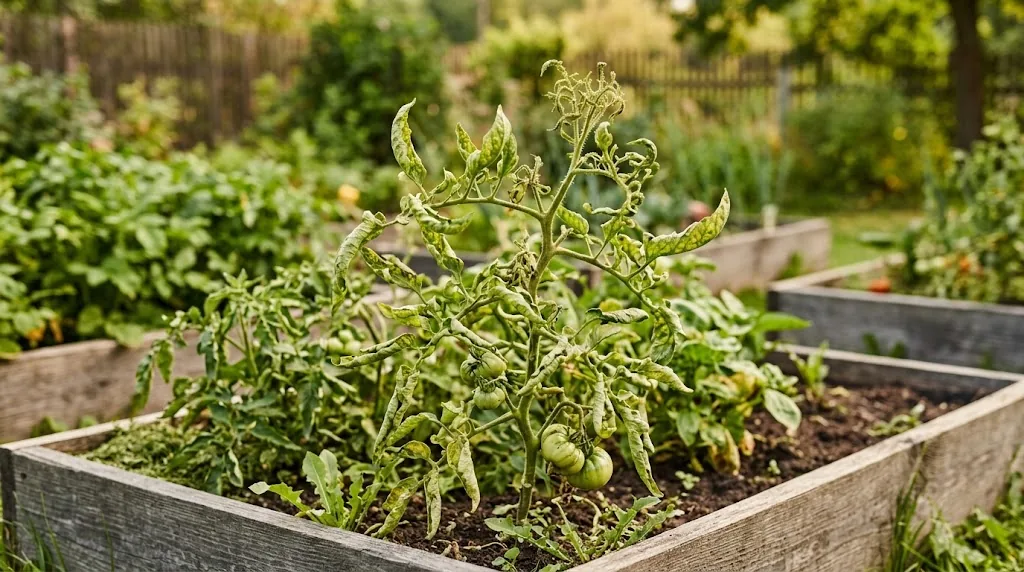
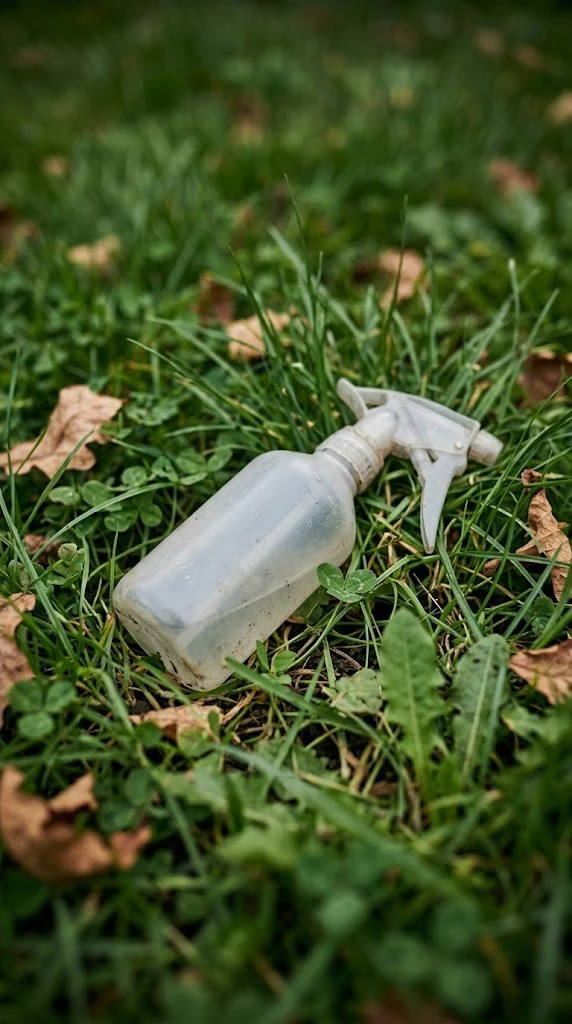
Many lawn chemicals fade quickly, but persistent herbicides such as clopyralid and aminopyralid break down very slowly, even in the heat of a compost pile, so they can stay active in finished compost that looks perfect. They are used mostly on pastures, golf courses and commercial turf, so clippings and hay from those places are the biggest risk. Oregon DEQ reports that clopyralid can harm sensitive plants at about two parts per billion. The usual sign is curled, cupped, twisted leaves on tomatoes, potatoes, peppers, beans, peas, lettuce and sunflowers.
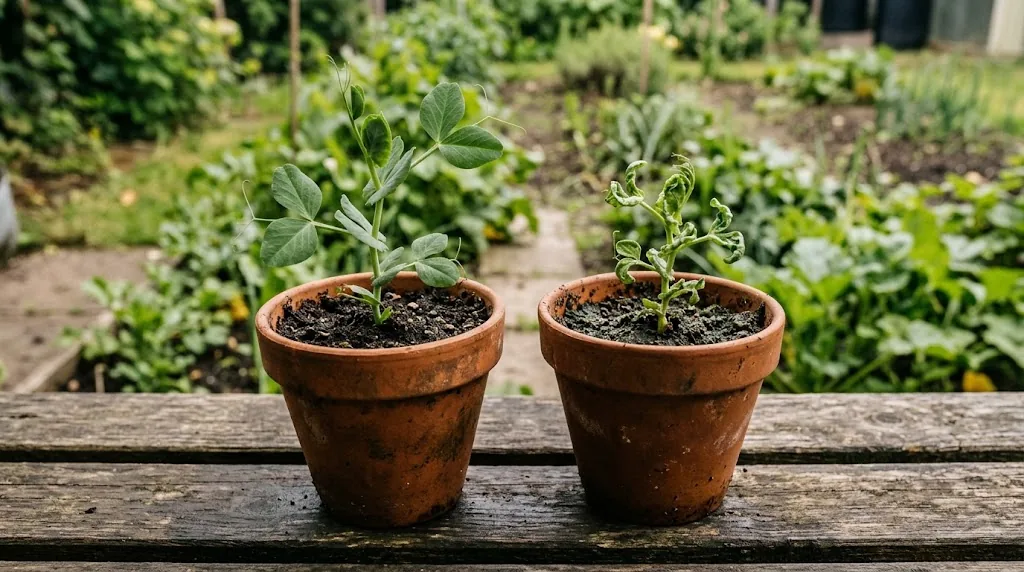
For everyday lawn weed killers, extension experts often suggest skipping the clippings from the first three mowings after a treatment, but the product label comes first. If you are unsure about a batch of compost, try a simple test: fill a few pots with a mix of compost and potting soil and a few with potting soil alone, plant three pea or bean seeds in each, and wait two to three weeks. If the compost plants have cupped, twisted leaves while the others look healthy, keep that compost away from your vegetables and give it much more time.
Quick facts
| Carbon to nitrogen | About 20:1 |
|---|---|
| Hot pile | 1-2 weeks |
| Cold pile | 1-3 months |
| Worm bin | Sometimes · Add in thin layers to avoid overheating. |
| Bokashi | Yes · Great nitrogen source for fermentation. |
| City green bin | Widely accepted for municipal yard waste. |
| Prep | Dry out and mix with browns to prevent matting. |
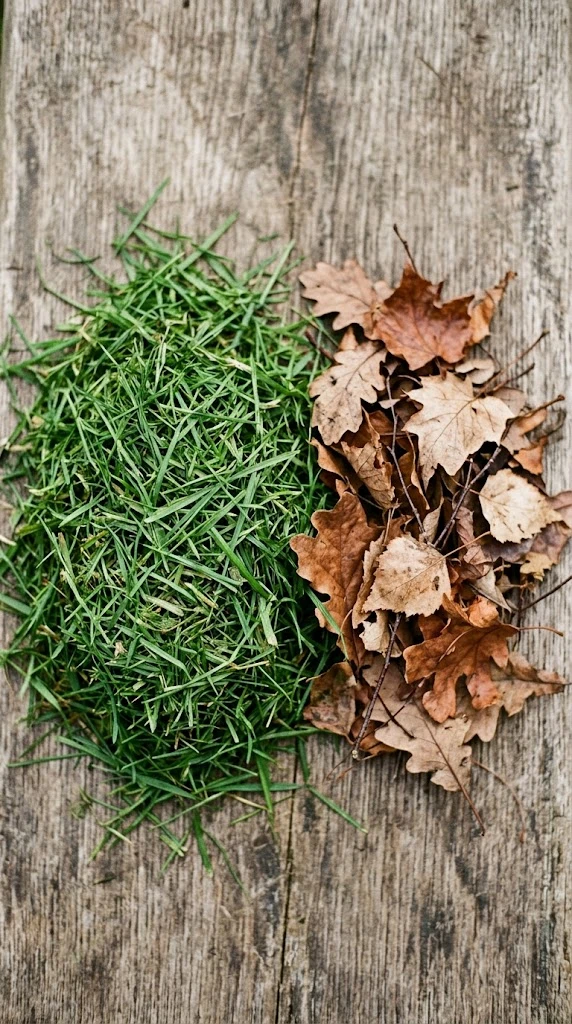
| Mix with | Mix with 2-3 parts dry leaves or straw. |
| Pest risk | Low · Thick piles can smell and attract flies if allowed to mat. |
Why
Grass clippings are considered a green material because they contain high amounts of nitrogen and moisture. When added to a compost pile, they kickstart microbial activity and accelerate the decomposition process. However, because they are wet and fine, they tend to compact easily and form a soggy, anaerobic mat if added in a thick layer. To prevent unpleasant odors and slow rotting, you should always mix fresh grass clippings thoroughly with dry, bulky carbon materials like shredded leaves or straw.
How to compost grass clippings
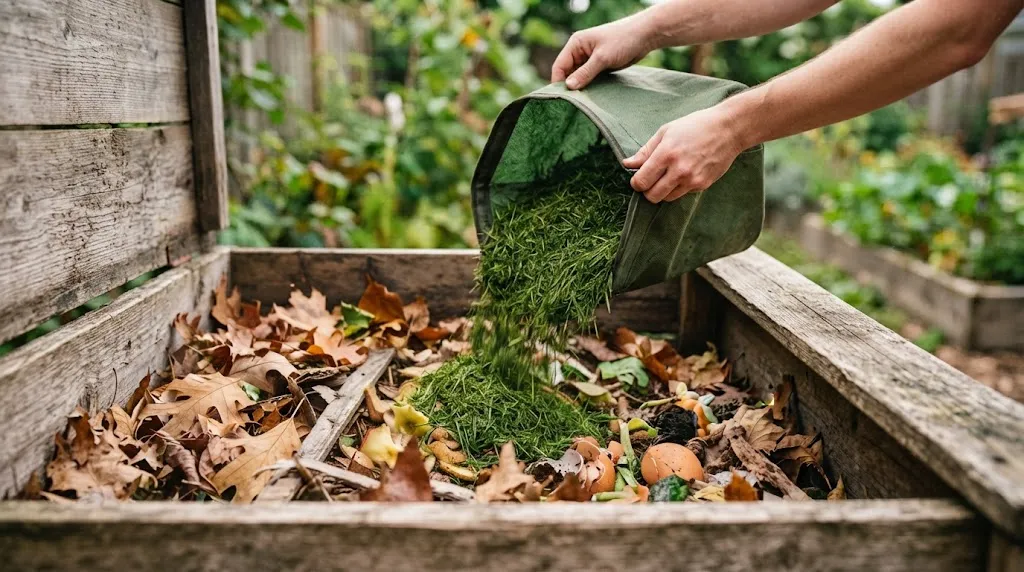
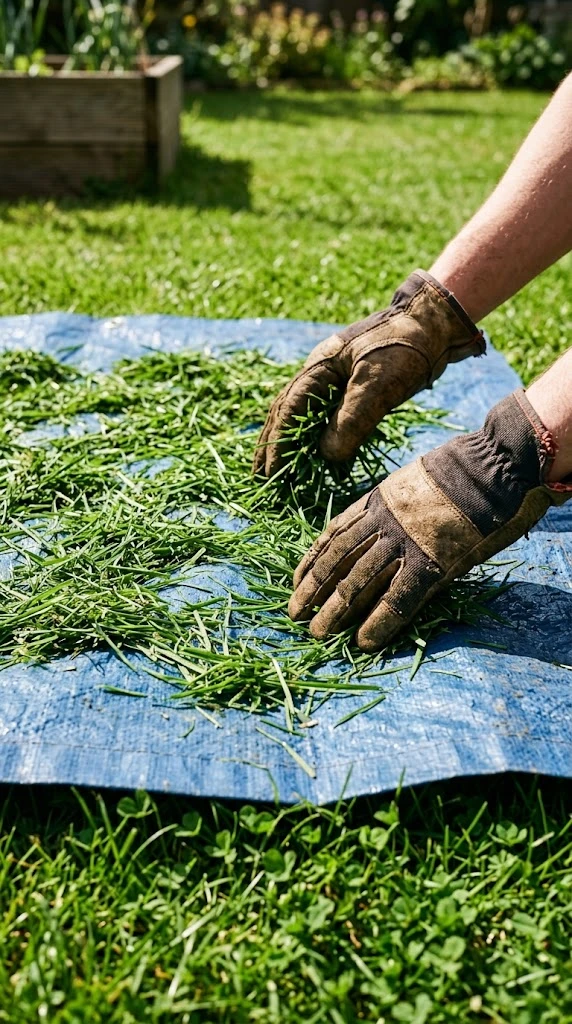
- Spread fresh grass clippings out to dry for a day or two before adding them to the bin.
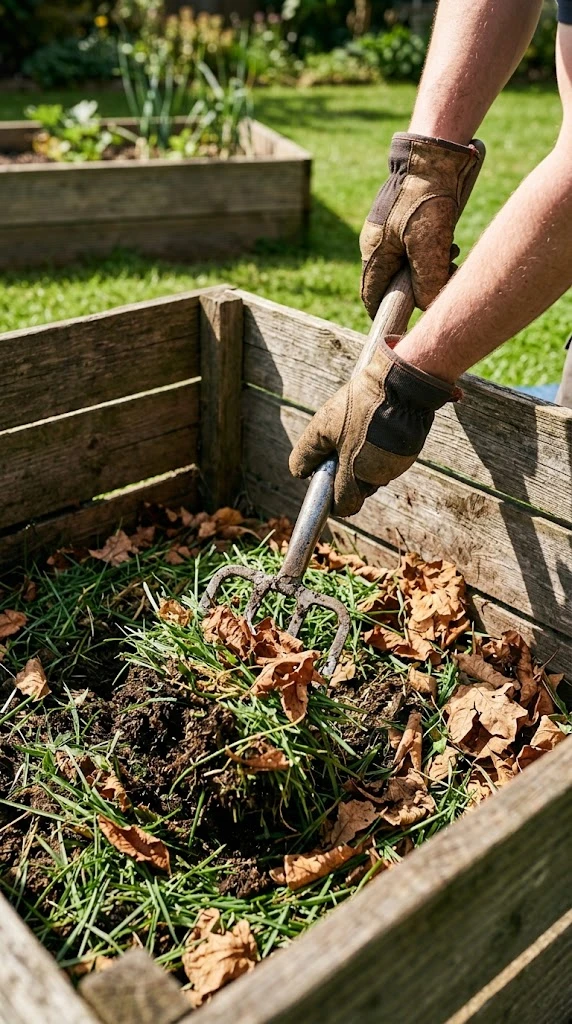
- Mix the clippings thoroughly into your compost pile to ensure good airflow.
- Alternate layers of grass clippings with dry brown materials like leaves or cardboard.
- Turn the pile regularly to keep the material aerated and prevent a soggy clump from forming.
How much grass clippings can you add to compost?
Grass clippings should make up no more than twenty to thirty percent of your total compost volume at any given time. Because they are dense and nitrogen rich, add them in thin layers of two to three inches mixed deeply with an equal part of dry browns like shredded leaves or straw. If your pile begins to smell like ammonia or feels slimy and wet, you have added too much grass too quickly.
Which types of grass clippings can you compost?
- Freshly mowed lawn grass: Yes. High in moisture and nitrogen, these break down rapidly but require careful mixing with browns to prevent matting.
- Herbicide-treated grass: No. Persistent chemical weed killers can survive the composting process and severely damage or kill your garden vegetables.
- Grass with mature weed seeds: Sometimes. Safe in a properly managed hot compost pile that reaches high temperatures, but avoid using in cold, slow bins.
- Dried hay and straw: Yes. While technically dried grass stems, these act as brown carbon materials rather than greens and provide great structural bulk.
Watch out for
- Avoid adding grass treated with persistent herbicides, as these chemicals can survive composting and kill garden plants.
- Do not dump a massive, thick pile of fresh grass at once, or it will turn into a slimy, stinky mess.
- Keep grass containing mature weed seeds out of a cold compost bin to prevent spreading weeds.
Other ways to use grass clippings
- Leave clippings directly on the lawn to naturally return nutrients to the soil
- Use dried grass clippings as a protective mulch around garden beds
- Bag and place in municipal green waste recycling bins
Troubleshooting grass clippings in compost
- The pile develops a strong, unpleasant ammonia smell. This indicates too much nitrogen from fresh grass. Turn the pile immediately and mix in a generous amount of dry carbon materials like shredded cardboard or autumn leaves.
- Grass forms a dense, soggy, smelly mat inside the bin. Break up the clump with a pitchfork and thoroughly incorporate dry, bulky browns to restore proper airflow and moisture balance.
- The decomposition process stalls and nothing happens. The grass was likely added in a thick layer without enough oxygen. Fluff the material and ensure you are alternating thin green layers with brown layers.
Myths about composting grass clippings
- Myth: Grass clippings can be dumped into a deep, thick pile all by themselves. Truth: Pure grass stacks quickly become anaerobic, slimy, and foul-smelling. They must always be blended with dry, carbon-rich matter.
- Myth: All lawn chemicals disappear immediately during composting. Truth: Certain persistent herbicides remain chemically active even after months of decomposition and will ruin your garden soil.
Can grass clippings go in a green bin or recycling?
Most municipal green waste recycling programs readily accept grass clippings, either in curbside bins or at local drop-off facilities. Before tossing them into your green bin, ensure you have removed any plastic bags, garden toys, or landscape debris. Because local composting facilities vary in their ability to process persistent herbicides or weed seeds, always check your specific municipal waste guidelines before hauling away large quantities of yard waste.
Does composting grass clippings attract pests?
Composting grass clippings does not typically attract pests. Because grass clippings are a green material rather than a food scrap, they do not emit the strong odors that usually draw animals like rodents or raccoons. In fact, adding a layer of grass clippings to your compost pile can actually help deter pests. By using grass clippings to thoroughly cover fresh food scraps and other smelly materials, you hide appealing scents and create a physical barrier that keeps flies and other unwanted critters away from your bin.
- Mix grass clippings thoroughly into the pile rather than leaving them exposed on top.
- Use fresh clippings as a blanket layer over food scraps to mask odors.
- Alternate layers of grass with dry brown materials to maintain proper aeration.
Common questions
Can I put wet grass clippings straight into the compost bin?
You can, but it is best to let them dry out slightly or mix them immediately with plenty of dry browns. Wet grass easily packs down and cuts off oxygen, leading to foul odors.
Will grass clippings make my compost pile too hot?
Grass clippings generate a lot of heat due to rapid nitrogen breakdown, which is great for hot composting. As long as you maintain a proper carbon-to-nitrogen balance, the heat will not harm the process.
Can I compost grass treated with weed killer?
It is risky. Some modern lawn herbicides can survive the composting process and severely damage or kill plants when the finished compost is applied to a garden.
Are grass clippings biodegradable?
Yes. Grass clippings biodegrade very fast, in about 2-4 weeks in a hot pile. Thin layers or mixing with browns stops them from going slimy.
Rules vary by town and by composting method. When in doubt, check with your local composting or waste program.