
No, you cannot compost chewing gum because it is made of synthetic rubber and plastic polymers that do not naturally degrade.
Why
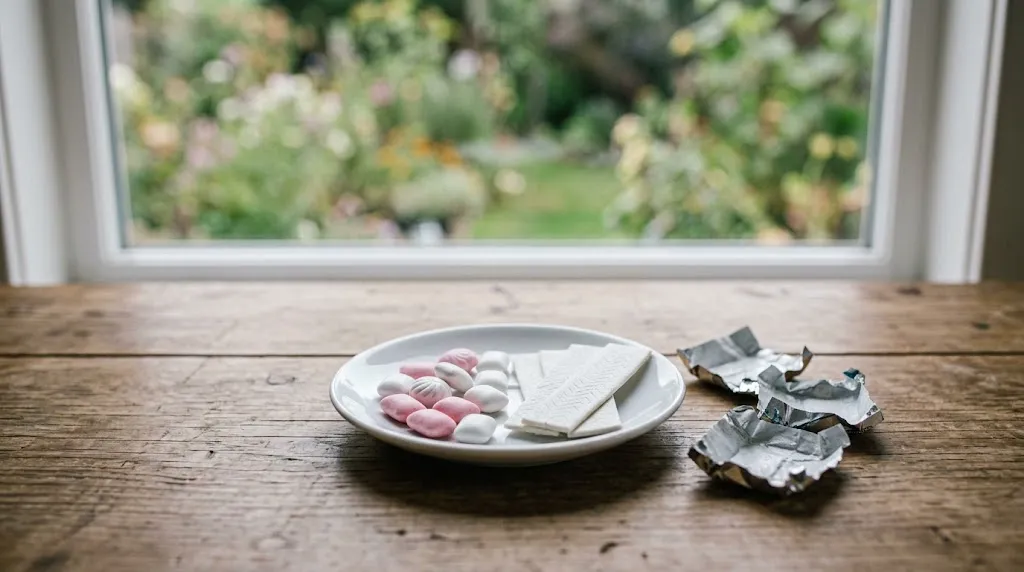
Traditional chewing gum is manufactured using synthetic rubber, elastomers, and plastics like polyvinyl acetate, which are designed to be durable and elastic rather than biodegradable. Because these materials do not break down in a standard home compost pile or even in most industrial facilities, they will remain intact indefinitely. Even natural gums made from chicle can take years to degrade and may contain synthetic additives, making them unsuitable for regular backyard composting systems.
Quick facts
| Carbon to nitrogen | Not applicable |
|---|---|
| Hot pile | Does not break down |
| Cold pile | Does not break down |
| Worm bin | No · Synthetic rubber harms earthworms. |
| Bokashi | No · Fermentation does not break down synthetic polymers. |
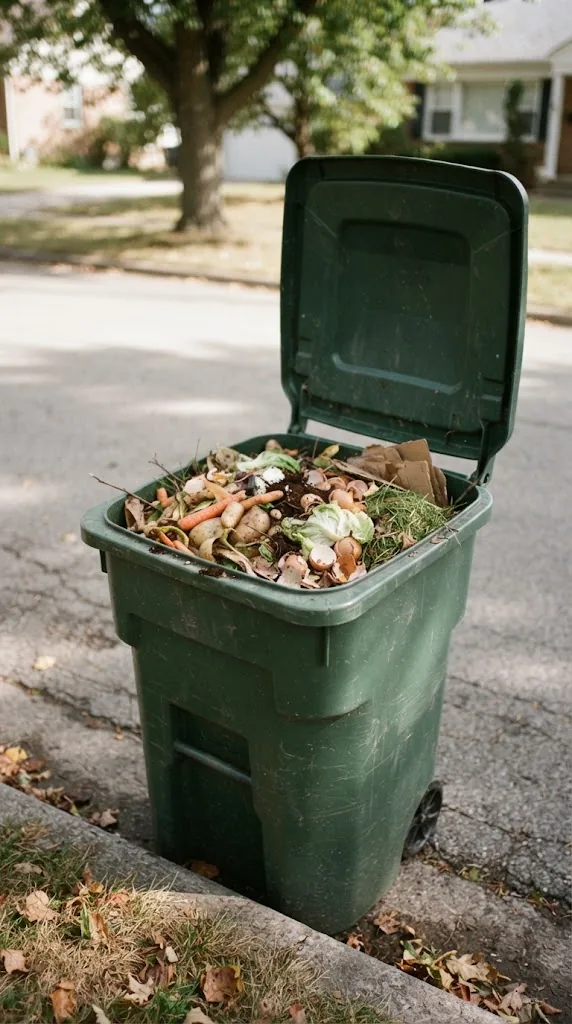
| City green bin | Not accepted in municipal composting programs. |
| Prep | Not applicable |
| Mix with | Not applicable |
| Pest risk | Not applicable · Not applicable |
How to get rid of gum
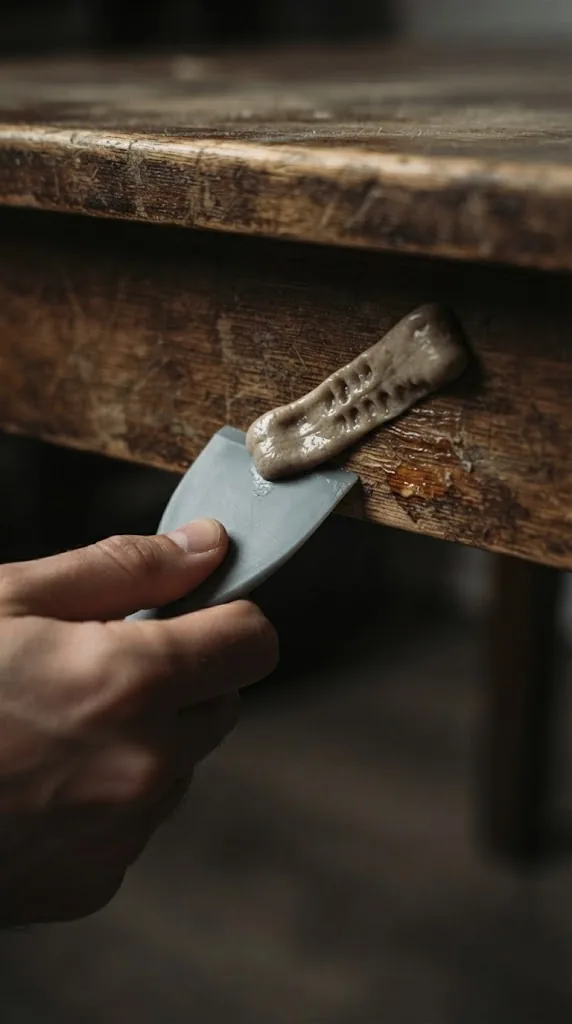
- Scrape or peel the gum off of any surfaces cleanly.
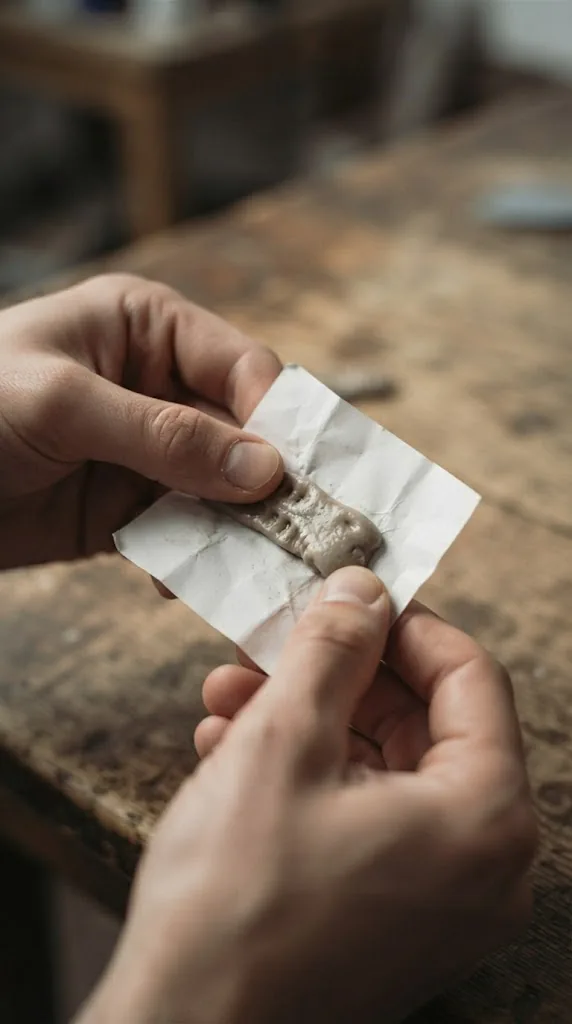
- Wrap the piece of gum securely in a small piece of waste paper or tissue.
- Place the wrapped gum directly into your household trash bin.
- Ensure it is tightly contained so it does not stick to other items or attract pests.
Which types of gum can you compost?
- Traditional synthetic chewing gum: No. Made from petroleum-based plastics, rubber, and waxes that never break down in compost systems and act as persistent litter.
- Sugar-free bubble gum: No. Contains the same synthetic polymer gum base as regular gum along with artificial sweeteners that offer no nutritional value to microbes.
- Natural chicle gum: Sometimes. While theoretically biodegradable over a long period, standard home compost piles lack the specific conditions required to break down natural tree resins efficiently.
- Biodegradable plant-based gum: Sometimes. Crafted from plant-based polymers that degrade eventually, but most home composters find they still take far too long compared to standard food scraps.
Watch out for
- Do not put gum in municipal organic waste bins as it contaminates the finished compost.
- Gum can stick permanently to composting tools and machinery.
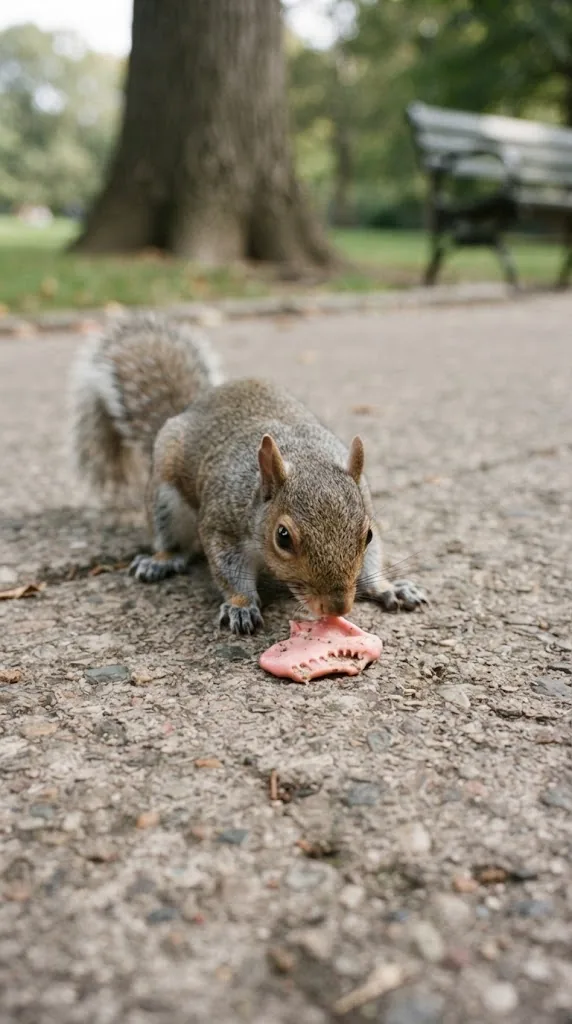
- Animals may mistake discarded gum for food, leading to dangerous blockages.
What to do instead
- Throw it in the household trash
- Properly dispose of it in public waste receptacles
Myths about composting gum
- Myth: Chewing gum will eventually dissolve into the soil just like natural organic matter if it is buried deep enough. Truth: Traditional gum is manufactured with synthetic plastics and rubber that resist weathering, meaning it stays intact in the soil for years.
- Myth: Natural gum bases can be tossed directly into the backyard pile because they come from trees. Truth: Even natural chicle gum is mixed with various waxes and flavorings, and it requires industrial-level heat and microbial activity to break down properly.
Can gum go in a green bin or recycling?
Municipal green bins and local food-waste collection programs strictly prohibit chewing gum because it contaminates finished compost batches and clogs processing machinery. Do not place gum into organic waste streams or curbside recycling bins. Instead, wrap the piece securely in waste paper or tissue to prevent it from sticking to surfaces or attracting pests, and discard it directly into your household trash bin for landfill disposal. Always check your specific local municipal guidelines regarding acceptable waste items.
Common questions
Is natural gum compostable?
While some biodegradable chewing gums exist, they are still generally rejected by standard municipal compost programs and take too long to break down in home bins.
What happens if gum goes into a compost pile?
It will remain as persistent plastic litter throughout the pile, potentially tangling in equipment and ruining the finished compost quality.
Does gum dissolve over time outdoors?
Standard synthetic gum can persist in the environment for many years, resisting weathering and biological breakdown entirely.
Is gum biodegradable?
No. Most chewing gum is made from a synthetic polymer gum base, similar to rubber or plastic, which does not biodegrade. A few natural chicle gums are biodegradable.
Rules vary by town and by composting method. When in doubt, check with your local composting or waste program.