
Yes, plain paper bags are excellent for composting. They are a great source of carbon and help balance out nitrogen-rich materials in your pile.
Why
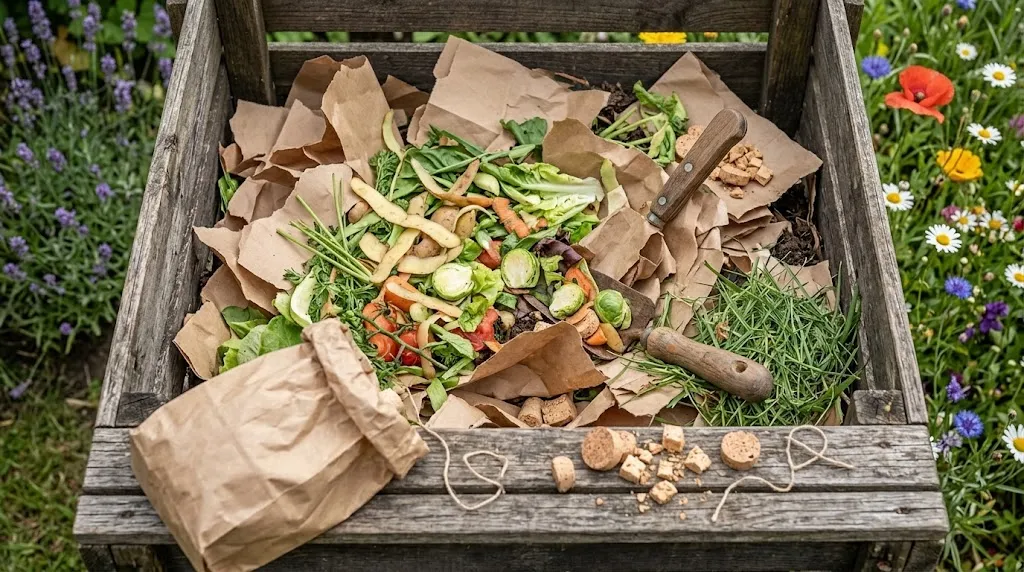
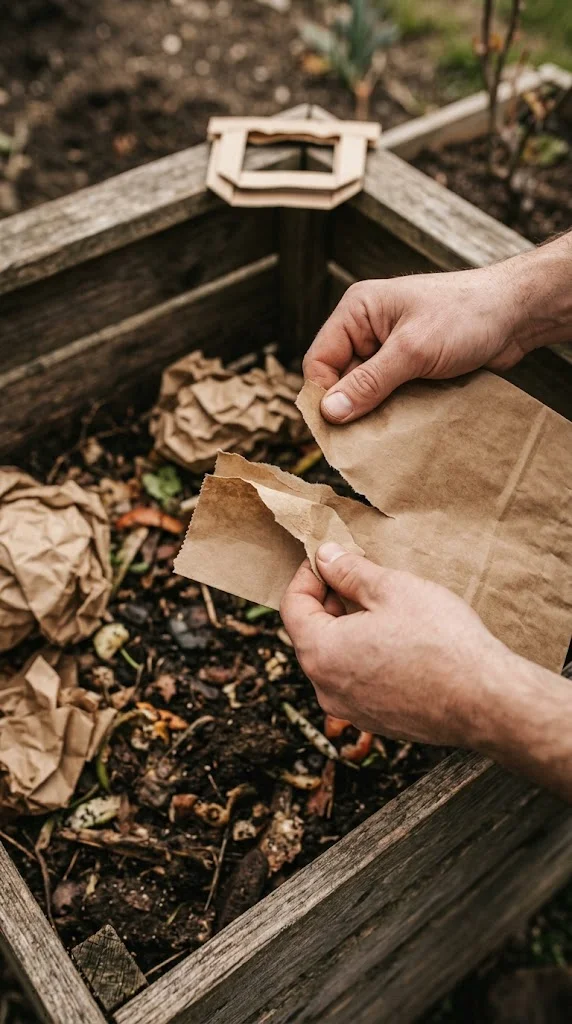
Paper bags are made from cellulose fibers, which are easily broken down by microorganisms in a healthy compost pile. Because they are typically unbleached or lightly processed, they decompose relatively quickly. They serve as a 'brown' material, providing the necessary carbon to balance your 'green' food scraps. While they can be composted in a cold backyard pile, shredding them first will significantly speed up the decomposition process by increasing the surface area available for bacteria and fungi to colonize.
Quick facts
| Carbon to nitrogen | About 400:1 |
|---|---|
| Hot pile | 4-8 weeks |
| Cold pile | 3-6 months |
| Worm bin | Yes · Shred well and remove glue or tape first. |
| Bokashi | Yes · Tear into pieces to fit the bucket. |
| City green bin | Usually accepted; check local rules |
| Prep | Remove plastic handles and glue; tear or shred. |
| Mix with | Balance with nitrogen-rich green waste like grass clippings. |
| Pest risk | Low · No special risk if kept dry and buried. |
How to compost paper bags
- Remove any plastic windows, handles, or heavy tape.
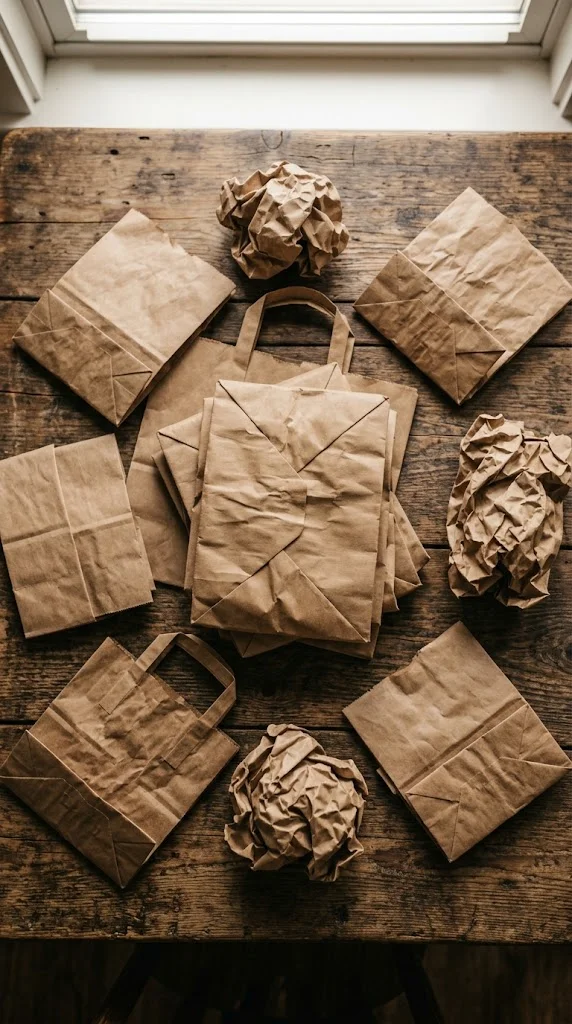
- Rip or shred the bags into smaller pieces to prevent matting.
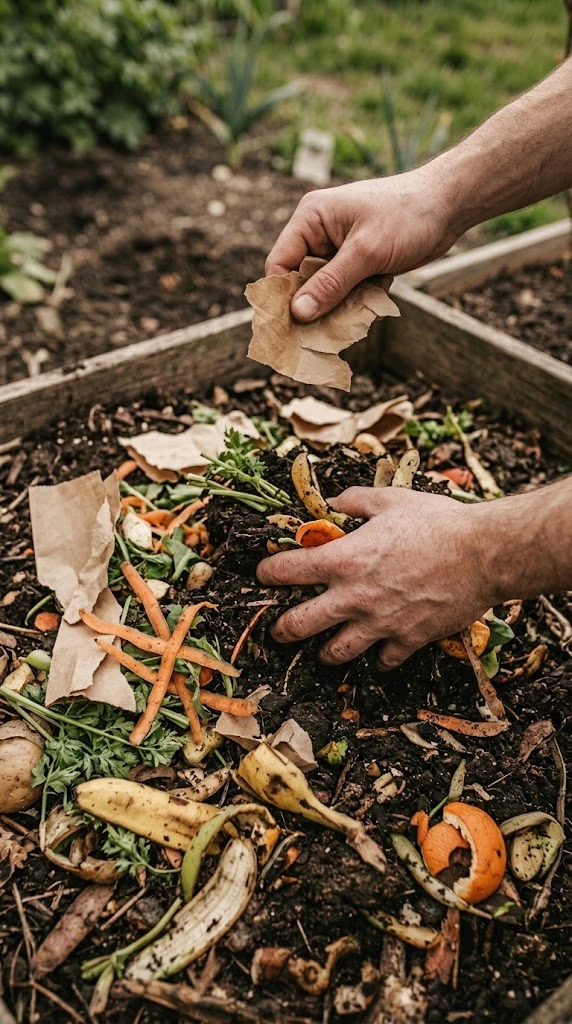
- Mix the paper pieces thoroughly with green materials like food scraps.
- Ensure the pile stays moist but not waterlogged to encourage breakdown.
How much paper bags can you add to compost?
You can add paper bags to your compost pile regularly, ideally using them to make up about ten to twenty percent of your total brown layer volume. Balance every single addition of shredded paper bags with an equal handful of nitrogen-rich greens like vegetable peelings or coffee grounds. If you add too many bags at once without proper mixing, they will compress into dense, soggy mats that block airflow and stall the decomposition process.
Which types of paper bags can you compost?
- Kraft paper grocery bags: Yes. These plain brown bags break down wonderfully in home compost bins when torn into smaller strips.
- Waxed or plastic-lined paper bags: No. Synthetic linings and wax coatings prevent water absorption and do not decompose safely in backyard systems.
- Bags with heavy colorful prints: Sometimes. Modern soy-based inks are generally fine, but avoid heavily dyed surfaces that contain toxic heavy metals.
- Grease-stained takeout bags: Sometimes. Light food oils can be digested by soil microbes, but excessive grease will attract pests and ruin your pile.
Watch out for
- Avoid bags with heavy plastic coatings or glossy finishes.
- Remove any non-paper handles, such as plastic or metal loops.
- Do not compost bags that have been heavily soiled with grease or oils.
- Check for excessive ink or dyes, as these can introduce chemicals.
Other ways to use paper bags
- Reuse them for grocery shopping or carrying items.
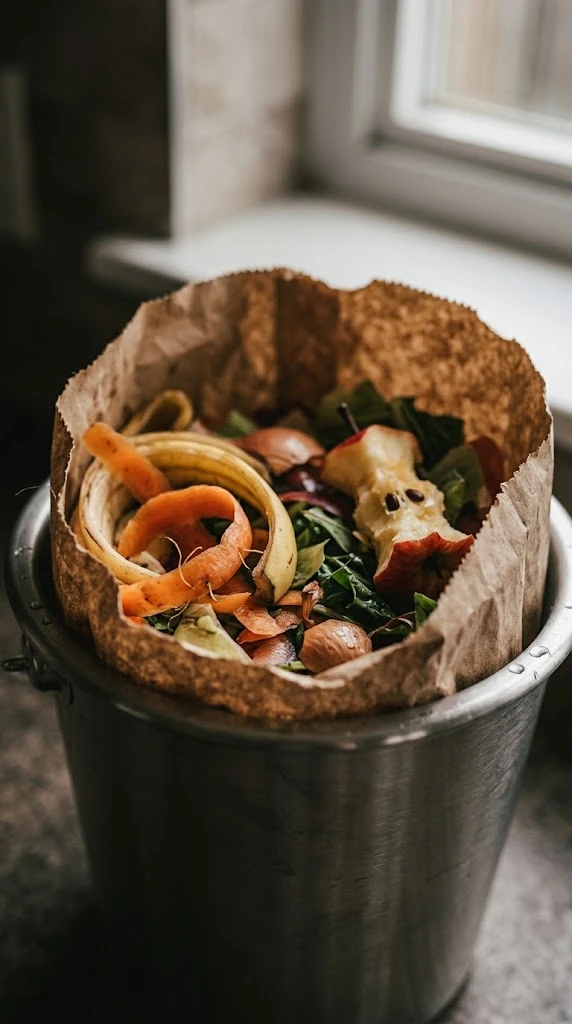
- Use them as liners for your kitchen compost pail.
- Recycle them in your curbside paper bin.
Troubleshooting paper bags in compost
- Paper bags clump together into thick, impermeable mats inside the compost pile. Rip or shred the bags into small pieces and thoroughly mix them with coarser carbon materials to maintain air pockets.
- The paper materials take many months to show any signs of decomposition. Ensure your pile stays consistently moist like a wrung-out sponge and add extra nitrogen sources to feed the decomposing microbes.
- Unpleasant odors develop around pockets where paper bags trap wet food waste. Turn the pile regularly to redistribute moisture and add more dry brown matter to absorb excess liquid.
Myths about composting paper bags
- Myth: All paper bags are fully biodegradable and safe to toss straight into the compost whole. Truth: Many commercial paper bags feature hidden plastic windows, synthetic glues, or waterproof coatings that will not break down naturally.
- Myth: Printed grocery bags will leach dangerous chemicals into your garden soil. Truth: Most standard retail bags use non-toxic vegetable or water-based inks that pose no threat to home composting.
Can paper bags go in a green bin or recycling?
Most municipal green waste and food scrap collection programs readily accept plain paper bags, especially when they are used as liners to hold food scraps inside your curbside bin. Always remove any plastic handles, metal grommets, or thick tape before tossing them into municipal collections. Because rules regarding commercial composting facilities and curbside recycling programs vary significantly by region, you should check your local waste management guidelines to confirm their specific acceptance policies.
Does composting paper bags attract pests?
Composting plain paper bags does not attract pests. In fact, using paper bags as a carbon-rich brown layer in your compost pile helps deter unwanted visitors. By covering fresh food scraps and other smelly green materials with shredded paper bags, you effectively mask food odors that typically draw flies, rodents, and other scavengers to the bin.
- Shred paper bags into smaller pieces to create a uniform and effective cover layer over fresh food scraps.
- Ensure food scraps are thoroughly buried beneath a thick layer of paper bags and other browns.
- Keep your compost pile properly maintained with adequate moisture to encourage rapid breakdown of the paper.
Common questions
Can I compost paper bags with ink on them?
Yes, most modern soy-based inks are safe for home composting. Avoid bags with heavy, metallic, or thick plastic-based inks.
Should I remove the glue from the seams?
Usually, the small amount of adhesive used in paper bags is negligible and will break down fine in a standard compost pile.
Can I put greasy fast-food paper bags in the compost?
Small amounts of grease are okay, but heavily saturated bags can attract pests or create anaerobic pockets. It is better to recycle them if they are clean or trash them if heavily soiled.
Are paper bags biodegradable?
Yes. Plain kraft paper bags biodegrade in about 2-4 months in compost. Bags with plastic linings, glossy coatings or plastic handles only partly break down.
Reader questions
Asked by visitors to this page and answered by our AI. Rules vary by town, so check locally when in doubt.
Can I compost paper bags that have food on them?
Plain paper bags with minor food residue can generally be composted, as microorganisms will break down the organic matter. However, you should avoid adding bags heavily soiled with oils, grease, or heavy food waste, as these can attract pests and create odor issues. If the paper is severely contaminated, it is better to place it in the trash.
Are the twisted paper handles on shopping bags okay to put in the compost?
Yes, twisted paper handles are generally fine to compost because they are made from the same cellulose material as the rest of the bag. However, you should check to ensure there is no hidden plastic, wire, or glue reinforcement inside the handles before tossing them in. Shredding or cutting the handles into smaller pieces will help them break down much faster in your pile.
Rules vary by town and by composting method. When in doubt, check with your local composting or waste program.