
Sometimes. Plain cooked or uncooked pasta composts fine, but keep out pasta mixed with meat, cheese, oils, or heavy sauces.
Why
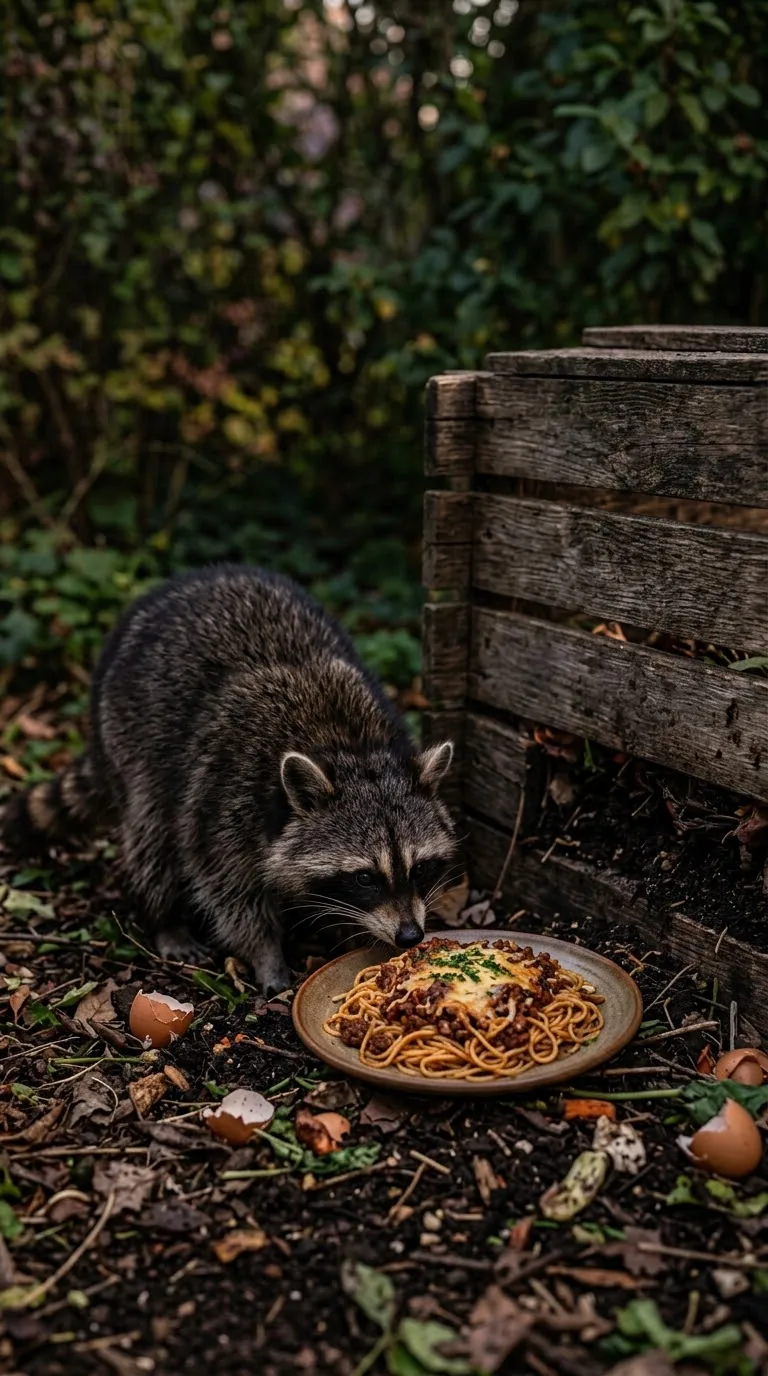
Pasta is fundamentally organic material that breaks down easily in a compost pile, serving as a good source of carbon or nitrogen depending on how it is prepared. However, leftover pasta often contains butter, oil, dairy, or meat sauces. These rich ingredients and fats will quickly turn rancid, produce unpleasant odors, and attract unwanted household pests like rats, mice, and raccoons to your backyard bin. If you want to compost pasta safely, stick to plain noodles and bury them deep within an active, hot compost pile.
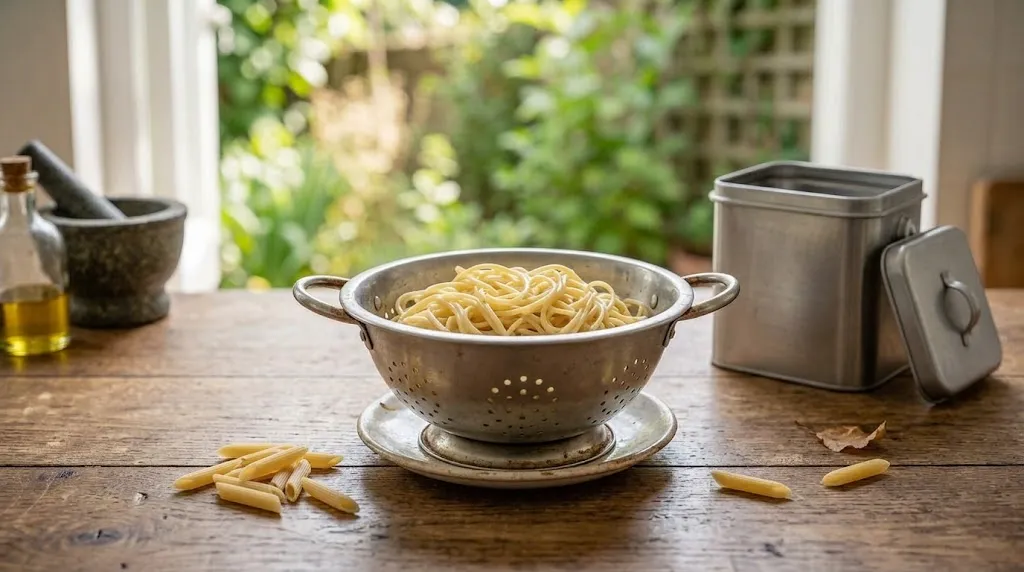
Quick facts
| Carbon to nitrogen | About 25:1 |
|---|---|
| Hot pile | 2-4 weeks |
| Cold pile | 3-6 months |
| Worm bin | Sometimes · Small amounts only, plain pasta preferred. |
| Bokashi | Yes · Excellent for bokashi fermentation. |
| City green bin | Usually accepted; check local municipal guidelines. |
| Prep | Remove oily sauces and rinse off excess salt. |
| Mix with | Mix with dry carbon materials like leaves or straw. |
| Pest risk | High · Sauces and oils attract rodents; bury deep in pile. |
How to compost pasta
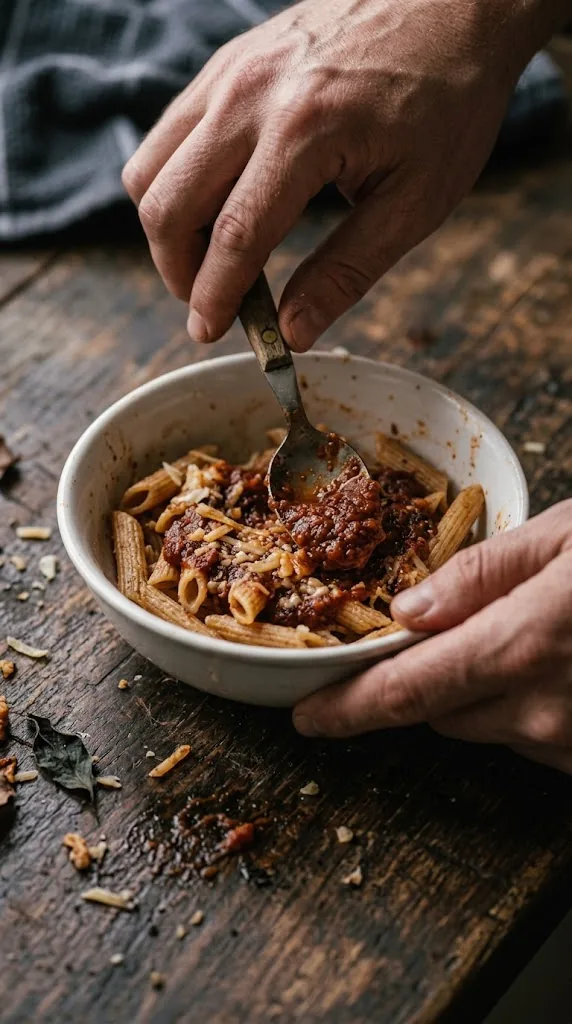
- Scrape off any heavy sauce, cheese, or oily residue before adding the pasta to your bin.
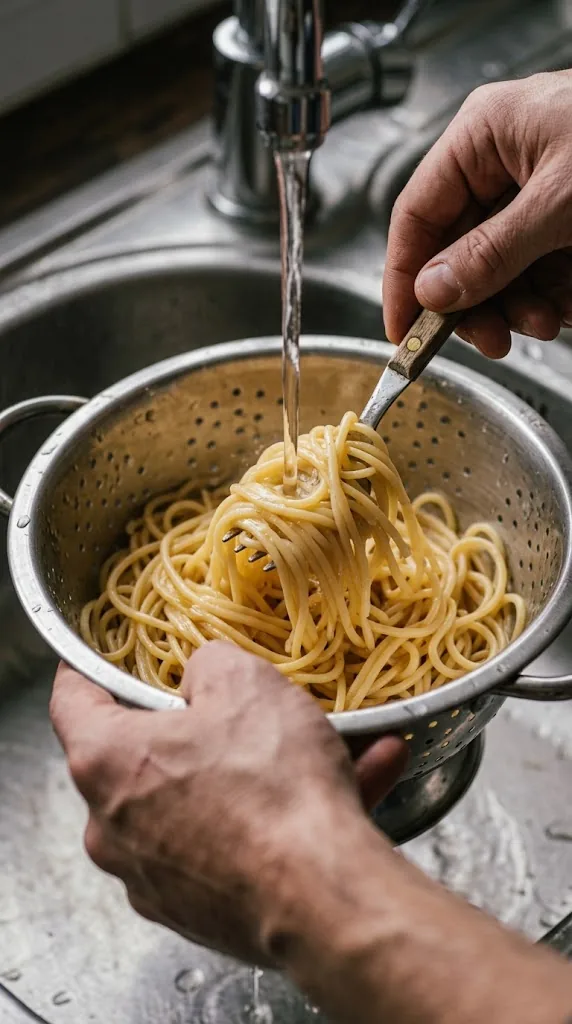
- Rinse off excess oil or butter with water if the pasta was heavily coated.
- Break up large clumps of noodles so they do not mat together and block airflow.
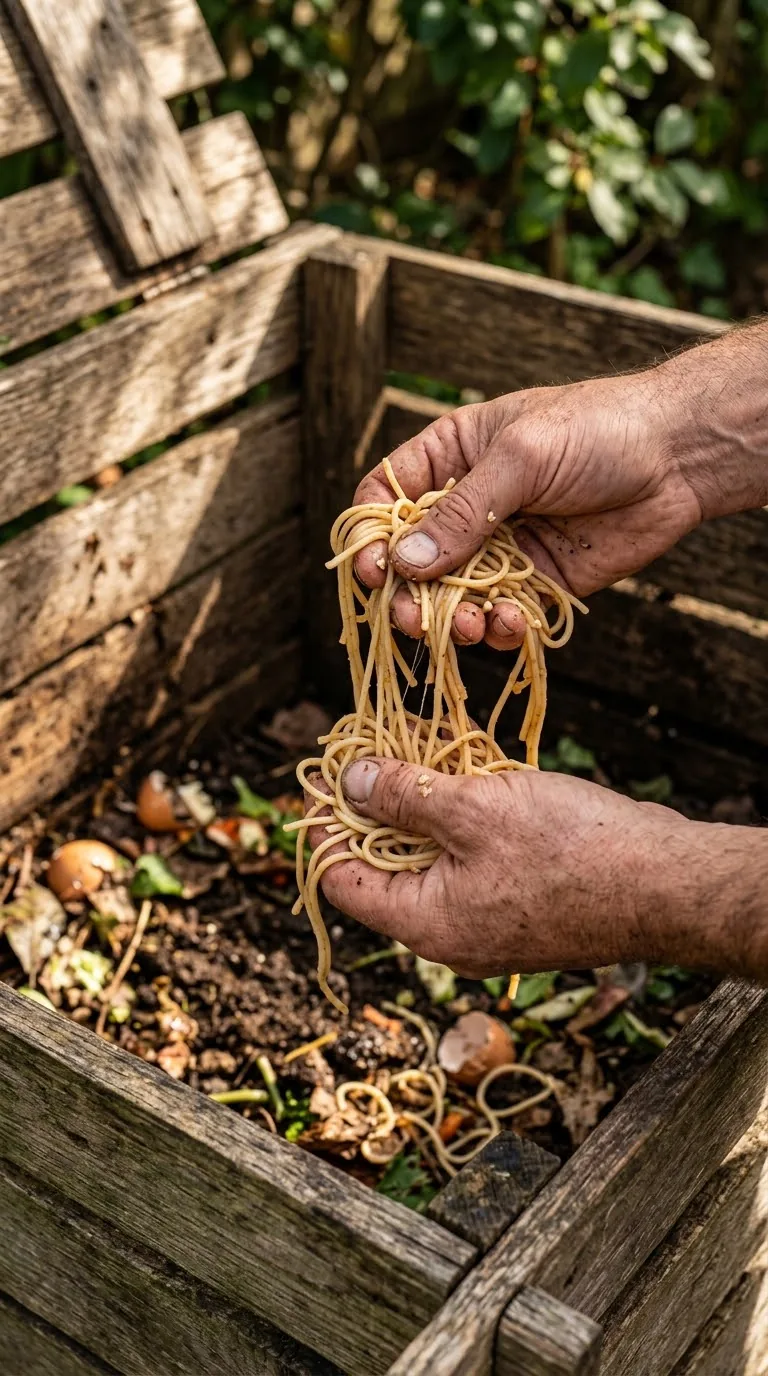
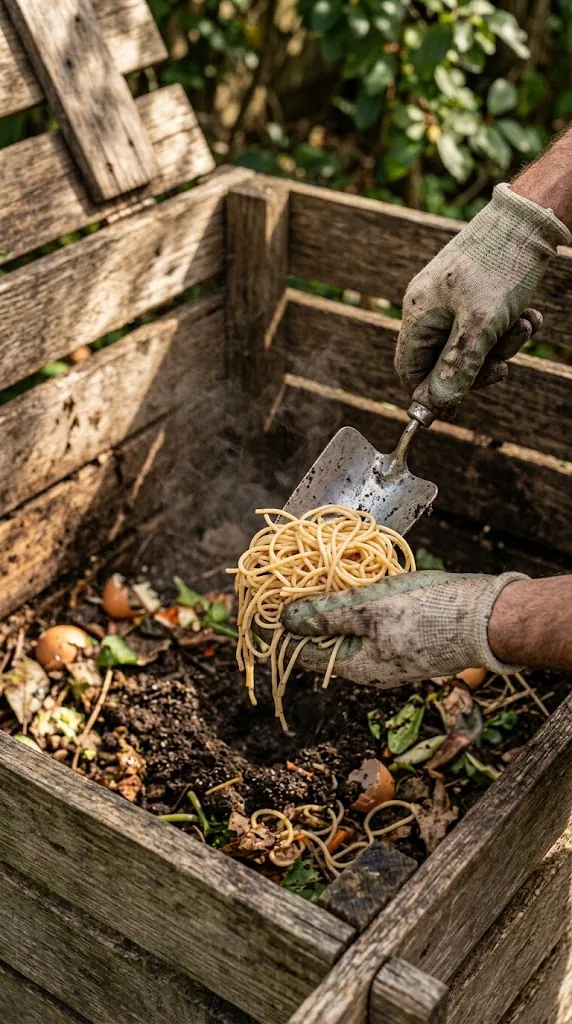
- Bury the pasta deep within the center of your compost pile to deter pests and speed up decomposition.
How much pasta can you add to compost?
You can add pasta in modest handfuls rather than dumping entire bowls into your backyard bin at once. Because pasta is dense in carbohydrates, it acts primarily as a carbon source while contributing some moisture. Pair it with an equal share of nitrogen-rich greens like fresh grass clippings or vegetable scraps. If you notice a sour odor, slimy patches, or clustering flies, you have added too much starch at once; halt additions, toss in dry brown leaves, and turn the pile.
Which types of pasta can you compost?
- Plain cooked pasta: Sometimes. Plain boiled noodles break down easily when buried in the pile. Ensure no butter or salt was added during the cooking process.
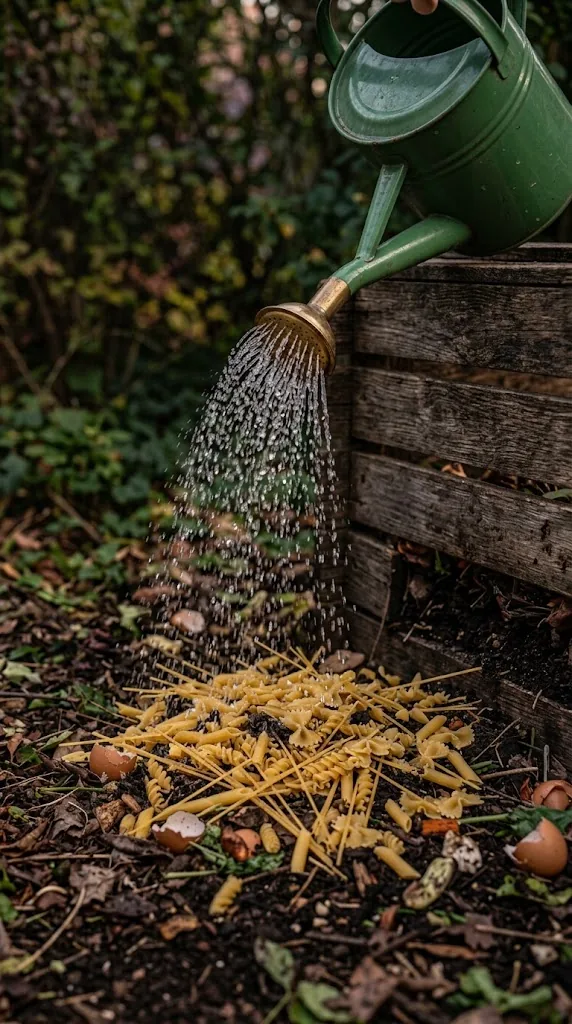
- Raw dried pasta: Sometimes. Uncooked pasta takes longer to decompose due to its hardness and low moisture content. Crush it into smaller pieces and soak it in water first to speed up the process.
- Pasta with creamy alfredo sauce: No. Heavy dairy and high fat content will quickly go rancid and attract rodents. Keep these saucy leftovers out of home compost bins.
- Gluten-free chickpea or lentil pasta: Sometimes. Alternative legume-based pastas decompose well and add extra nitrogen. Stick to plain varieties without added oils or flavor packets.
Watch out for
- Oils and fats will attract rodents and other scavengers to your compost.
- Large amounts of starchy pasta can clump together, creating anaerobic pockets and foul smells.
- Cooked pasta with dairy or meat sauces should be kept out of backyard bins.
What to do instead
- Feed small amounts of plain leftover pasta to backyard chickens.
- Store leftovers in the refrigerator and eat them later to reduce household food waste.
- Place heavily sauced or oily pasta into your municipal green bin or food waste collection program.
Troubleshooting pasta in compost
- Noodles mat together into a slimy, impermeable sheet that blocks airflow. Tear the clumped pasta apart manually and mix it thoroughly with dry, coarse brown materials like shredded cardboard.
- The pile develops a foul, rotting smell near the buried pasta. The area has gone anaerobic due to excess moisture and lack of oxygen. Turn the pile immediately and add dry carbon material.
- Rodents or raccoons start digging into the bin around the pasta zone. Stop adding pasta entirely for a few weeks and ensure all future additions are buried at least twelve inches deep.
Myths about composting pasta
- Myth: Dried raw pasta will magically expand inside a compost pile's animal and burst their stomachs. Truth: This is an old urban legend. Moisture in the pile softens and breaks down the pasta long before any animal could eat enough of it to cause harm.
- Myth: You can never compost any food containing wheat or grain products. Truth: Plain grain products like bread crusts and plain pasta are completely organic and compost safely as long as they lack oily additives.
Can pasta go in a green bin or recycling?
Municipal green bins and commercial curbside food waste collection programs generally accept all types of cooked and uncooked pasta, including those mixed with oils, sauces, or meats, because industrial facilities reach much higher temperatures than backyard piles. You should scrape off any large non-food packaging or excessive plastic wrappers before tossing the leftovers into your municipal organics bin. Always check your local waste management guidelines to confirm whether meat and dairy sauces are permitted in your specific town or city program.
Does composting pasta attract pests?
Composting pasta can attract unwanted household pests like rats, mice, and raccoons to your backyard bin. This happens primarily when leftover noodles are mixed with butter, oil, dairy, or meat sauces. These rich ingredients and fats quickly turn rancid, produce strong odors, and draw scavengers looking for an easy meal.
- Keep pasta mixed with meat, cheese, or heavy sauces out of your backyard compost bin entirely.
- Scrape off heavy sauces, cheese, and oily residue before adding plain noodles.
- Break up large clumps of noodles so they do not mat together and block airflow.
- Bury the pasta deep within the center of an active, hot compost pile to deter pests.
Common questions
Can I compost raw dried pasta?
Yes, raw dried pasta breaks down fine, though it takes a bit longer than cooked pasta. Because it is dry, make sure your pile has enough moisture to help it soften and decompose.
Will pasta attract bugs to my compost bin?
Plain pasta is generally fine, but pasta covered in sauce, cheese, or oil will definitely attract flies, ants, and rodents. Always bury plain pasta deep inside the pile to prevent pests.
Can I compost gluten-free pasta?
Yes, gluten-free pasta made from rice, corn, or chickpea flour is fully compostable. Treat it the same way you would regular wheat pasta.
Is pasta biodegradable?
Yes. Pasta is wheat flour and water, so it biodegrades quickly, usually in 2-4 weeks. Sauces with oil, meat or dairy are what cause pest and odor problems.
Rules vary by town and by composting method. When in doubt, check with your local composting or waste program.