
Yes, you can compost pet hair from cats, dogs, and other furry animals. It is a great nitrogen-rich green material for your pile.
Why
Pet hair is rich in nitrogen, making it a valuable addition to your home compost bin. Because hair is dense and water-resistant, it tends to break down slowly unless it is properly managed. To speed up the process, you should mix the hair thoroughly with bulky carbon materials like dry leaves or wood chips to prevent it from matting into solid, oxygen-blocking clumps. If your pets have been treated with long-lasting flea and tick medications, the residues may persist in the compost, so use caution if you plan to apply the finished compost to food crops.
Quick facts
| Carbon to nitrogen | About 10:1 |
|---|---|
| Hot pile | 1-2 months |
| Cold pile | 6-12 months |
| Worm bin | Yes · Small amounts, finely chopped |
| Bokashi | Yes · Works well with fermentation |
| City green bin | Usually accepted; check local rules |
| Prep | Chop into small pieces to speed up breakdown |
| Mix with | Mix with plenty of carbon-rich brown materials |
| Pest risk | Medium · Avoid adding hair from flea-treated pets |

How to compost pet hair
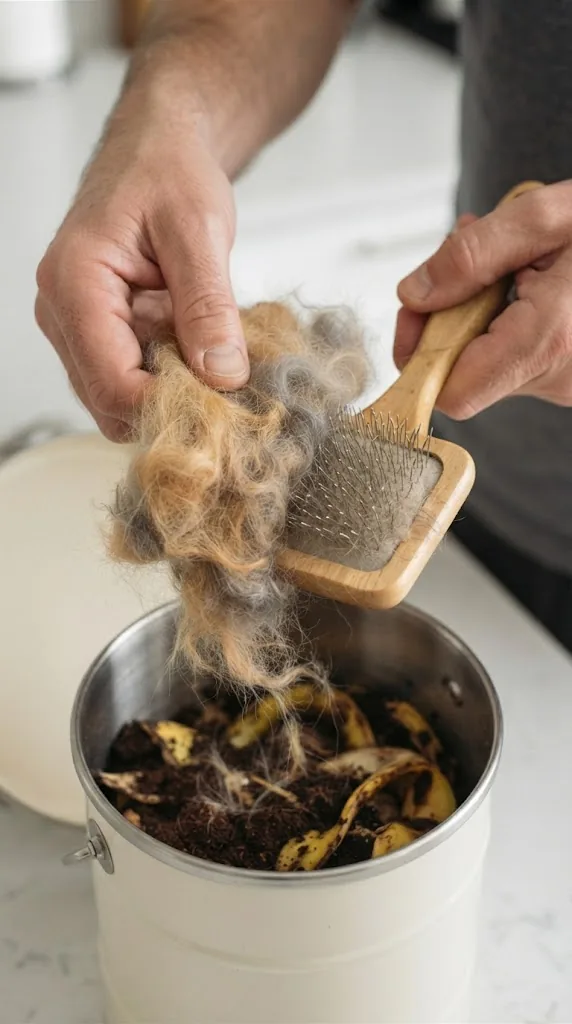
- Collect pet hair from brushes, vacuums, or grooming tools.
- Tear apart large clumps to prevent the hair from matting together in the pile.
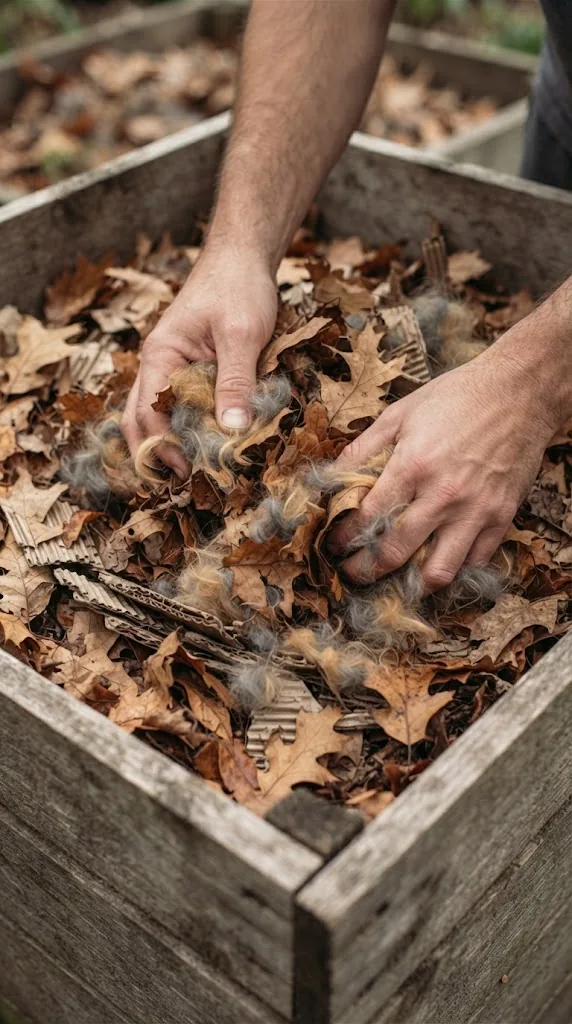
- Layer or mix the hair thoroughly with dry brown carbon materials like leaves or shredded cardboard.
- Turn the compost pile regularly to maintain good airflow and moisture levels.
How much pet hair can you add to compost?
You can safely add pet hair to your compost pile as a nitrogen-rich green, but keep it to about 5 to 10 percent of your total pile volume. Because it is dense, always pair every handful of hair with two or three handfuls of carbon-rich browns like shredded cardboard or dry leaves. If you notice the pile becoming slimy, smelling like ammonia, or failing to heat up, you have likely added too much hair and should increase your brown material ratio immediately.
Which types of pet hair can you compost?
- Dog hair: Yes. Most dog hair is safe to compost, provided the animal is healthy and not heavily medicated.
- Cat hair: Yes. Cat hair is fine to add, but ensure you are not including cat litter or waste, which can contain harmful pathogens.
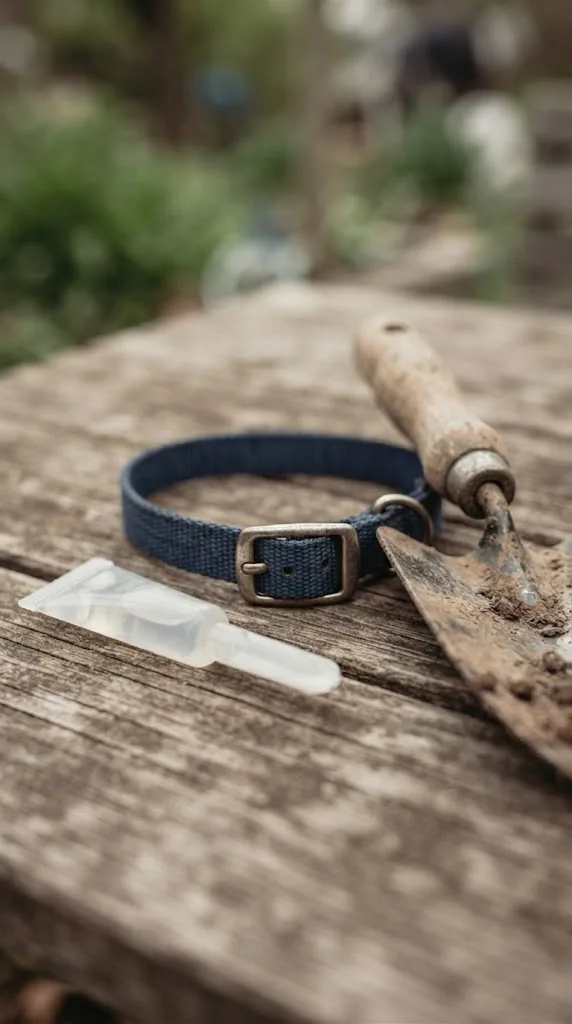
- Hair with flea treatment: Sometimes. Avoid adding hair from pets recently treated with topical or systemic pesticides if you intend to use the compost on edible vegetable gardens.
- Hair from sick pets: No. If your pet has a contagious skin condition, fungal infection, or parasites, dispose of the hair in the trash to prevent spreading the issue.
Watch out for
- Avoid adding hair treated with systemic flea, tick, or deworming medications if using compost on food gardens.
- Do not add hair in thick, solid mats, as it will block air and water from entering the pile.
- Hair from pets with infectious skin diseases or parasites should be tossed in the trash instead.
Other ways to use pet hair
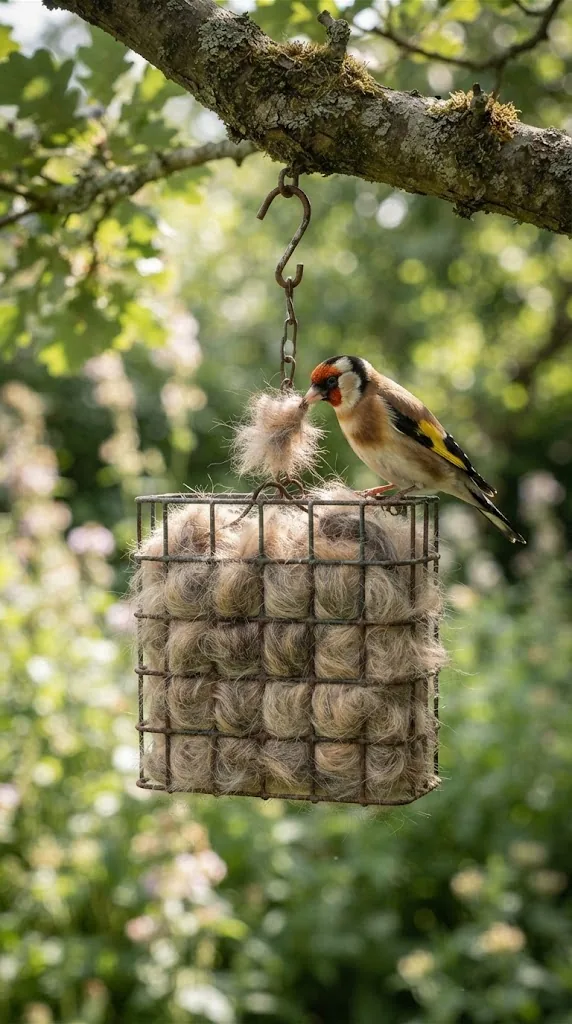
- Place clean pet hair outside in a suet cage or mesh bag for local birds to use as nesting material.
- Throw heavily treated or medicated pet hair into the regular household trash.
- Bury pet hair directly into non-edible flower beds as a slow-release soil amendment.
Troubleshooting pet hair in compost
- Hair matting into dense clumps Break the hair apart with your hands or a garden fork before adding it to the pile and mix it thoroughly with bulky browns.
- Slow decomposition Hair is naturally resistant to water and decay, so ensure the pile stays moist and turn it frequently to introduce oxygen.
- Unpleasant odors If the hair is damp and clumping, it may trap moisture and smell; add more dry carbon materials like straw or wood chips to improve aeration.
Myths about composting pet hair
- Myth: Pet hair will attract rodents to the compost pile. Truth: Hair is not a food source and does not have a strong scent, so it does not attract pests; in fact, it can help mask the smell of food scraps.
- Myth: All pet hair is toxic to compost due to chemicals. Truth: Most household pet hair is inert and safe; only hair from pets treated with specific systemic medications or heavy pesticides requires caution.
Can pet hair go in a green bin or recycling?
Most municipal green waste or curbside food-scrap programs do not accept pet hair, even if they accept other organic materials. Because pet hair is often contaminated with synthetic fibers, grooming products, or residual medications, it is generally considered a contaminant in industrial composting facilities. Always check your local waste management website for specific guidelines. If your municipality forbids it, the best disposal method is to place the hair in your regular household trash or use it as a mulch in non-edible ornamental flower beds.
Does composting pet hair attract pests?
Composting pet hair does not attract pests. Because hair is a dry and scentless material compared to food scraps, it will not draw unwanted animals like rodents, raccoons, or insects to your pile. In fact, adding pet hair to your compost bin and mixing it thoroughly with other materials helps build a dense, covered structure that hides underlying odors from food scraps, keeping pests away from your active pile.
- Spread pet hair evenly across the top of fresh food scraps to help mask strong odors.
- Mix the hair thoroughly into the pile so it blends with carbon-rich brown materials.
- Layer dry leaves or shredded cardboard over the hair and food waste to create a physical barrier against pests.
Common questions
Can I compost human hair as well?
Yes, human hair behaves the same way as pet hair in a compost pile and is also a great source of nitrogen.
Will pet hair attract pests to my compost bin?
Pure pet hair does not typically attract pests, but hair covered in food residue or pet food oils might draw unwanted attention.
Does cat hair from the litter box go into the compost?
No, cat feces and standard clay or silica cat litters should never go into a home compost pile due to the risk of harmful parasites.
Is pet hair biodegradable?
Yes. Pet hair is keratin protein, which microbes break down in about 3-6 months in a balanced pile. It goes faster when you fluff it apart and mix it with browns.
Rules vary by town and by composting method. When in doubt, check with your local composting or waste program.