
Yes, you can compost printer paper. It is a great carbon-rich brown material for your pile.
Why
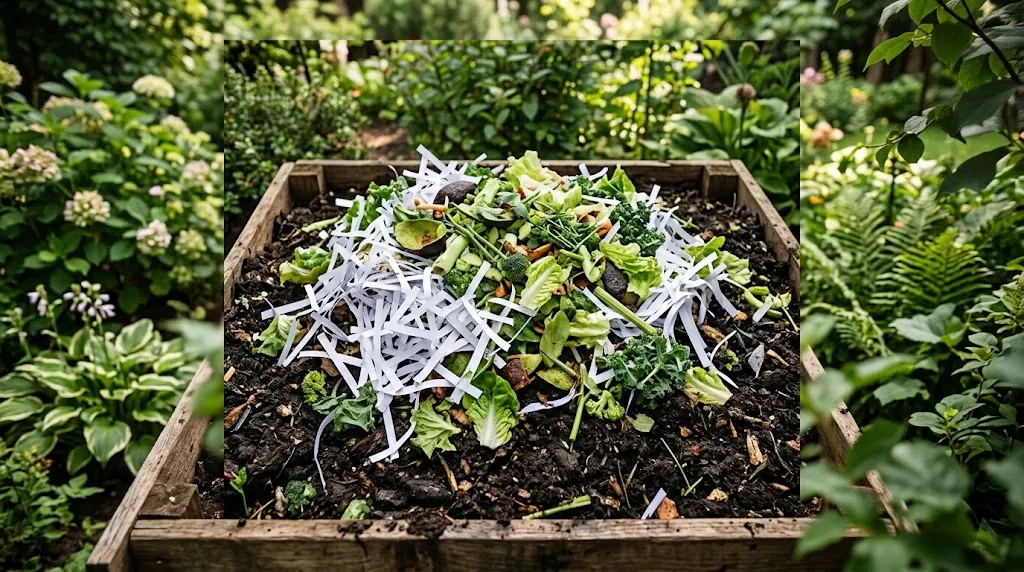
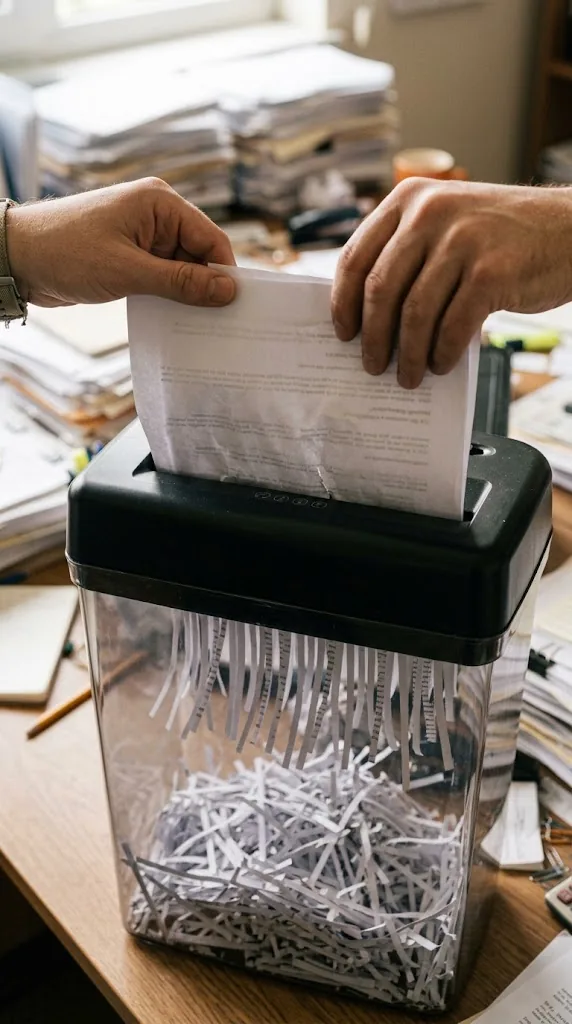
Printer paper is made from cellulose plant fibers that naturally break down through microbial activity. Shredding printer paper before adding it to your compost pile speeds up the decomposition process significantly by increasing the surface area for microbes and preventing the paper from matting together. It serves as an excellent brown material, balancing out nitrogen-rich green waste like food scraps. While standard white printer paper is generally safe, you should avoid composting paper with heavy colored inks or glossy coatings.
Quick facts
| Carbon to nitrogen | About 170:1 |
|---|---|
| Hot pile | 1-2 months |
| Cold pile | 4-6 months |
| Worm bin | Yes · Shredded or finely chopped pieces only. |
| Bokashi | Yes · Excellent for adding bulk to fermented organic matter. |
| City green bin | Usually accepted; check local rules. |
| Prep | Shred or tear into small pieces. |
| Mix with | Mix with nitrogen-rich food scraps. |
| Pest risk | Low · Low risk if kept moist and covered. |
How to compost printer paper
- Shred the printer paper into thin strips to prevent matting.
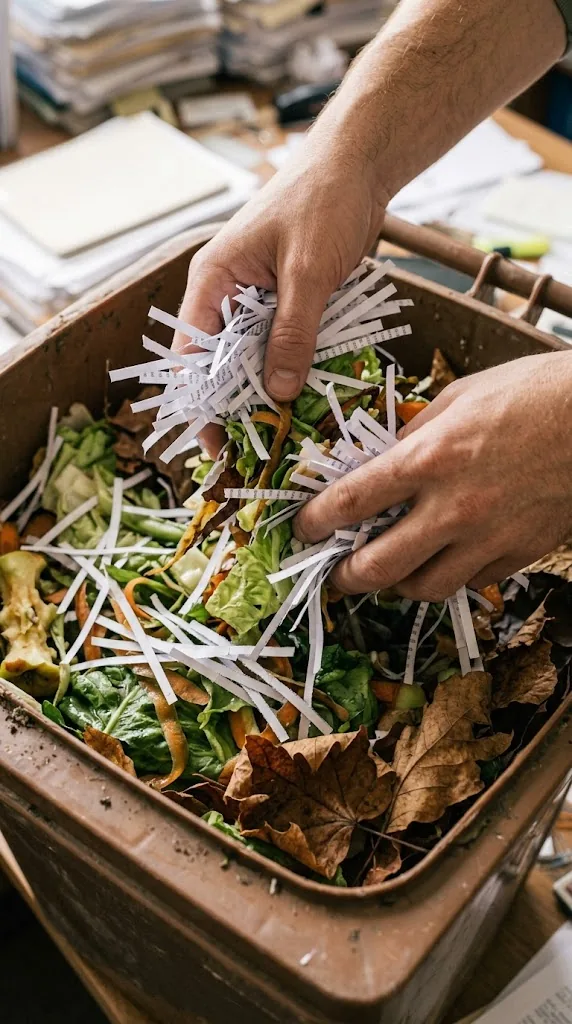
- Mix the shredded paper thoroughly with your nitrogen-rich green materials.
- Maintain adequate moisture levels similar to a damp sponge.
- Turn the pile regularly to aerate and speed up breakdown.
How much printer paper can you add to compost?
Printer paper should make up about ten to twenty percent of your total carbon brown layer volume. When adding it to your bin, mix in a few handfuls of shredded sheets at a time to prevent dense clumps from forming. Pair this carbon material with an equal share of nitrogen-rich green waste like vegetable peelings or fresh grass clippings. If you notice the pile becoming a dense, soggy gray mat that smells stagnant, you have added too much paper without enough air or greens.
Which types of printer paper can you compost?
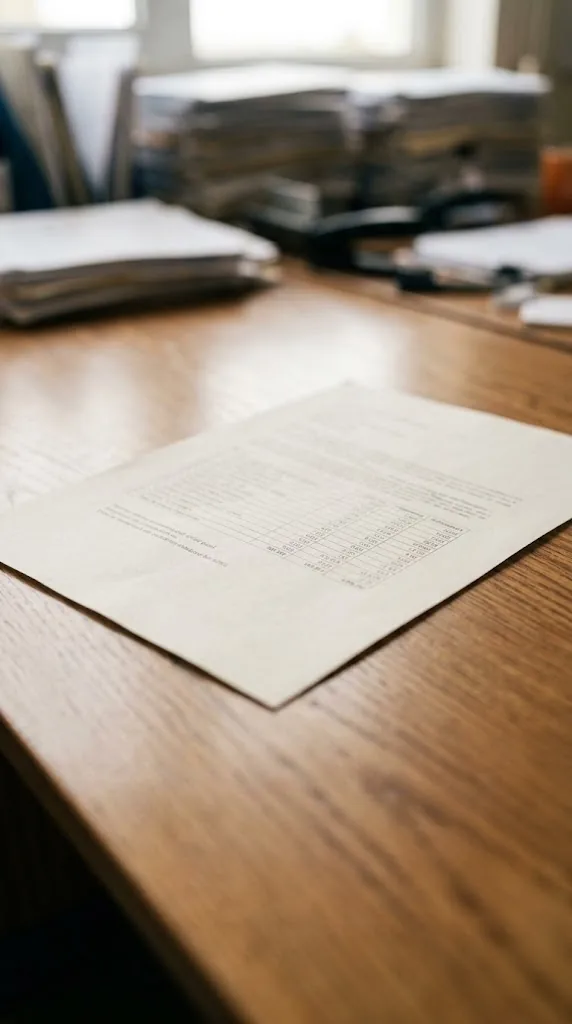
- Standard white printer paper: Yes. Uncoated white paper breaks down quickly and provides clean carbon for your microbial community.
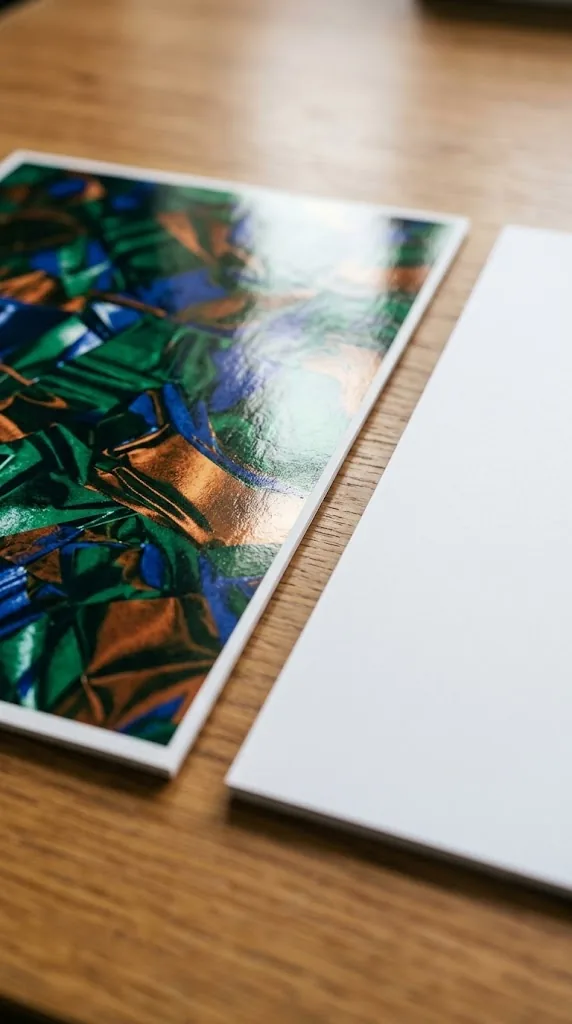
- Glossy photo printer paper: No. These sheets contain plastic polymers and chemical coatings that do not degrade safely in standard home compost systems.
- Colored printer paper: Sometimes. Lightly tinted pages using vegetable-based dyes are usually safe, but neon or heavily saturated sheets can introduce toxic heavy metals.
- Laser printed paper: Yes. Standard toner bonds to the paper through heat and generally contains stable plastic resins in quantities too small to harm a home pile.
Watch out for
- Avoid glossy or heavily coated paper that may contain plastics.
- Do not add paper printed with heavy colored inks or metallic finishes.
- Ensure large clumps do not form, as they can block airflow.
Other ways to use printer paper
- Place in your household curbside recycling bin
- Use as animal bedding for small pets
- Reuse scratch paper for drafting notes
Troubleshooting printer paper in compost
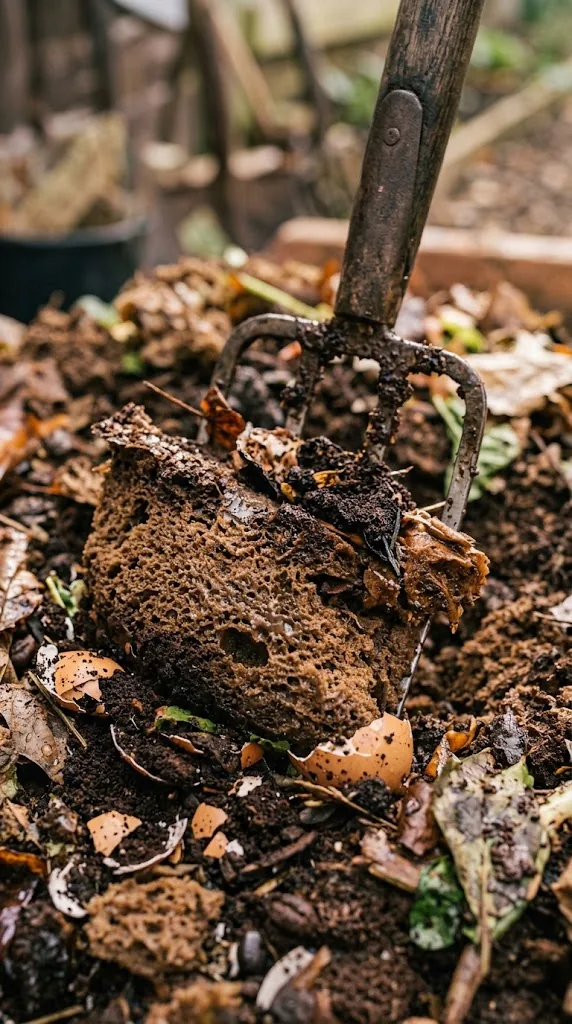
- The paper mats together into a soggy, impenetrable gray blanket. Tear apart the clumps with a pitchfork and thoroughly mix the paper with coarse brown materials and green waste.
- The printer paper takes many months to show any signs of decomposition. Run the sheets through a cross-cut shredder to drastically increase the surface area available to soil microbes.
- Dry white flakes of paper blow away or remain visible throughout the finished compost. Ensure the pile maintains a moisture level similar to a damp sponge and turn the material more frequently.
Myths about composting printer paper
- Myth: All printer paper is covered in toxic heavy metal inks that will ruin your garden soil. Truth: Modern standard black toner and common inks are generally stable and safe for home composting in small amounts.
- Myth: You can toss whole stacks of printer paper directly into the center of the bin. Truth: Whole stacks fuse together into a solid brick that blocks oxygen and water, halting the composting process entirely.
Can printer paper go in a green bin or recycling?
Municipal green waste and yard debris collection programs often accept shredded printer paper when mixed with leaves and grass, though some curbside food scrap programs prefer it kept out. Most municipal recycling facilities readily accept clean, unsoiled printer paper in curbside bins, which is often the most efficient disposal route if your compost pile is already at capacity. Always check your local waste management guidelines before placing treated or heavily inked papers into municipal green bins.
Does composting printer paper attract pests?
Composting printer paper does not attract pests. Because paper is a dry, carbon-rich brown material, it contains no food odors or moisture that typically draw rodents, flies, or other scavengers. In fact, adding shredded printer paper to your compost pile is an effective way to deter pests. By using the paper as a thick cover layer over fresh food scraps and other smelly green materials, you effectively mask food odors and absorb excess moisture, keeping unwanted animals away from your bin.
- Shred the paper into thin strips to create a dense, uniform cover layer.
- Spread a generous layer of paper over newly added food scraps to hide odors.
- Keep the pile properly aerated and moist to encourage rapid breakdown of the paper.
- Avoid mixing food waste directly onto the surface where pests can easily access it.
Common questions
Can I compost colored printer paper?
It depends on the dyes used. Lightly tinted paper is usually fine, but heavily dyed or neon papers may contain toxic chemicals.
Does shredding printer paper really make a difference?
Yes. Whole sheets of paper tend to stick together in wet clumps that block oxygen, whereas shredded paper incorporates easily.
Can printer paper with laser jet toner go into the compost?
In small amounts, yes. Toner is a plastic-based powder, so compost lightly printed pages and recycle heavily printed ones.
Is printer paper biodegradable?
Yes. Printer paper is wood pulp and biodegrades in about 2-4 months, faster when shredded. Standard black toner is a minor concern in small amounts.
Rules vary by town and by composting method. When in doubt, check with your local composting or waste program.