
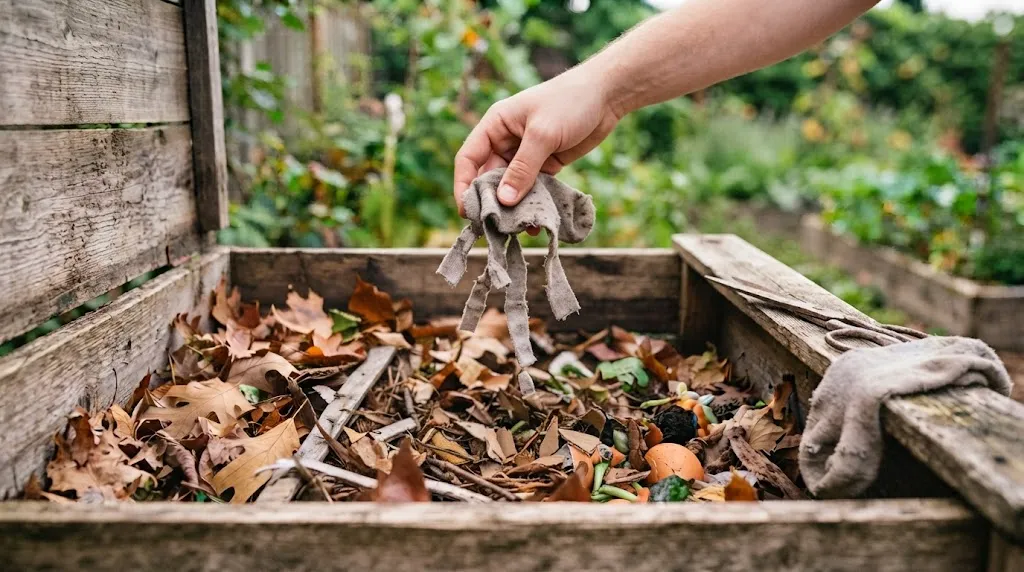
You can compost socks, but only if they are made entirely of 100 percent natural fibers like organic cotton, wool, or bamboo.
Why
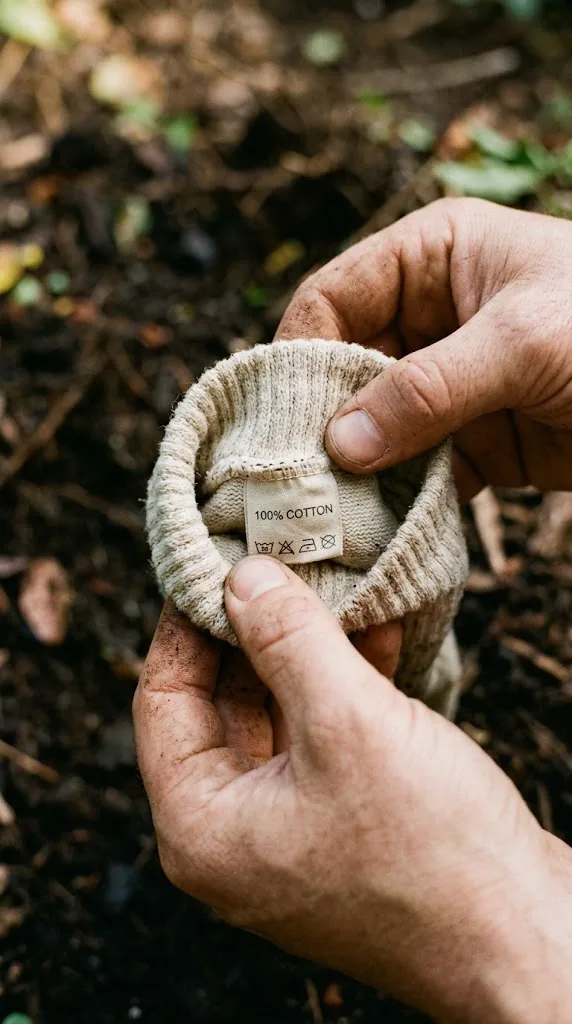
Natural fibers are biodegradable and will break down naturally in a compost pile over time. However, many modern socks contain synthetic materials like polyester, nylon, elastane, or spandex, which will not break down and will leave plastic residue in your soil. Furthermore, synthetic elastic bands and heavy chemical dyes can contaminate your compost. Always check the clothing label to confirm the material makeup before throwing any textile into your backyard bin or municipal compost system.
Quick facts
| Carbon to nitrogen | About 50:1 |
|---|---|
| Hot pile | 6-12 months |
| Cold pile | 1-2 years |
| Worm bin | No · Synthetic fibers and elastic will not decompose. |
| Bokashi | No · Fabric does not ferment well in bokashi systems. |
| City green bin | Usually not accepted; check local municipal guidelines. |
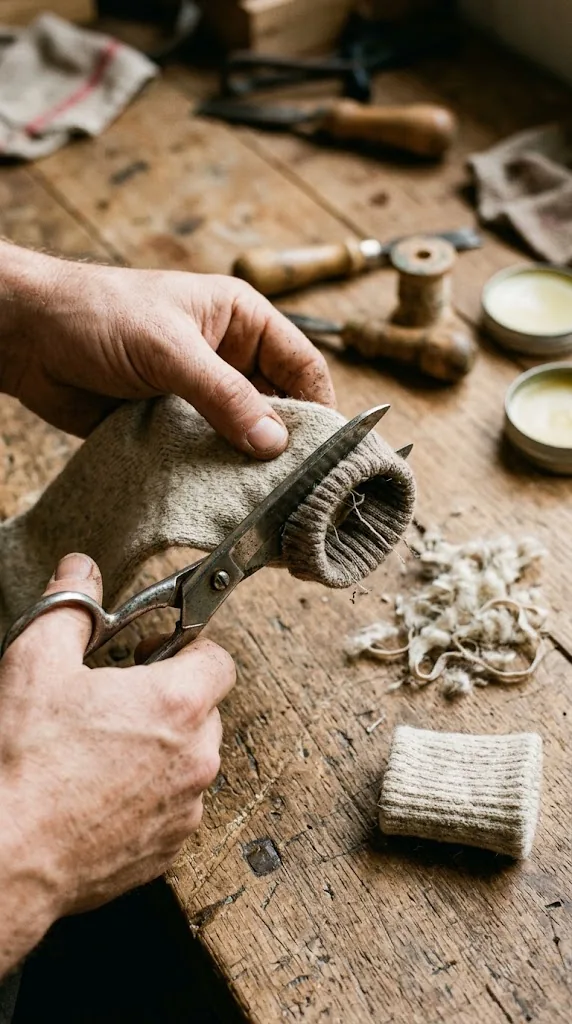
| Prep | Remove elastic bands and synthetic blends; cut into small strips. |
| Mix with | Mix with nitrogen-rich green waste to aid decomposition. |
| Pest risk | Low · Clean socks pose no significant pest risk. |
How to compost socks
- Check the garment care tag to ensure the socks are 100 percent natural fibers with no synthetic blends.
- Remove any non-compostable elements such as plastic tags, brand stickers, or synthetic elastic cuffs if possible.
- Cut or shred the socks into smaller strips to speed up the decomposition process.
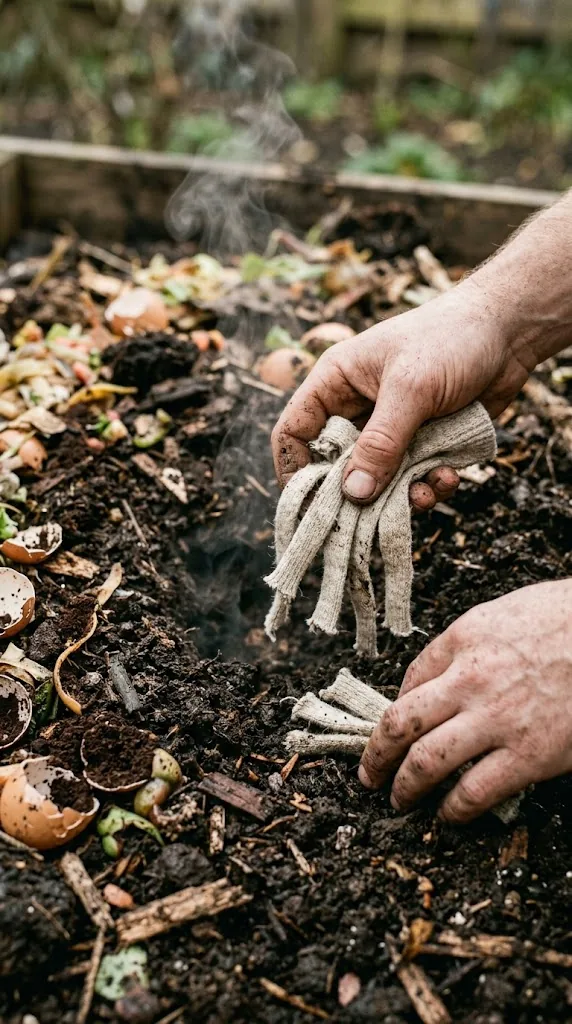
- Bury the pieces deep within an active, moist compost pile to encourage microbial breakdown.
How much socks can you add to compost?
You should treat socks as a supplemental carbon source rather than a primary ingredient. Limit additions to one or two pairs per week to ensure your pile maintains proper aeration. Because textiles are dense, they should be balanced with high-nitrogen greens like grass clippings or kitchen scraps to facilitate microbial activity. If you notice the socks remaining intact after several months or if the pile starts to feel overly matted and air-restricted, you have added too much fabric.
Which types of socks can you compost?
- 100 percent organic cotton: Yes. These are the ideal candidate for composting as they contain no synthetic additives or chemical treatments.
- Wool blend with nylon: No. Even a small percentage of nylon prevents the item from fully breaking down, leaving plastic threads behind.
- Bamboo viscose: Sometimes. While bamboo is a natural fiber, the processing into viscose often involves chemicals that may not be suitable for organic compost.
- Socks with rubberized grips: No. The silicone or rubber dots on the soles are synthetic polymers that will never decompose in a home pile.
Watch out for
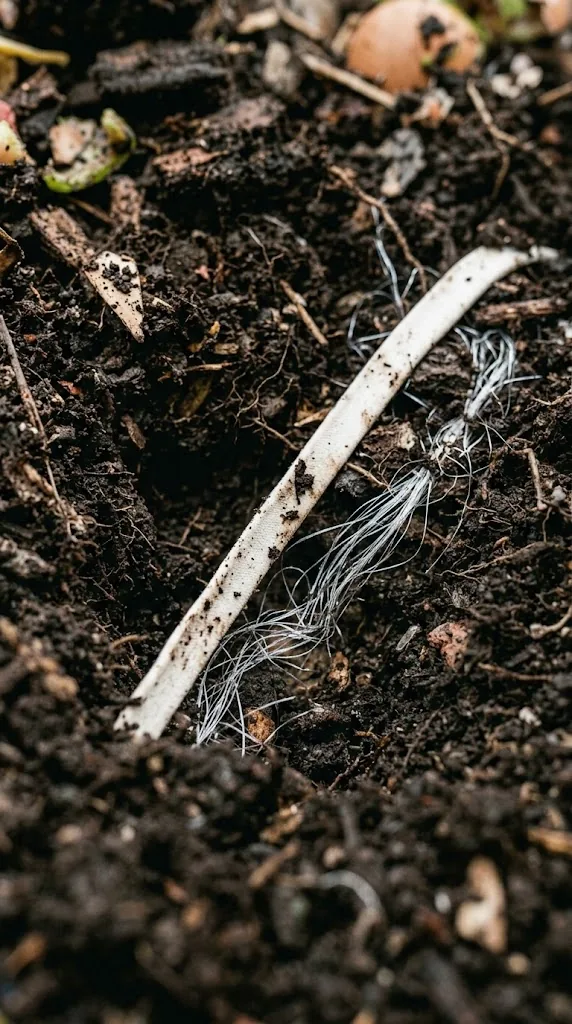
- Synthetic blends containing polyester or nylon will not decompose and must be kept out.
- Elastic bands often contain rubber or spandex that remains intact long after natural fibers rot.
- Chemical dyes and treatments can leach harmful substances into your finished compost.

What to do instead
- Donate gently used socks to local homeless shelters or clothing drives.
- Repurpose old socks as cleaning rags or dusting mitts around the house.
- Drop off worn-out textiles at a local clothing recycling bin.
Troubleshooting socks in compost
- Socks are matting together and blocking airflow. Shred the socks into smaller, thinner strips before adding them to ensure they do not clump into a solid mass.
- The fabric is not breaking down after several months. Ensure your pile is sufficiently moist and hot, as dry or cold piles will not provide the necessary environment for fiber decomposition.
- The socks are attracting mold. Bury the fabric deeper into the center of the pile where heat is highest to encourage faster breakdown and prevent surface mold.
Myths about composting socks
- Myth: All natural fibers decompose at the same speed. Truth: Wool is significantly more durable and slower to break down than thin cotton, often requiring a full season in the pile.
- Myth: Composting socks is a good way to dispose of old, dirty laundry. Truth: Only clean socks should be composted; socks soiled with oils, chemicals, or heavy dirt can introduce contaminants to your soil.
Can socks go in a green bin or recycling?
Most municipal green waste programs do not accept textiles, even if they are natural fibers. These facilities are designed for yard trimmings and food scraps, and fabric can clog industrial shredding equipment. Always check your local waste management website before placing textiles in a curbside bin. If your city does not accept them, look for local textile recycling drop-off locations or clothing donation bins, which are better equipped to handle worn-out items than a standard compost facility.
Does composting socks attract pests?
Composting 100 percent natural fiber socks does not attract pests. Because socks are a dry brown material containing no food residue, sugars, or strong odors, they hold no appeal for scavengers like rodents, raccoons, or flies. In fact, adding shredded natural fiber socks to your compost pile helps deter pests. You can use these fabric strips as an effective cover layer on top of fresh food scraps to hide odors and create a physical barrier that keeps insects away.
- Shred socks into small strips for even distribution.
- Place a layer of sock strips directly over fresh food scraps.
- Cover the fabric layer with a thick layer of carbon materials.
Common questions
Can I compost wool socks?
Yes, 100 percent wool socks are completely biodegradable and make a great addition to a compost pile, acting as a rich source of carbon and nitrogen as they break down.
What happens if I compost synthetic socks?
Synthetic socks contain materials like polyester and nylon that will not rot, leaving behind persistent plastic microfibers and elastic waste in your garden soil.
Should I remove the elastic before composting?
Yes, if the elastic band is made of synthetic materials like spandex or rubber, you should cut it out and throw it in the trash before composting the rest of the sock.
Are socks biodegradable?
Only natural fiber socks. Cotton, wool, bamboo viscose and hemp socks biodegrade in months. Most socks contain nylon, polyester or spandex, which do not.
Rules vary by town and by composting method. When in doubt, check with your local composting or waste program.