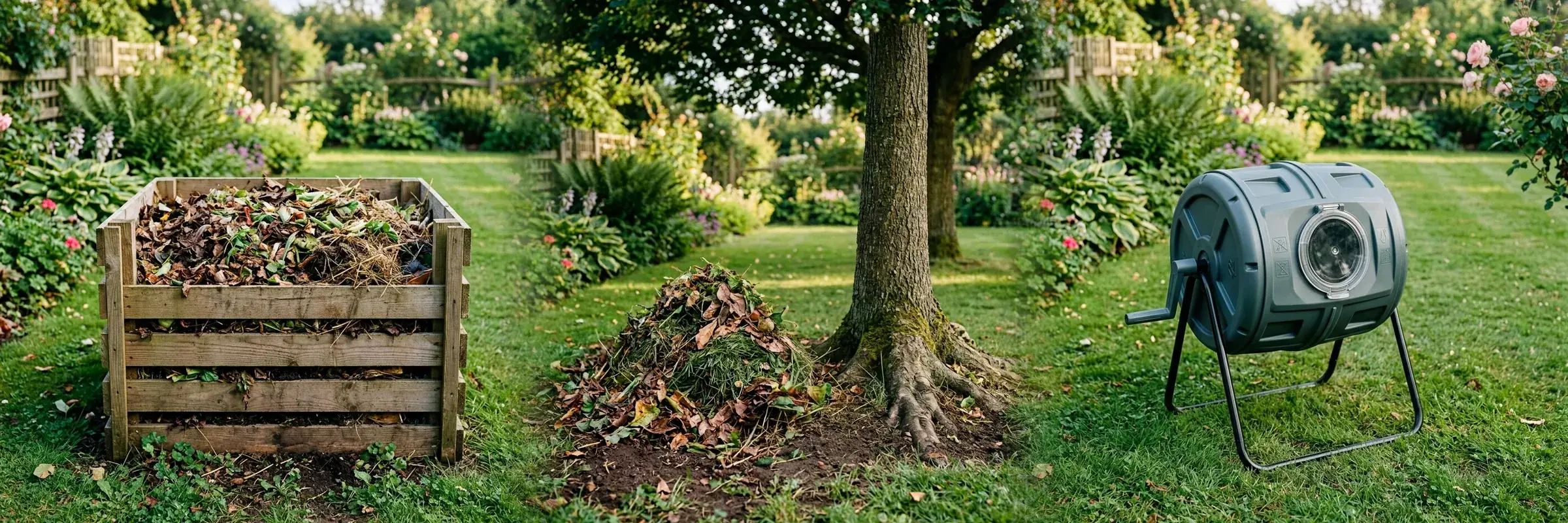
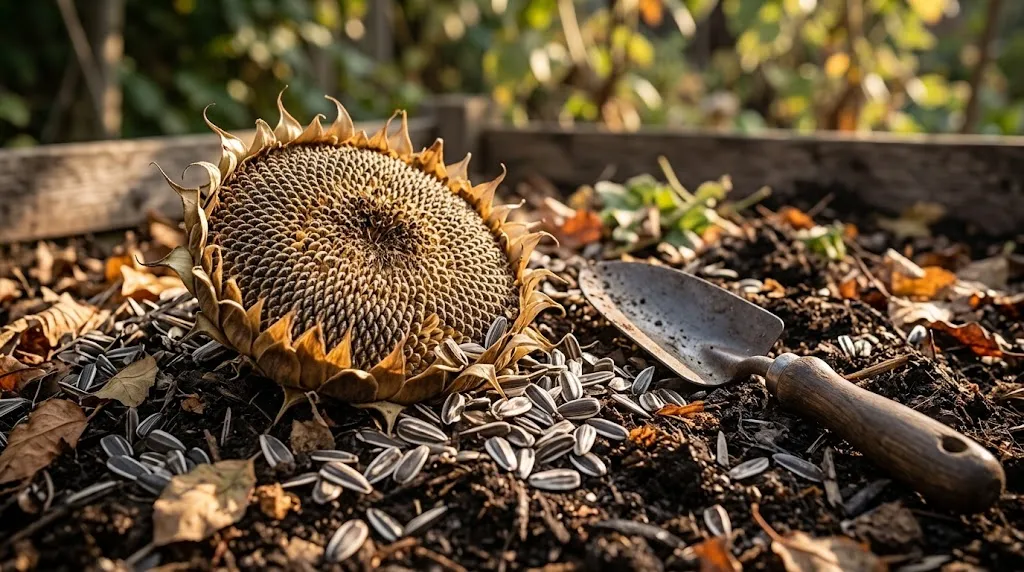
Yes, you can compost sunflower seeds, though whole seeds and hard shells take a long time to break down.
Why
Sunflower seeds and their hulls are organic matter that microorganisms will eventually break down into nutrient-rich compost. However, the outer shells are tough, fibrous, and lignified, making them very resilient against rapid decomposition. If you add salted or roasted seeds, the high salt content or residual oils can slow down microbial activity or attract pests. Crushing the seeds beforehand and ensuring they are well-mixed into an active hot compost pile will speed up the breakdown process significantly.
Quick facts
| Carbon to nitrogen | About 25:1 |
|---|---|
| Hot pile | 4-8 weeks |
| Cold pile | 6-12 months |
| Worm bin | Sometimes · Only in small amounts; avoid if salted. |
| Bokashi | Yes · Excellent for fermentation if unsalted. |
| City green bin | Usually accepted; check local rules. |
| Prep | Rinse off salt and crush shells to speed decomposition. |
| Mix with | Mix with high-nitrogen green waste like grass clippings. |
| Pest risk | Medium · Seeds attract rodents; bury deep in the pile. |
How to compost sunflower seeds
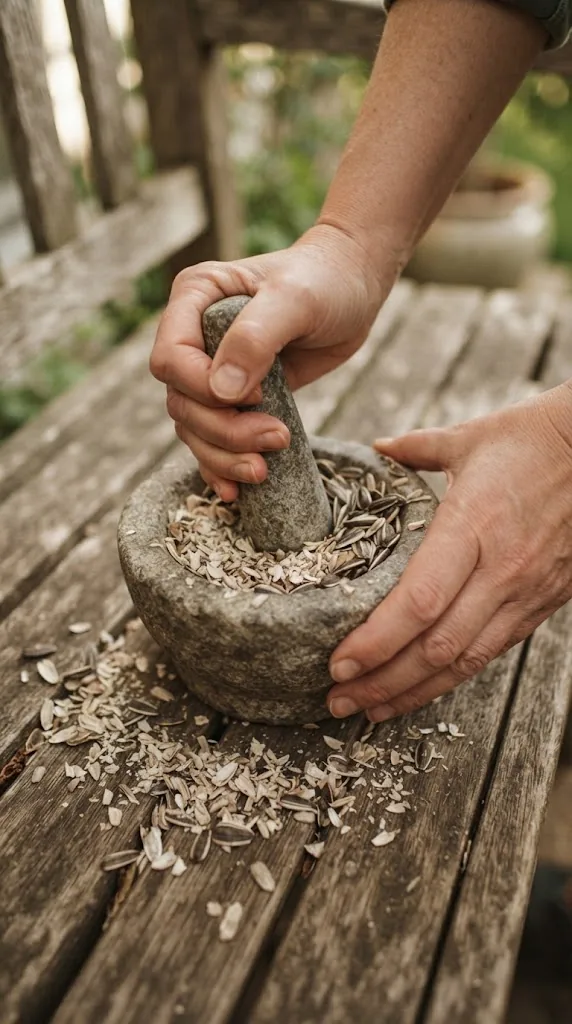
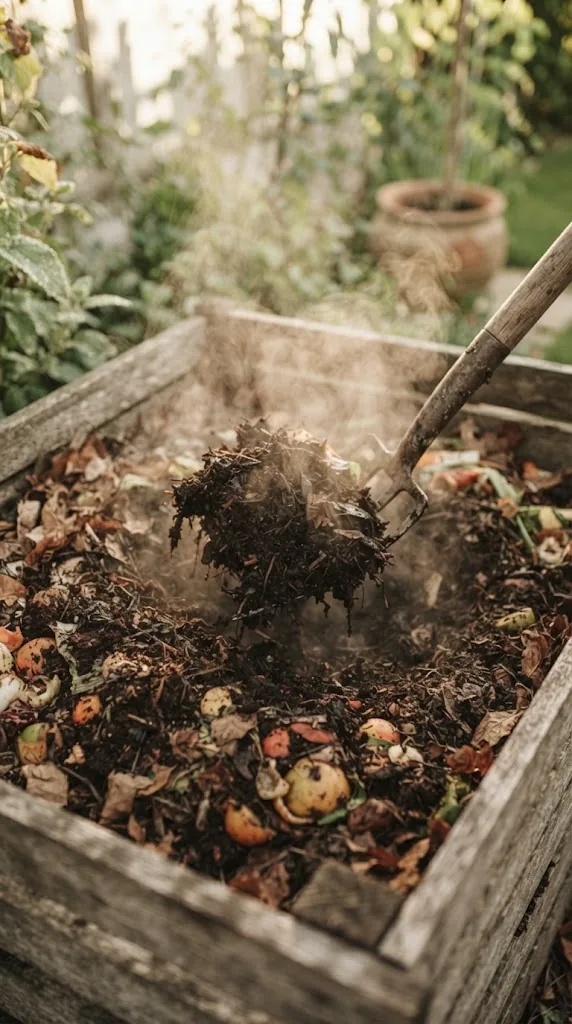
- Crush or grind the seeds and shells to increase surface area for microbes.
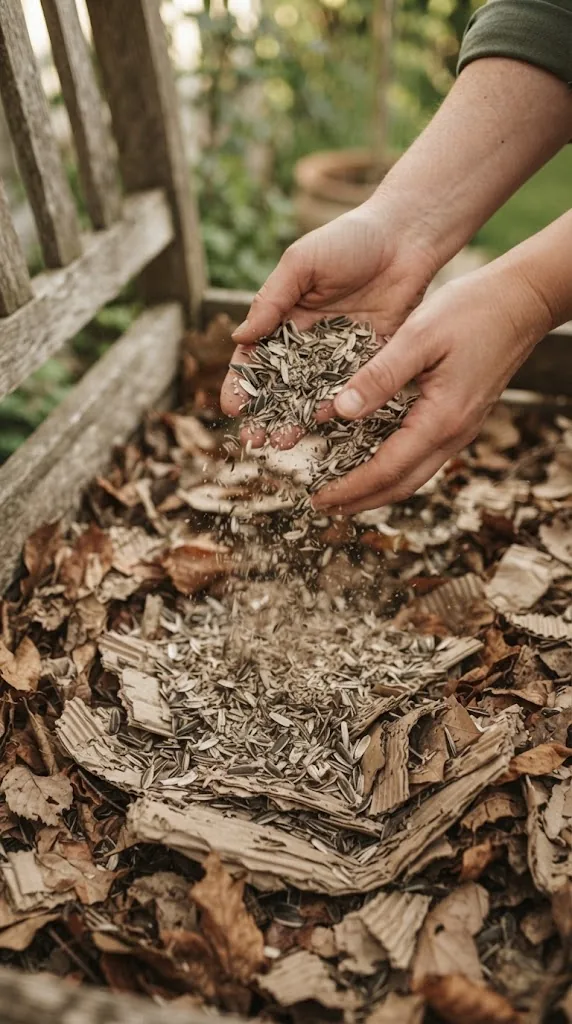
- Mix the seeds thoroughly into the carbon-rich brown materials of your pile.
- Keep the compost pile adequately moist and well-aerated.
- Turn the pile regularly to speed up the breakdown of the tough hulls.
How much sunflower seeds can you add to compost?
You can safely add sunflower seeds to your home compost pile in moderate amounts, keeping them to less than ten percent of your total green or brown volume depending on whether they are raw or roasted. Pair them with plenty of carbon-rich browns like dry leaves or shredded cardboard to balance their concentrated oils and nitrogen. If you notice a sudden spike in unwanted pests around your bin or if the pile starts developing a slick, greasy texture, you have added too much at once.
Which types of sunflower seeds can you compost?
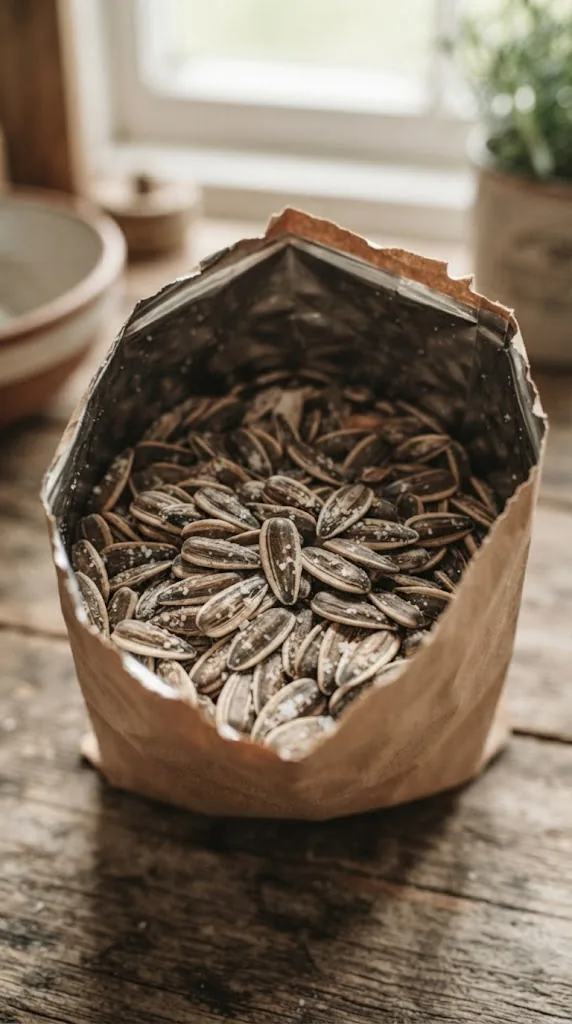
- Raw unsalted seeds: Yes. These break down naturally without introducing excessive sodium or artificial oils that might disrupt your pile.
- Salted and roasted seeds: Sometimes. High sodium levels can harm beneficial microbes and attract pests, so add them in very small quantities and rinse if heavily salted.
- Whole sunflower heads: Yes. The heavy woody stalks and flower disk take a long time to decay, so chop them into smaller pieces before composting.
Watch out for
- Salted seeds can introduce too much sodium, which harms beneficial soil microbes.
- Whole seeds and shells can take over a year to decompose in a cold, inactive pile.
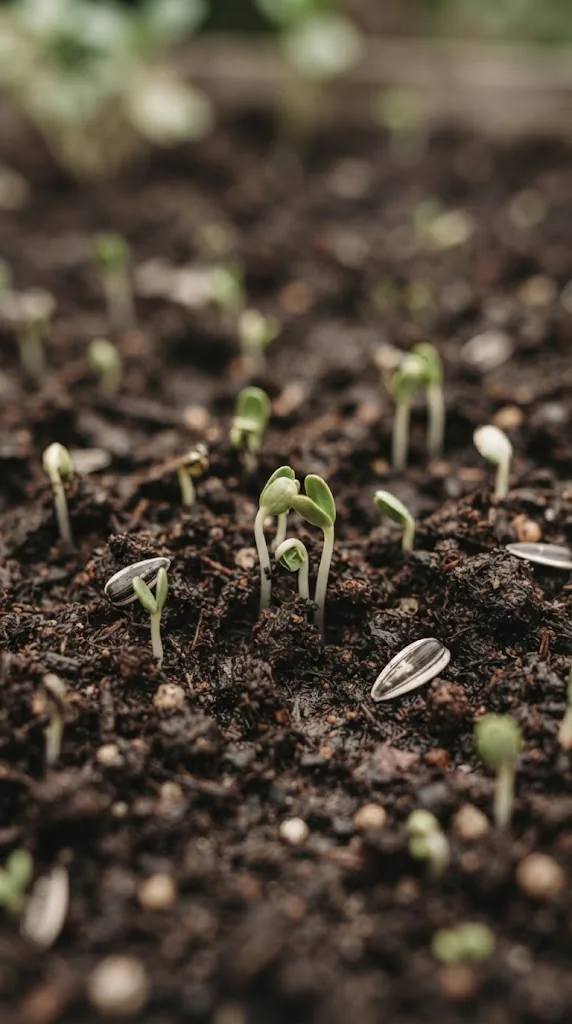
- Uncrushed seeds may easily sprout in your garden bed if the compost is not hot enough.
- Aromatic oils in the seeds can attract rodents and other unwanted pests to your bin.
Other ways to use sunflower seeds
- Offer raw, unsalted seeds to backyard birds in a feeder
- Save a few raw seeds to plant next spring
- Throw them in the household trash if treated with heavy oils or excessive salt
Troubleshooting sunflower seeds in compost
- The seeds and shells are not breaking down after many months. Crush the hard outer hulls thoroughly with a hammer or blender to increase surface area for microbial action.
- Live sunflower sprouts are appearing all over your finished compost. Ensure your pile reaches hot composting temperatures above 130 degrees Fahrenheit to kill any viable seeds, or bury them deeper in the center.
- Rodents are digging through your bin to reach the seeds. Bury the seeds deep within the pile and switch to a secure, pest-resistant enclosed container with a tight lid.
Myths about composting sunflower seeds
- Myth: Sunflower shells create allelopathic toxins that permanently ruin your garden soil. Truth: While fresh hulls contain germination inhibitors to prevent nearby competition in nature, these natural compounds break down completely during proper composting.
- Myth: You can never compost salted snack seeds under any circumstances. Truth: You can compost salted seeds if you distribute them in small quantities across a large, well-watered pile where the salt will be safely diluted.
Can sunflower seeds go in a green bin or recycling?
Municipal green bins and curbside yard waste programs generally accept sunflower seeds and whole stalks, especially if they are mixed with lawn trimmings or leaves. If you are tossing packaged snack seeds, make sure to remove any plastic or foil-lined packaging before placing the contents in your organic waste bin. Because industrial composting facilities handle high temperatures and large volumes better than backyard systems, they process tough hulls quite easily. Always check your local municipal waste guidelines for specific accepted food scrap rules.
Does composting sunflower seeds attract pests?
Yes, composting sunflower seeds can attract pests to your bin. Aromatic oils and rich fats in the seeds are a powerful draw for unwanted animals, particularly rodents like rats and mice, as well as scavenging insects. If you throw in roasted, salted, or whole seeds without proper management, these creatures are much more likely to investigate your pile looking for an easy meal.
- Crush the seeds and tough shells thoroughly before adding them to increase surface area.
- Bury the seeds deep within the center of the compost pile rather than leaving them exposed on top.
- Mix the seeds thoroughly into the carbon-rich brown materials of your pile.
- Use a secure, enclosed compost bin with a tight-fitting lid to keep rodents out.
Common questions
Can I compost salted or roasted sunflower seeds?
Yes, but in moderation. Excess salt can disrupt the microbial balance in your compost bin, so it is best to rinse off heavily salted seeds or add them in small amounts.
Why are the sunflower seed shells still visible in my finished compost?
Sunflower hulls contain high amounts of lignin, a tough plant polymer that resists rapid decomposition. You can sift them out and throw them back into a new pile to break down further.
Will sunflower seeds in compost attract rodents?
Yes, rodents love seeds. To prevent pests, make sure to bury the seeds deep inside the center of your compost pile rather than leaving them sitting right on top.
Are sunflower seeds biodegradable?
Yes. Sunflower seeds and their hulls are biodegradable, but the hulls are tough and can take 6-12 months. Crushing them speeds it up.
Rules vary by town and by composting method. When in doubt, check with your local composting or waste program.