
You can sometimes compost tobacco in very small amounts, but raw or treated tobacco often contains persistent chemical pesticides that can harm your compost pile.
Why
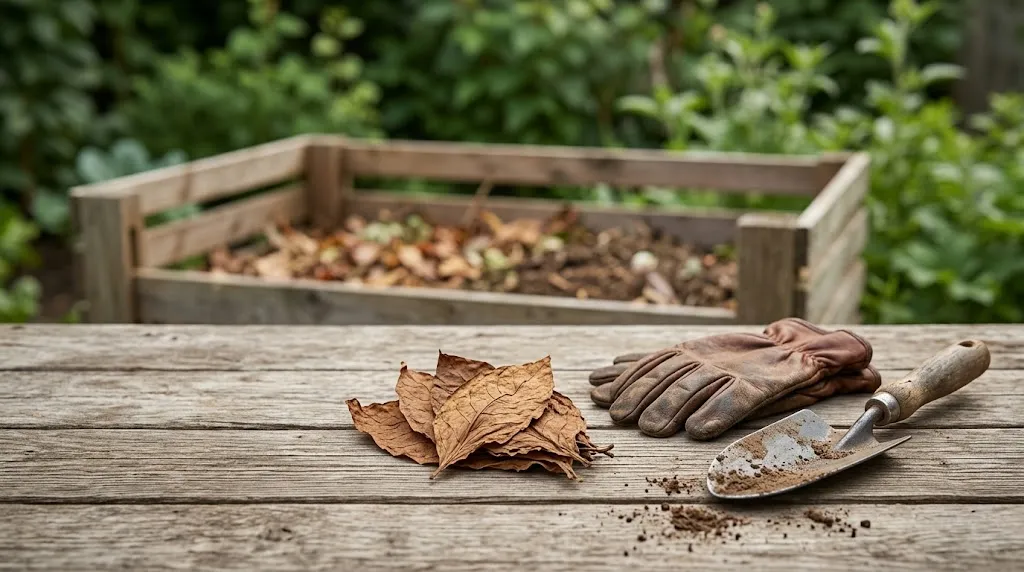
Tobacco leaves are plant matter and will technically decompose over time. However, commercial tobacco products are frequently treated with strong insecticides, fungicides, and synthetic growth inhibitors. These chemical residues do not break down easily and can survive the composting process, potentially killing beneficial soil microbes, earthworms, and even contaminating garden plants grown with the finished compost. Furthermore, the nicotine in tobacco acts as a natural toxin and pesticide, which can disrupt the delicate biological balance of a home compost bin if added in large quantities.
Quick facts
| Carbon to nitrogen | About 25:1 |
|---|---|
| Hot pile | 2-4 months |
| Cold pile | 6-12 months |
| Worm bin | No · Nicotine and pesticides are toxic to worms. |
| Bokashi | Sometimes · Use only in very small quantities. |
| City green bin | Usually accepted; check local municipal guidelines. |
| Prep | Remove filters and plastic components. |
| Mix with | Mix with high-carbon materials like dry leaves or straw. |
| Pest risk | Low · Strong scent may deter some pests but avoid large piles. |
How to compost tobacco
- Ensure the tobacco is strictly organic and free from chemical treatments or heavy flavoring agents.
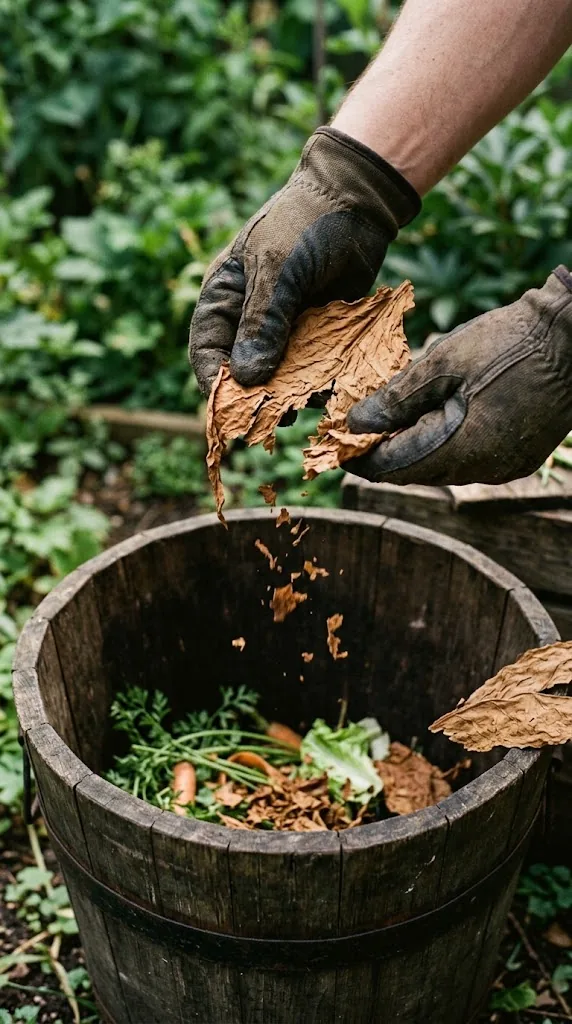
- Tear or shred the tobacco leaves into smaller pieces to speed up the microbial breakdown process.
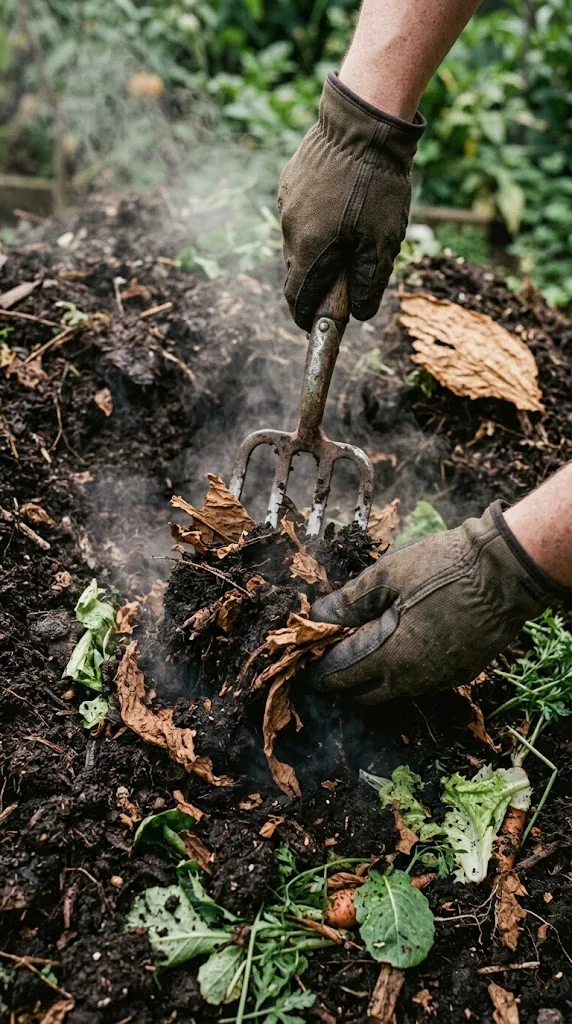
- Mix the tobacco thoroughly into the middle of a hot, active compost pile to help neutralize toxins.
- Limit the quantity drastically to avoid overwhelming the beneficial bacteria and worms in your bin.
How much tobacco can you add to compost?
You should limit tobacco to less than one percent of your total pile volume per addition. Pair it with a generous amount of carbon-rich brown materials like shredded dry leaves or cardboard to balance its moisture and neutralize potential toxins. If you notice a sudden drop in earthworm activity, stagnant decomposition, or a strange chemical odor coming from the center of your bin, you have added far too much tobacco.
Which types of tobacco can you compost?
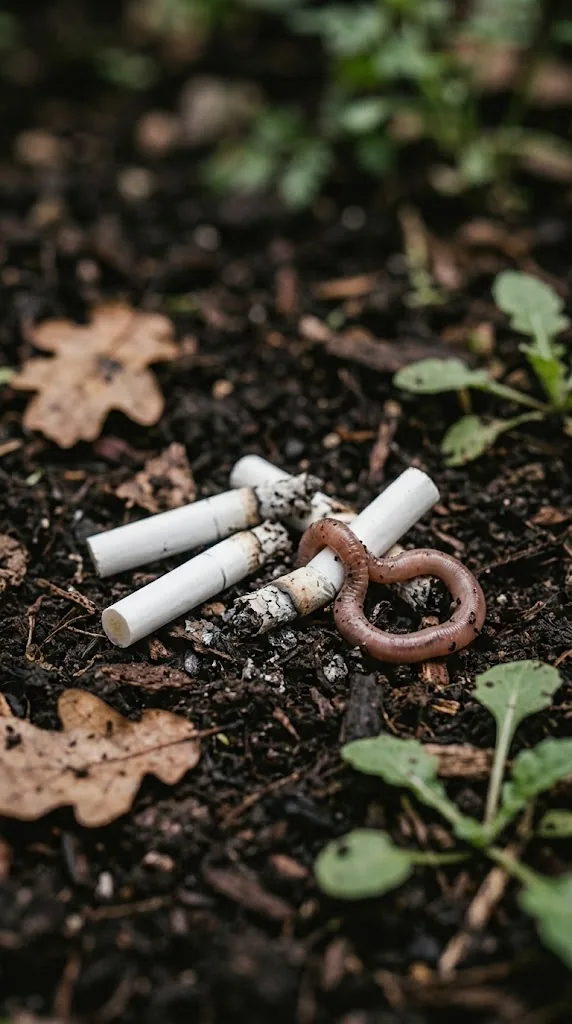
- Cigarette butts: No. Commercial cigarette filters are made of non-biodegradable cellulose acetate and trap concentrated heavy metals.
- Organic loose leaf tobacco: Sometimes. Unprocessed and pesticide-free leaves decompose safely if shredded and mixed thoroughly into a hot pile.
- Flavored pipe tobacco: No. Added sugars, artificial flavorings, and humectants can attract unwanted pests and disrupt microbial balance.
- Commercial cigarette tobacco: No. Factory-processed cigarette tobacco typically contains persistent synthetic pesticides and chemical additives.
Watch out for
- Chemical pesticides and synthetic additives can persist in finished compost and harm garden plants.
- High concentrations of nicotine can kill earthworms and beneficial soil microorganisms.
- Commercial cigarette butts contain synthetic cellulose acetate filters and chemical residues, which must never be composted.
What to do instead
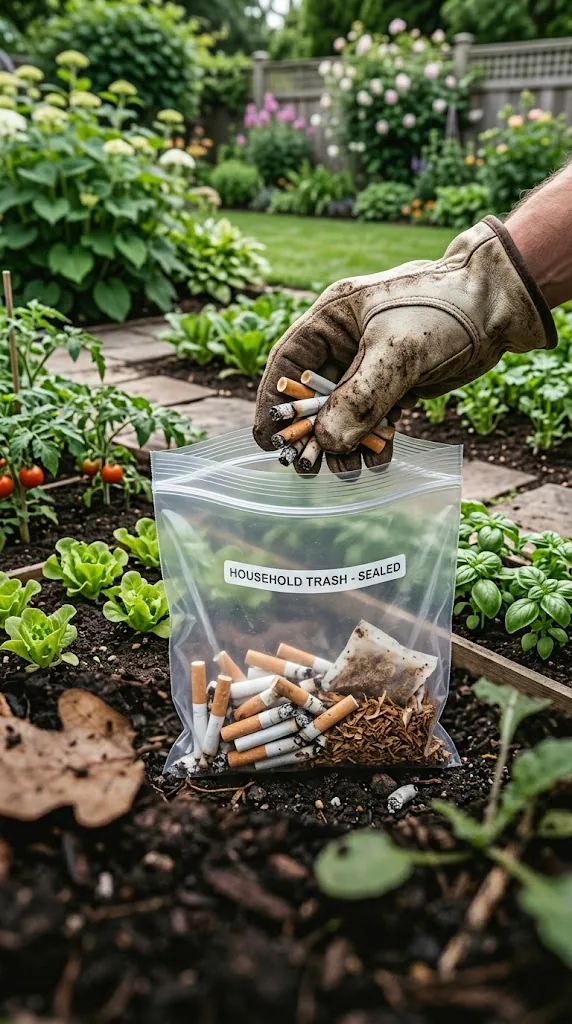
- Bag it securely and dispose of it in household trash
- Return unused organic tobacco to the soil away from food gardens
Troubleshooting tobacco in compost
- Decomposition stalls completely after adding tobacco leaves. The natural nicotine content may be inhibiting microbes. Turn the pile and add more nitrogen-rich green materials to dilute the concentration.
- Earthworms are fleeing the section of the bin containing the tobacco. Remove the remaining tobacco pieces immediately and flush the area with water to dilute any lingering nicotine toxins.
- Leaves dry out completely and fail to break down. Shred the leaves into finer particles and mist them with water before burying them deep inside the moist core of the pile.
Myths about composting tobacco
- Myth: Tobacco acts as a helpful pesticide that kills all bad bugs in the compost pile. Truth: While nicotine is a natural toxin, it also harms beneficial soil microbes and earthworms that are essential for healthy decomposition.
- Myth: All plant leaves, including processed smoking tobacco, decompose safely and naturally. Truth: Commercial tobacco is heavily treated with synthetic chemicals and curing agents that persist through the composting process.
Can tobacco go in a green bin or recycling?
Municipal green bins and commercial food-waste collection programs almost universally reject tobacco waste due to the presence of synthetic chemical pesticides and nicotine residues. Curbside recycling programs also will not accept it under any circumstances. You should always bag unused tobacco securely and place it directly into your regular household trash container. Be sure to check your local waste management guidelines before attempting any alternative disposal methods.
Does composting tobacco attract pests?
Adding tobacco to your compost pile does not typically attract common pests like rodents or insects. Because tobacco is not a food source and contains natural toxins like nicotine, animals and bugs tend to avoid it. By mixing small amounts of organic tobacco deeply into your pile and covering it with a thick layer of carbon-rich brown materials, you can easily maintain the bin without drawing unwanted attention from scavengers.
- Keep quantities very small to avoid disrupting the pile's natural balance.
- Tear or shred leaves into smaller pieces before adding them.
- Bury the tobacco deep within the center of a hot compost pile.
- Cover the material thoroughly with dry brown matter to hide any residual odors.
Common questions
Can I compost cigarette butts?
No, cigarette butts contain non-biodegradable plastic filters, toxic heavy metals, and chemical additives that will ruin your compost and pollute the soil.
Will nicotine kill the worms in my worm bin?
Yes, nicotine is a potent natural pesticide and neurotoxin that can easily kill earthworms and red wigglers if introduced in significant amounts.
Can I use compost containing tobacco on vegetable gardens?
It is risky because residual tobacco mosaic virus or synthetic pesticides can transfer to sensitive food crops like tomatoes and peppers, stunting their growth.
Is tobacco biodegradable?
The tobacco leaf itself is biodegradable in a few weeks. Cigarette filters are cellulose acetate plastic and are not, and nicotine plus pesticide residues can harm soil life.
Rules vary by town and by composting method. When in doubt, check with your local composting or waste program.