
No, you cannot compost toothpaste. It contains artificial ingredients, fluoride, and antibacterial agents that can harm soil microbes and beneficial compost worms.
Why
Toothpaste is formulated to clean teeth and fight bacteria using synthetic detergents, artificial flavorings, and active chemical compounds like fluoride. When introduced to a home compost pile, these antibacterial agents can kill off the essential microorganisms and earthworms needed to break down organic matter. Many toothpastes also contain synthetic polymers and thickeners that do not break down in a home pile and can leave unwanted residues in your finished compost.
Quick facts
| Carbon to nitrogen | Not applicable |
|---|---|
| Hot pile | Does not break down |
| Cold pile | Does not break down |
| Worm bin | No · Antibacterial agents and fluoride will harm worms |
| Bokashi | No · Chemicals disrupt the fermentation process |
| City green bin | Not accepted in most municipal food waste programs |
| Prep | Not applicable |
| Mix with | Not applicable |
| Pest risk | Not applicable · Do not compost |
How to get rid of toothpaste
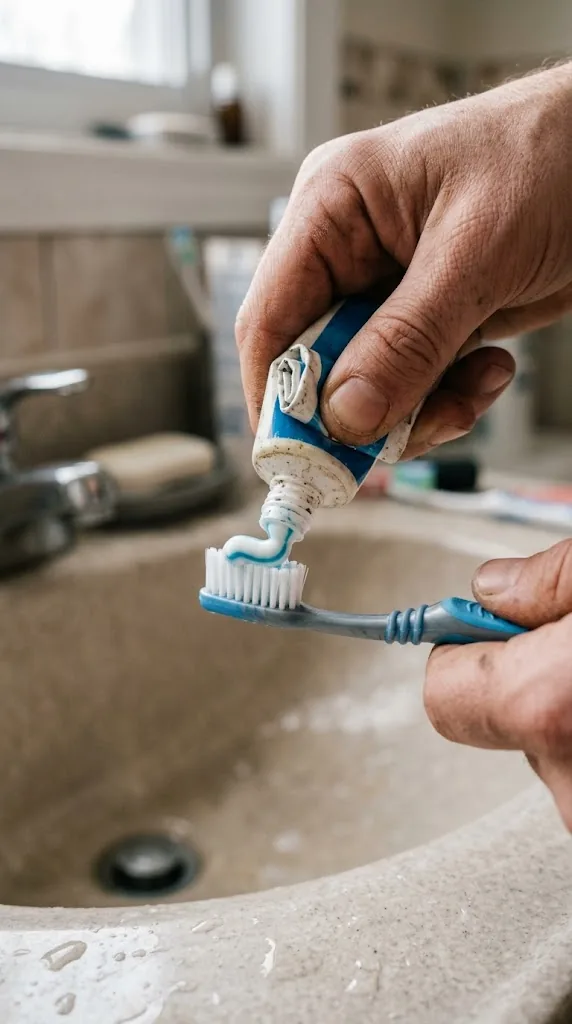
- Use up the tube, and put any leftover paste in the trash rather than the compost bin or garden.
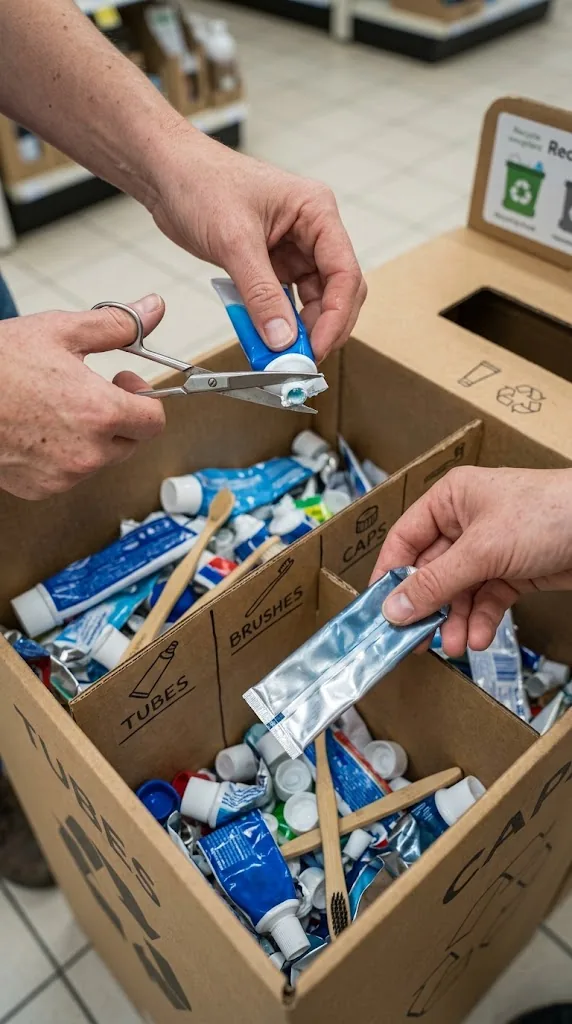
- Check if your local municipality has a specialized recycling program for empty toothpaste tubes.
- Dispose of empty plastic tubes in your household landfill waste bin.
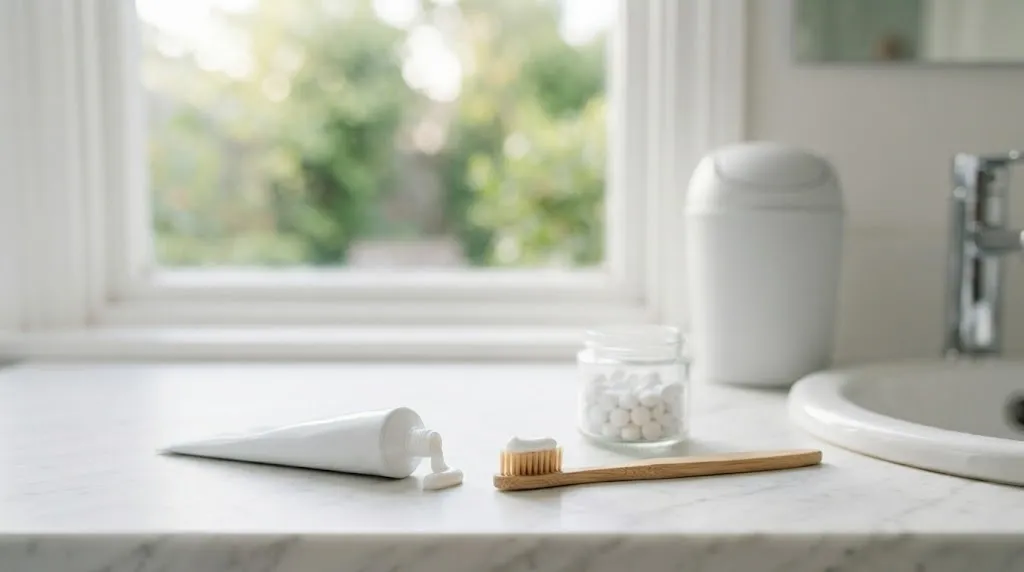
- Consider switching to plastic-free tooth powder or solid toothpaste tablets packaged in recyclable or home-compostable containers if you want a zero-waste routine.
Which types of toothpaste can you compost?
- Traditional gel toothpaste: No. Contains synthetic dyes, artificial polymers, and antibacterial agents that disrupt microbial activity and leave chemical residues.
- Natural or organic toothpaste: No. Even without synthetic detergents, heavy essential oils and antimicrobial plant extracts can still harm beneficial soil bacteria and worms.
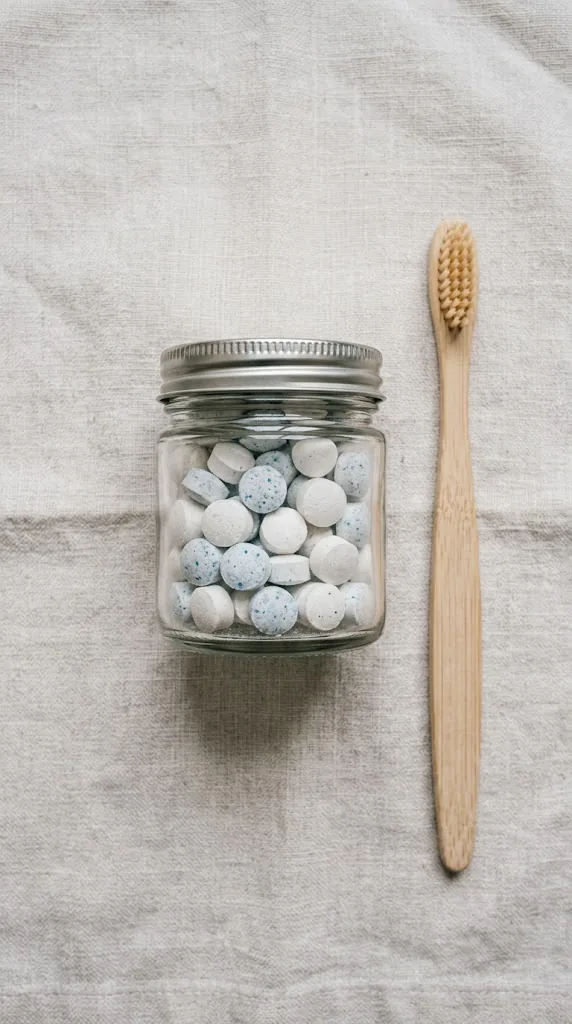
- Toothpaste tablets: No. While often sold in eco-friendly packaging, the concentrated active ingredients and binders are formulated to fight bacteria and resist quick breakdown.
- Charcoal toothpaste: No. Activated charcoal is highly stable and does not readily decompose, plus it can absorb and bind to nutrients in the compost.
Watch out for
- Antibacterial compounds can disrupt the biological balance of your compost bin.
- Artificial sweeteners and fluoride can leach into finished compost used for food crops.
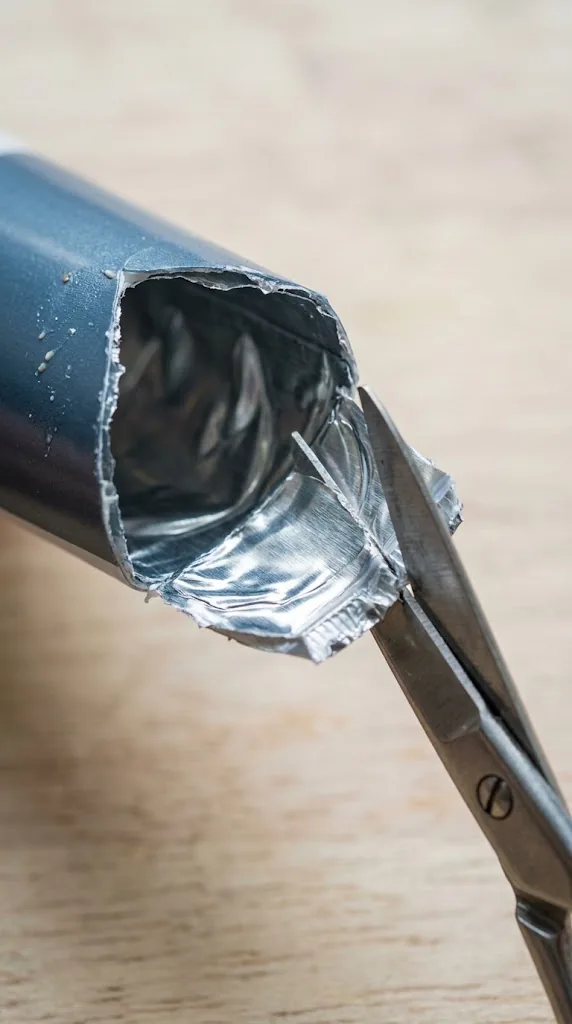
- Plastic and laminated aluminum tubes are not compostable under any circumstances.
What to do instead
- Throw in the household trash
- Check for TerraCycle or brand-specific oral care recycling drop-offs
- Switch to zero-waste tooth tablets
Myths about composting toothpaste
- Myth: Natural herbal toothpastes are fully organic and safe for worms. Truth: Natural ingredients like tea tree oil or baking soda in high concentrations can still create a toxic environment for composting worms and beneficial microbes.
- Myth: A microscopic amount of toothpaste rinsed down the sink into a pile is fine. Truth: While trace amounts on a rinsed brush are usually diluted enough to cause no real harm, regular washing of toothpaste residue into a small bin can accumulate.
Can toothpaste go in a green bin or recycling?
Municipal green bins and industrial food-waste composting facilities generally reject toothpaste and its packaging because the antibacterial agents interfere with large-scale biological digestion systems. Furthermore, standard curbside recycling programs rarely accept empty toothpaste tubes due to their multi-layer laminated construction containing bonded plastics and aluminum. You should always throw used tubes directly into your household landfill waste bin unless you are utilizing a specialized mail-in oral care recycling stewardship program.
Common questions
Is organic or natural toothpaste compostable?
No. Even natural toothpastes often contain essential oils, clays, and minerals that can disrupt the microbial balance in a home composting system.
What happens if I accidentally get toothpaste in my compost?
A tiny dab on a toothbrush rinsed into a large pile will likely be diluted enough not to cause immediate harm, but deliberate disposal should be avoided.
Are toothpaste tubes compostable if they are made of paper?
Almost all toothpaste tubes feature a hidden plastic or metallic lining to keep the moisture in, making them unsuitable for home composting.
Is toothpaste biodegradable?
Partly. Some ingredients break down, but toothpaste also contains antibacterial agents, fluoride and sometimes microplastic beads. Tubes are plastic and are not biodegradable.
Rules vary by town and by composting method. When in doubt, check with your local composting or waste program.