
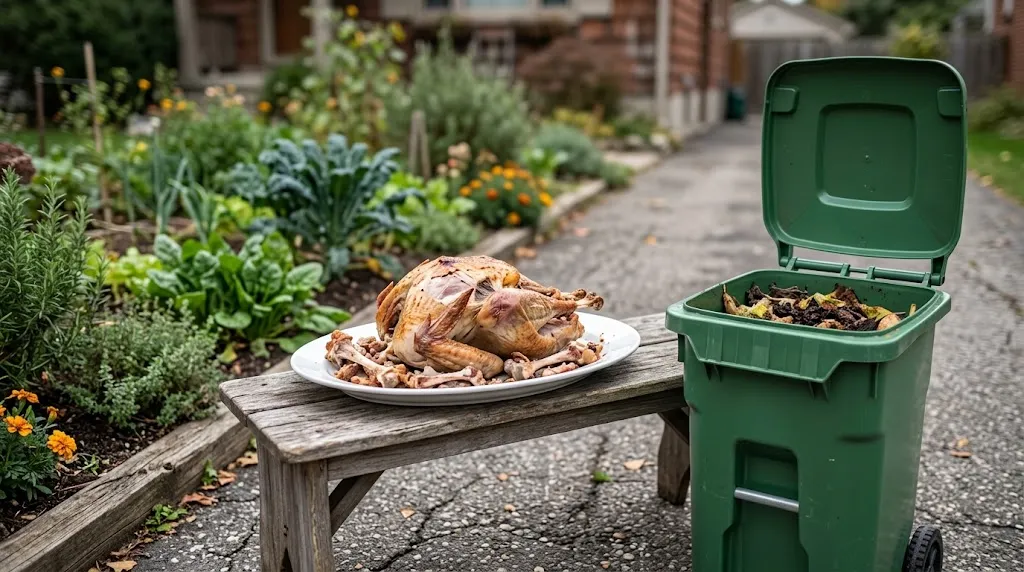
You can compost turkey bones in a hot composting system or industrial facility, but they do not belong in a standard backyard cold compost pile.
Why
Turkey bones are extremely dense and take years to break down completely in a standard cold backyard compost bin. They can also attract unwanted pests like rodents, raccoons, and dogs due to lingering fats and aromas. However, in a properly managed hot compost pile that reaches sustained high temperatures, or through municipal commercial composting facilities, bones will eventually soften and break down into the soil, providing valuable calcium and phosphorus.
Quick facts
| Carbon to nitrogen | About 10:1 |
|---|---|
| Hot pile | 3-6 months |
| Cold pile | Does not break down |
| Worm bin | No · Too tough for composting worms |
| Bokashi | Sometimes · Crush first and ferment for a long time |
| City green bin | Accepted in most municipal green bins |
| Prep | Wash, boil, and crush into small pieces |
| Mix with | Bury deep in the center of the pile |
| Pest risk | High · Meat scent attracts rodents easily; bury deep |
How to compost turkey bones
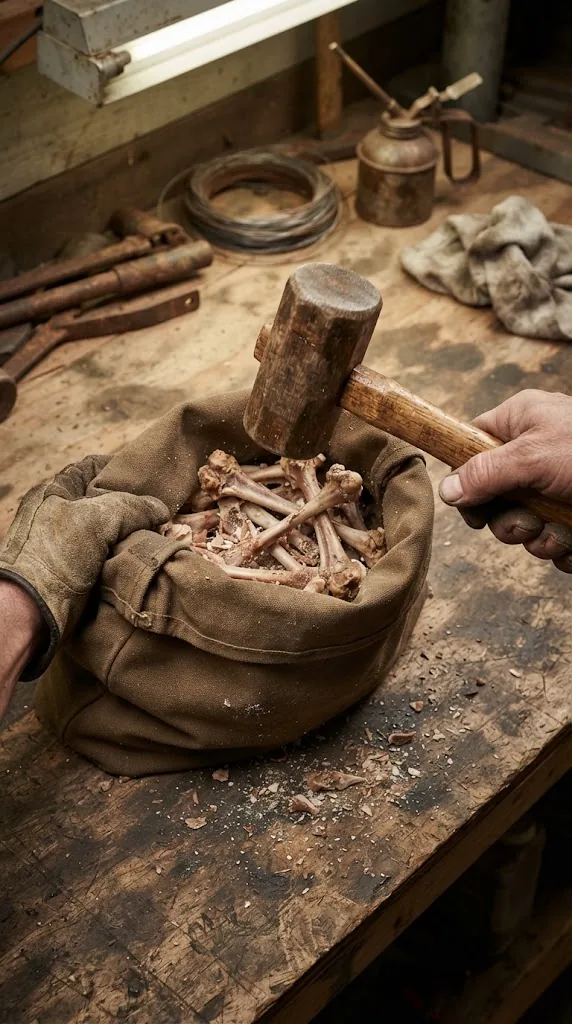
- Crush or grind the turkey bones into smaller pieces before adding them to speed up the mechanical breakdown process.
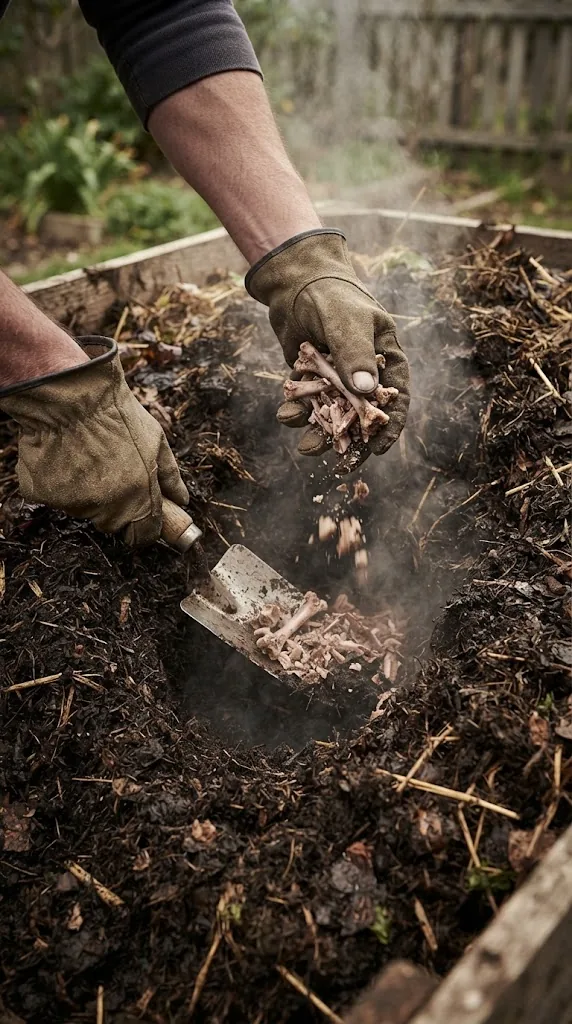
- Bury the bones deep in the center of a very active hot compost pile to help them decompose faster and mask odors.
- Send the bones to a municipal or industrial composting facility that accepts meat and bones if your backyard setup is basic.
- Sift finished compost to retrieve any unground bone fragments and toss them back into a new pile for further breakdown.
How much turkey bones can you add to compost?
In a hot composting system, limit turkey bones to no more than five percent of your total pile volume per addition. Because they are a nitrogen-rich protein source, always bury them deep within a high-carbon brown layer like shredded cardboard or dry leaves to neutralize odors. If you notice a foul, rotting smell or see increased pest activity around your bin, you have added too much and should immediately stop adding meat scraps until the pile stabilizes.
Which types of turkey bones can you compost?
- Raw turkey bones: Sometimes. Raw bones are slightly less attractive to pests than cooked ones but still require a high-heat environment to break down effectively.
- Cooked turkey bones: Sometimes. These are highly attractive to scavengers due to residual fats and require careful burial in a hot pile to avoid attracting rodents.
- Ground turkey bone meal: Yes. When pulverized into a fine powder, bones break down significantly faster and can be safely added to most compost systems.
Watch out for
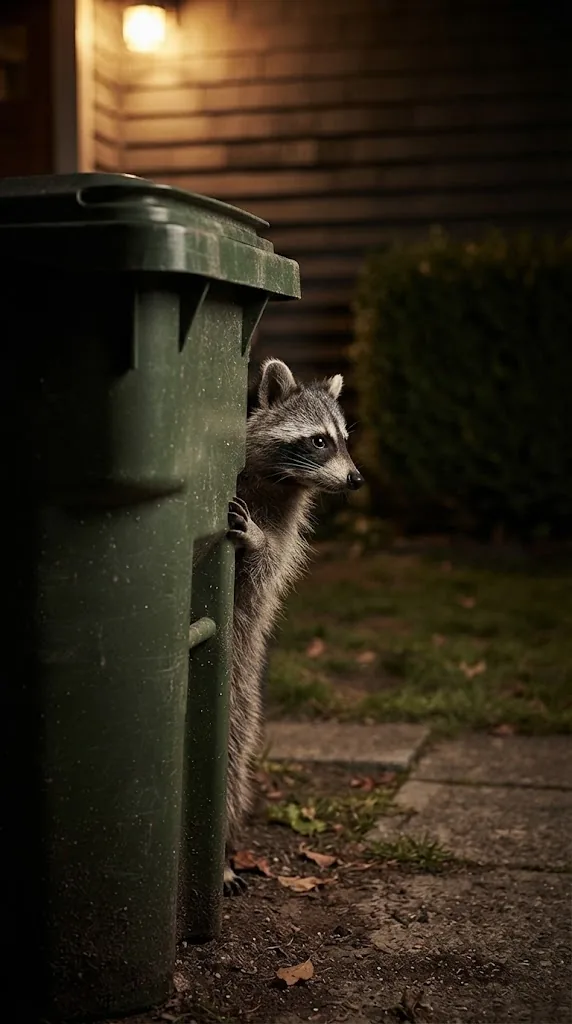
- Pests and scavengers are easily attracted to the scent of cooked turkey and may dig through your bin.
- Pathogens from cooked meat can survive in cold piles and potentially contaminate your garden soil.
- Standard backyard tumblers and cold piles will simply mummify bones rather than decompose them.
What to do instead
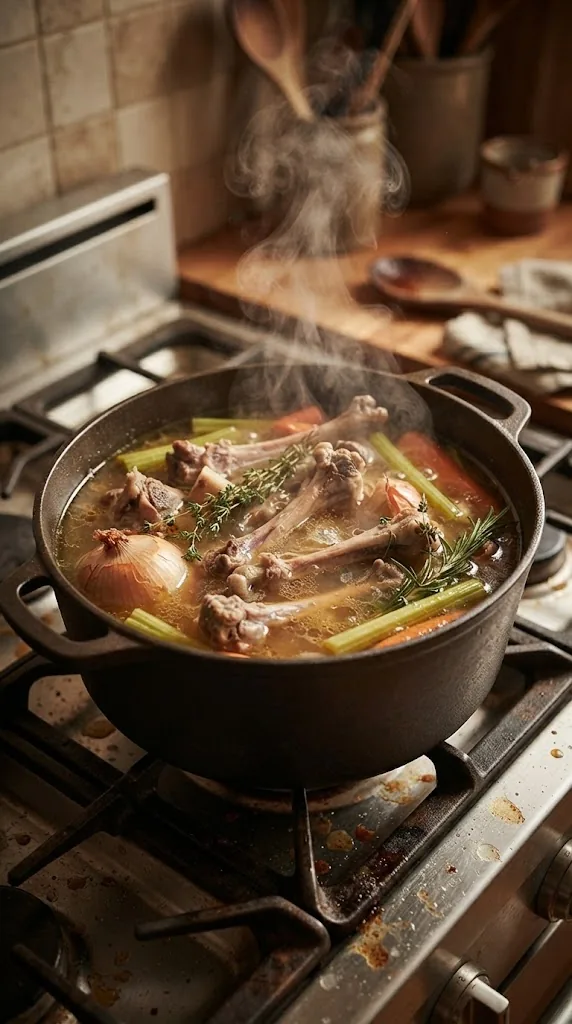
- Boil the bones down to make a nutrient-rich bone broth or soup stock before disposal.
- Crush them up to use as a natural soil amendment or calcium source for specific garden plants like tomatoes.
- Throw them in the municipal household trash if commercial composting is not available.
🦃 Cleaning up after Thanksgiving? See the full Thanksgiving leftovers composting list: what goes in, what needs a hot pile, and what to keep out.
Troubleshooting turkey bones in compost
- Persistent foul odors Ensure the bones are buried at least twelve inches deep in the center of the pile and add more carbon-rich materials to absorb moisture.
- Pest intrusion Secure your compost bin with hardware cloth or a heavy-duty lid to prevent rodents from digging into the pile to reach the bones.
- Slow decomposition Use a hammer or heavy mallet to crush the bones into smaller fragments before adding them to increase the surface area for microbes.
Myths about composting turkey bones
- Myth: Bones provide immediate nutrients to garden plants. Truth: Bones must fully decompose into the soil matrix before their calcium and phosphorus become bioavailable to plant roots.
- Myth: All bones are safe for backyard compost piles. Truth: Only hot piles can safely process bones; cold piles will simply preserve them, creating a long-term attractant for local wildlife.
Can turkey bones go in a green bin or recycling?
Many municipal green waste programs now accept meat and bones, but policies vary significantly by region. Before placing turkey bones in your curbside food-waste bin, check your local waste management website to confirm they accept animal proteins. Remove any plastic ties, foil, or non-compostable packaging before disposal. If your city does not explicitly list bones as accepted, it is safer to place them in your regular household trash to avoid contaminating the municipal compost stream.
Does composting turkey bones attract pests?
Turkey bones can definitely attract unwanted pests and scavengers to your compost pile. Rodents like rats and mice, as well as raccoons and dogs, are easily drawn to the bin because of the lingering fats, oils, and aromas of cooked meat remaining on the bones. If left exposed or in a standard cold pile, these animals will dig through your compost, creating a mess and potentially spreading unwanted pathogens throughout your yard.
- Crush or grind the turkey bones into smaller pieces before adding them.
- Bury the bones deep in the center of a very active hot compost pile.
- Use a secure, pest-resistant bin with a tight-fitting lid.
- Send the bones to a municipal industrial composting facility instead if your setup is basic.
Why turkey bones come out of the pile looking brand new
Bones are mostly mineral, packed tight and very dense, so the microbes that finish a banana peel in weeks barely touch them. In a standard cold backyard pile they do not rot at all: they dry out and are preserved, which is why gardeners dig up bones that look almost new a year later. Even a well-managed hot pile needs one to three years.
If you run a hot pile, crush the bones first, bury them at least twelve inches deep in the center, cover them with a thick layer of browns, and keep them under five percent of the pile. Sift the finished compost and send any leftover pieces back into a new pile. Otherwise, make bone broth first and put the bones in your green bin (if your city accepts them) or the trash.
Common questions
Can I put turkey bones in my worm bin?
No, you should never put cooked turkey bones or meat scraps in a vermicomposting bin. Worms cannot break down bones, and the rotting meat will attract pests, create terrible odors, and ruin the bin environment.
Will turkey bones attract rats to my compost?
Yes, leftover meat and bones are prime attractants for rats, mice, raccoons, and neighborhood pets. If you have a backyard wildlife problem, it is best to keep all meat and bones out of your compost.
Can I grind turkey bones for the garden?
Yes, if you have a heavy-duty garden shredder or bone meal grinder, you can crush them into powder. This creates a fantastic homemade bone meal fertilizer rich in calcium and phosphorus.
Are turkey bones biodegradable?
Yes, but very slowly. Bones are mostly mineral and can take years. A hot pile or an industrial facility can break them down, while a cold backyard pile mostly dries them out.
Rules vary by town and by composting method. When in doubt, check with your local composting or waste program.