
No, you should not compost vacuum dirt because it often contains synthetic fibers, heavy metals, chemical residues, and potentially harmful pathogens.
Why
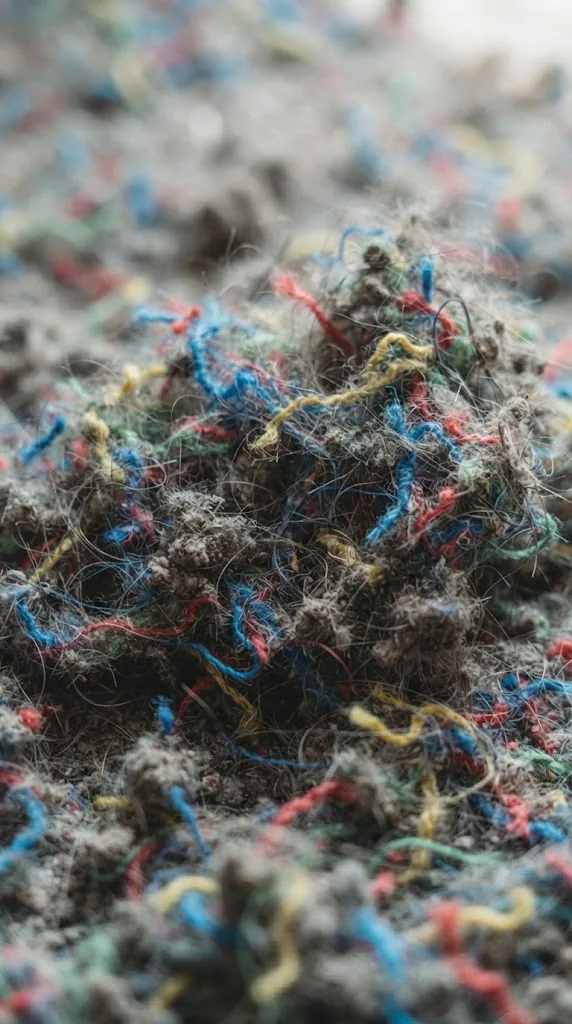
While vacuum contents might seem mostly organic like dust, hair, and skin flakes, modern household dust is a complex mixture of pollutants. It frequently collects synthetic microfibers from carpets and furniture, residues from cleaning products, flame retardants, pesticides tracked in from outdoors, and heavy metals like lead. Introducing these toxins into your home compost bin can contaminate your finished compost, making it unsafe for use on food crops or garden beds. Furthermore, vacuum bags can harbor pet waste particles or toxic residues that do not break down safely.
Quick facts
| Carbon to nitrogen | Not applicable |
|---|---|
| Hot pile | Does not break down |
| Cold pile | Does not break down |
| Worm bin | No · Synthetic fibers and chemical residues harm worms. |
| Bokashi | No · Chemicals and microplastics are not broken down by bokashi. |
| City green bin | Usually not accepted; check local rules |
| Prep | Not applicable |
| Mix with | Not applicable |
| Pest risk | Not applicable · Do not compost. |
How to get rid of vacuum dirt
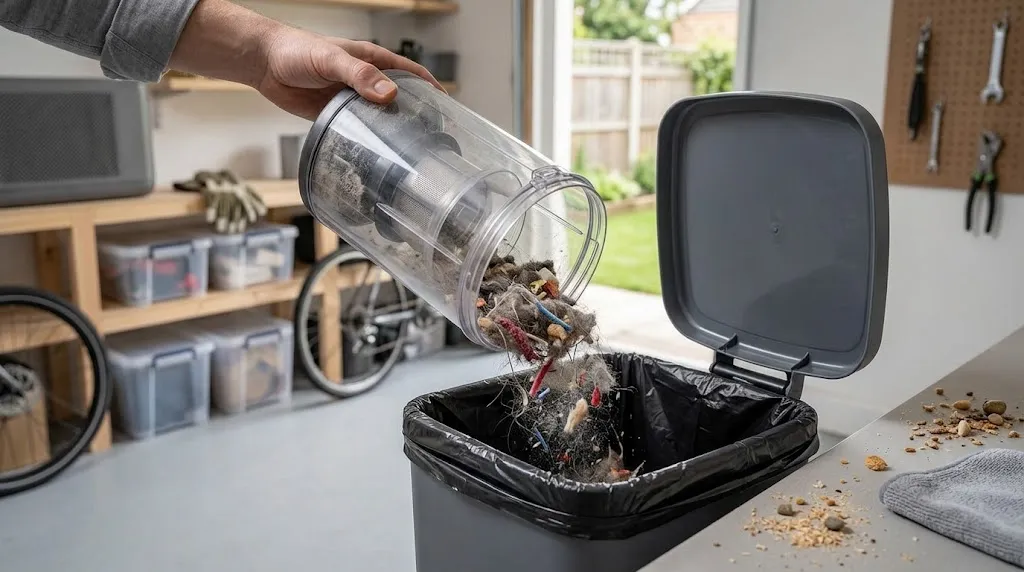
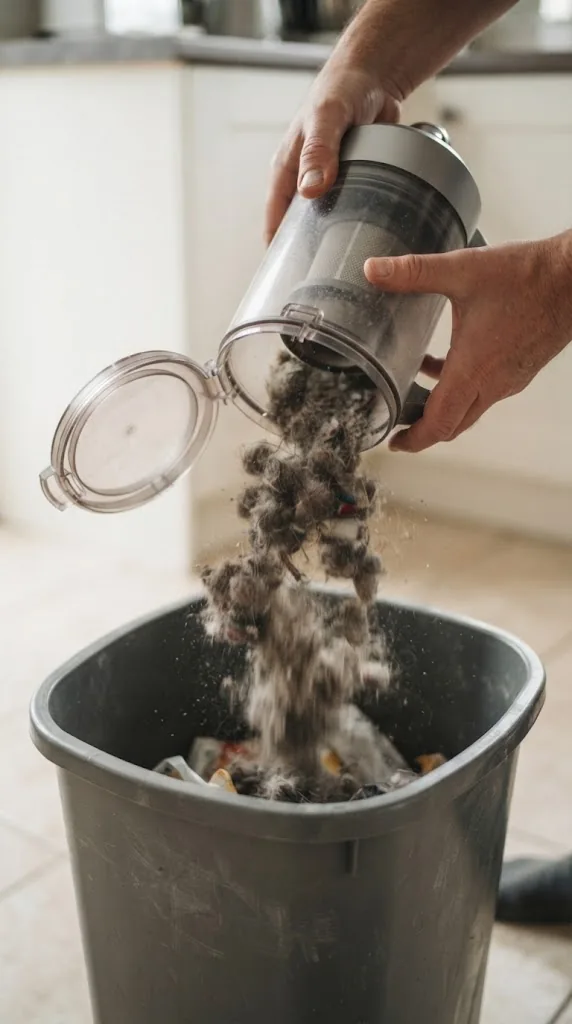
- Empty your vacuum bag or canister directly into the household trash bin.
- Tie off disposable bags securely to prevent dust from escaping into the air.
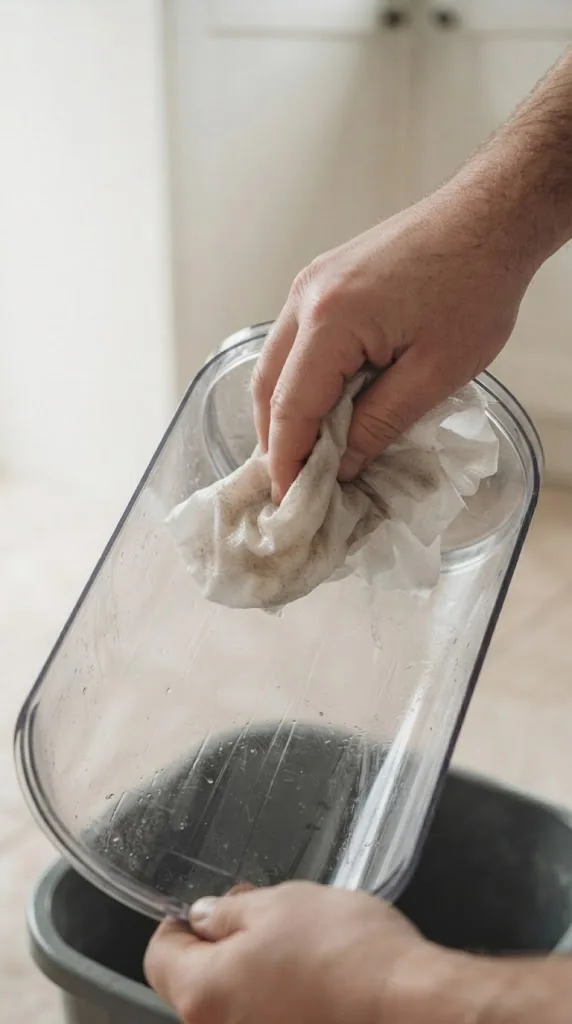
- Wipe out hard canisters with a damp paper towel and throw the towel in the trash.
- Wash reusable vacuum filters according to the manufacturer instructions rather than attempting to compost them.
Which types of vacuum dirt can you compost?
- bagless vacuum canister contents: No. Contains a concentrated mix of microplastics, carpet fibers, and heavy metals that will ruin your compost.
- bagged vacuum contents: No. Along with dirt and hair, the debris includes chemical residues from indoor treatments and synthetic dust.
- robot vacuum dustbin contents: No. Gathers microscopic flooring wear particles and chemical binders that do not belong in garden soil.
Watch out for
- Synthetic microfibers will persist indefinitely in your garden soil.
- Chemical residues from carpet cleaners and household sprays can disrupt beneficial compost microbes.
- Heavy metals accumulate in compost and can eventually be absorbed by edible plants.
What to do instead
- Throw the vacuum contents directly into your regular household trash container.
- Secure contents in a sealed plastic bag before disposal to keep fine dust contained.
Myths about composting vacuum dirt
- Myth: Vacuum dirt is mostly organic skin flakes and hair, so it will naturally break down in the compost bin. Truth: While hair and skin cells are organic, they are trapped alongside a dense matrix of synthetic microfibers, flame retardants, and urban heavy metals.
- Myth: If you have a natural fiber rug and hardwood floors, your vacuum dirt is safe to compost. Truth: Even without synthetic carpets, household dust invariably collects cleaning product residues, pesticide traces, and environmental pollutants.
Can vacuum dirt go in a green bin or recycling?
Municipal green bins and curbside food-waste composting programs strictly prohibit vacuum dirt because it introduces microplastics and chemical contaminants into commercial agricultural compost. You should always empty your vacuum bag or canister directly into your standard household trash bin. If your vacuum uses a disposable bag, tie it off securely to prevent fine dust from escaping into the air before placing it in the trash. Always check local waste management rules for specific disposal guidelines.
Common questions
Can I compost vacuum dust if I only have natural fibers in my home?
Even without synthetic carpets, household dust contains chemical flame retardants, heavy metals from outdoor pollution, and cleaning product residues that you generally want to keep out of garden soil.
What about hair and pet fur collected by the vacuum?
While hair and fur are naturally compostable nitrogen sources, it is very difficult to separate them from the chemical dust, synthetic fibers, and dirt trapped inside the vacuum canister.
Does municipal composting accept vacuum dirt?
No, commercial and municipal composting facilities strictly prohibit vacuum dirt because it contaminates the final compost with microplastics and synthetic pollutants.
Is vacuum dirt biodegradable?
Only partly. The dust, hair and food crumbs biodegrade, but vacuum dirt also holds synthetic carpet fibers, microplastics and chemical residues that never break down.
Rules vary by town and by composting method. When in doubt, check with your local composting or waste program.