
Yes, watermelon rinds are excellent for composting. They are high in moisture and nitrogen, making them a great addition to your compost pile.
Why
Watermelon rinds are considered a green material because they are rich in nitrogen and water. When added to a compost pile, they break down relatively quickly and help maintain the moisture levels necessary for microbial activity. Because they are so juicy, it is best to bury them deep within the center of your compost pile to avoid attracting fruit flies or other pests. They are suitable for both backyard bins and industrial composting systems, though they will decompose much faster in a hot, active pile.
Quick facts
| Carbon to nitrogen | About 30:1 |
|---|---|
| Hot pile | 2-4 weeks |
| Cold pile | 1-3 months |
| Worm bin | Yes · Chop into small pieces and add in moderation. |
| Bokashi | Yes · Great for bokashi, drain excess liquid. |
| City green bin | Accepted in most municipal green waste bins. |
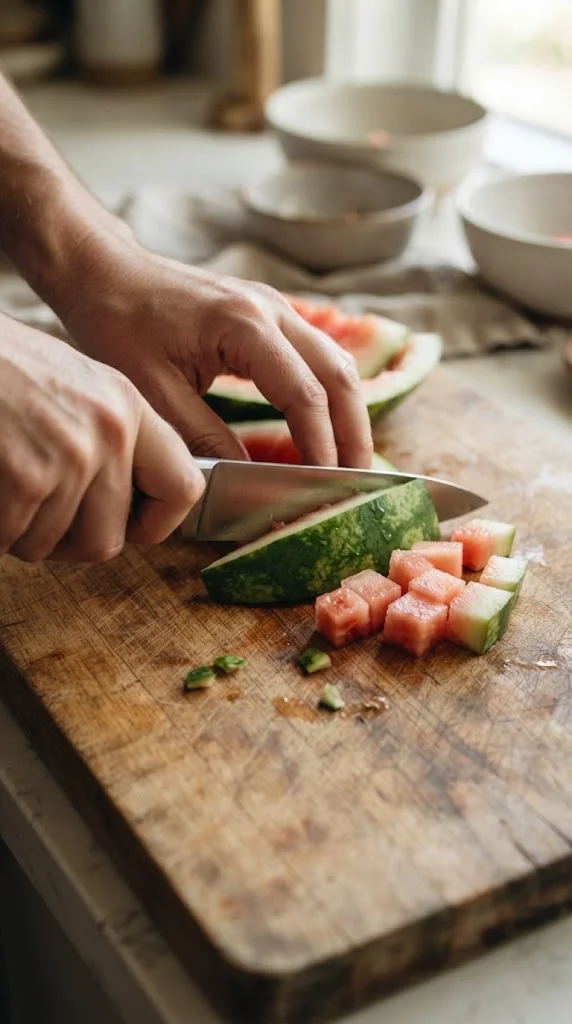
| Prep | Chop into smaller pieces to speed decomposition. |
| Mix with | Balance moisture by mixing with dry leaves or shredded paper. |
| Pest risk | Medium · Bury in the pile to avoid attracting fruit flies. |
How to compost watermelon rinds
- Chop the rinds into smaller pieces to speed up the decomposition process.
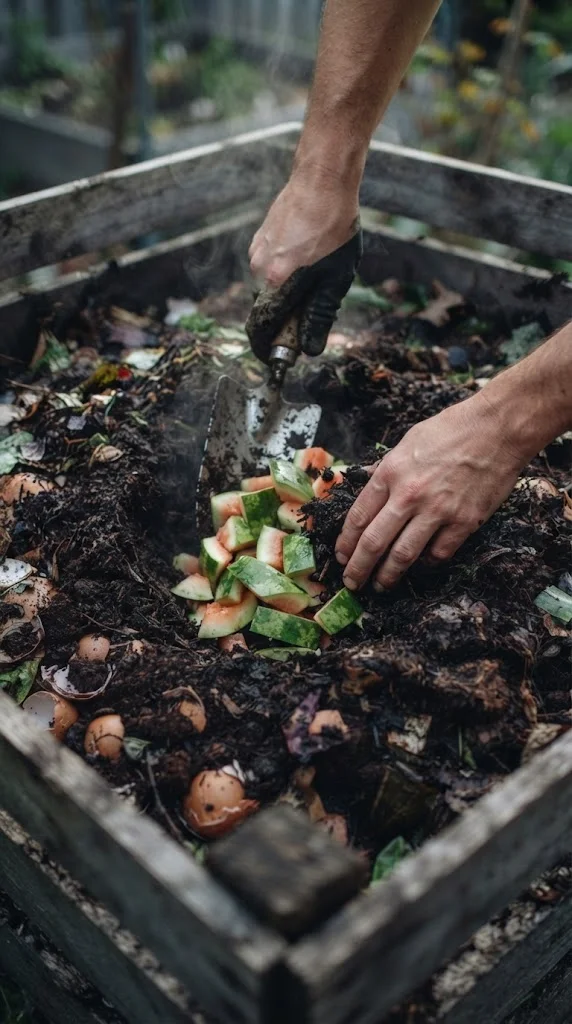
- Bury the rinds deep in the center of your compost pile to prevent pests.
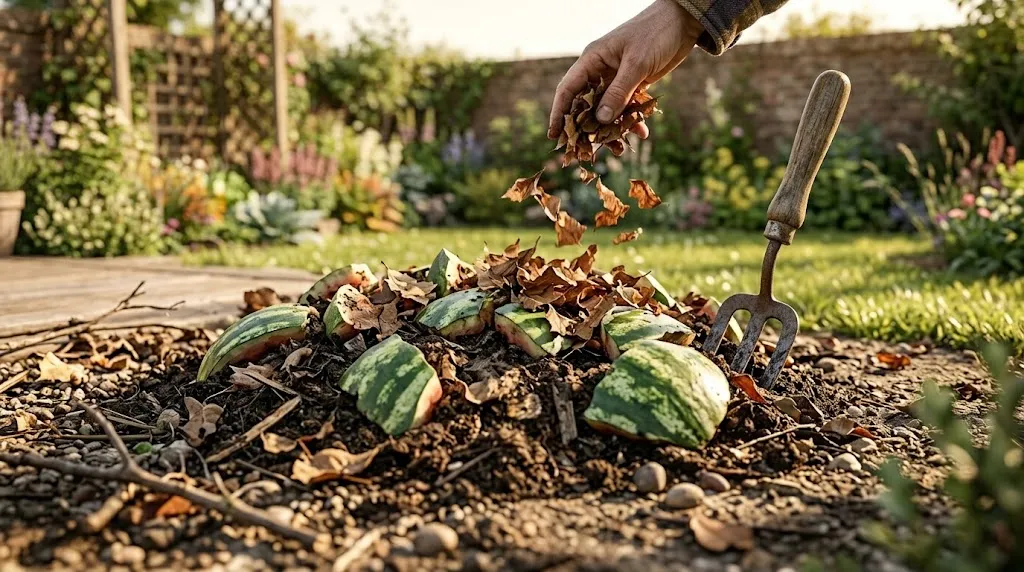
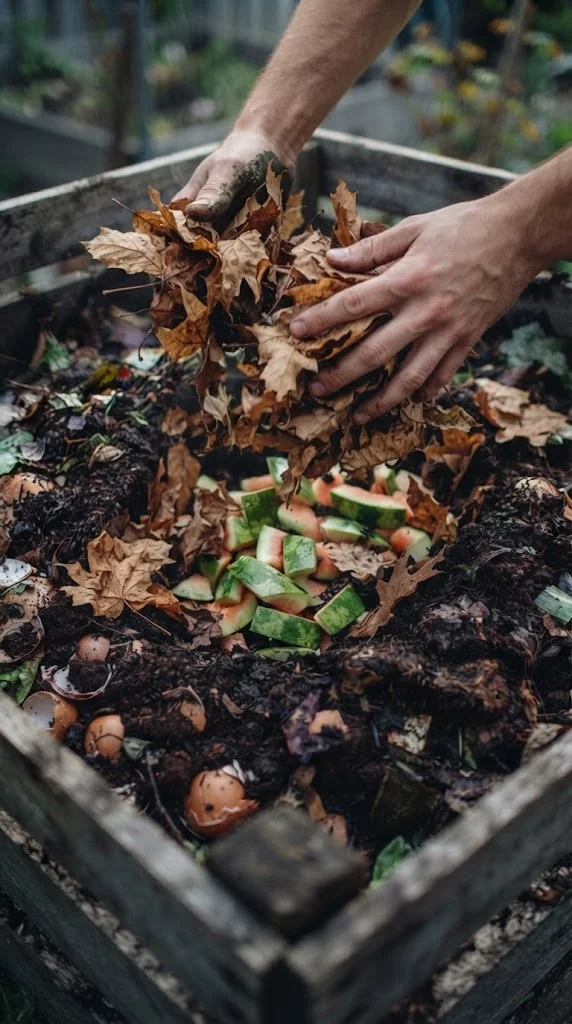
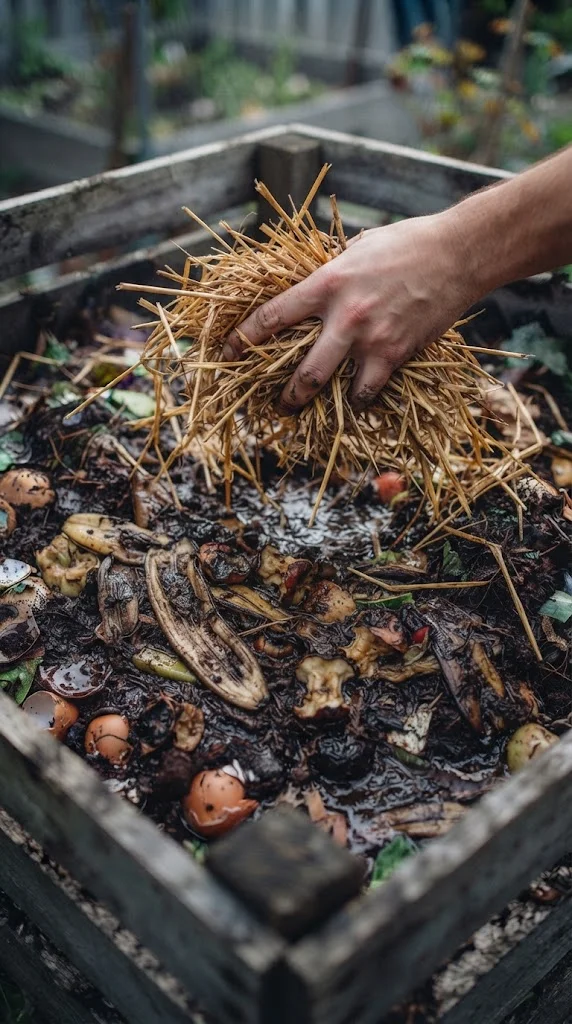
- Cover the rinds with a layer of carbon-rich brown materials like leaves or straw.
- Turn your pile regularly to ensure proper aeration and moisture distribution.
How much watermelon rinds can you add to compost?
Watermelon rinds can make up about ten to fifteen percent of your overall compost pile volume during peak summer months. Because they are classified as a green material due to their high nitrogen and moisture content, you must balance every handful of chopped rinds with roughly two to three parts carbon-rich brown materials like dry leaves, shredded cardboard, or straw. If your pile begins to smell sour, feels excessively wet, or develops pools of liquid at the bottom, you have added too much at once and need to fold in dry browns immediately.
Which types of watermelon rinds can you compost?
- Fresh raw rinds: Yes. These are ideal for composting as long as you chop them into smaller pieces to accelerate microbial breakdown.
- Pickled rinds: Sometimes. You can compost these only if you rinse off excess salt, vinegar, and spices, as heavy sodium and oils can disrupt pile chemistry.
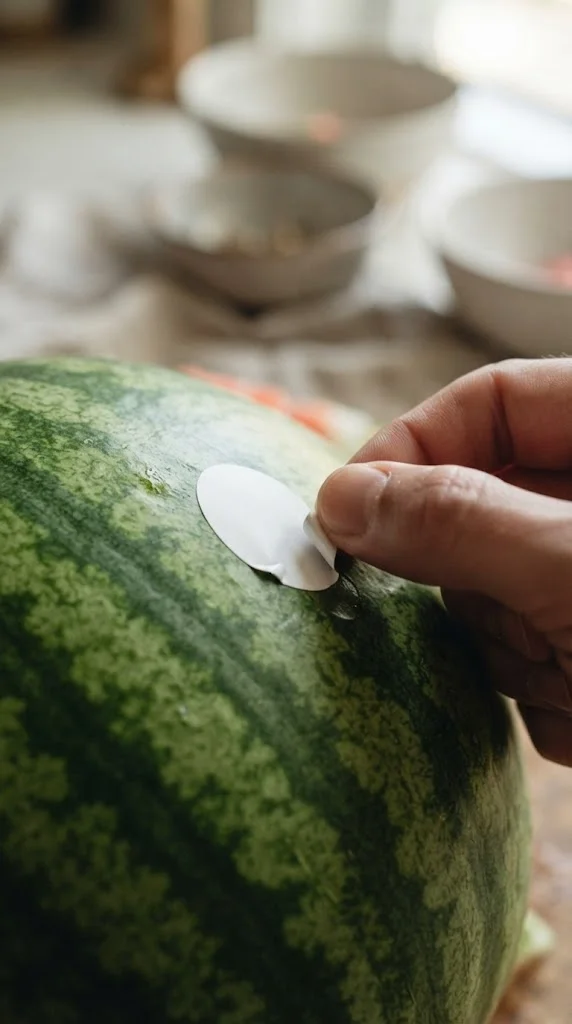
- Rinds with plastic stickers: Yes. They are acceptable only after you completely peel off the PLU sticker and any adhesive residue to prevent plastic pollution in your soil.
- Cooked or candied rinds: No. These contain added sugars, syrups, and fats that will rapidly attract rodents and ants to your backyard bin.
Watch out for
- Large chunks may take longer to break down than smaller pieces.
- High moisture content can make a pile soggy if you do not add enough browns.
- Leaving them on the surface can attract fruit flies, ants, or raccoons.
- Ensure the rinds are not covered in stickers or plastic labels.
Other ways to use watermelon rinds
- Feed them to chickens or goats as a treat.
- Use them to make pickled watermelon rinds.
- Place them in your municipal green waste bin.
Troubleshooting watermelon rinds in compost
- Rinds taking months to break down into soil. Chop the thick green skin and white flesh into smaller one-inch cubes and bury them in the hot center of the pile.
- Attracting fruit flies and gnats around the bin. Always cover your fresh green additions with a deep four-inch layer of finished compost or dry brown material.
- Pile turning into a soggy, anaerobic sludge. Stop adding juicy rinds temporarily and turn the pile thoroughly while mixing in dry wood shavings or shredded paper to absorb excess moisture.
- White or green fuzzy mold growing rapidly on the rinds. This is completely normal fungal activity aiding decomposition; simply mix the rinds deeper into the pile to maintain proper aeration.
Myths about composting watermelon rinds
- Myth: You can throw whole watermelon rinds directly into the compost heap without any preparation. Truth: Large, thick rinds have a tough outer skin that can take many months to degrade unless you chop them into manageable pieces first.
- Myth: The tough outer green skin is too woody to ever break down in a standard backyard system. Truth: While it is tougher than the inner flesh, soil microbes and fungi will successfully break down the outer skin over time in an active, moist pile.
- Myth: Watermelon rinds count as brown materials because they look tough and fibrous. Truth: Despite their rigidity, their extremely high water content and nitrogen levels firmly place them in the green category, requiring plenty of dry carbon to balance them.
Can watermelon rinds go in a green bin or recycling?
Most municipal green waste bins and commercial curbside food scrap programs readily accept raw watermelon rinds because they break down efficiently in large-scale industrial composting facilities. Before tossing them into your municipal bin, make sure to completely remove any plastic produce stickers, rubber bands, or non-compostable packaging. Because local municipal composting guidelines and accepted feedstock rules can vary significantly by region, always check your local waste management website to confirm whether food scraps are currently permitted in your green bin.
Does composting watermelon rinds attract pests?
Watermelon rinds can attract fruit flies, ants, and raccoons if they are left exposed on the surface of your compost pile. Because the rinds have a very high moisture and sugar content, their sweet aroma acts as a strong beacon for these pests. To prevent unwanted visitors, it is essential to manage how you add them to your bin by burying the rinds deep inside the active center of the pile and covering them properly.
- Chop the rinds into smaller pieces to speed up decomposition.
- Bury the rinds deep in the center of your compost pile.
- Cover the rinds with a thick layer of carbon-rich brown materials like leaves or straw.
- Remove any produce stickers or plastic labels before adding the rinds.
Common questions
Do I need to remove the stickers from the watermelon rind?
Yes, always remove plastic produce stickers as they are not compostable and will remain in your soil.
Will watermelon rinds make my compost smell?
If buried properly and balanced with enough brown materials, they should not cause odors. If the pile smells, it is likely too wet or lacks oxygen.
Can I put watermelon rinds in a worm bin?
Yes, worms love watermelon rinds, but add them in moderation to avoid making the bedding too wet.
Are watermelon rinds biodegradable?
Yes. Watermelon rinds are mostly water and soft plant tissue, so they are among the fastest things to break down, often in 2-6 weeks when chopped.
Rules vary by town and by composting method. When in doubt, check with your local composting or waste program.