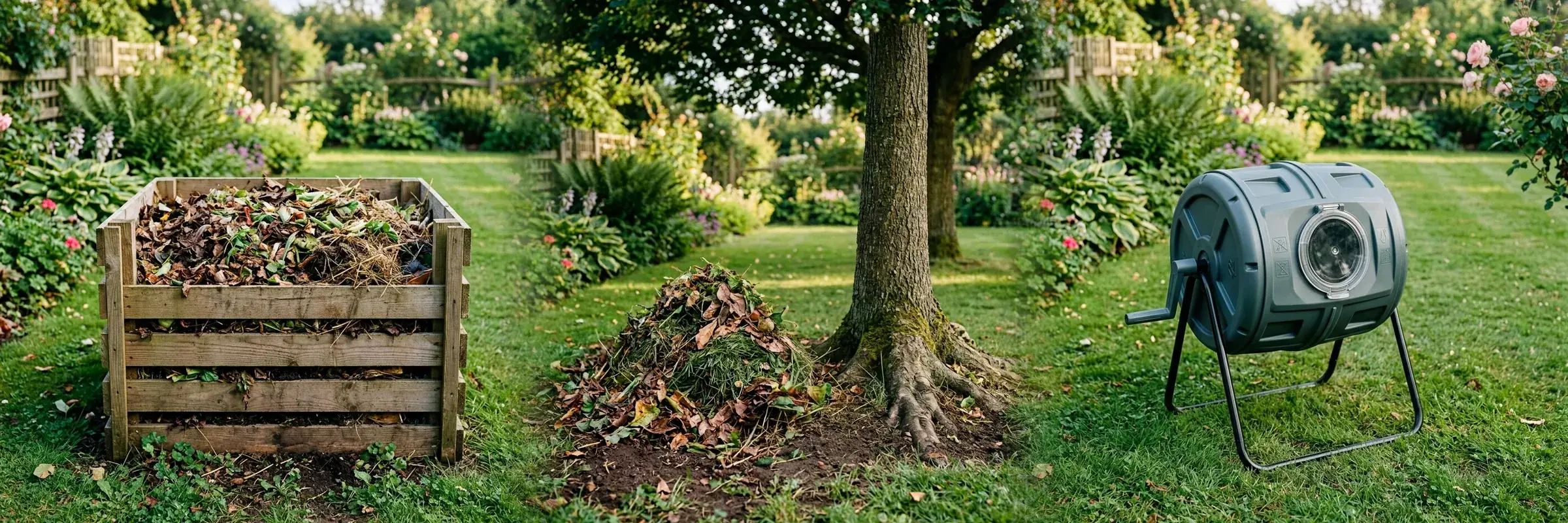
Yes, you can compost worms, as they are a natural part of a healthy compost ecosystem and often arrive on their own to help break down organic matter.
Why
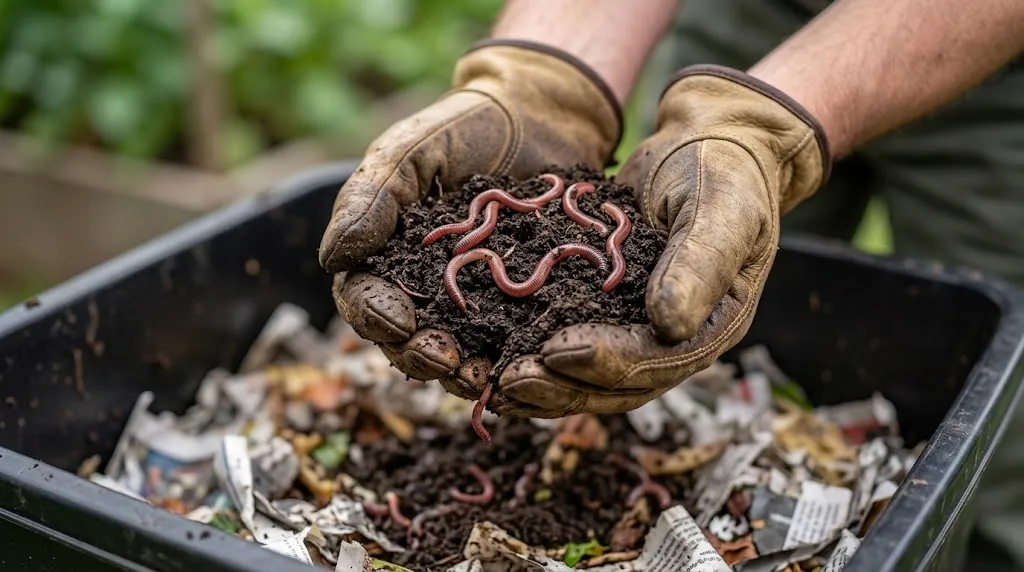
Worms, particularly red wigglers and earthworms, are essential workers in vermicomposting and traditional compost piles. They feed on decaying organic material, microorganisms, and fungi, digesting the waste and converting it into nutrient-rich castings that benefit your garden. Because they are completely organic and biodegradable, they naturally integrate into the composting process without causing any harm or leaving behind synthetic residues. If worms die in your pile, they simply decompose like any other high-nitrogen green material.
Quick facts
| Carbon to nitrogen | Not applicable |
|---|---|
| Hot pile | Does not break down |
| Cold pile | Does not break down |
| Worm bin | Yes · Essential for vermicomposting systems. |
| Bokashi | Yes · Can be added to bokashi bins. |
| City green bin | Not applicable |
| Prep | Ensure bin has adequate bedding and moisture. |
| Mix with | Balance with carbon-rich bedding like shredded paper. |
| Pest risk | Low · Proper bin maintenance prevents pest issues. |
How to compost worms
- Allow wild earthworms to enter your ground pile naturally from the soil below.
- Add purchased composting worms, such as red wigglers, directly to a dedicated worm bin with bedding.
- Maintain a moist, well-aerated environment so the worms can thrive and reproduce.
- Feed them a balanced mix of fruit and vegetable scraps alongside shredded carbon materials.
How much worms can you add to compost?
You should introduce worms gradually, starting with a small population of about one pound for a standard household worm bin. Avoid overcrowding, as worms need space to reproduce and move. Pair them with a generous ratio of carbon-rich bedding, such as shredded cardboard or newspaper, to maintain a healthy environment. If you notice worms attempting to escape the bin or if the bedding becomes slimy and foul-smelling, you have likely added too much waste or provided insufficient aeration for the population size.
Which types of worms can you compost?
- Red Wigglers: Yes. These are the gold standard for vermicomposting because they thrive in confined spaces and consume large amounts of organic waste.
- European Nightcrawlers: Yes. These larger worms are excellent for both composting and aerating garden soil, though they prefer slightly cooler temperatures than red wigglers.
- Common Earthworms: Sometimes. These are better suited for outdoor ground piles rather than indoor bins, as they prefer to burrow deep into the soil.
Watch out for
- Avoid adding large amounts of citrus peels, onions, or garlic, which can irritate or harm worms.
- Keep the bin temperature moderate, as excessive heat or freezing cold will kill the worms.
- Prevent the bin from becoming waterlogged or completely dried out.
Other ways to use worms
- Release earthworms into your garden beds to improve soil aeration
- Donate extra composting worms to another gardener or local school
- Use them as live bait for fishing
Troubleshooting worms in compost
- Worms are trying to crawl out of the bin. This usually indicates the environment is too acidic, too wet, or lacks oxygen; check the pH and add dry bedding to absorb excess moisture.
- The worm population is declining. Ensure the bin temperature stays between 55 and 75 degrees Fahrenheit and verify that you are not feeding them toxic items like citrus or onions.
- The bin smells like rotting waste. Stop feeding for a few days and add more shredded paper or cardboard to improve airflow and balance the moisture levels.
Myths about composting worms
- Myth: Worms can eat anything you put in the bin. Truth: Worms have sensitive digestive systems and cannot process dairy, meat, oils, or highly acidic foods like citrus and spicy peppers.
- Myth: Worms will turn into snakes if they get too big. Truth: This is a biological impossibility; worms are invertebrates and will never transform into reptiles or other species.
Can worms go in a green bin or recycling?
Municipal green waste programs generally do not accept live worms as a separate category, though they are naturally present in the organic waste you deposit. If you are disposing of a worm bin, do not release non-native species into local wild ecosystems, as this can disrupt soil health. Instead, offer your worms to a local gardener or school. Always check your local municipal guidelines regarding the disposal of vermicompost or live composting materials to ensure compliance with regional environmental regulations.
Does composting worms attract pests?
Adding worms to your compost pile does not attract pests. Because worms live and work actively within the organic waste, they help break down food sources efficiently rather than leaving decaying material exposed on the surface. Utilizing a healthy population of composting worms or allowing earthworms to aerate your bin accelerates decomposition, naturally integrating materials into nutrient-rich castings without drawing unwanted attention from rodents, flies, or other scavengers.
- Introduce composting worms into a dedicated, covered bin.
- Cover food scraps with worms and carbon materials to deter pests.
- Maintain proper moisture levels to keep your worms healthy.
- Avoid adding large amounts of irritating items like onions or citrus.
Common questions
Will garden worms survive in a hot compost pile?
No, earthworms will usually flee or die if the center of a compost pile gets too hot. They prefer the cooler outer edges of a pile or a dedicated room-temperature worm bin.
Do I need to buy special worms for my compost bin?
You do not necessarily need to buy them, as local earthworms often find their way into ground-contact piles. However, red wigglers are specifically recommended for enclosed worm bins because they process food quickly in confined spaces.
Are dead worms bad for a compost pile?
Not at all. Dead worms simply break down naturally and contribute nitrogen to your compost just like any other organic matter.
Are worms biodegradable?
Yes. Dead worms are soft tissue and break down within days to a couple of weeks. Live worms, of course, are what make compost happen.
Rules vary by town and by composting method. When in doubt, check with your local composting or waste program.