
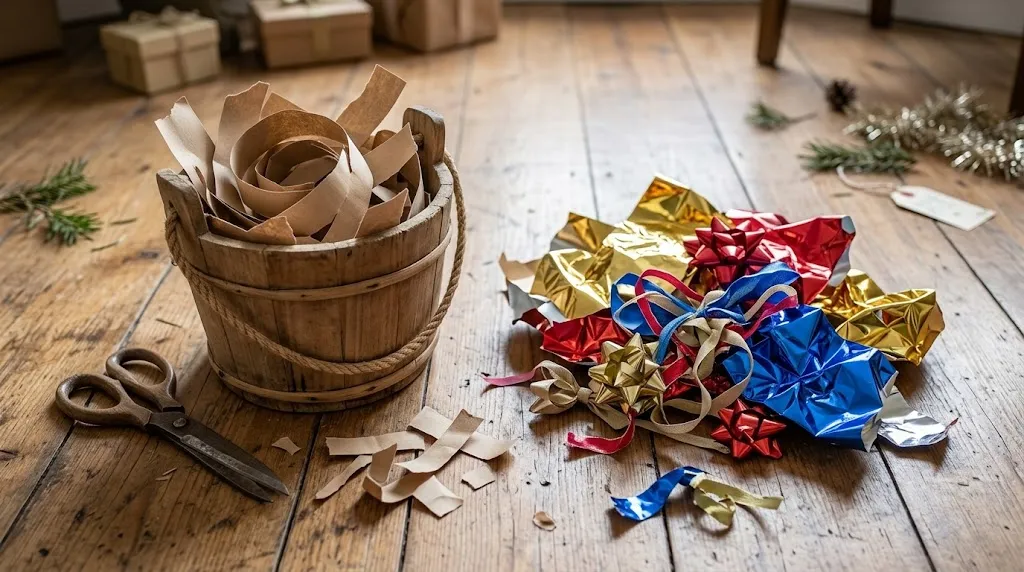
You can compost wrapping paper only if it is plain paper without any shiny coatings, metallic foils, plastic films, or heavy glues and inks.
Why
Wrapping paper varies widely in composition. Plain kraft paper and simple uncoated paper can be composted safely in a home bin, acting as a carbon-rich brown material. However, many commercial wrapping papers are laminated with plastic, coated in metallic foil, or heavily printed with toxic inks and dyes. These additives do not break down naturally, will contaminate your compost with microplastics and heavy metals, and must be thrown in the trash instead.
Quick facts
| Carbon to nitrogen | About 400:1 |
|---|---|
| Hot pile | 2-4 weeks |
| Cold pile | 2-4 months |
| Worm bin | Sometimes · Plain paper only; shred finely and avoid colored inks. |
| Bokashi | Sometimes · Plain paper only; avoids shininess or heavy dyes. |
| City green bin | Usually accepted; check local rules for plain paper only. |
| Prep | Remove tape, ribbons, and sort out shiny or metallic sheets. |
| Mix with | Mix with nitrogen-rich green waste to balance high carbon. |
| Pest risk | Low · Minimal risk of pests if kept dry and free of food residue. |
How to compost wrapping paper
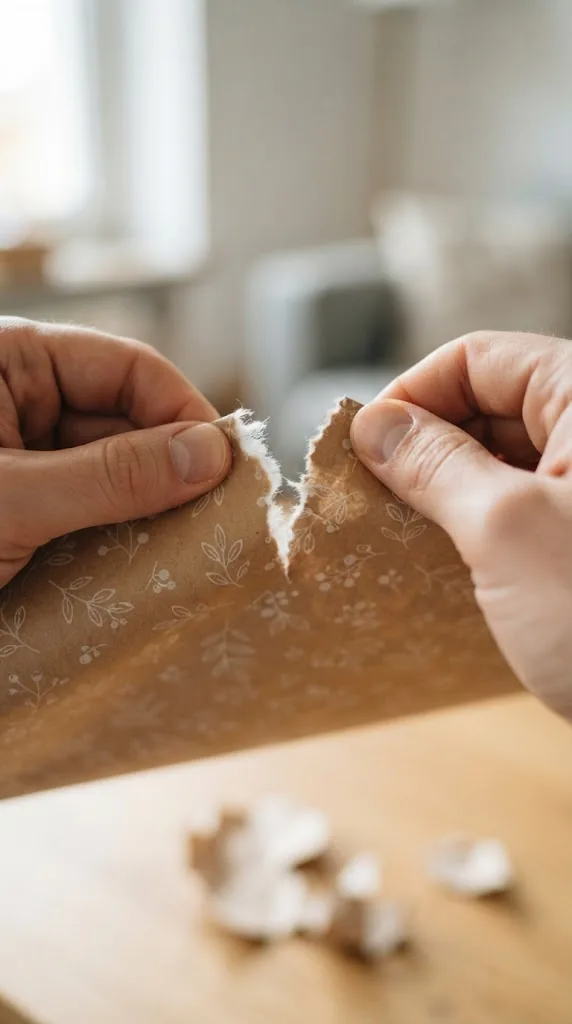
- Check the paper by performing a scratch test or tear test to ensure it is 100 percent paper without plastic linings.
- Remove all tape, bows, ribbons, and sticker labels completely.
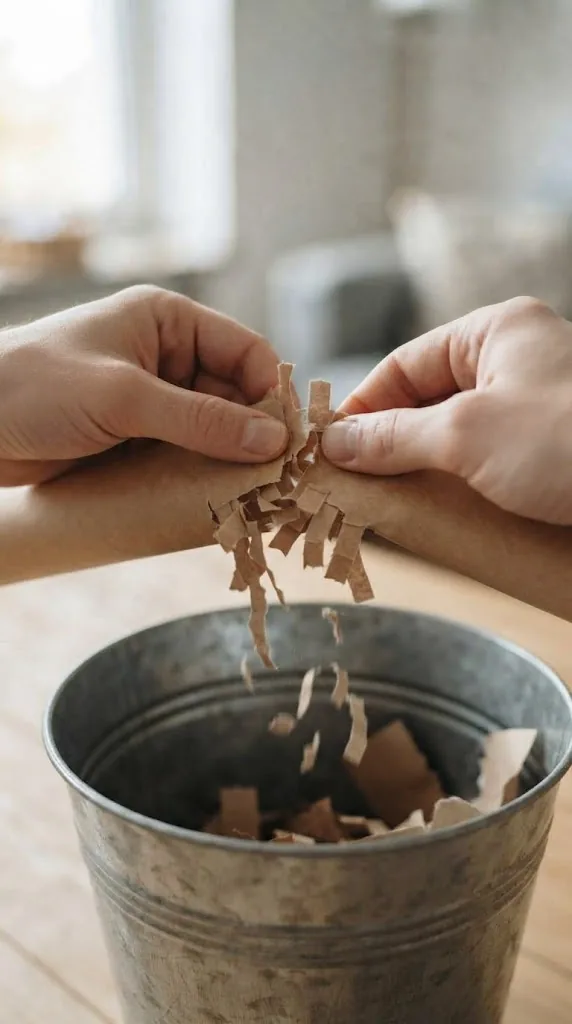
- Shred or rip the paper into smaller pieces to speed up the breakdown process.
- Mix the paper shreds thoroughly into your compost pile alongside green nitrogen materials.
How much wrapping paper can you add to compost?
Wrapping paper should make up no more than five to ten percent of your total carbon brown layer at any given time to prevent dense matting. Pair it generously with wet green nitrogen materials like fresh kitchen scraps or grass clippings to maintain moisture balance. If you notice the paper clumping together into soggy grey sheets that block airflow, you have added far too much at once and need to turn the pile and add coarser materials.
Which types of wrapping paper can you compost?
- Plain Kraft Wrapping Paper: Yes. Uncoated brown kraft paper breaks down easily and serves as an excellent carbon-rich brown material for your home bin.
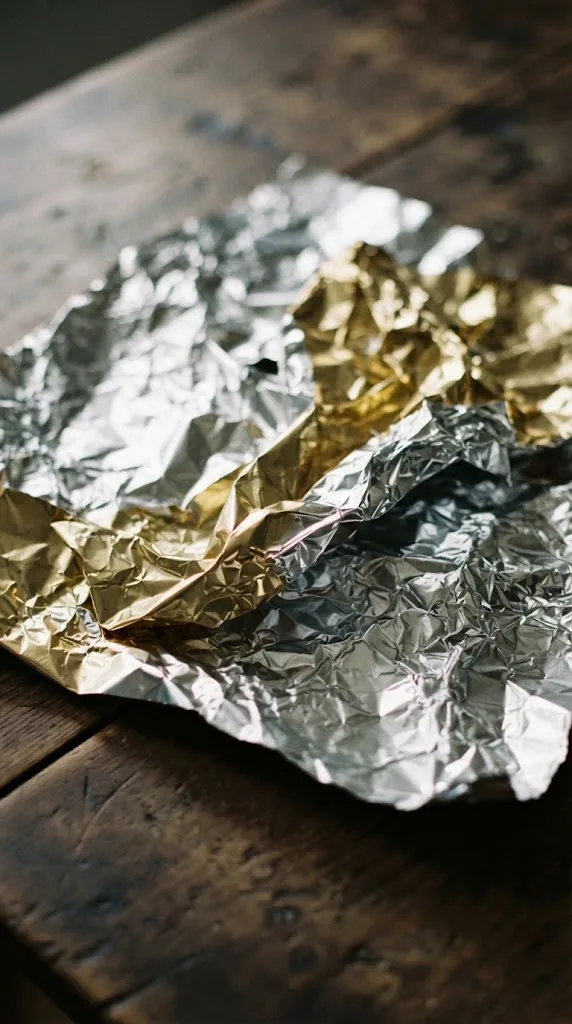
- Metallic Foil Wrapping Paper: No. Foil-coated papers contain thin plastic and metal layers that do not biodegrade and will permanently contaminate your compost with microplastics.
- Glossy Printed Wrapping Paper: Sometimes. Only compostable if it passes the tear test and features minimal ink coverage, as heavy clay coatings and synthetic dyes hinder decomposition.
Watch out for
- Avoid shiny or metallic wrapping paper, as these contain plastic and foil.
- Watch out for sticky tape and plastic sticker residue left on the paper.
- Heavy colored inks and metallic sheens can introduce harmful chemicals to your pile.

What to do instead
- Recycle the paper if your local facility accepts mixed paper and wrapping paper.
- Reuse unwrinkled sheets and gift bags for future gifting.
- Place plastic-coated or metallic wrapping paper in the regular trash.
🎄 Holiday cleanup? See the full Christmas composting list: trees, wrapping paper, poinsettias and leftovers.
Troubleshooting wrapping paper in compost
- The shredded paper mats together into waterproof clumps that block oxygen and water. Mix the paper thoroughly with coarser yard waste like twigs or dry leaves, and ensure the paper is shredded into smaller, confetti-like pieces before adding.
- The paper takes months to break down completely in the compost bin. Rip the paper into much smaller strips and ensure your pile has enough nitrogen-rich greens and moisture to fuel active microbial breakdown.
- Tiny pieces of adhesive tape remain scattered throughout the finished compost. Thoroughly inspect and peel away all tape and stickers before adding the paper, and screen your finished compost through a hardware cloth mesh to catch any missed debris.
Myths about composting wrapping paper
- Myth: All paper wrapping materials are natural plant products and will naturally decompose in the soil. Truth: Many commercial wrapping papers are lined with thin plastic laminates or treated with chemical finishes that resist natural breakdown.
- Myth: Printing inks on wrapping paper are always soy-based and completely safe for organic vegetable gardens. Truth: While some modern wrapping papers use vegetable inks, many utilize petroleum-based dyes and heavy metal colorants that can introduce toxins.
Can wrapping paper go in a green bin or recycling?
Municipal green bins and commercial food-waste collection programs rarely accept wrapping paper because of widespread plastic and tape contamination. Curbside recycling programs similarly reject wrapping paper if it contains metallic foils, glitter, or heavy plastic coatings, though some accept clean, plain paper. Always check your local municipal waste guidelines before placing any holiday paper products into curbside bins.
Does composting wrapping paper attract pests?
Composting plain wrapping paper does not attract pests. Because this paper functions as a carbon-rich brown material, adding it to your pile and using it to cover food scraps and other smelly green materials helps hide odors and absorb excess moisture. Masking these strong food odors effectively keeps common pests like flies, rodents, and raccoons away from your compost system.
- Tear or shred the wrapping paper into small pieces for even coverage.
- Layer the paper thickly over fresh food scraps to conceal smells.
- Ensure all tape and food residue are removed before layering.
Common questions
Can I compost wrapping paper with tape on it?
No, you must remove all adhesive tape, plastic bows, and stickers before composting. Regular plastic tape does not break down and will create litter in your finished compost.
How can I tell if wrapping paper is plastic-coated?
Try to tear the paper. If it stretches slightly before ripping or has a plastic feel, it is coated and cannot be composted. If it tears easily and shows paper fibers along the edge, it is plain paper.
Are brown kraft paper wrapping rolls compostable?
Yes, plain brown kraft paper is typically unbleached and uncoated, making it an excellent carbon-rich brown material for your compost bin.
Is wrapping paper biodegradable?
Plain paper wrapping is biodegradable in a few weeks once shredded. Foil, metallic, glitter and plastic-coated wrap is not, and it can contaminate compost.
Rules vary by town and by composting method. When in doubt, check with your local composting or waste program.