We may earn a commission when you buy through links on this page, at no extra cost to you. We picked these from product specs and thousands of verified buyer reviews. No brand paid to be included.
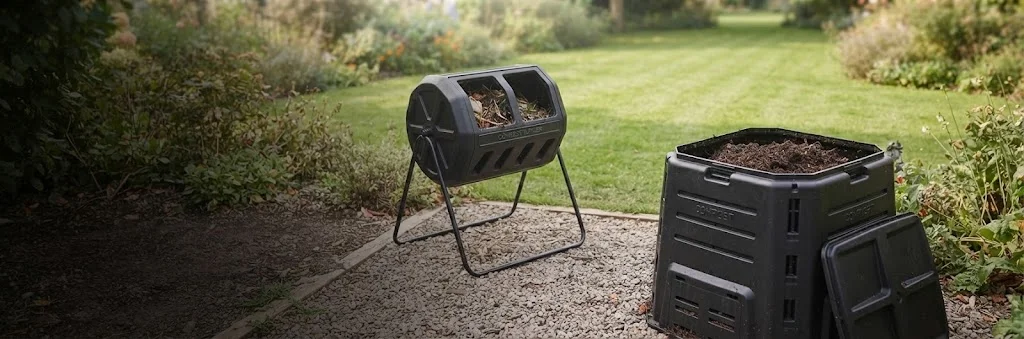
The two ways to compost at home are a tumbler (a sealed drum you rotate) or a stationary bin (a box or ring that sits on the ground). Both make good compost. The right choice comes down to how much material you have and how much effort you want to put in.
How each one works
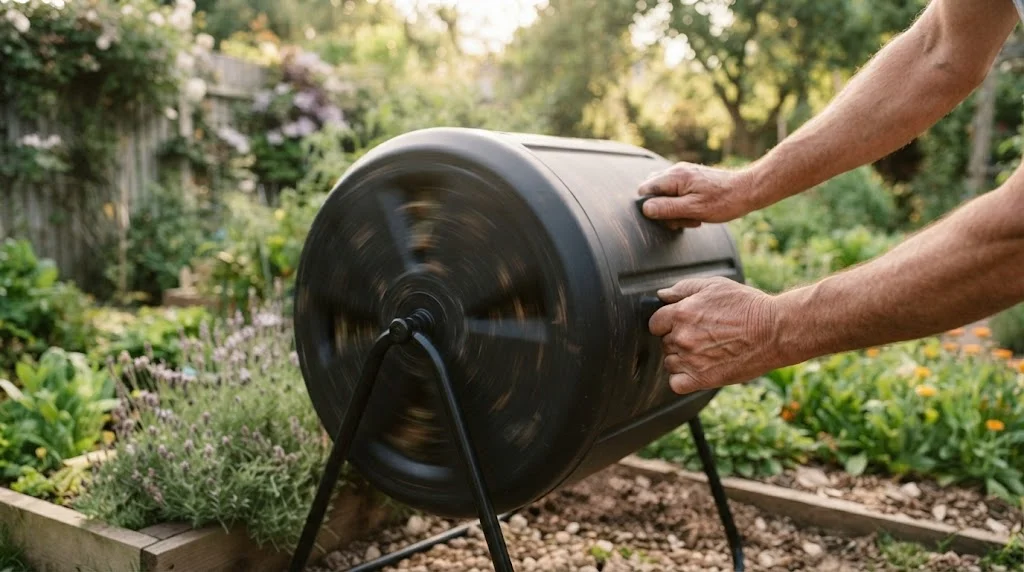
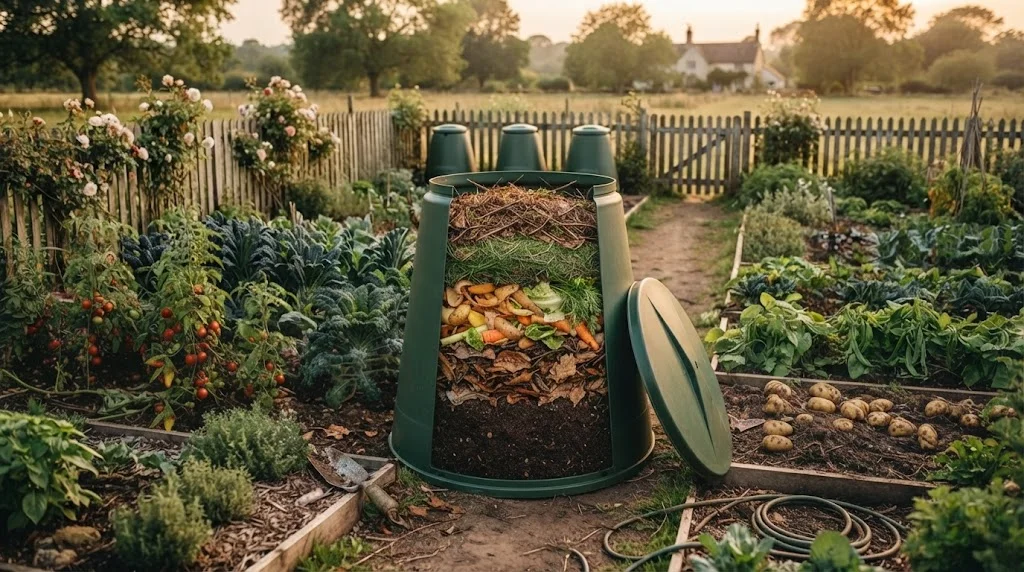
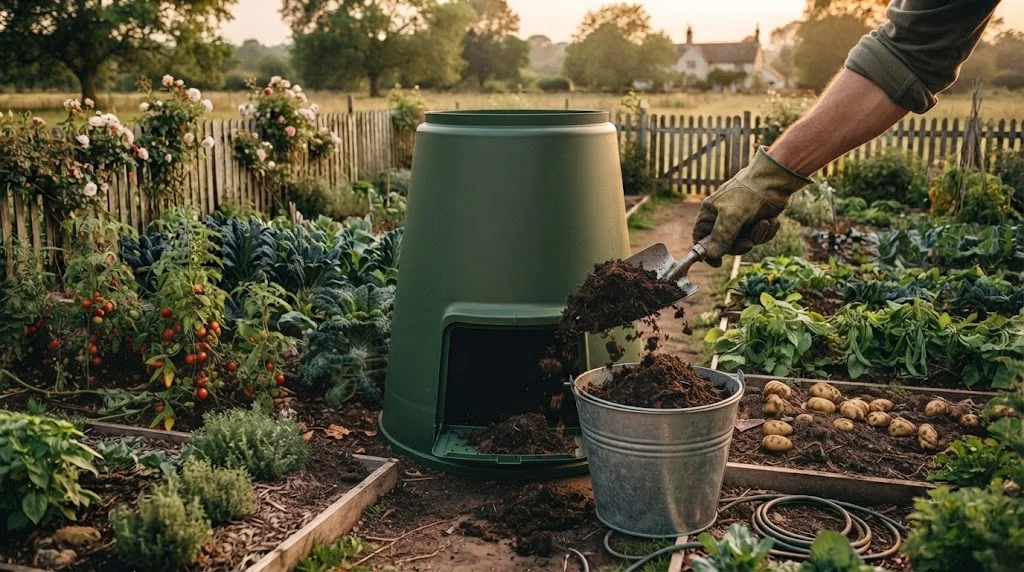
A tumbler is a sealed drum on a frame, off the ground. Instead of forking a pile, you give the drum a few spins, which mixes everything and lets in air. A stationary bin is a box or ring that sits right on the soil: a lidded plastic bin, a wire ring or a set of wooden bays. You add material on top, and it breaks down from the bottom.
That is the key difference. A bin is open to the ground, so worms and soil life move in from below and help out. A tumbler is sealed, so it is all up to you and the microbes inside.
At a glance
| Tumbler | Stationary bin | |
|---|---|---|
| Speed | Faster: 1 to 3 months when turned often | Slower: 3 to 12 months |
| Capacity | Small: 30 to 60 gallons | Large: 65 to 250+ gallons |
| Effort | A few spins every few days | Occasional forking, or none |
| Pests | Sealed and off the ground | Depends on the lid; open to worms |
| Best for | Kitchen scraps, small yards | Leaves, clippings, big gardens |
| Cost | Higher | Lower |
Things to know before you choose
- Fill tumblers in batches. Every time you add fresh scraps, you restart the clock. Fill one batch, let it finish, and start the next in a second chamber or a second tumbler.
- A full tumbler gets heavy. Leave some empty space inside so the contents can actually tumble when you turn it.
- Harvesting is different. A tumbler empties a whole batch at once. In a bin, the oldest, finished compost settles at the bottom, and many bins have a small door there for scooping it out.
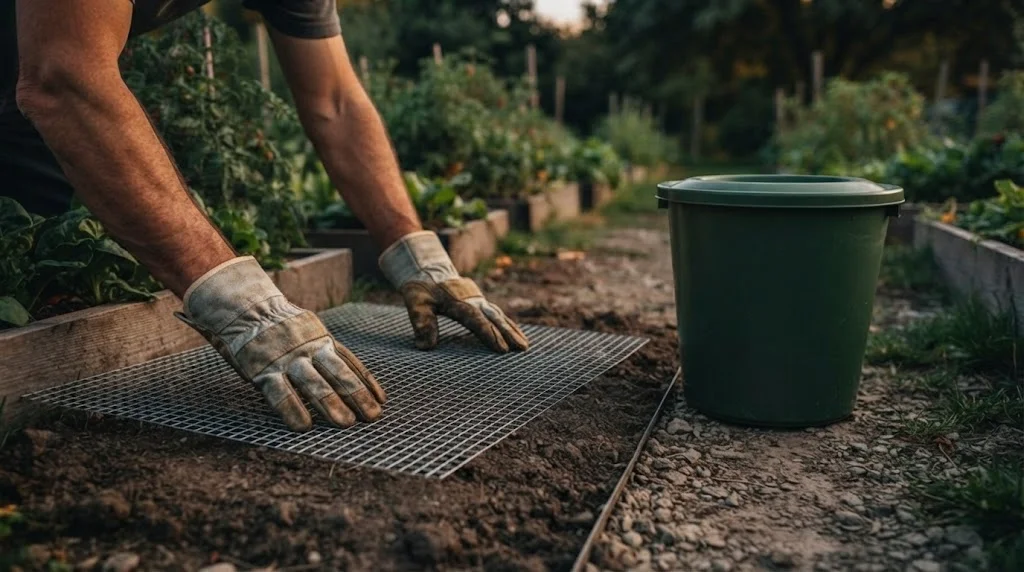
- Pests and bins: a snug lid keeps most animals out, and fine wire mesh laid under the bin stops rodents digging in from below. Open wire rings and pallet bays are for yard waste only; keep food scraps in something enclosed.
- Cost: tumblers cost more. A bin can cost next to nothing if you build it from old pallets or a roll of wire fencing.
Choose a tumbler if…
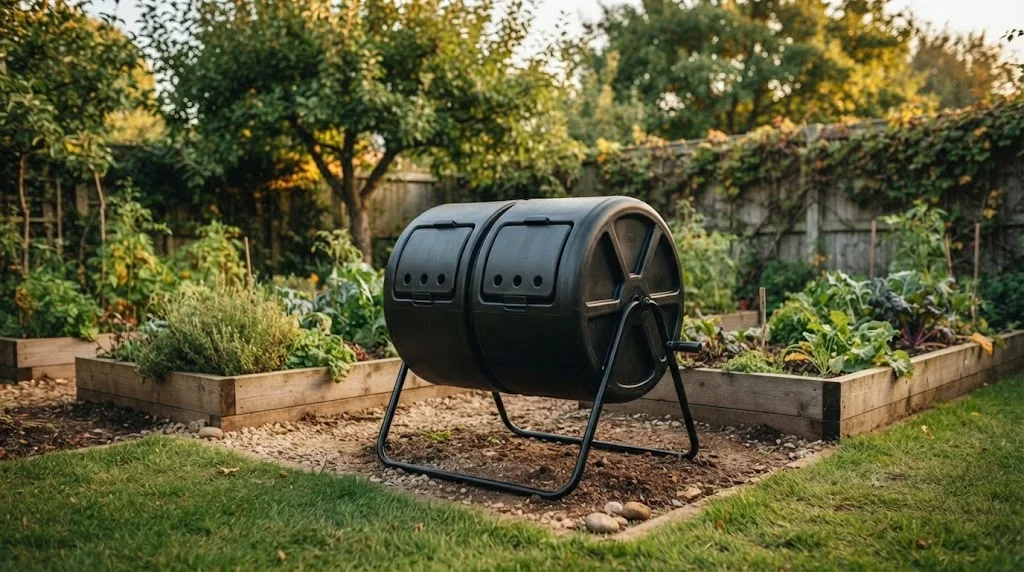
- most of what you compost is kitchen scraps
- you want finished compost this season
- you have rats, raccoons or dogs to worry about
- you do not want to turn a pile with a pitchfork

VIVOSUN Dual-Chamber Tumbler (43 gal)
Two chambers, so one can finish while you keep adding to the other. It is the most-reviewed tumbler on Amazon and the one we recommend to most people.
Check price on Amazon →
Miracle-Gro Dual-Chamber Compost Tumbler
The same two-chamber idea from a big garden brand, with over 14,000 reviews. It is worth comparing prices on the two, since they trade places on sale.
Check price on Amazon →Choose a bin if…
- you have a lot of leaves, grass or garden waste
- you would rather wait longer than do the work
- you want worms and soil life to move in from below
- you are on a tight budget

Redmon 65-Gallon Compost Bin
A lidded bin with bottom doors for scooping out finished compost. It is tidy enough for a small backyard and works for both kitchen and garden scraps.
Check price on Amazon →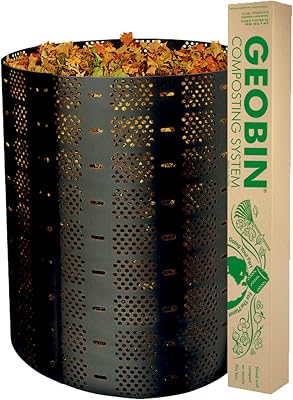
Geobin Expandable Bin (up to 246 gal)
The cheapest way to handle a mountain of fall leaves. It is open-topped, so use it for yard waste and keep food scraps in something enclosed.
Check price on Amazon →Tips for success
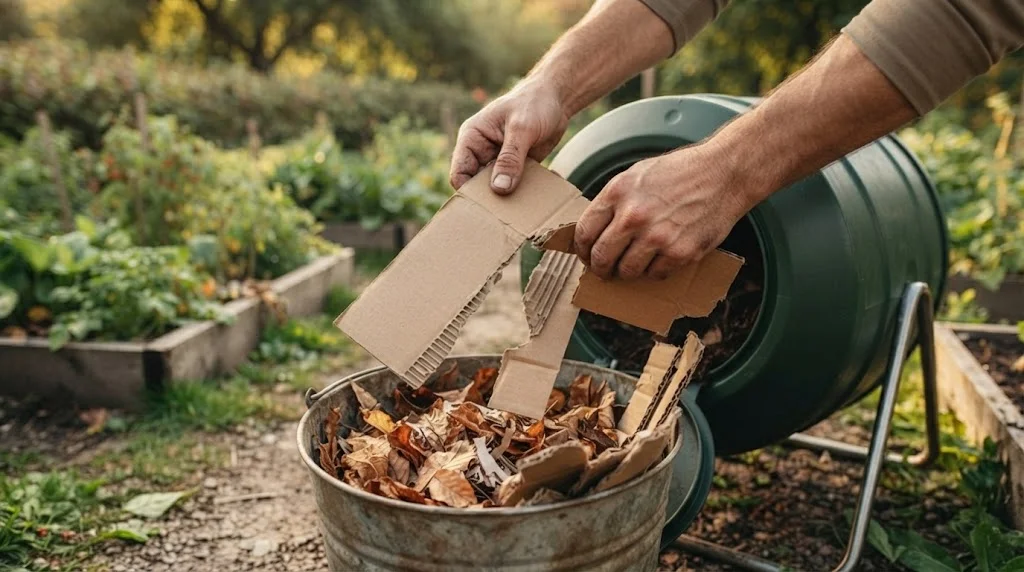
- Tumbler: a sealed drum holds in moisture, so it can turn soggy and smelly. Mix a bucket of dry leaves or torn cardboard into every load.
- Bin: pick a level, well-drained spot on bare soil, close enough to the kitchen that you will still walk out there in winter.
Our take
For most households with a normal yard, the tumbler is the better first buy: it is quicker, cleaner and more pest-proof. If you garden seriously or have big trees, get both: a Geobin for leaves and a tumbler for kitchen scraps. Mixing a bucket of leaves into each tumbler load also keeps it from going soggy. More options are in our best compost bins for beginners guide.