
Traditional K-Cups cannot be composted in a backyard bin because they are made of a complex mix of plastic, a paper filter, metal, and used coffee grounds.
Why
Standard single-serve coffee pods consist of multiple materials bonded together, including rigid plastics, aluminum foil seals, and interior paper filters. Plastics do not degrade naturally in a home compost pile, and the aluminum ring hinders processing. Even pods labeled as biodegradable or compostable usually require industrial composting facilities with high sustained heat to break down properly. Placing standard pods in your home compost will result in plastic fragments contaminating your soil permanently.
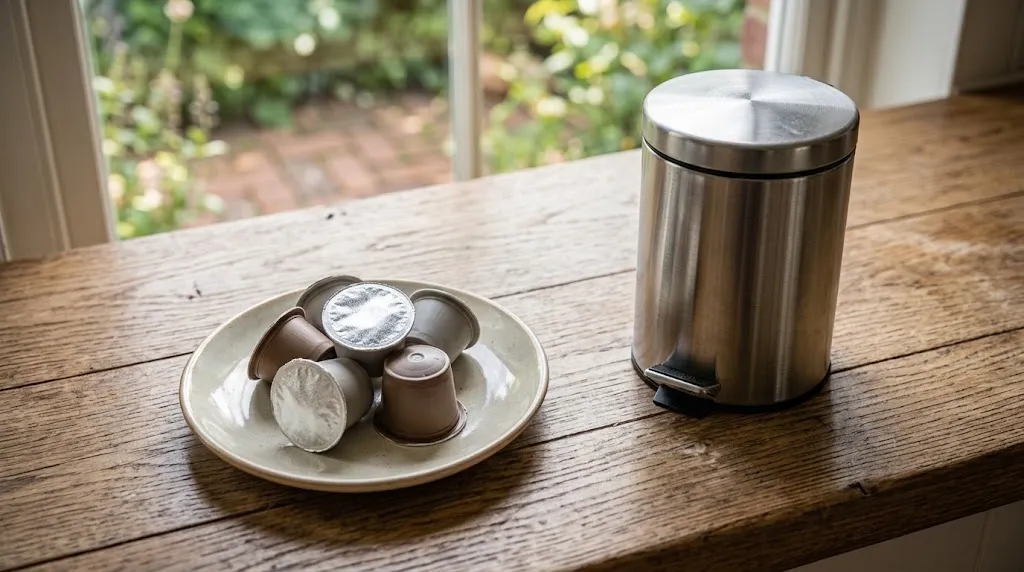
Quick facts
| Carbon to nitrogen | Not applicable |
|---|---|
| Hot pile | Does not break down |
| Cold pile | plastic and aluminum components |
| Worm bin | No · Plastic and aluminum parts are harmful to worms |
| Bokashi | No · Fermentation will not break down the non-compostable parts |
| City green bin | Check local rules; most municipal bins reject them |
| Prep | None; do not add to compost |
| Mix with | N/A |
| Pest risk | Low · No risk if not added to compost |
How to get rid of k cups
- Allow the pod to cool completely after brewing.
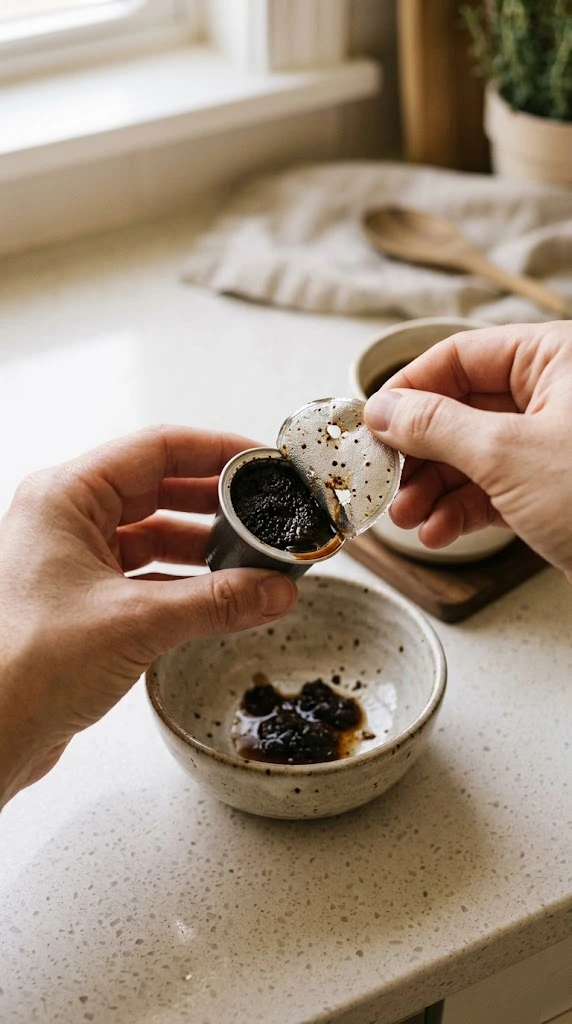
- Puncture the plastic lid or foil top carefully.
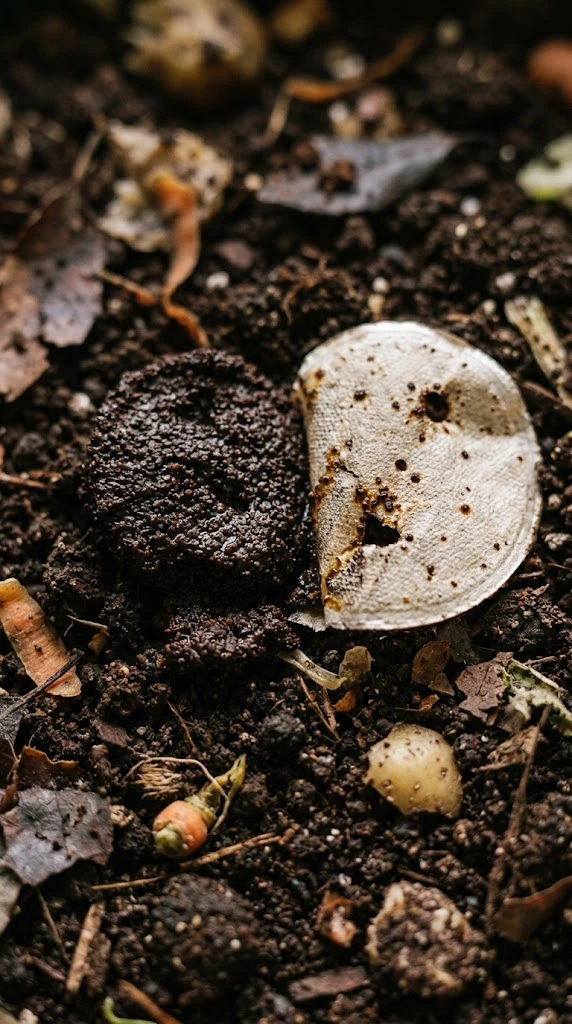
- Scoop out the used coffee grounds and add them to your compost bin.
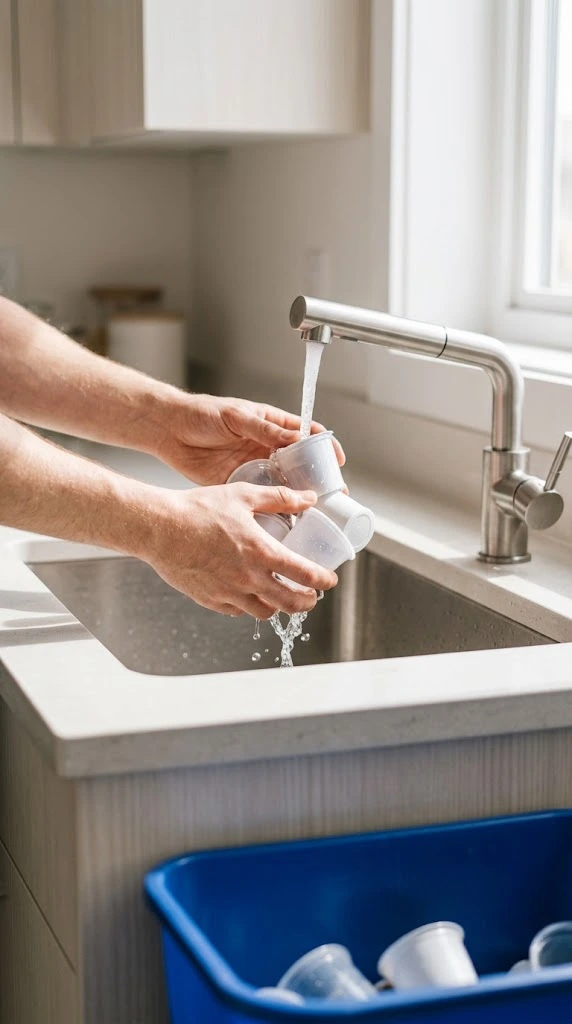
- Empty and rinse the remaining plastic cup and foil lid, then check your local recycling guidelines for acceptance.
Which types of k cups can you compost?
- Traditional plastic K-Cups: No. Standard pods combine plastic, aluminum, and paper, making them completely unsuitable for backyard decomposition. The plastic shell and foil seal remain intact indefinitely.
- Certified industrial compostable pods: Sometimes. These plant-based pods break down successfully, but only inside commercial facilities with high sustained heat. They will not degrade in a standard home compost pile.
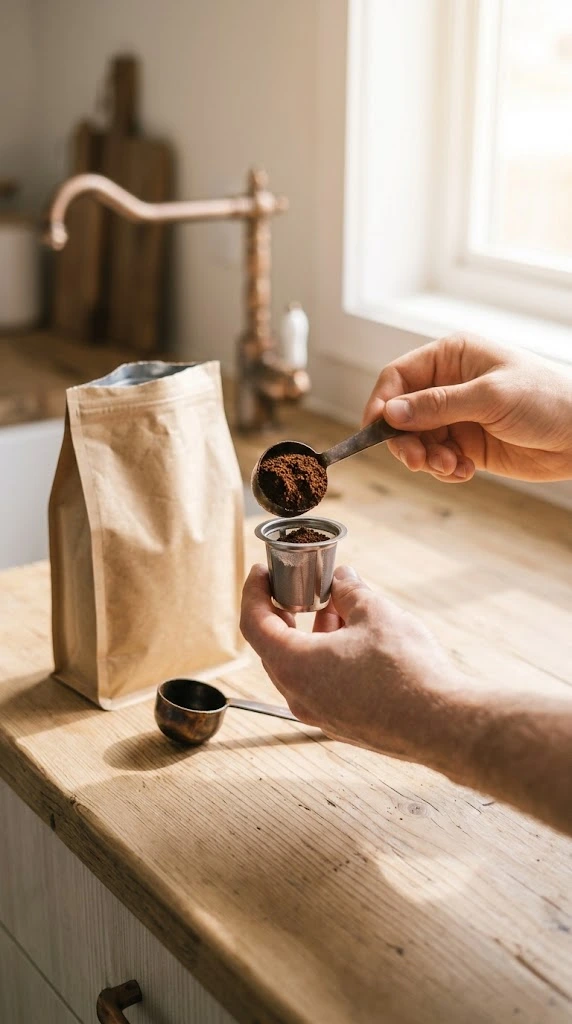
- Reusable mesh filter pods: Yes. When filled with loose coffee grounds, these metal or plastic reusable filters allow you to compost the grounds directly while keeping the pod out of the waste stream.
- Used coffee grounds from inside pods: Yes. The spent grounds removed from any style of K-Cup are rich in nitrogen and make an excellent green addition to your home compost pile.
Watch out for
- Do not toss whole pods directly into your compost heap.
- Be cautious with pods claiming to be compostable unless your municipal facility specifically accepts them.
- Stray foil pieces can easily cut skin or linger in finished compost.
What to do instead
- Empty the grounds into the compost and recycle the separated pod components
- Switch to a reusable mesh filter pod filled with loose coffee grounds
- Throw the intact pods into the household trash
Myths about composting k cups
- Myth: Biodegradable K-Cups will naturally break down if buried deep in a backyard compost pile. Truth: Even biodegradable pods require specific industrial temperatures and microbial activity that standard backyard bins simply cannot generate.
- Myth: Leaving the coffee grounds inside the pod during composting helps speed up the degradation of the plastic. Truth: The plastic shell completely protects the interior materials from microbial breakdown, resulting in a preserved pod hiding in your finished soil.
Can k cups go in a green bin or recycling?
Municipal green bins and food-waste collection programs occasionally accept certified industrial compostable pods, but standard municipal systems strictly prohibit traditional plastic K-Cups because they contaminate compost streams. Curbside recycling programs generally do not accept whole K-Cups due to their multi-material construction. To properly dispose of them, you must manually separate the components by peeling the foil lid, emptying the coffee grounds into your food scrap bin, and rinsing the plastic cup to check if your local recycling facility accepts that specific type of plastic.
Common questions
Can I compost K-Cups if I cut them open first?
You can and should empty the coffee grounds into your compost, but the plastic cup and foil lid must go in the trash or recycling. The paper filter inside can go in the compost too.
Are any K-Cups actually compostable?
Some specialty brands manufacture pods certified for industrial composting. However, these still will not break down in a standard backyard compost pile and require municipal collection programs.
What happens if I accidentally compost a whole K-Cup?
The plastic shell will remain entirely intact for years. You will eventually find the crushed plastic pod when you turn or sift your finished compost, requiring you to manually pick it out.
Are K-Cups biodegradable?
Most are not. Standard K-Cups are plastic cups with an aluminum lid and a synthetic filter. Some brands sell pods labeled compostable, but those usually need an industrial facility.
Rules vary by town and by composting method. When in doubt, check with your local composting or waste program.