
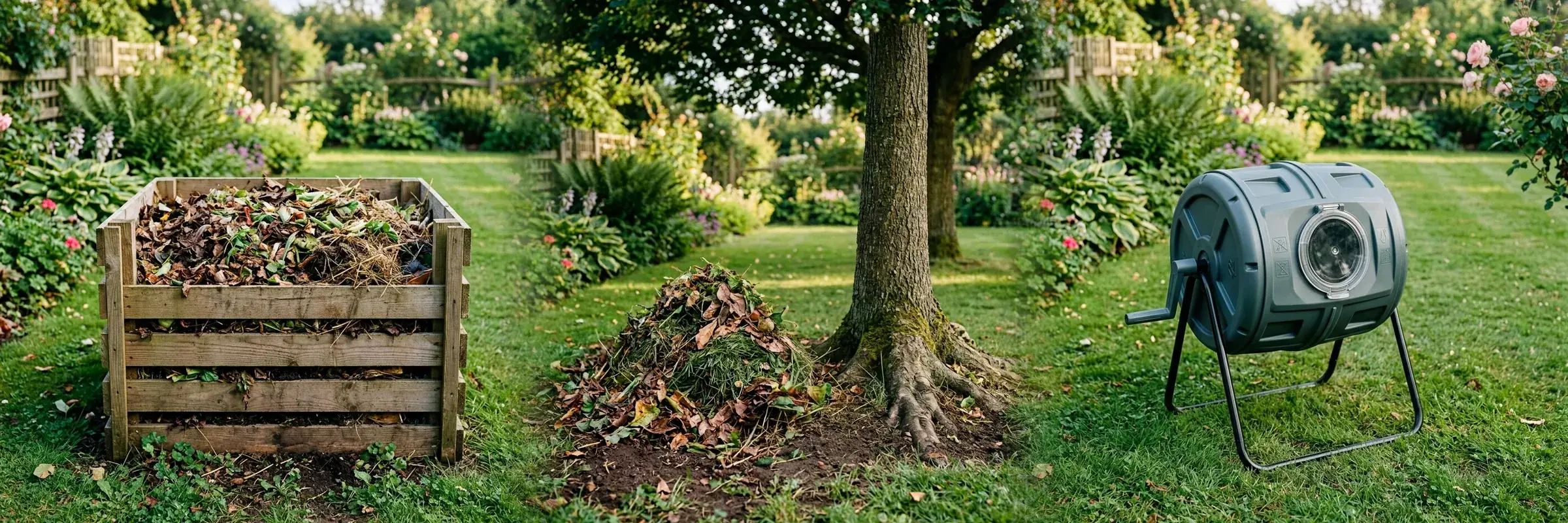
Sometimes. Plain paper cups usually can't go in a home bin because of the plastic lining.
Why
Most takeaway coffee cups are paper with a thin plastic coating on the inside, so the coating doesn't break down in a home bin. Paper with no coating is fine, but it is hard to tell which is which.
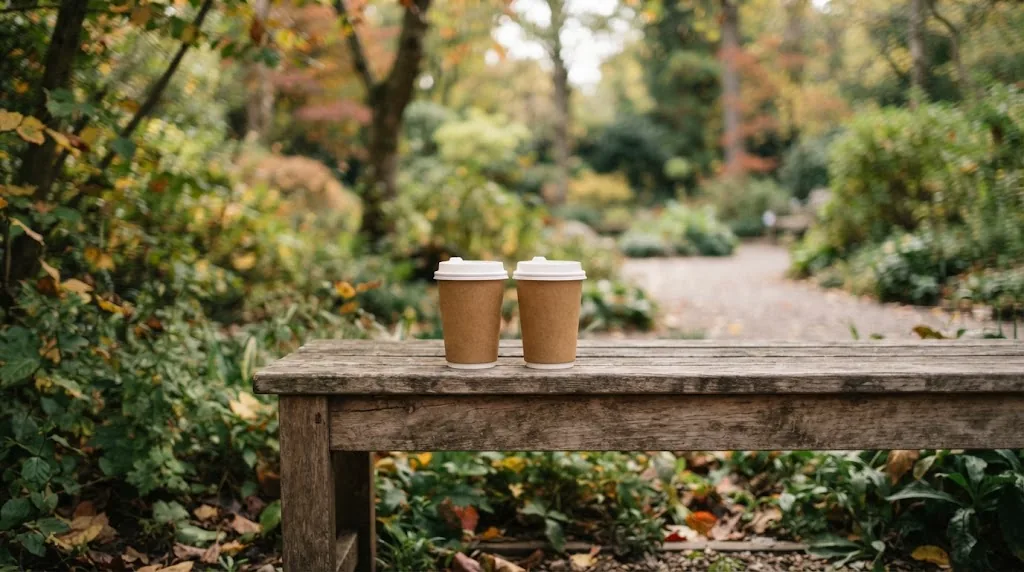
How to compost coffee cups
- Check the cup: if it feels waxy or plastic-like inside, it is lined.
- Tear the cup into small pieces to speed up breakdown.
- Remove any lids, sleeves, and plastic sleeves before composting.
How much coffee cups can you add to compost?
You can add small amounts of uncoated paper coffee cups to your home compost, keeping them to less than five percent of the total pile volume. Balance these carbon-rich paper materials with nitrogen-heavy green waste like fresh grass clippings or vegetable scraps. If you notice the pile developing a dense, soggy layer or smelling musty, you have added too much paper material at once without adequate aeration.
Which types of coffee cups can you compost?
- Uncoated paper cups: Yes. These rare cups lack plastic linings and will break down naturally in a standard home compost pile.
- Polyethylene-lined cups: No. Standard takeaway cups use a thin plastic layer to prevent leaks, which prevents them from decomposing at home.
- PLA bioplastic-lined cups: Sometimes. These plant-based linings require industrial composting facilities with high sustained heat and generally do not break down in backyard bins.
- Cardboard coffee sleeves: Yes. Plain corrugated sleeves are made of brown paper and break down very easily when torn into smaller pieces.
Watch out for
- Don't compost cups with a plastic or 'compostable' lining unless your local facility takes them.
- Lids and sleeves are often plastic, so pull them off.
- Cups with coffee in them will attract pests if left in a bin.
What to do instead
- Use a municipal food-waste or green-bin program if your city takes lined cups.
- Check whether your local shop takes reusable cups or offers a deposit scheme.
Troubleshooting coffee cups in compost
- Paper cups fold flat and form a waterproof barrier that blocks airflow inside the pile. Always shred or tear the cups into strips and mix them thoroughly throughout the compost rather than nesting them together.
- The waxy edges of the cup remain completely unchanged months after the rest of the pile has finished. Remove any stubborn plastic-coated rims or synthetic edges before adding the paper portions to your bin.
- Dark liquid residue inside discarded cups creates localized acidic spots that attract gnats. Rinse out all liquid contents and let the cups dry completely before tossing them into your carbon layers.
Myths about composting coffee cups
- Myth: All cups marked as compostable will break down in a standard backyard compost pile. Truth: Most certified compostable cups require specialized commercial facilities with elevated temperatures to degrade properly.
- Myth: Leaving the plastic lid on helps trap moisture inside the cup to speed up decomposition. Truth: Plastic lids do not decompose and will remain intact in your garden soil indefinitely, so they must always be removed.
Can coffee cups go in a green bin or recycling?
Municipal green-waste or food-waste programs sometimes accept lined coffee cups, but this depends entirely on whether your local facility has the specialized technology to process bioplastics and laminates. You must always remove plastic sip lids and cardboard sleeves before putting the cup into a curbside bin. Always check your local municipal waste guidelines first, as tossing lined cups into standard recycling bins will contaminate the paper stream.
Does composting coffee cups attract pests?
Throwing away coffee cups that still contain leftover coffee or liquid residue into your compost bin will indeed attract pests. The sugary and acidic nature of residual coffee draws common unwanted visitors such as fruit flies, ants, and rodents like mice and rats looking for a quick meal. Because most takeaway cups are lined with plastic and do not break down quickly, any remaining organic residue remains exposed on the surface for a long time, creating an ongoing food source that encourages pest activity right around your composting area.
- Rinse out any residual coffee or liquid from the cup before disposing of the paper components.
- Remove all plastic lids and cardboard sleeves completely before adding paper parts to the bin.
- Tear the clean paper cup into very small pieces to speed up the decomposition process.
- Bury any compostable paper scraps deep within the pile rather than leaving them on top.
Common questions
Are coffee cups compostable?
Some are, but most takeaway cups are lined with plastic. Check the label or ask your city.
Can I compost the coffee in the cup?
Yes, put the grounds in your bin and keep the cup out of it.
Why are coffee cups lined?
The lining keeps the cup from leaking, but it makes the cup hard to recycle or compost.
Is a coffee cup biodegradable?
Not in a normal home bin. Lined cups can take decades to break down.