
Yes
Yes. Untreated wool is natural protein and breaks down, but slowly.
VerdictYes
Breaks down in6–12 months
Counts asNatural textile
Why
Wool is made of keratin, the same protein as feathers and hair. It breaks down in a pile, especially when it's cut into pieces. Dyes and treatments can add chemicals that you don't want in the soil.
Quick facts
| Carbon to nitrogen | About 20:1 |
|---|---|
| Hot pile | 3-6 months |
| Cold pile | 6-12 months |
| Worm bin | Sometimes · Only small amounts of untreated, chopped wool. |
| Bokashi | No · Animal fibers do not break down in bokashi fermentation. |
| City green bin | Usually accepted if untreated; check local rules. |
| Prep | Remove synthetic threads and cut into small pieces. |
| Mix with | Mix with high-carbon brown materials like dry leaves. |
| Pest risk | Low · Untreated wool attracts moths if left exposed. |
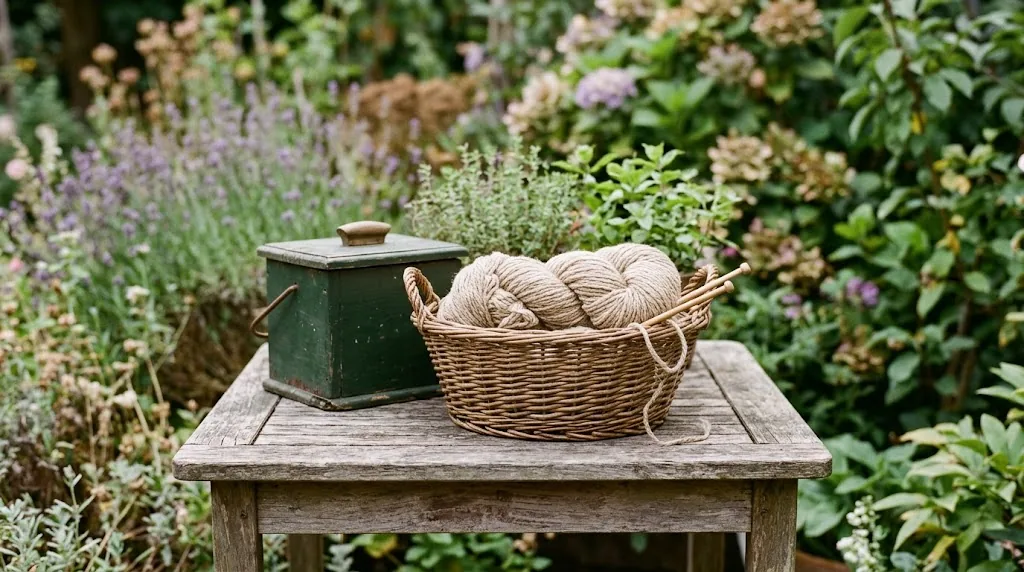
How to compost wool
- Cut the wool into small pieces, about 5 cm (2 inches).
- Mix it into the pile with leaves or shredded paper.
- Keep the pile moist so the wool breaks down.
Watch out for
- Avoid wool blends with synthetic fibres like polyester.
- Don't add dyed or chemically treated wool.
- Whole sweaters or rugs take a very long time.
Other ways to use wool
- Reuse wool for crafts, felting, or insulation.
- Donate wearable wool to a charity shop.
Common questions
Can I compost wool socks?
Only if they are 100% wool with no synthetic blend, cut into small pieces.
Does wool break down?
Yes, but it's slow. Expect months, not weeks.
Is wool biodegradable?
Yes. Natural wool is a biodegradable fibre.
Can wool go in the bin with other textiles?
Yes, if untreated and cut up. Keep it separate from synthetic fabric.
Rules vary by town and by composting method. When in doubt, check with your local composting or waste program.