
You can compost cotton rags, but only if they are 100% natural cotton and free from synthetic threads, heavy grease, and toxic chemical residues.
Why
Pure cotton is a natural plant fiber made of cellulose, which microorganisms can break down over time. However, many rags contain synthetic stitching like polyester, plastic buttons, or metallic parts that will not decompose in a backyard bin. Furthermore, rags used with chemical cleaners, motor oil, or synthetic paints introduce harmful pollutants into your compost, which can ruin your soil and damage plant life. Hot compost piles break down natural fabrics much faster than cold piles, but you should always verify the fabric composition first. Because cotton counts as a brown (carbon-rich) material, balance it with plenty of greens such as fresh grass clippings or kitchen scraps.

Quick facts
| Carbon to nitrogen | Varies |
|---|---|
| Hot pile | 2-4 months |
| Cold pile | 6-12 months |
| Worm bin | Sometimes · Small amounts, finely chopped |
| Bokashi | Sometimes · Only 100% cotton, no synthetic blends |
| City green bin | Check local rules; blends may be rejected |
| Prep | Cut into 1-inch pieces |
| Mix with | Mix with plenty of brown materials |
| Pest risk | Low · Bury deep in pile to avoid flies |
How to compost cotton rags
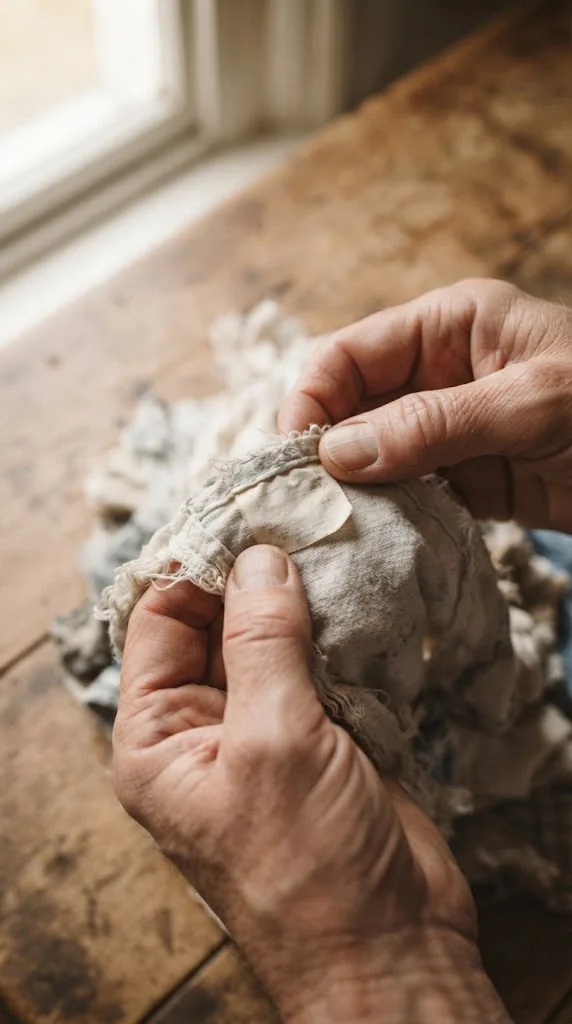
- Check the label or verify that the rag is 100% natural cotton with no synthetic blends.
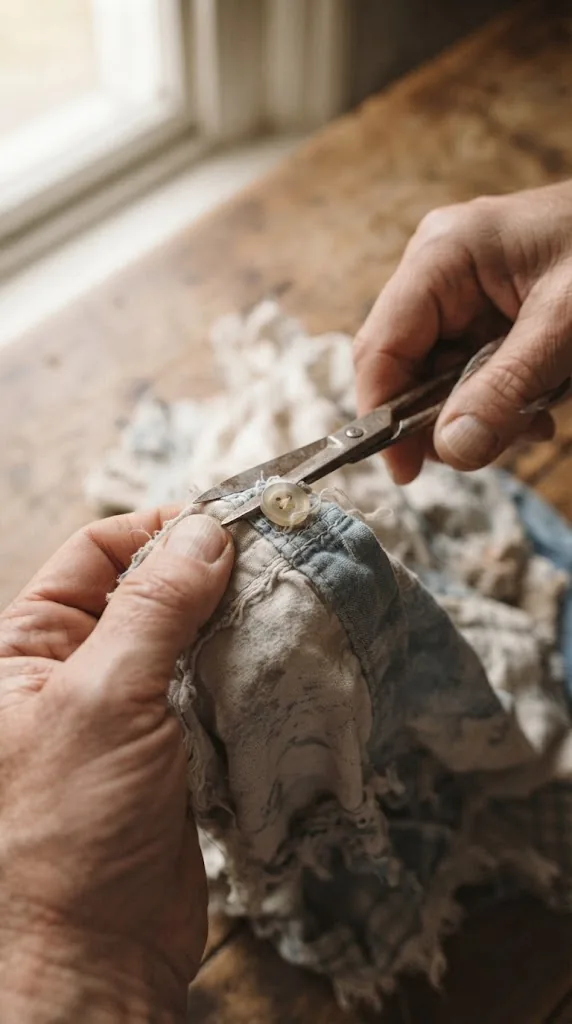
- Remove any plastic buttons, zippers, synthetic tags, or polyester stitching.
- Cut the cotton fabric into smaller strips or squares to speed up the decomposition process.
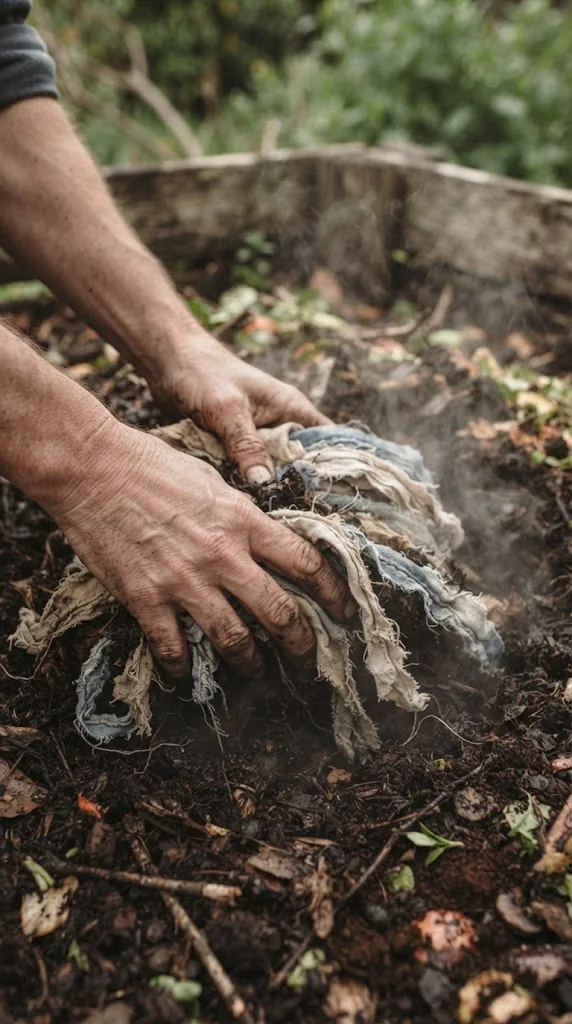
- Bury the cotton pieces deep inside an active compost pile to maintain moisture and heat.
- Keep the pile as damp as a wrung-out sponge, since dry fabric barely breaks down.
- Pull out any leftover thread or labels when you turn or sift the finished compost.
How much cotton rags can you add to compost?
You can add a few handfuls of cut cotton rag strips to your home compost pile during any single turn. Because they act as a carbon-rich brown material, balance every handful of fabric strips with a generous scoop of nitrogen-heavy green waste like fresh grass clippings. If you notice the fabric matting into impermeable sheets that block airflow and moisture, you have added too much fabric at once.
Which types of cotton rags can you compost?
- 100 percent organic cotton washcloths: Yes. These pure plant fibers break down relatively quickly in a healthy and active compost pile.
- Poly-cotton blend t-shirt rags: Sometimes. Only the cotton portion decomposes, leaving behind durable plastic microfibers that linger in the finished soil.
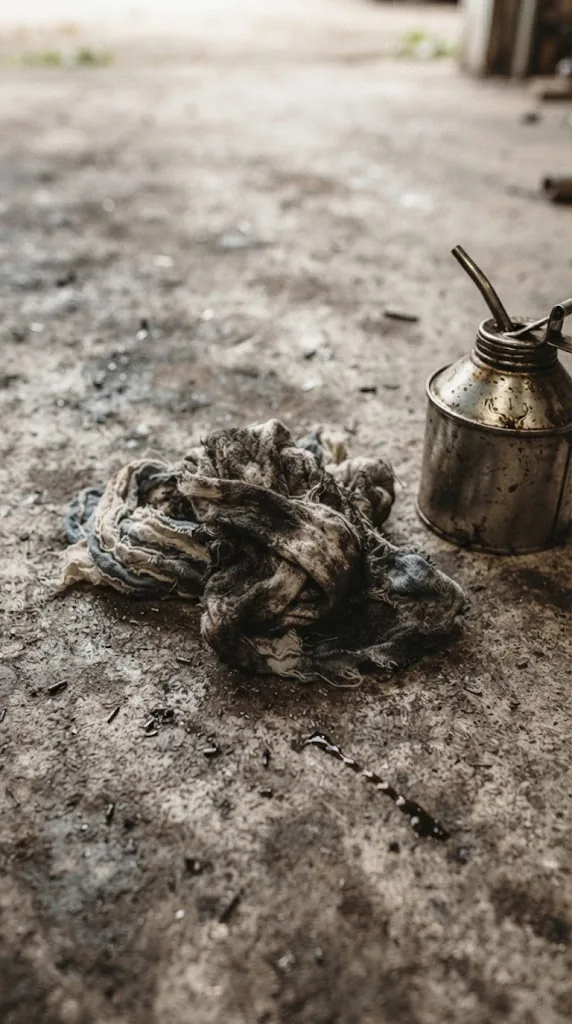
- Mechanics shop towels with motor oil: No. Petroleum products and heavy metals will poison your compost microorganisms and ruin your garden soil.
- Denim jeans made of cotton and elastane: Sometimes. The heavy weave breaks down very slowly and synthetic spandex threads will remain intact indefinitely.
Watch out for
- Synthetic blends like poly-cotton will leave behind plastic microfibers.
- Do not compost rags soaked in chemicals, pesticides, or petroleum products.
- Metallic grommets or synthetic thread will persist in the pile indefinitely.
- Rags used with linseed oil or oil-based wood stain can heat up and catch fire on their own, so never pile them up or add them to compost. Dry them flat outdoors and dispose of them according to local hazardous waste rules.
What to do instead
- Wash and reuse them for cleaning around the house until they are completely worn out.
- Donate old clothing and textiles to a local textile recycling program.
- Repurpose them as stuffing for pet beds or draft stoppers.
Troubleshooting cotton rags in compost
- The cotton rags are not breaking down at all after several months. The fabric pieces are likely too large and the pile is too dry. Cut the rags into smaller squares and ensure the pile is kept as damp as a wrung-out sponge.
- The fabric layers are matting together and suffocating the pile. Tease the cotton strips apart before adding them and mix them thoroughly with bulky materials like dry leaves or wood chips to maintain proper aeration.
- White mold is growing rapidly over the cotton pieces. This is normal fungal activity breaking down the cellulose. Simply turn the pile to distribute the mold and incorporate the material more evenly.
Myths about composting cotton rags
- Myth: All natural fabrics decompose at the same speed in a backyard bin. Truth: Heavy woven fabrics like canvas or denim take much longer to break down than loose knit cotton and require a hot, highly active pile.
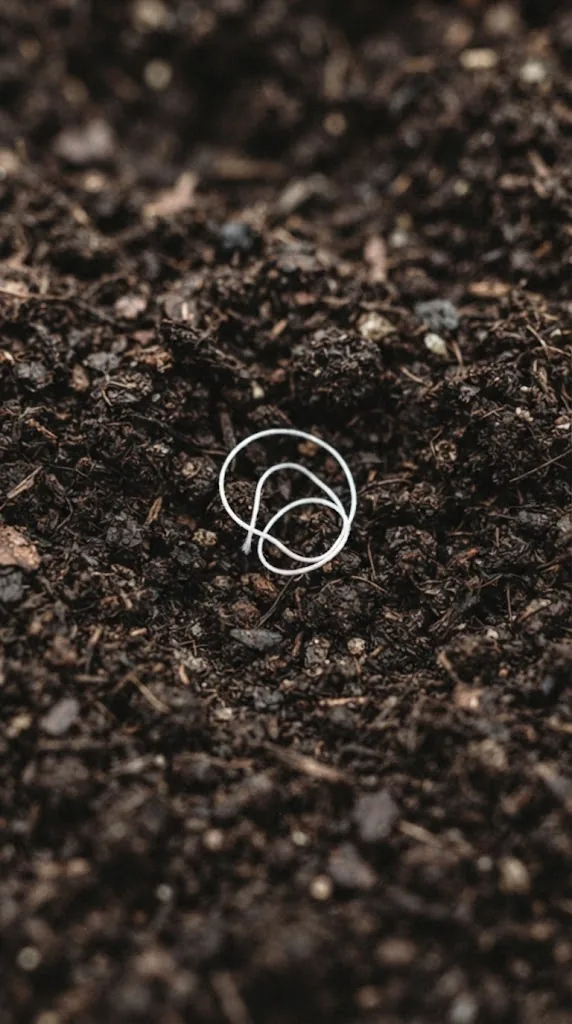
- Myth: You can leave sewing thread in place because it is small. Truth: Most standard sewing thread is made of polyester and will persist in your compost long after the cotton fabric has vanished.
Can cotton rags go in a green bin or recycling?
Municipal green waste or food-waste collection programs rarely accept textiles, including cotton rags, because the long fibers can wrap around and jam commercial shredding and turning equipment. Curbside recycling bins also reject them because textiles foul sorting machines at material recovery facilities. Instead, check with local textile recycling drop-off sites or thrift stores that accept unusable rags for industrial insulation recycling. Always verify your specific municipal rules before placing any fabric in municipal bins.
Does composting cotton rags attract pests?
Composting 100 percent natural cotton rags does not attract pests. Because cotton is a dry, carbon-rich brown material without food odors or nutritional value for animals, it poses no temptation to rodents, insects, or other wildlife. In fact, you can use these cotton rags as an effective cover layer on top of your compost pile. Tucked over fresh food scraps and other smelly green materials, the fabric helps hide odors and discourages pests from investigating your bin.
- Cut the cotton rags into strips to create a dense, uniform cover layer over fresh food scraps.
- Ensure the rags are completely free of food residue, grease, or oils before placing them in the bin.
- Bury the cotton pieces deep inside the pile to help lock in moisture and mask the scent of decaying matter.
- Check that the rags are 100 percent natural cotton so they integrate smoothly into the compost without leaving behind synthetic traces.
Common questions
Can I compost old t-shirts and towels?
Yes, as long as they are made entirely of 100% natural fibers like cotton, linen, or wool and do not contain synthetic blends.
What happens to synthetic thread on cotton rags?
Synthetic threads are usually made of polyester and will remain intact in your compost pile even after the cotton fabric has completely broken down.
Are colored or dyed cotton rags safe for the garden?
Lightly dyed cotton is usually fine, but heavily dyed or printed fabrics may introduce synthetic inks and heavy metals into your compost.
How can I tell if a rag is 100% cotton?
Check the care label first. If the label is missing and you are not sure, treat the rag as a blend and reuse it for cleaning instead of composting it, because poly-cotton looks and feels very similar to pure cotton.
Can I compost cotton rags used with cooking oil?
A rag with a small amount of vegetable oil can go into a hot, active pile, but rags soaked in grease or fat attract pests and slow decomposition, so put those in the trash.
Are cotton rags biodegradable?
Yes. 100% cotton rags biodegrade in about 3-6 months. Poly-cotton blends only partly break down and leave plastic fibers behind.
Rules vary by town and by composting method. When in doubt, check with your local composting or waste program.