
You can compost wood fire ashes in small amounts, but only if they come from untreated, clean wood.
The hidden lye in wood ash
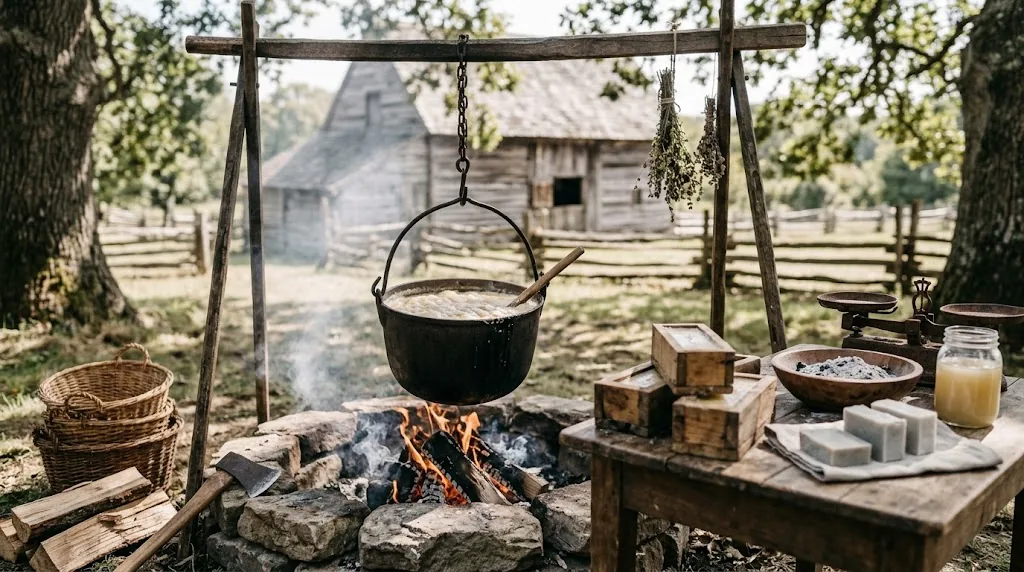
When water trickles through wood ash, it washes out a strong alkaline liquid called lye. Pioneer families collected it in wooden barrels and boiled it with animal fat to make soft soap. Mixed with water, wood ash usually lands around pH 10 to 12, while a healthy compost pile sits close to neutral (about pH 7).
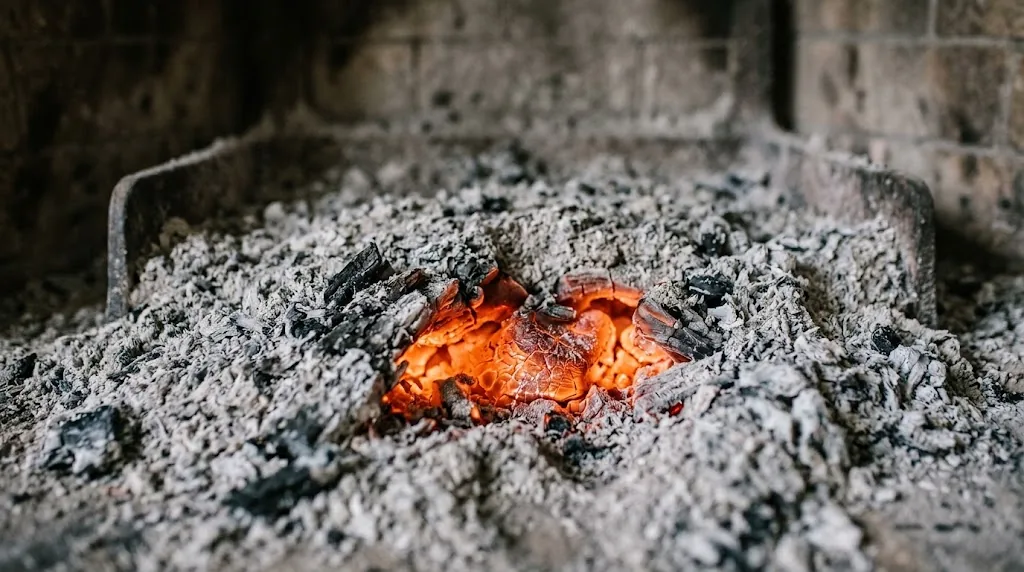
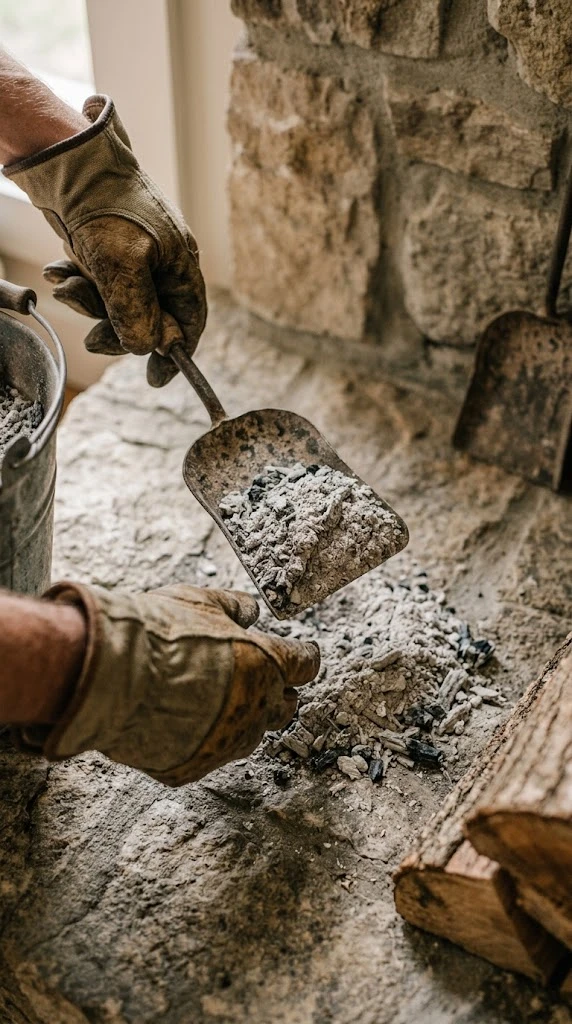
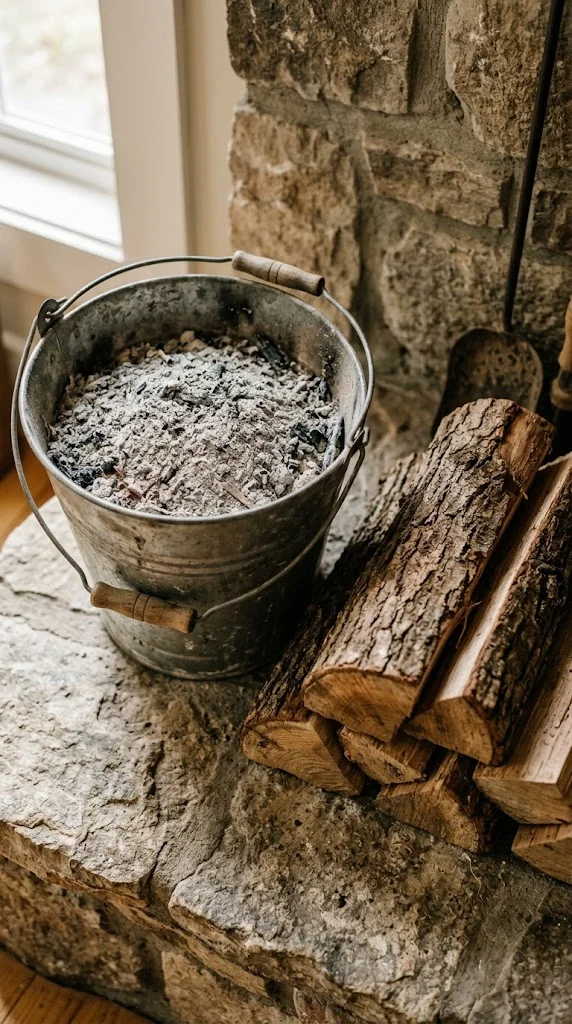
That is why a big dump of ash harms worms and microbes, slows the pile, and makes it lose nitrogen as ammonia. It is also why you should wear gloves when handling a lot of wet ash. Buried embers can stay hot for days, so store ash in a lidded metal bucket on stone or concrete, away from the house, and wait at least 48 hours before it goes near the compost bin.
Quick facts
| Carbon to nitrogen | Not applicable |
|---|---|
| Hot pile | Does not break down |
| Cold pile | Does not break down |
| Worm bin | No · Alkalinity and salts can harm worms. |
| Bokashi | No · Ash disrupts fermentation processes. |
| City green bin | Usually accepted in small amounts; check local rules |
| Prep | Ensure wood is completely unpainted and untreated. |
| Mix with | Spread thinly and mix thoroughly to avoid hotspots. |
| Pest risk | Not applicable · Does not attract pests. |
Why
Wood ash is highly alkaline and contains potassium and calcium, which can benefit your compost pile and garden soil. However, adding too much ash will spike the pH level and harm the beneficial microbes essential for decomposition. You must strictly avoid ashes from treated lumber, pressure-treated wood, painted wood, coal, charcoal briquettes, or trash, as these contain toxic chemicals and heavy metals that will contaminate your compost and soil permanently.
How to compost fire ashes
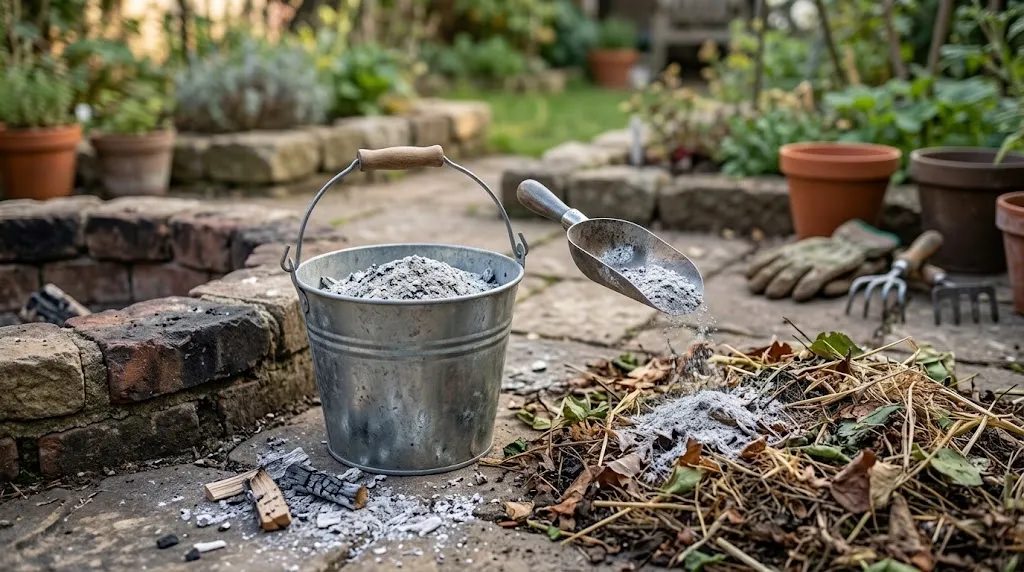
- Ensure the fire ashes are completely cool and have sat for at least 48 hours to prevent accidental fires.
- Collect ashes exclusively from burning clean, untreated natural wood.
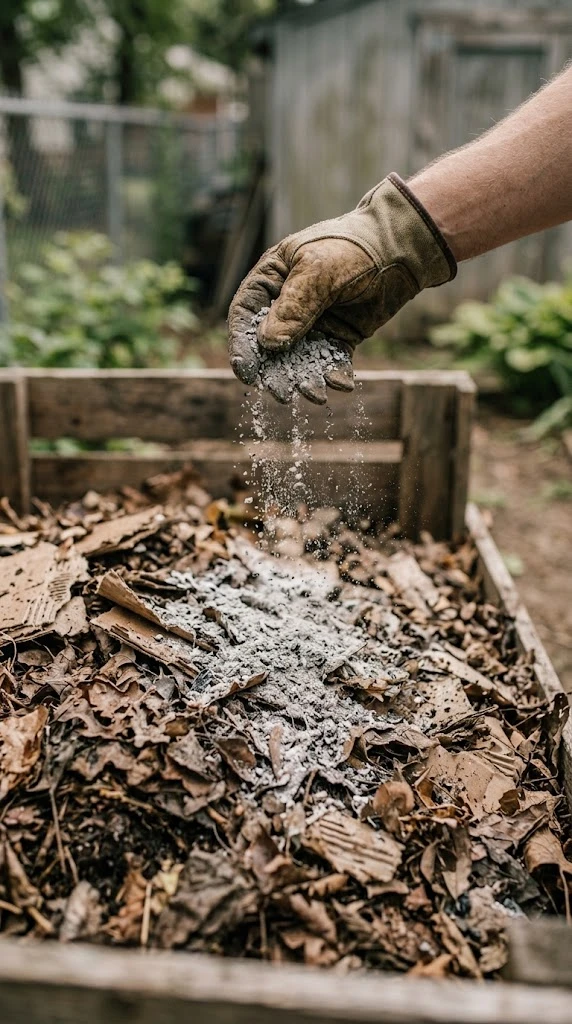
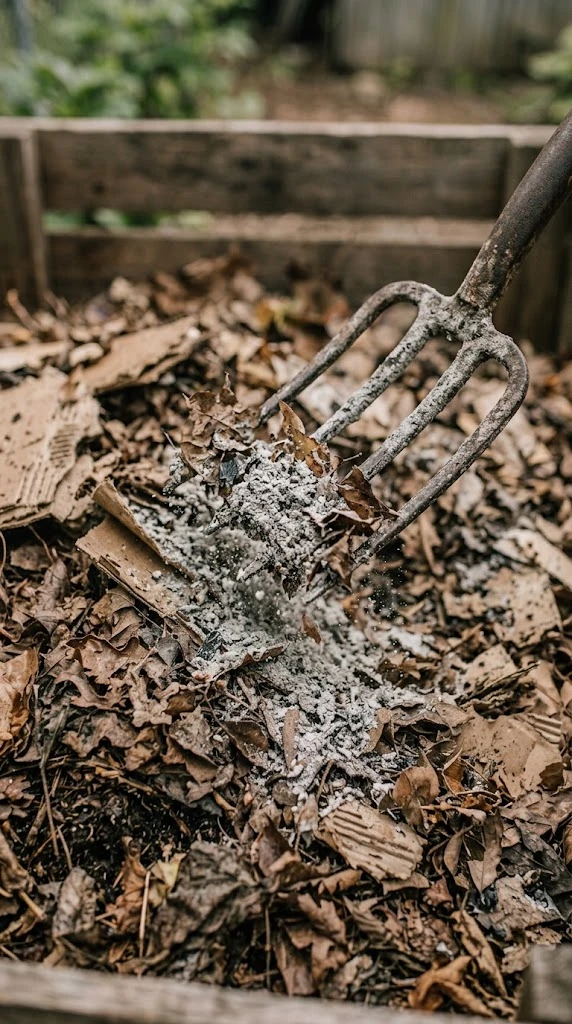
- Sprinkle the ashes in thin layers throughout your compost pile rather than dumping them in one large clump.
- Mix the ashes thoroughly with plenty of brown materials like leaves or cardboard to balance the alkalinity.
How much fire ashes can you add to compost?
As a general rule of thumb, wood ash should make up no more than one to two percent of your total compost pile volume. For a standard backyard bin, add no more than one cup of cool ash at a time, spaced several weeks apart. Always balance every handful of alkaline ash with several handfuls of carbon-rich brown materials like dry leaves or shredded paper. A sudden drop in decomposition speed or a foul, ammonia-like odor often indicates that you have added too much ash and spiked the pile alkalinity.
Which types of fire ashes can you compost?
- Untreated hardwood ash: Yes. Clean hardwood ash breaks down nicely and provides valuable potassium and trace minerals to your pile without introducing synthetic toxins.
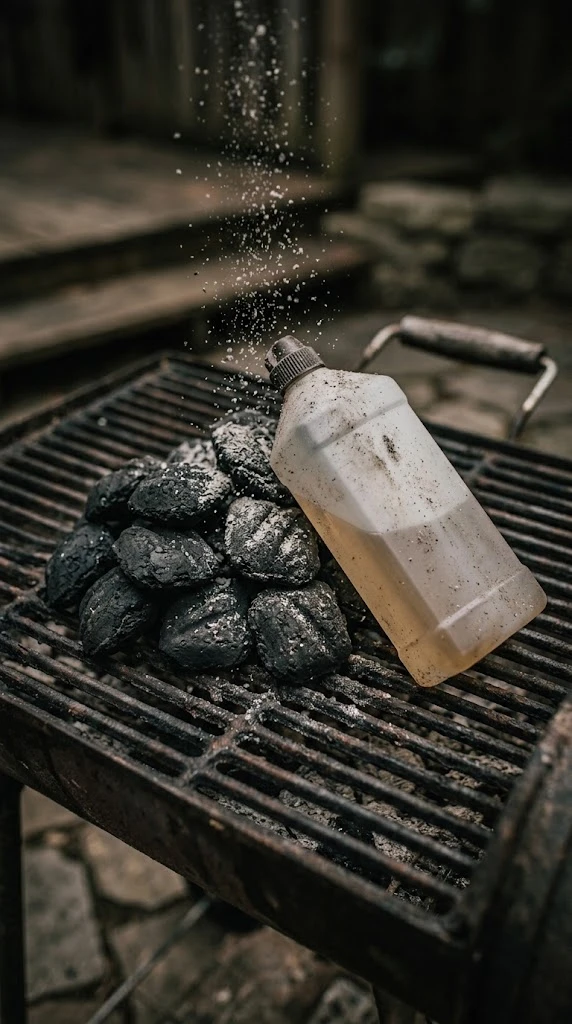
- Charcoal briquette ash: No. Charcoal briquettes contain chemical additives, petroleum-based lighter fluids, and binders that can permanently contaminate your compost and garden soil.
- Treated lumber ash: No. Wood treated with pressure preservatives, paints, or stains leaves behind heavy metals and hazardous chemicals that will poison your compost microbes.
- Pellet stove ash: Sometimes. Pellet ash is safe only if the manufacturer explicitly certifies that the wood pellets are 100 percent natural and free of chemical binding agents.
Watch out for
- Never add ashes from charcoal briquettes, lighter fluid, or synthetic materials.
- Avoid adding large quantities at once, as high alkalinity kills composting worms and microbes.
- Do not use ash from pressure-treated or painted wood due to toxic chemical content.
What to do instead
- Spread thinly directly onto acidic garden soil or lawns
- Sprinkle on icy paths and steps for traction
- Dispose of in household trash if from treated wood
Troubleshooting fire ashes in compost
- The ash forms dense, impenetrable gray clumps that block water and air movement. Break up any clumps with a garden fork and sprinkle the ash in a thin, dusting layer rather than pouring it in a heap.
- Composting worms and beneficial microbes are dying off after ash additions. Stop adding ash immediately, water the pile thoroughly, and mix in acidic materials like peat moss or coffee grounds to lower the high pH level.
- A fine, powdery ash cloud blows away and irritates your eyes and throat during application. Lightly mist the ash with a spray bottle before handling it, or gently nestle the dry ash into damp layers of brown materials.
Myths about composting fire ashes
- Myth: Wood ash is a complete fertilizer that can replace all other amendments in your garden. Truth: While wood ash provides potassium and raises pH, it lacks nitrogen and phosphorus, meaning it cannot serve as a standalone fertilizer for your plants.
- Myth: All grey powder left over in a fire pit is safe to compost because the fire burned away the toxins. Truth: Burning does not destroy heavy metals, plastics, or chemical preservatives; in fact, it concentrates these toxins into the remaining ash.
Can fire ashes go in a green bin or recycling?
Most municipal green waste or curbside food-waste collection programs do not accept wood ash in their organic recycling bins. Facilities often reject ash because fine powders can clog their sorting equipment, create hazardous dust clouds during processing, or disrupt the controlled biological balance of large-scale industrial composting. If your local municipality prohibits ash in the green bin, you should thoroughly cool the material and safely dispose of it in your standard household trash.
Does composting fire ashes attract pests?
Composting fire ashes does not attract pests. Because wood ash is a dry, mineral-rich, and alkaline powder containing no food odors or organic nutrients that scavengers look for, it holds zero appeal for animals like rodents, raccoons, or insects. In fact, sprinkling a fine layer of cool, clean wood ash over your compost pile can help absorb excess moisture and cover up the scent of fresh food scraps, which assists in masking odors and keeping unwanted pests away from your bin.
- Ensure ashes are completely cool before adding them.
- Sprinkle ashes in thin layers to avoid heavy clumping.
- Mix the ash thoroughly with carbon-rich brown materials.
- Use layers of dry materials to cover smelly food scraps.
Common questions
Can I compost ash from charcoal briquettes?
No. Charcoal briquettes contain chemical accelerants, binders, and coal dust that can introduce heavy metals and toxins into your compost.
How much wood ash is safe to add to a compost pile?
As a general rule, ash should make up no more than one or two percent of your total compost volume to prevent the pH from becoming overly alkaline.
Can I put fireplace ashes directly on my garden?
Yes, in small amounts, but it is usually best to blend them into your compost pile first so they can be evenly distributed and buffered by other organic matter.
Are fire ashes biodegradable?
Not really. Wood ash is already the mineral leftover of burning, so there is nothing left for microbes to digest. It simply mixes into the pile and adds potassium and lime.
Rules vary by town and by composting method. When in doubt, check with your local composting or waste program.