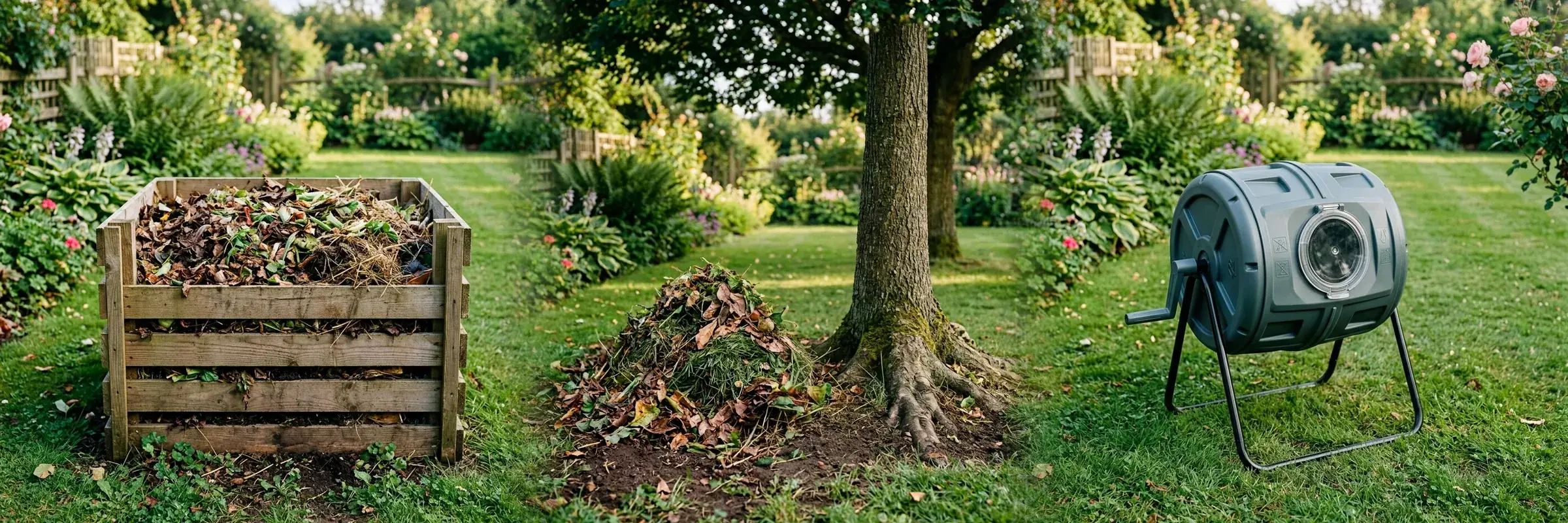
You can compost mango pits, but they take a very long time to break down in a standard backyard bin. They are best suited for hot composting systems or municipal industrial facilities.
Why
Mango pits are extremely dense, woody, and fibrous, making them one of the slowest items to decompose in a home compost pile. While they are technically organic matter, they will likely remain intact for years in a cold, passive bin. If you have a high-heat thermophilic pile, the increased microbial activity and temperature may speed up the process, but even then, they are stubborn. Most home composters find that these pits simply act as inert filler rather than contributing nutrients to the final soil product.
Quick facts
| Carbon to nitrogen | Varies |
|---|---|
| Hot pile | 1-2 years |
| Cold pile | 2+ years |
| Worm bin | No · Too woody and slow for worm digestion. |
| Bokashi | Sometimes · Only if chopped into very small pieces first. |
| City green bin | Usually accepted; check local municipal guidelines. |
| Prep | Remove fruit flesh and dry or chop into small pieces. |
| Mix with | Bury deep within a hot pile to encourage decomposition. |
| Pest risk | Low · Low risk if cleaned of all fruit flesh. |
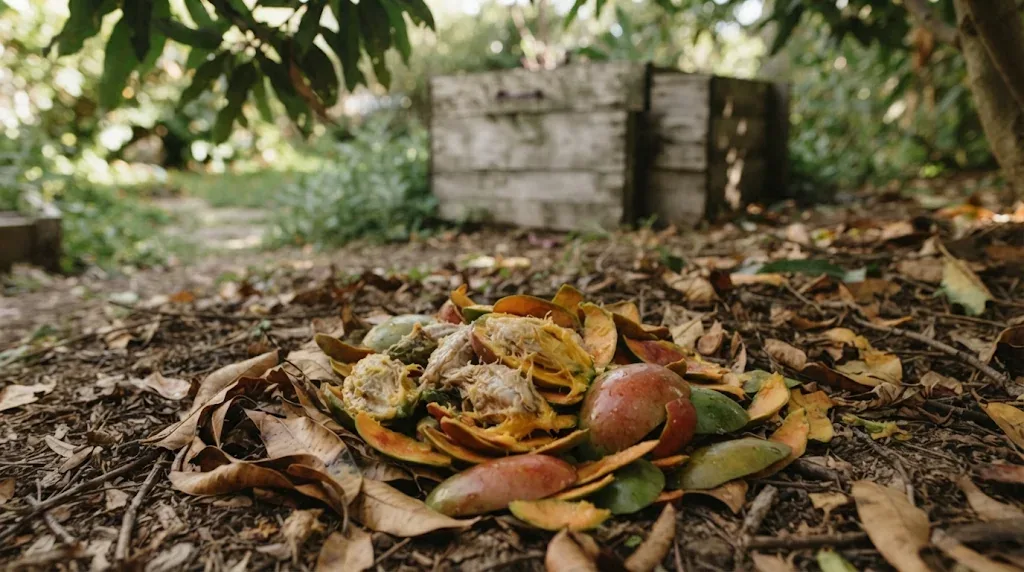
How to compost mango pits
- Clean the pit thoroughly to remove all fruit flesh.
- Dry the pit in the sun for a few days to prevent mold.
- Crush or crack the pit with a hammer to expose the inner seed.
- Bury the pieces deep in the center of a hot, active compost pile.
How much mango pits can you add to compost?
You should only add mango pits in moderation, as they do not contribute much to the nutrient profile of your compost. A few pits per week is perfectly fine for a large, active pile. If you find your bin is filling up with whole, undecomposed pits, you have added too many. Always balance them with plenty of nitrogen-rich green materials to keep the microbial activity high enough to eventually break down the tough, woody exterior.
Which types of mango pits can you compost?
- Cleaned pits: Yes. These are safe to add as they won't attract pests.
- Pits with fruit residue: No. The remaining sugar will attract fruit flies and rodents.
- Crushed pits: Yes. Crushing helps moisture penetrate and speeds up the breakdown.
Watch out for
- They may sprout if the pile does not get hot enough.
- Whole pits can be a choking hazard for curious pets.
- They do not break down in traditional worm bins or tumblers.
What to do instead
- Plant the seed to grow your own mango tree.
- Place in your municipal green waste bin.
- Discard in the trash if local rules prohibit woody waste.
Troubleshooting mango pits in compost
- The pit keeps sprouting. Ensure your pile reaches at least 130-140 degrees Fahrenheit to kill the seed.
- The pit is not breaking down. This is normal; simply sift it out of the finished compost and return it to the new pile.
Myths about composting mango pits
- Myth: Mango pits are toxic to compost. Truth: They are not toxic, just very slow to decompose due to their high lignin content.
- Myth: All organic matter breaks down at the same speed. Truth: Different materials have varying carbon-to-nitrogen ratios and structural densities that dictate decomposition rates.
Can mango pits go in a green bin or recycling?
Most municipal green waste programs accept mango pits because their industrial composting facilities reach the high temperatures necessary to break down woody materials. Always check your local waste management guidelines first to confirm if they accept large food scraps or woody items. If your city does not have a curbside organics program, these pits are best disposed of in your regular trash, as they will likely persist in a home backyard bin for an impractical amount of time.
Does composting mango pits attract pests?
Mango pits do not typically attract pests because they lack the sugary, soft fruit flesh that draws flies, ants, and rodents. Once cleaned of all fruit residue, they are essentially just woody debris. Because they are not a food source, they do not pose a significant risk of infestation, provided you have removed all traces of the mango fruit before tossing them into your bin.
- Wash the pit thoroughly to remove all sweet fruit pulp.
- Ensure the pit is completely dry before adding it to the pile.
- Bury the pit deep within the center of your compost.
Common questions
Are mango pits biodegradable?
Yes, they are biodegradable, meaning they will eventually break down into natural elements. However, this process takes far too long for most home composting setups.
Will a mango pit grow in my compost?
Yes, if the pit is viable and the compost pile does not reach high enough temperatures to kill the seed, it can easily sprout and grow into a plant.
Can I put mango pits in a worm bin?
No, they are too hard and woody for worms to process. They will just sit there and take up space.
Should I cut the pit into smaller pieces?
Yes, breaking the pit into smaller fragments significantly increases the surface area for microbes to work on, which helps speed up decomposition.
Rules vary by town and by composting method. When in doubt, check with your local composting or waste program.