
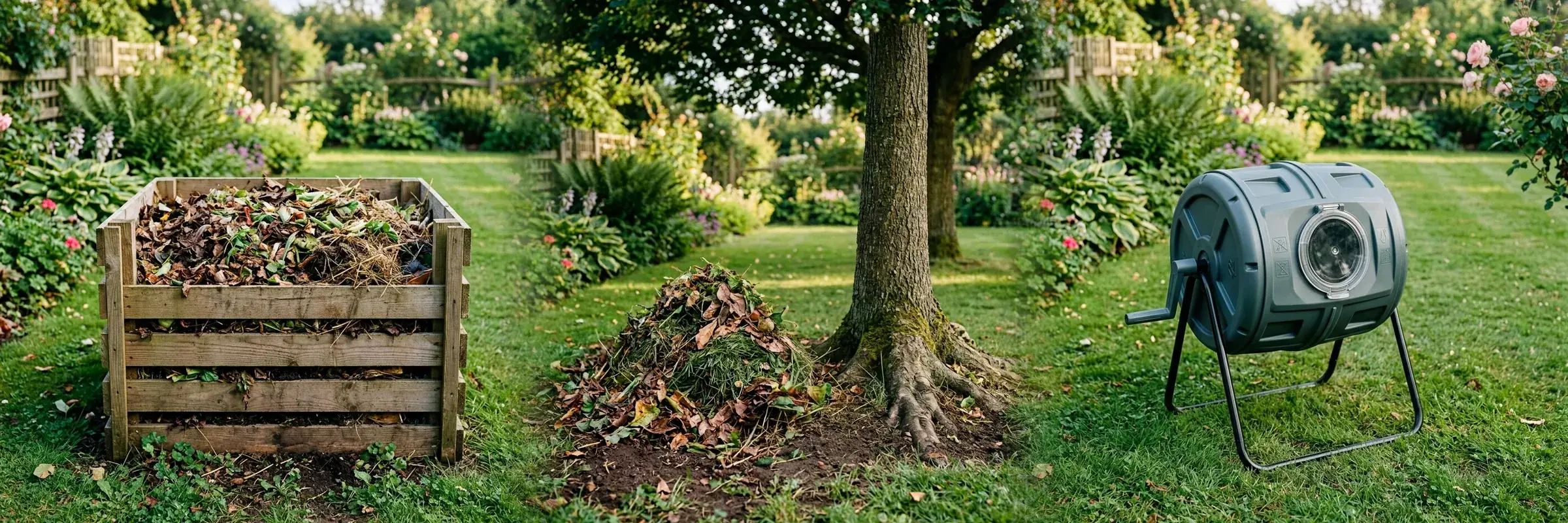
Sometimes. Fresh chicken manure is too strong, but well-aged manure is a great compost ingredient.
Why
Chicken manure is high in nitrogen and can burn plants and carry pathogens when it's fresh. Composting it hot for several weeks, or aging it for months, makes it safe and rich.
Quick facts
| Carbon to nitrogen | About 10:1 |
|---|---|
| Hot pile | 4-8 weeks |
| Cold pile | 6-12 months |
| Worm bin | Sometimes · Aged and in small amounts only |
| Bokashi | Yes · Can be added to the system |
| City green bin | Usually accepted; check local rules |
| Prep | Age or hot compost before use |
| Mix with | Mix with carbon-rich brown materials |
| Pest risk | Medium · Keep covered to deter flies and animals |
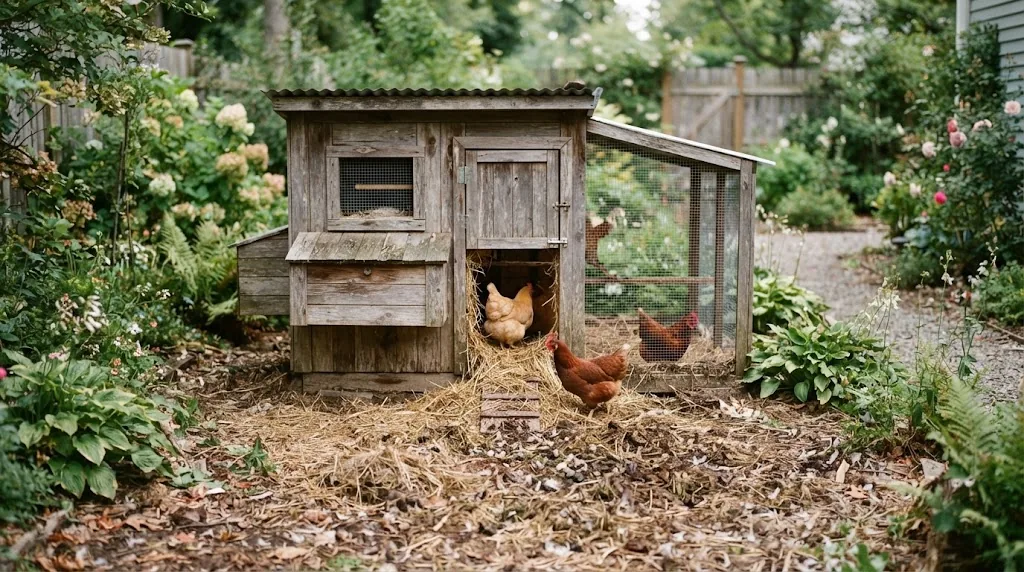
How to compost chicken manure
- Mix the manure with plenty of brown material like straw or shredded leaves.
- Keep the pile moist and turn it so it heats up.
- Let finished compost sit for a few weeks before using it near vegetables.
How much chicken manure can you add to compost?
Chicken manure should make up no more than ten to fifteen percent of your total compost pile volume. Because it is a concentrated nitrogen source, pair every single bucket of manure with at least three to four buckets of carbon-rich browns like dry leaves, sawdust, or straw. If your pile starts emitting a harsh, stinging ammonia smell, or if it turns into a dense, slimy sludge that refuses to heat up, you have added far too much manure.
Which types of chicken manure can you compost?
- Fresh manure with pine shavings: Sometimes. Pine shavings act as a great brown material, but the fresh droppings underneath still require aging or hot composting to kill pathogens.
- Completely dried manure pellets: Yes. Pelletized manure is pre-dried and processed, making it much lower in active ammonia and safer to handle in smaller home garden setups.
- Manure mixed with heavy clay soil: Sometimes. Coop sweepings containing dirt can be composted, but the heavy clay limits airflow and slows down the overall breakdown process.
Watch out for
- Don't add fresh droppings directly to garden beds.
- Avoid bedding or pile material with wormer or antibiotic residues.
- Wash your hands after handling manure.
What to do instead
- Use the manure as a side-dressing only after it has aged.
- Ask a local farm if they will take fresh manure.
Troubleshooting chicken manure in compost
- The pile smells overwhelmingly like strong ammonia. This means there is too much nitrogen. Thoroughly mix in extra dry carbon materials like shredded cardboard or brown leaves to absorb the excess.
- The manure clumps together into a dense, impermeable mat. Break apart the clumps with a pitchfork and interleave coarse brown materials throughout the pile to restore necessary airflow.
- The manure pile is staying cold and failing to decompose. Ensure the moisture level is similar to a wrung-out sponge and blend in more green nitrogen sources or fresh grass clippings to jumpstart microbial heat.
Myths about composting chicken manure
- Myth: You can safely spread raw chicken manure straight onto vegetable garden beds as long as you bury it a few inches deep. Truth: Fresh chicken manure contains high levels of free ammonia and harmful bacteria that can burn plant roots and contaminate edible crops even when buried.
- Myth: All chicken manure is organic and completely free of chemical residues. Truth: If the flock has been treated with specific antibiotics, de-wormers, or industrial feed additives, those residues can persist in the manure and harm your garden soil life.
Can chicken manure go in a green bin or recycling?
Most municipal green waste or yard trimmings curbside programs do not accept raw animal manures due to strict pathogen safety regulations and potential chemical residues. However, some commercial composting facilities with high-heat industrial digesters will accept bagged or contained animal waste. Always check your local municipal waste management guidelines before tossing raw chicken manure into your official green bin to avoid contamination fines.
Does composting chicken manure attract pests?
Adding chicken manure to your compost pile does not typically attract pests like rodents or raccoons. Because it is a dense animal manure rather than loose food scraps, it does not emit the strong, targeted food odors that scavengers seek out. Furthermore, when you properly mix chicken manure with plenty of brown materials such as straw or shredded leaves, and use it as a cover layer over other compost additions, it effectively helps hide odors and keeps pests away from your bin.
- Mix chicken manure thoroughly with carbon-rich brown materials to neutralize strong odors.
- Cover fresh additions with a thick layer of straw or leaves to deter flies.
- Keep the pile properly moistened to accelerate breakdown and discourage pests.
- Avoid adding kitchen food scraps to the manure mixture unless they are properly buried.
Common questions
Can I compost chicken poop?
Yes, if you mix it with plenty of bedding and let it heat up or age.
Is fresh chicken manure safe for plants?
No. It can burn roots and can carry bacteria like Salmonella.
How long should chicken manure age?
Several months is the usual guidance for a cool pile. A hot pile needs fewer weeks.
Is chicken manure biodegradable?
Yes. It breaks down completely in a pile.
Rules vary by town and by composting method. When in doubt, check with your local composting or waste program.