No
No. Plants with disease can spread the problem back to your garden.
VerdictNo
Breaks down inNever safe in a home pile
Counts asOrganic
Why
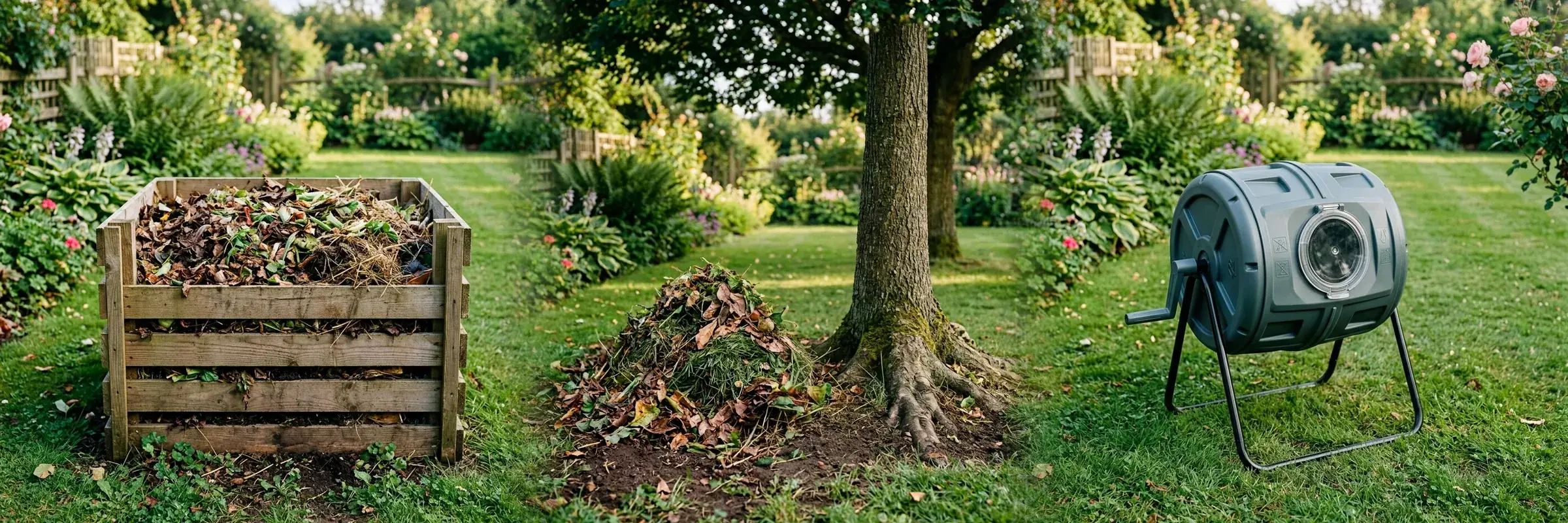
Home piles often don't get hot enough to kill fungal spores, bacteria, or viruses. Diseased plants can come back the next season when you spread the compost.
Quick facts
| Carbon to nitrogen | Not applicable |
|---|---|
| Hot pile | Does not break down |
| Cold pile | Does not break down |
| Worm bin | No · Pathogens can survive and harm worms |
| Bokashi | No · Pathogens may survive fermentation |
| City green bin | Check local rules; often banned |
| Prep | Bag securely and discard in trash |
| Mix with | Do not compost; avoid mixing |
| Pest risk | Low · Bag to prevent spreading disease spores |
How to get rid of diseased plants
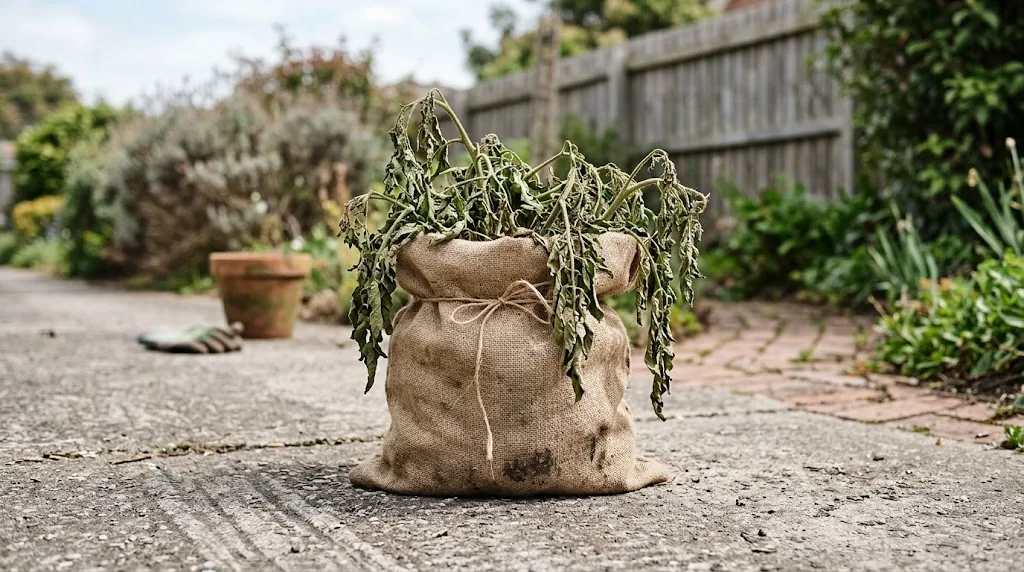
- Bag diseased plants and put them in the trash.
- Ask your council if they take diseased garden waste for hot processing.
- Clean your tools after handling diseased plants.
Watch out for
- Blight, mildew, and rust can survive in a home pile.
- Don't compost plants with root rot or wilt.
- Don't spread compost from diseased material on beds.
What to do instead
- Trash them in a sealed bag.
- Use a council green-waste service that uses high-heat processing.
Common questions
Can I compost blight-infected tomatoes?
No. Bag them and put them in the trash.
What about powdery mildew?
Leaves with mildew are safer in a hot pile, but still bagging is best.
Can I use compost from diseased plants?
Not on the same garden. Disease can survive.
Are diseased plants biodegradable?
Yes, but the disease can outlast the plant.
Rules vary by town and by composting method. When in doubt, check with your local composting or waste program.