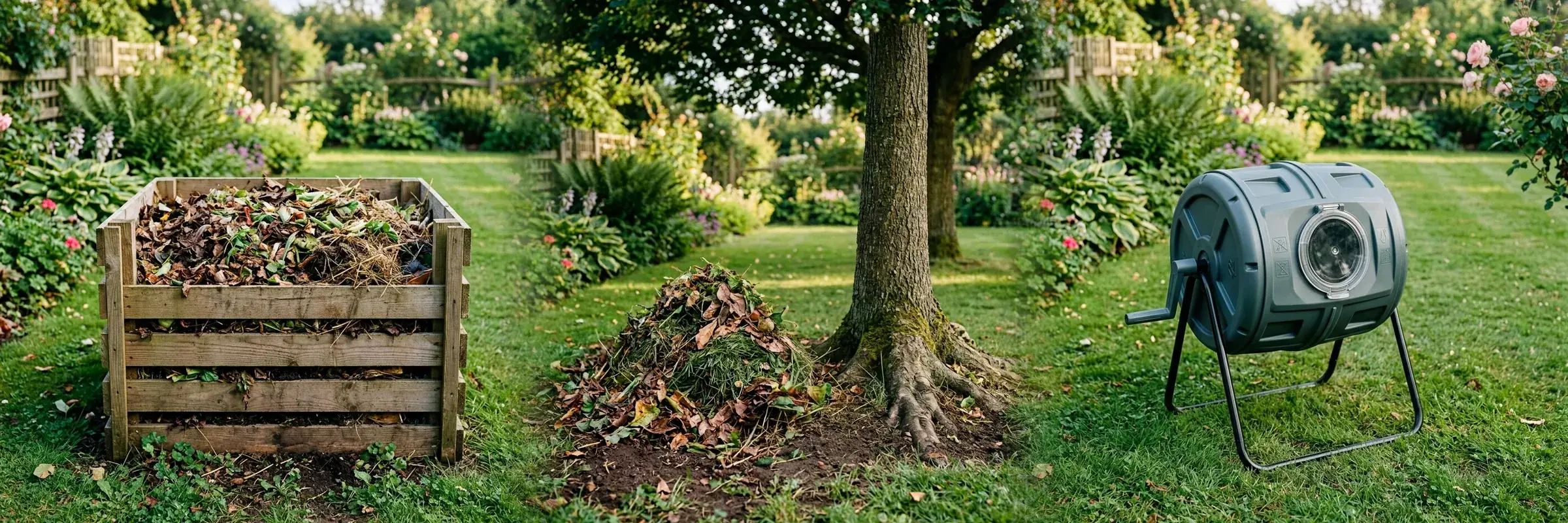
No
No. Milk and dairy go sour fast and attract pests, so keep them out of a home bin.
VerdictNo
Breaks down inBreaks down, but smells and attracts pests
Counts asDairy
Why
Dairy is high in fat and protein. In a home pile it turns rancid, smells strongly, and draws rats, raccoons, and flies.
Quick facts
| Carbon to nitrogen | Not applicable |
|---|---|
| Hot pile | Does not break down |
| Cold pile | Does not break down |
| Worm bin | No · Liquid ruins bedding and creates foul anaerobic conditions. |
| Bokashi | Sometimes · Small splashes can be fermented, but large amounts sour the bin. |
| City green bin | Check local rules; usually prohibited in green bins. |
| Prep | Pour small amounts down the drain instead. |
| Mix with | Do not add to outdoor piles. |
| Pest risk | High · Strong dairy odors quickly attract rats, raccoons, and flies. |
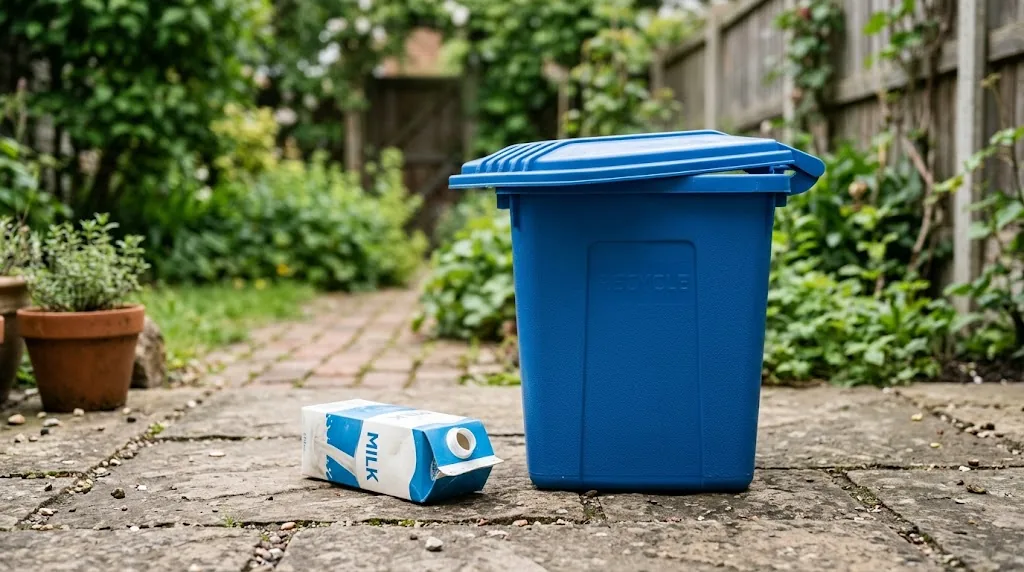
How to get rid of milk
- Pour leftover milk down the drain with plenty of water, if your drain allows it.
- Use spoiled milk in a plant watering can, diluted with water.
- Keep dairy out of the pile entirely.
Watch out for
- Milk in a pile smells and attracts pests.
- Dairy in a pile can also cause odours when hot composting.
- Cheese, yogurt, and butter have the same problem.
What to do instead
- Dilute spoiled milk and use it on plants.
- Ask your city whether dairy goes in the food waste collection.
Common questions
Can I compost sour milk?
No. It smells and attracts pests, even in small amounts.
Can I compost cheese?
No. Cheese has the same problem as milk.
What about yogurt?
Also no. It sours and attracts pests.
Is milk biodegradable?
It breaks down, but not in a home pile without problems.
Rules vary by town and by composting method. When in doubt, check with your local composting or waste program.