
Yes, bushes can be composted, but woody branches need to be chipped or cut down into smaller pieces to break down effectively.
Why
Bushes are rich in carbon and serve as excellent brown material for your compost pile once chopped or shredded. Thick woody stems and branches decompose very slowly on their own, so reducing their size increases the surface area for microbes and beneficial fungi to do their work. Combining these woody trimmings with nitrogen-rich greens like grass clippings creates a balanced pile that heats up and accelerates the overall composting process.
Quick facts
| Carbon to nitrogen | About 40:1 |
|---|---|
| Hot pile | 3-6 months |
| Cold pile | 6-12 months |
| Worm bin | Sometimes · Only small, finely chopped green trimmings. |
| Bokashi | No · Woody material is too bulky for bokashi bins. |
| City green bin | Usually accepted in yard waste bins. |
| Prep | Chop into small pieces or shred. |
| Mix with | Mix with high-nitrogen greens like grass clippings. |
| Pest risk | Low · Woody material rarely attracts pests. |
How to compost bushes
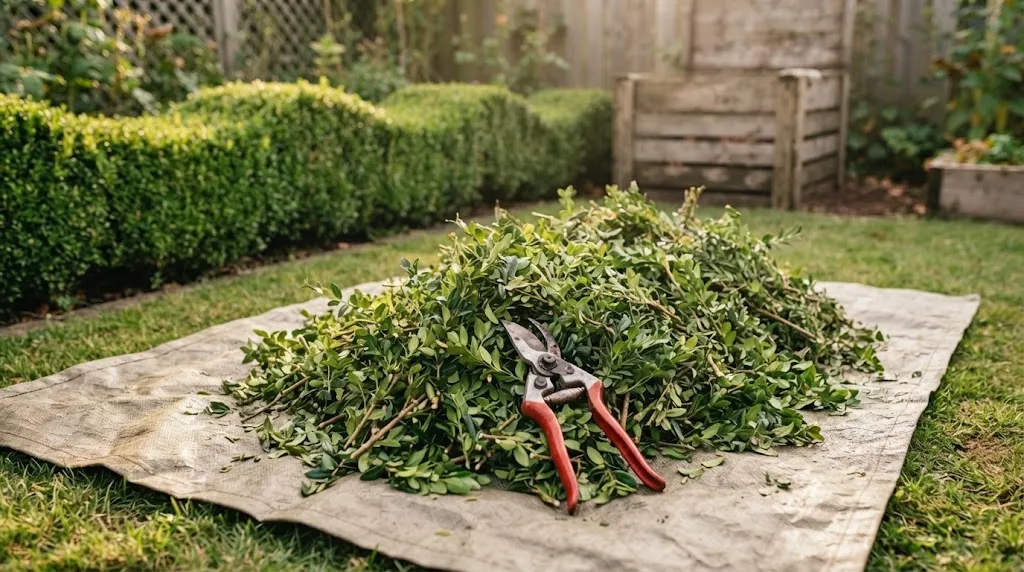
- Prune and cut bush branches into small pieces no longer than a few inches.
- Shred leafy foliage and smaller twigs to speed up decomposition.
- Mix the chopped bush material thoroughly with nitrogen-rich green waste.
- Maintain adequate moisture levels in the pile so the woody material softens.
Tips for a big pruning day
- Sort thick from thin. Put soft leafy twigs in one pile and thick woody branches in another, because they need different treatment.
- Leaves go in first. Leaves stripped off the branches break down much faster than the stems, so add them right away while the wood waits to be chopped.
- Use loppers for thick stems. Long-handled loppers cut thicker stems into short lengths much more easily than hand pruners.
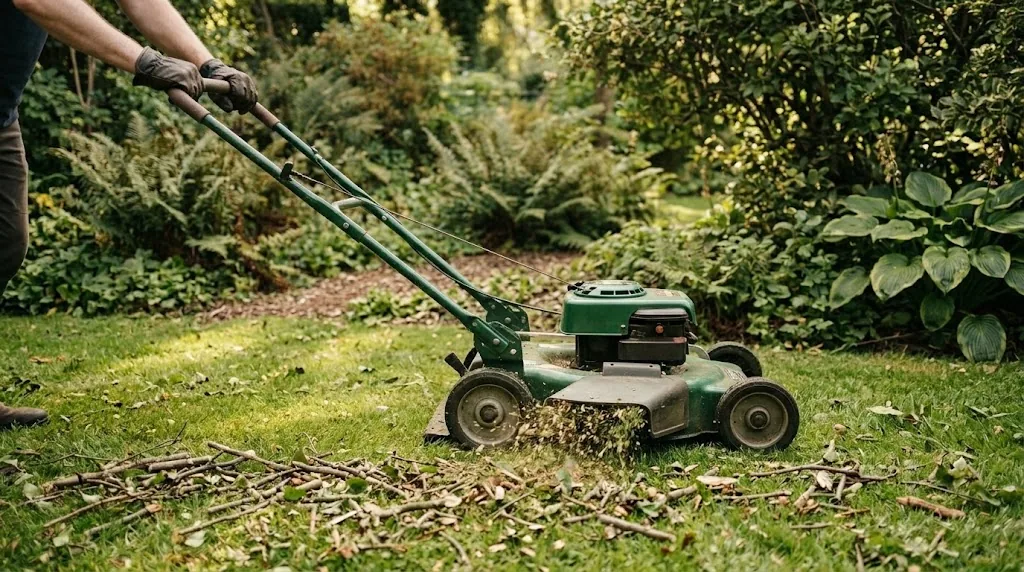
- No shredder? Use a mower. Spread small twigs and leaves on the lawn and run a mower over them a few times to chop them up.
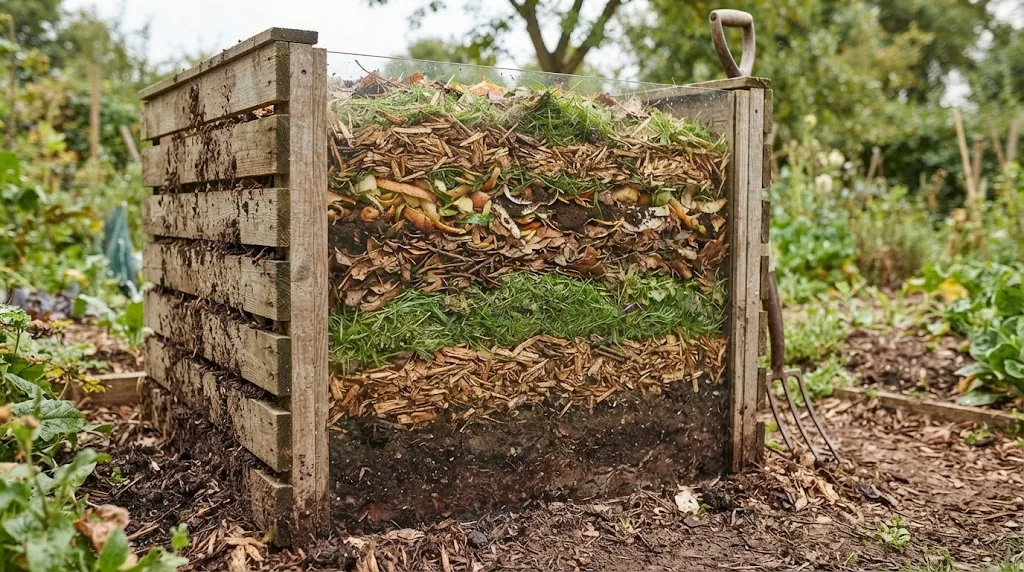
- Layer browns and greens. Alternate a layer of chopped trimmings with a layer of greens, and repeat as the pile grows.
- Keep it like a wrung-out sponge. Dry wood barely breaks down; damp wood softens and lets fungi move in. Turn the pile now and then for air.
- Add big loads in batches. Spread a large pruning job over a few weeks so your greens can keep up with all that carbon.
- Fresh hedge clippings act more like a green. Soft, leafy clippings straight off the trimmer mix in nicely with drier browns.
- Thorny canes are fine, chopped small. Rose canes and other thorny trimmings can go in, but wear thick gloves; thorns stay sharp for a long time.
- Know when it’s ready. Finished compost is dark, crumbly and smells earthy. Toss any leftover woody bits into your next pile.
You can also stack a few thicker branches in a quiet corner of the yard: a simple brush pile gives birds and small wildlife a place to shelter.
How much bushes can you add to compost?
Bushes and woody trimmings can make up about twenty to thirty percent of a healthy backyard compost pile as a carbon-rich brown material. To maintain a balanced pile, pair every single bucket of chopped woody stems with two buckets of nitrogen-rich greens like fresh grass clippings or vegetable scraps. If you add too much wood at once, decomposition stalls completely, and the pile becomes dry and stubbornly resistant to breaking down.
Which types of bushes can you compost?
- Evergreen hedge clippings: Sometimes. Conifer clippings break down very slowly and can make the compost acidic. Chop them finely and mix them in small amounts.
- Soft deciduous bush leaves: Yes. Tender leafy foliage decomposes rapidly and adds great organic matter. Strip them from major branches for the fastest results.
- Thick woody stems: Yes. Heavy stems require thorough chipping or sawing into small pieces. Unprocessed thick wood will sit in your bin for years.
- Diseased bush trimmings: No. Fungal blights and stubborn plant pathogens can survive standard cold home composting. Discard infected branches in municipal trash instead.
Watch out for
- Thick branches left whole will take years to break down and can make turning the pile difficult.
- Avoid adding bushes infected with persistent plant diseases or stubborn weeds.
- Keep treated wood or bushes sprayed with heavy chemical pesticides out of your organic pile.
Other ways to use bushes
- Use branches and woody stems as a base layer for Hugelkultur garden beds.
- Rent a wood chipper to turn trimmings into valuable garden mulch.
- Check for local yard waste collection programs that accept organic brush.
Troubleshooting bushes in compost
- The woody material refuses to break down and still looks brand new after several months. The pieces are likely too large and the pile lacks enough nitrogen and moisture. Chop the wood much finer, add grass clippings, and water the mixture.
- The compost pile develops a dense, impenetrable mat that blocks all airflow. Avoid dumping large flat clumps of leafy bush trimmings in one spot. Scatter them gradually and turn the pile frequently with a pitchfork.
- Unwanted bush shoots or roots start sprouting inside the compost heap. Ensure you are not composting invasive bush species or root balls with active nodes. Let invasive trimmings dry out completely in the sun before adding them.
Myths about composting bushes
- Myth: All yard waste from bushes can go straight into the compost bin in any size or quantity. Truth: Large, unbroken branches will not decompose properly and will ruin the structural balance of your pile. Everything woody must be physically reduced in size.
- Myth: Putting evergreen bush trimmings in your compost will permanently ruin your garden soil. Truth: While pine and evergreen needles can slightly increase acidity, a finished, balanced compost pile neutralizes this effect and is safe for most plants.
Can bushes go in a green bin or recycling?
Most municipal green waste and yard debris programs happily accept bush trimmings and woody branches curbside. However, cities usually enforce strict length and diameter limits for bundled branches, and they may ban root balls laden with dirt. Always strip away non-compostable garden twine, plastic labels, or metal plant tags before placing your yard waste at the curb, and check your local sanitation guidelines for specific container rules.
Does composting bushes attract pests?
Composting bushes and woody trimmings does not attract pests. Because these materials are primarily dry carbon-rich browns rather than odorous food scraps, they carry no scent to draw rodents or insects. In fact, adding shredded bush material and woody branches to your compost pile serves as an excellent cover layer. Using these coarse brown materials to bury food waste helps mask odors, promotes proper aeration, and creates a physical barrier that keeps pests away from the pile.
- Use chopped bush branches as a thick top layer over fresh food scraps to immediately hide odors.
- Shred leaves and smaller twigs to create a dense, uniform blanket that prevents pests from burrowing.
- Mix woody trimmings thoroughly into the pile rather than leaving them in loose surface heaps.
- Maintain proper pile moisture so the carbon materials settle compactly and deter unwanted animals.
Common questions
Can I put whole bush branches straight into the compost bin?
It is not recommended to add whole branches because they take an extremely long time to break down. Always chop or shred them into smaller pieces first.
Are evergreen bushes okay to compost?
Yes, evergreen bushes like boxwoods or arborvitae can be composted, though their needles and leaves can be acidic and may take slightly longer to decompose.
Will woody bush trimmings upset the carbon-nitrogen balance?
Woody trimmings are high in carbon, so you will want to balance them out with plenty of green materials like food scraps or fresh grass clippings.
Are bushes biodegradable?
Yes. Bush trimmings are wood and leaves and fully biodegrade, but thick branches can take years. Chipped or chopped, they break down in 6-12 months.
Rules vary by town and by composting method. When in doubt, check with your local composting or waste program.