
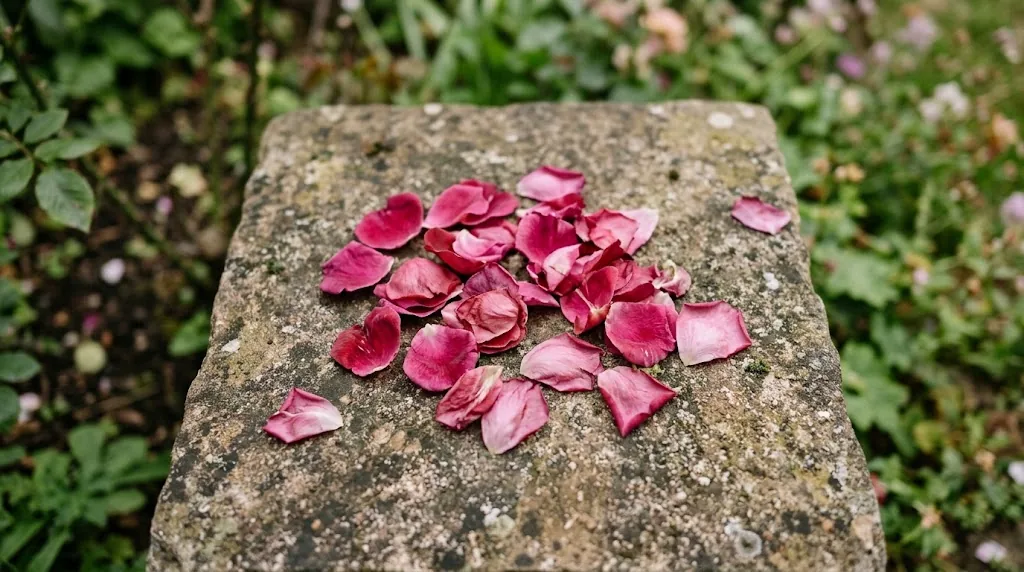
Yes. Rose petals are soft, green-ish plant matter and break down quickly.
Why
Petals are plant tissue, so they break down fast. Keep them to a small share of your pile, because they are wet and can clump together with no airflow.
Quick facts
| Carbon to nitrogen | About 30:1 |
|---|---|
| Hot pile | 1-2 weeks |
| Cold pile | 1-3 months |
| Worm bin | Yes · Great in moderate amounts without chemical residue |
| Bokashi | Yes · Accepts flower petals easily |
| City green bin | Usually accepted; check local rules |
| Prep | Spread thin and avoid pesticide-treated petals |
| Mix with | Mix with dry leaves or carbon-rich materials |
| Pest risk | Low · No significant pest risk if mixed well |
How to compost rose petals
- Spread the petals out to dry for a day or two.
- Mix them into the pile with brown material like leaves or cardboard.
- Add them in small amounts so they don't mat together.
How much rose petals can you add to compost?
Rose petals should make up no more than five percent of your total compost pile volume at any given time. Because they are delicate and wet, always pair every handful of fresh petals with at least three handfuls of dry carbon sources like shredded newspaper or dry leaves. If you notice a sour odor, slimy patches, or the formation of dense green mats blocking airflow inside your bin, you have added too much moisture and petal mass.
Which types of rose petals can you compost?
- Fresh garden roses: Yes. Unsprayed fresh petals break down rapidly in two to six weeks when properly mixed with browns.
- Florist or store-bought roses: Sometimes. Only compost these if you can verify they were not treated with systemic post-harvest pesticides or floral preservatives.
- Potpourri-infused petals: No. These are treated with synthetic fragrance oils and chemical fixatives that can disrupt beneficial soil microbes.
Watch out for
- Don't add petals from roses sprayed with fungicide or pesticide.
- Remove the stems and thorns, which take longer to break down.
- Don't add big piles of wet petals all at once.
Other ways to use rose petals
- Dry the petals and steep them in tea.
- Scatter them on the soil under the plant as a mulch.
Troubleshooting rose petals in compost
- Petals mat together into a slimy, airless sheet. Break up the clumps with a garden fork and thoroughly mix in dry, coarse brown materials like straw or wood chips.
- White mold forms rapidly on top of the petals. Turn the compost pile more frequently to increase aeration and bury the surface layer deeper inside the active core.
- Petals take much longer to decompose than expected. Chop the petals into smaller pieces before adding them and ensure the pile maintains adequate moisture and nitrogen balance.
Myths about composting rose petals
- Myth: Adding rose petals will automatically give your entire compost pile a pleasant floral scent. Truth: Small amounts will not change the overall aroma, and wet clumps can actually cause unpleasant anaerobic odors if left unmixed.
- Myth: All organic flowers are safe to compost regardless of their origin. Truth: Flowers bought from commercial florists often carry heavy residual pesticides that can harm earthworms and beneficial bacteria in your bin.
Can rose petals go in a green bin or recycling?
Most municipal green waste and curbside food-scrap collection programs gladly accept rose petals along with your standard yard trimmings and kitchen scraps. Before tossing them into your green bin, ensure you shake off any artificial glitter, plastic decorative mesh, or wire stems that may have been attached to the bouquet. Because municipal composting guidelines and accepted feedstock definitions vary significantly by region, always check your local waste management website to confirm their specific rules.
Does composting rose petals attract pests?
Composting rose petals does not attract pests. Because they are simply soft plant tissues, they do not emit the strong odors that typically draw animals like rodents or flies. When you add rose petals to your pile, mixing them in or using them as a light cover layer helps blend materials without creating a scent beacon. Proper management keeps your bin secure and odor-free.
- Mix rose petals thoroughly into the compost pile.
- Cover food scraps with a layer of petals to help hide odors.
- Combine wet petals with dry brown materials to maintain good airflow.
- Avoid adding large, matted clumps of petals that could trap moisture.
Common questions
Can I compost rose stems?
Yes, but chop them up first. The thorns and woody stems take longer.
Do dried rose petals compost?
Yes. Dry petals break down a little slower than fresh ones but they still compost.
Are rose petals good for compost?
They add a little nitrogen and some nice smell. They aren't a major nutrient source, so use them in moderation.
Are petals biodegradable?
Yes. Petals break down completely in a healthy compost pile.
Rules vary by town and by composting method. When in doubt, check with your local composting or waste program.