
Yes, you can compost cinnamon sticks, but they take a very long time to break down unless crushed into small pieces first.
Why
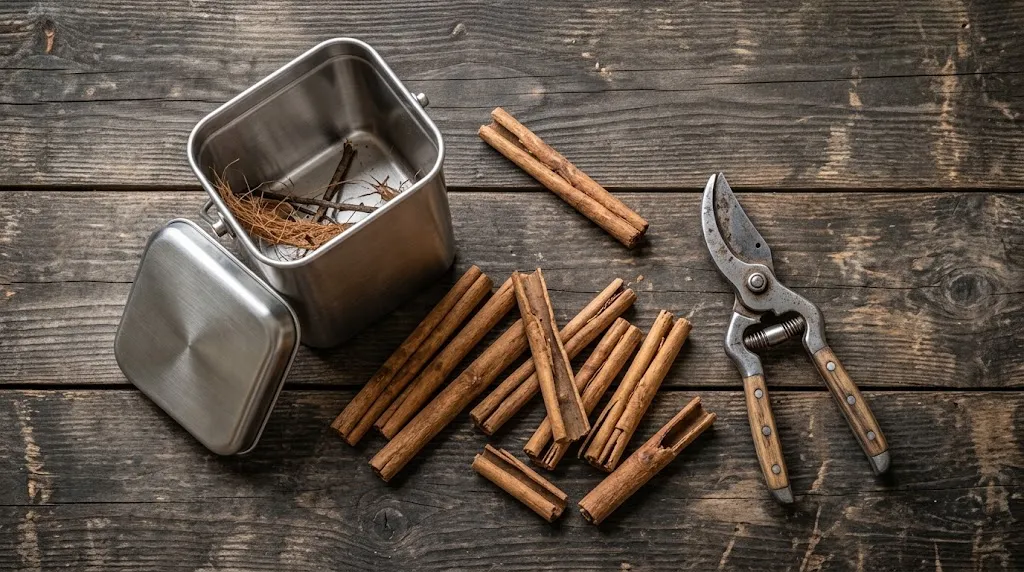
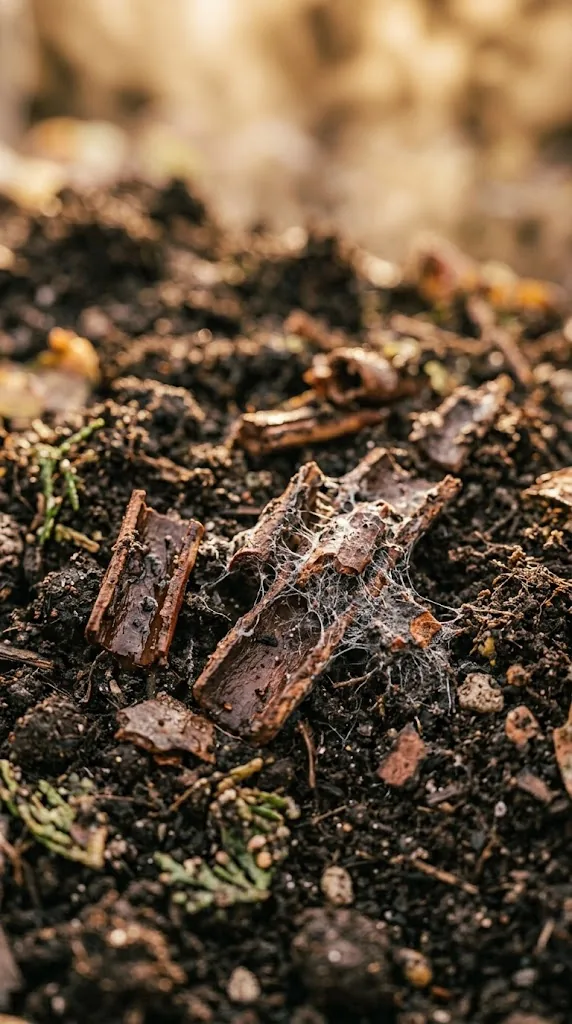
Cinnamon sticks are dense woody bark, which makes them high in carbon and structurally tough. While they are 100 percent natural and safe for your compost bin, they act like small twigs and can persist in a pile for years if left whole. If you run a hot compost pile or grind the sticks into a coarse powder before adding them, they will decompose much faster. Avoid adding too many at once, as large quantities of heavy spices can disrupt the balance of your bin and may repel beneficial composting insects.
Quick facts
| Carbon to nitrogen | About 200:1 |
|---|---|
| Hot pile | 3-6 months if crushed |
| Cold pile | 1-2 years if whole |
| Worm bin | Sometimes · Only in small amounts if finely crushed |
| Bokashi | Yes · Breaks down well during fermentation |
| City green bin | Usually accepted; check local rules |
| Prep | Crush or grind into small pieces |
| Mix with | Mix with high-nitrogen food scraps |
| Pest risk | Low · Strong aroma generally repels pests |
How to compost cinnamon sticks
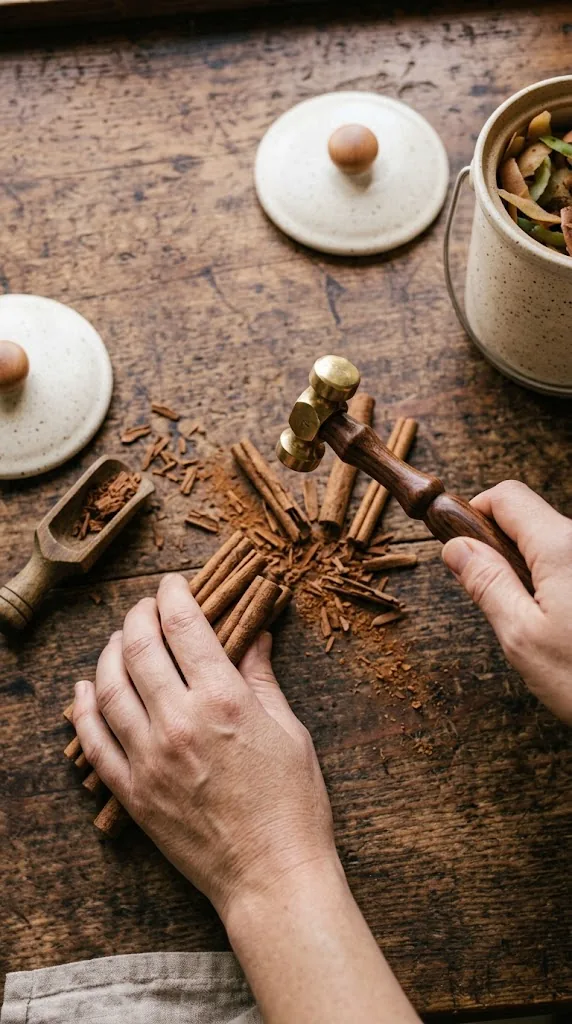
- Break or crush the cinnamon sticks into smaller pieces using a hammer or heavy tool.
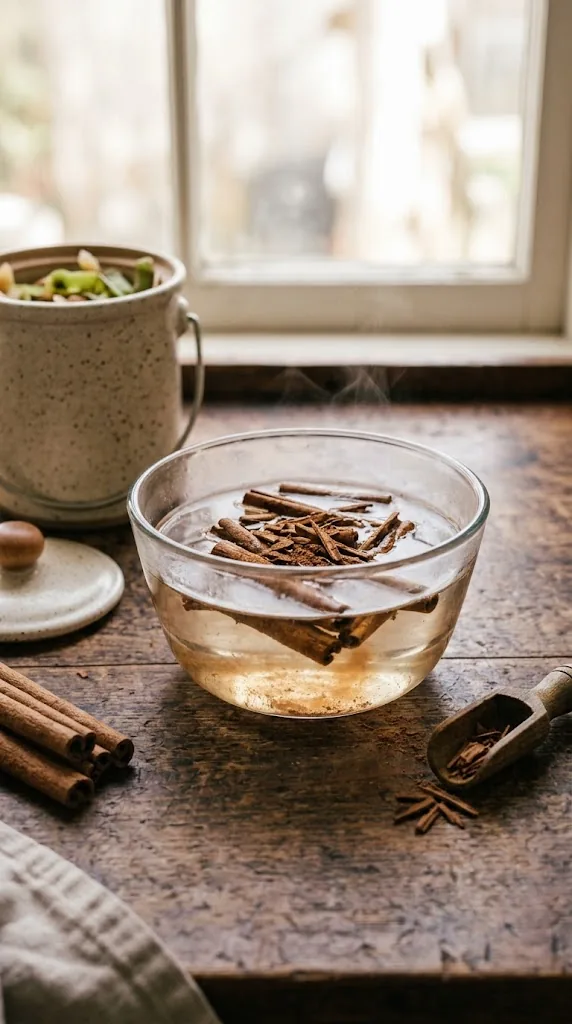
- Soak the pieces in warm water for a few hours to soften the tough bark fibers.
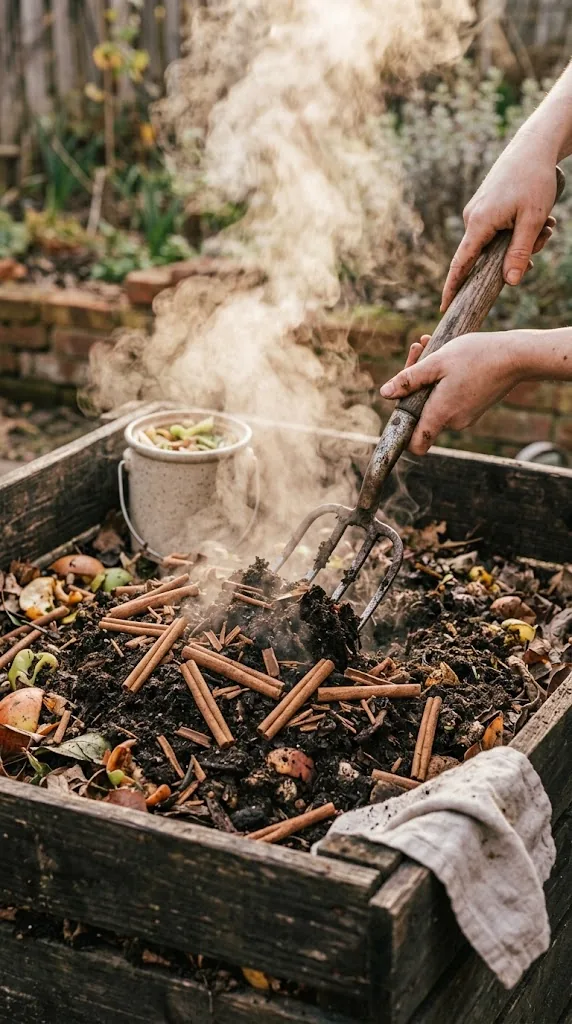
- Mix the pieces thoroughly into the center of a hot, active compost pile.
- Turn the pile regularly to aerate and speed up the natural decomposition process.
How much cinnamon sticks can you add to compost?
You should limit cinnamon sticks to no more than one or two broken sticks per standard backyard compost batch to prevent overwhelming your system. Because they function as a concentrated brown material rich in carbon, balance them with nitrogen-rich kitchen scraps like fresh vegetable peelings or coffee grounds. If you notice the woody pieces lingering unchanged for months without breaking down, or if the pile develops a strong, persistent spicy aroma that deters earthworms, you have added too much at once.
Which types of cinnamon sticks can you compost?
- Whole Ceylon cinnamon sticks: Sometimes. True Ceylon cinnamon is thinner and breaks down faster than cassia, but still requires crushing to compost efficiently.
- Whole Cassia cinnamon sticks: Sometimes. These standard thick, hard bark sticks are extremely dense and can take years to decompose if left whole.
- Pre-ground cinnamon powder: Sometimes. Powdered cinnamon can easily clump and mat together in the pile, so it must be thoroughly mixed with moist greens to avoid dry pockets.
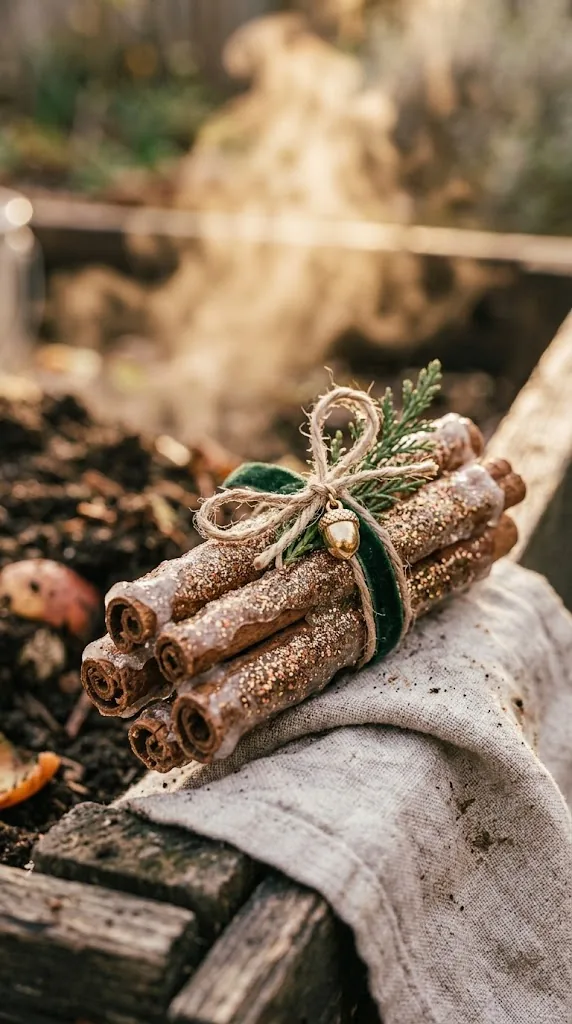
- Decorative scented cinnamon sticks: No. These are often treated with synthetic oils, artificial fragrances, glues, or glitter that can contaminate your compost and harm soil microbes.
Watch out for
- Whole sticks can take several years to break down completely in a standard cold pile.
- Strong aromatic oils in cinnamon can temporarily deter earthworms and helpful microbes.
- Ensure the sticks are not coated with any artificial waxes, varnishes, or artificial fragrances.
What to do instead
- Reuse them for holiday crafts, potpourri, or simmering on the stove for home fragrance.
- Grind them down to use as a natural anti-fungal powder for garden seedlings.
- Throw them in the regular household trash if they are heavily treated or old.
Troubleshooting cinnamon sticks in compost
- The cinnamon sticks remain completely intact after several months in the pile. Remove the pieces, break them apart with a hammer, soak them in water, and bury them deeper in the center of the pile.
- Ground cinnamon creates a dry, water-repellent mat on top of the compost. Break up the crust with a garden fork and thoroughly blend the powder with moist green materials.
- Earthworms are avoiding the section of the compost containing the cinnamon. Dilute the concentration of aromatic oils by spreading the pieces out and mixing them with a larger volume of general organic matter.
Myths about composting cinnamon sticks
- Myth: Cinnamon sticks will naturally repel all beneficial insects and worms from your entire compost bin. Truth: While strong aromatic oils can temporarily deter organisms in the immediate vicinity, the effect fades quickly as the bark begins to weather and microbial activity breaks down the oils.
- Myth: You can toss whole cinnamon sticks directly into a cold compost pile and expect them to vanish within a few weeks. Truth: Because they are hard, woody tree bark, whole sticks require a hot, active pile or significant mechanical crushing to decompose in a reasonable timeframe.
Can cinnamon sticks go in a green bin or recycling?
Municipal green bins and commercial food-waste collection programs usually accept natural cinnamon sticks, especially if they are broken into smaller pieces. However, facilities with high-speed industrial grinders process woody materials much more effectively than standard home piles. You must remove any strings, ribbons, plastic tags, or synthetic wax coatings before placing them in your curbside organic waste bin. Always check your local municipal guidelines to confirm whether heavy woody spices are permitted in your specific green waste stream.
Does composting cinnamon sticks attract pests?
Composting cinnamon sticks does not typically attract pests like rodents, flies, or raccoons. Because they are dense, woody bark with strong aromatic oils, they lack the high moisture and easy sugars that scavengers look for. In fact, adding crushed cinnamon sticks to your compost pile can help manage pests by creating a scented, dry cover layer over food scraps. This top layer helps mask food odors, making it harder for unwanted animals and insects to detect kitchen waste in your bin.
- Crush the sticks into smaller fragments before adding them to the pile.
- Spread the cinnamon pieces evenly across the surface to cover smelly food scraps.
- Mix the aromatic bits deep into the active compost to mask food odors.
- Ensure the decorative sticks are free of artificial scents or waxes.
Common questions
Will cinnamon sticks harm earthworms in my compost bin?
In large quantities, the strong antimicrobial properties and essential oils in cinnamon can deter earthworms and beneficial bacteria. However, adding them in small moderation or crushing them up will not harm a healthy bin population.
Can I grind old cinnamon sticks into my garden soil directly?
Yes, finely ground cinnamon can be mixed directly into soil. It acts as a natural deterrent against certain fungi and pests, though it should be used sparingly so it does not alter soil acidity too much.
Are store-bought culinary cinnamon sticks treated with chemicals?
Most culinary cinnamon sticks are simply dried bark and are completely safe for composting. If you are using decorative or scented holiday cinnamon sticks, check for artificial glues, glitter, or chemical fragrances before composting.
Are cinnamon sticks biodegradable?
Yes. Cinnamon sticks are tree bark and are fully biodegradable, but whole sticks can take 1-3 years. Crushed, they break down in 3-6 months.
Rules vary by town and by composting method. When in doubt, check with your local composting or waste program.