
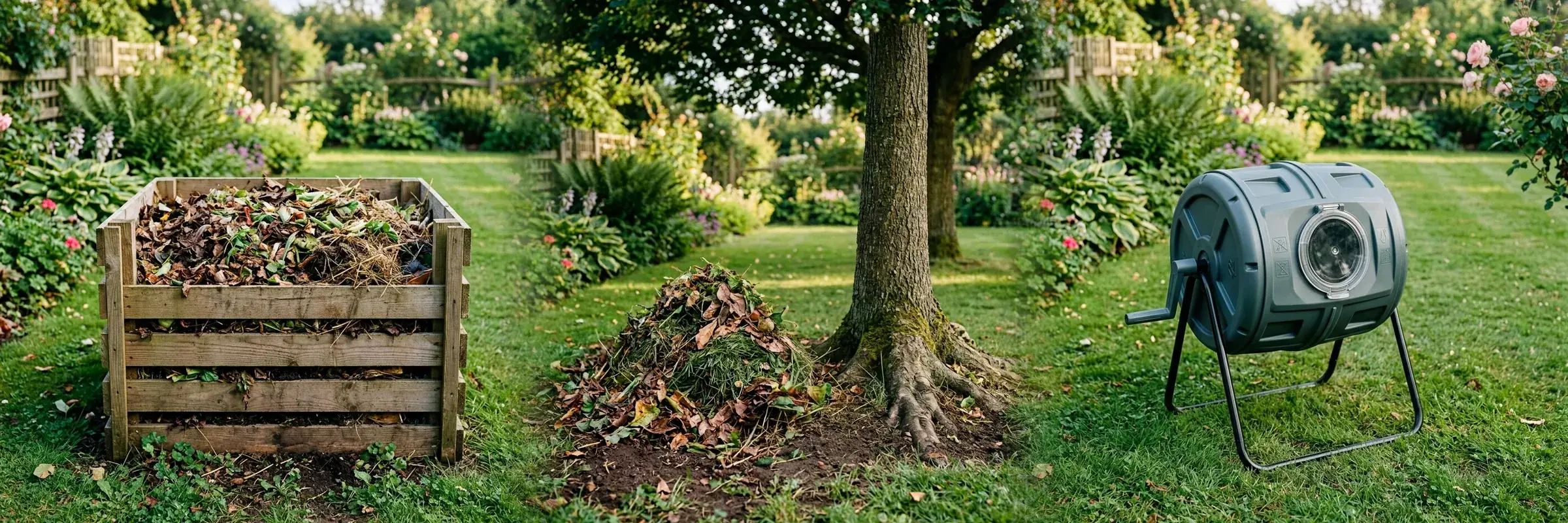
Yes, you can compost pine cones, but they are very tough and take a long time to break down unless they are properly prepped.
Why
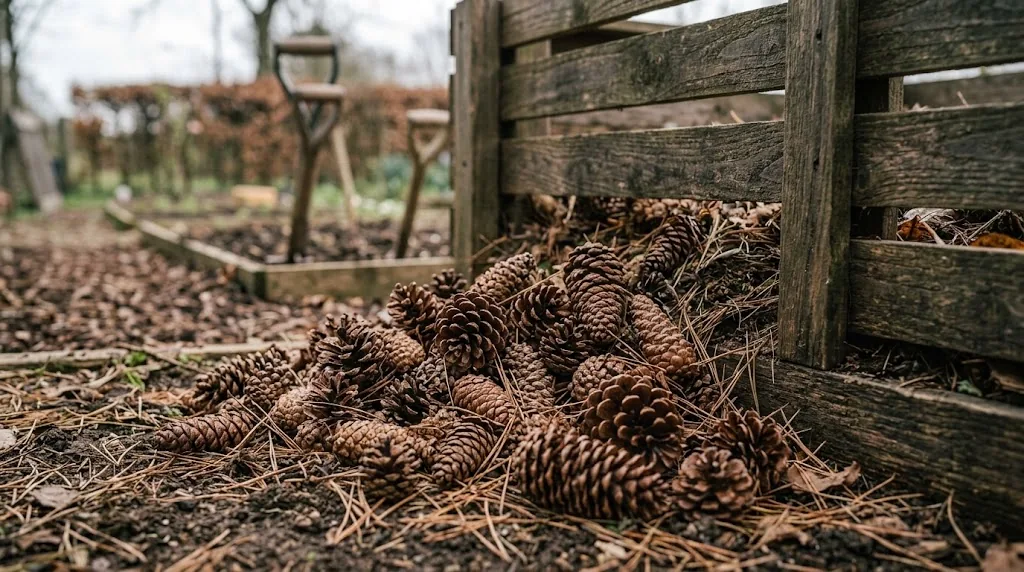
Pine cones are loaded with lignin, a tough structural polymer that makes them structurally rigid and very resistant to decay. In a standard cold compost pile, they can remain intact for years. However, if you chop them up, run them over with a lawnmower, or add them to a hot, active compost pile with plenty of nitrogen, they will break down much faster. They act as a carbon-rich brown material, helping to balance out wet nitrogen-rich food scraps, but their slow decomposition rate means patience or physical processing is required.
Quick facts
| Carbon to nitrogen | About 80:1 |
|---|---|
| Hot pile | 6-12 months |
| Cold pile | 1-3 years |
| Worm bin | Sometimes · Only small, finely crushed amounts. |
| Bokashi | No · Too woody and slow for fermentation. |
| City green bin | Usually accepted; check local rules |
| Prep | Crush or shred into smaller pieces. |
| Mix with | Mix with high-nitrogen green waste. |
| Pest risk | Low · Pests are rarely attracted to pine cones. |
How to compost pine cones
- Sort through your pine cones and remove any green or fresh ones if you want them to break down faster.
- Crush or chop the pine cones using a garden shredder, heavy shears, or by driving over them with a lawnmower.
- Mix the crushed pine cones thoroughly into your compost pile to ensure good contact with nitrogen-rich greens.
- Turn the pile regularly to keep oxygen flowing and accelerate the microbial breakdown process.
How much pine cones can you add to compost?
Pine cones should make up no more than five to ten percent of your total carbon browns due to their slow decomposition rate. Mix them into large batches of nitrogen-rich greens like grass clippings or food scraps to maintain proper balance. If you notice whole cones stubbornly persisting through multiple cycles or the pile becoming overly dry and bulky, you have added too many woody pieces at once.
Which types of pine cones can you compost?
- Green pine cones: No. Fresh green cones contain high moisture and resin content that resists decay and can harbor plant diseases.
- Crushed dry pine cones: Yes. Breaking them into smaller pieces vastly increases surface area and speeds up fungal breakdown.
- Painted or glittered cones: No. Decorative holiday cones contain synthetic chemicals, heavy metals, and plastics that contaminate compost.
Watch out for
- Do not add whole pine cones unless you are prepared to wait several years for them to decompose.
- Pine cones are acidic, so adding massive amounts at once can lower your compost pile pH slightly.
- Ensure they have not been treated with chemical pesticides, fire retardants, or artificial dyes.
What to do instead
- Use them as a weed-suppressing mulch around acid-loving plants like blueberries and azaleas.
- Put them in the bottom of large potted plants for lightweight drainage.
- Save them for holiday crafts, wreaths, or fire starters.
🎄 Holiday cleanup? See the full Christmas composting list: trees, wrapping paper, poinsettias and leftovers.
Troubleshooting pine cones in compost
- Pine cones refuse to break down and stay hard for years. Remove the whole cones, crush them thoroughly with a lawnmower, and return them to a hot pile.
- The compost pile becomes too acidic and slows down overall microbial activity. Balance the acidity by mixing in a handful of agricultural lime or wood ash.
- Piled cones create air pockets that dry out the surrounding compost. Chop the cones into smaller fragments and blend them thoroughly with moist green materials.
Myths about composting pine cones
- Myth: Pine cones will permanently ruin garden soil by making it too acidic for normal plants. Truth: While fresh cones are slightly acidic, the acid washes away quickly and breaks down during the composting process, having minimal long-term impact on overall soil pH.
- Myth: Leaving pine cones whole helps aerate the compost pile naturally. Truth: Whole cones create large, dry air pockets that actually disrupt moisture distribution and hinder microbial breakdown rather than helping aeration.
Can pine cones go in a green bin or recycling?
Most municipal green waste programs accept pine cones if they are mixed in with yard trimmings and branch debris. However, facilities that process material into fine finished compost may reject whole cones because they do not break down in commercial screening cycles. Always remove any wire, glitter, or artificial decorations before tossing them into curbside bins, and check your local municipal guidelines to confirm yard waste rules.
Does composting pine cones attract pests?
Composting pine cones does not attract pests. Because they are tough, woody brown materials composed mainly of lignin, they contain no food odors or sugars that typically draw rodents, insects, or other animals. Adding crushed pine cones to your compost pile helps by acting as a dry, bulky cover layer that traps smells, absorbs excess moisture from food scraps, and creates an unappealing environment for pests seeking easy meals.
- Use crushed pine cones as a top layer to completely cover exposed food scraps.
- Mix woody browns thoroughly to eliminate strong food odors in the pile.
- Maintain a proper balance of browns and greens to keep the pile well-aerated and odor-free.
Common questions
Are pine cones biodegradable?
Yes, pine cones are entirely natural and biodegradable. They will eventually decompose on the forest floor or in nature without leaving behind synthetic waste.
Will pine cones make my compost too acidic?
Pine cones are mildly acidic, but once they fully break down and the compost matures, the finished pH generally neutralizes. However, adding huge quantities to a small bin can temporarily lower the pH.
Should I remove the pine seeds before composting?
You do not need to remove the seeds. Composting generates enough biological activity and heat to render most seeds unviable, though a rogue pine tree sprout is occasionally possible.
Can I use green pine cones in my compost?
Green pine cones contain more moisture and some residual sap, but they still have very tough lignin walls. It is best to let them dry out or mix them sparingly into a large pile.
Rules vary by town and by composting method. When in doubt, check with your local composting or waste program.