
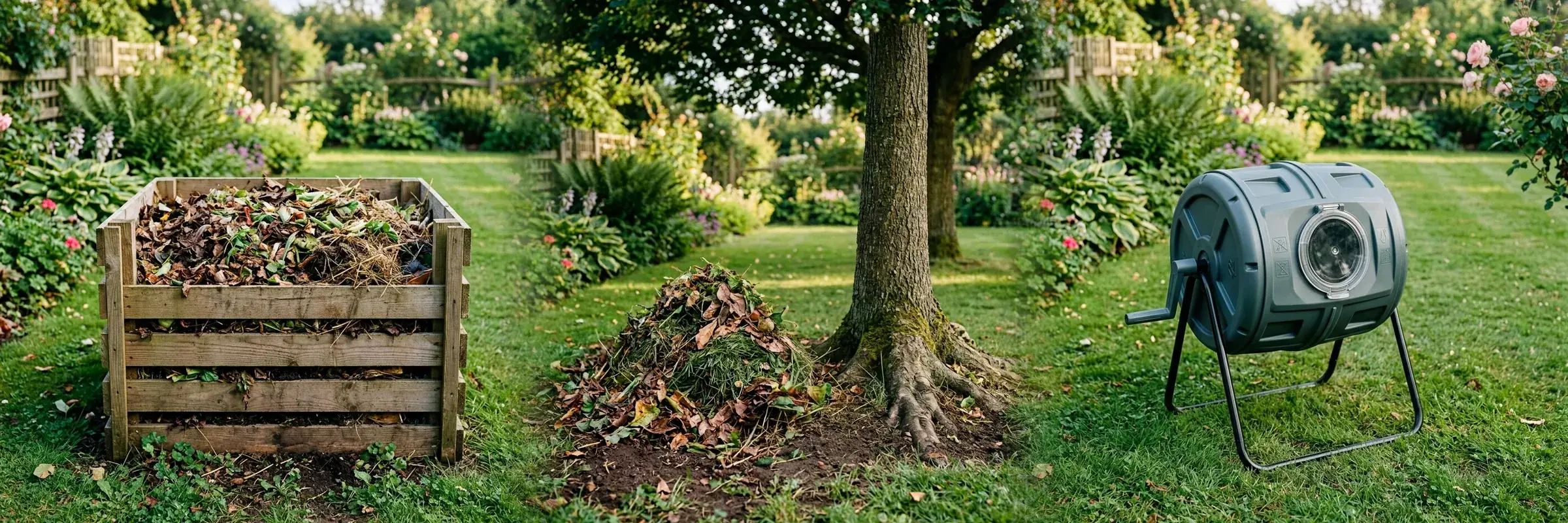
You can compost sawdust, but only if it comes from clean, untreated wood and is added in moderation.
Why
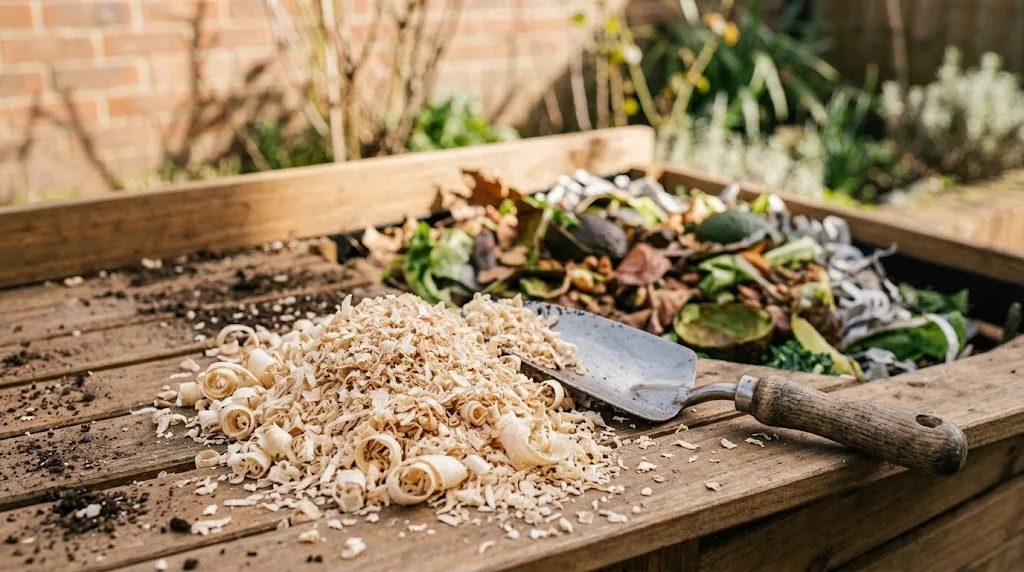
Sawdust is a high-carbon brown material that provides an excellent energy source for soil microorganisms. However, you must only use sawdust from untreated, natural lumber. Sawdust from pressure-treated wood, plywood, particleboard, or MDF contains toxic chemicals, glues, and resins that will poison your compost pile and harm your garden soil. Furthermore, because sawdust particles are so tiny, they easily pack down tightly and block airflow, creating anaerobic conditions if you do not mix them thoroughly with nitrogen-rich greens.
Quick facts
| Carbon to nitrogen | About 400:1 |
|---|---|
| Hot pile | 3-6 months |
| Cold pile | 6-12 months |
| Worm bin | Sometimes · Small quantities only; avoid aromatic woods. |
| Bokashi | Yes · Great for absorbing excess moisture in the bin. |
| City green bin | Usually accepted if untreated and clean. |
| Prep | Ensure wood is strictly untreated and chemical-free. |
| Mix with | Mix with high-nitrogen greens like grass clippings. |
| Pest risk | Low · Does not attract pests, but can mat down and block oxygen. |
How to compost sawdust
- Verify that the sawdust comes strictly from untreated and unpainted natural wood.
- Mix the sawdust thoroughly with high-nitrogen greens like grass clippings or food scraps to prevent clumping.
- Spread the sawdust in thin layers across the pile rather than dumping it all in one large clump.
- Turn the compost pile regularly to maintain proper aeration and speed up the breakdown process.
How much sawdust can you add to compost?
You can safely add sawdust in small amounts, making up no more than five percent of your total brown material in any single batch. Because tiny particles pack together densely, always mix one part sawdust with at least four parts high-nitrogen greens like fresh grass clippings. If you notice a damp, sulfurous odor or see the pile developing a dense, matted crust that resists water, you have added too much sawdust and need to turn the pile immediately.
Which types of sawdust can you compost?
- Untreated hardwood sawdust: Yes. Clean sawdust from native hardwoods like oak or maple breaks down relatively well when mixed properly.
- Pressure-treated lumber sawdust: No. This variety contains heavy metals and toxic preservatives that will poison your garden soil.
- Plywood and MDF dust: No. Engineered wood products contain synthetic glues, resins, and formaldehyde that do not belong in compost.
- Chainsaw oil-contaminated dust: Sometimes. Only use this if your saw runs on food-grade vegetable bar oil, avoiding petroleum-based lubricants.
Watch out for
- Never use sawdust from pressure-treated lumber, plywood, or engineered wood containing chemical resins.
- Avoid dumping thick layers of sawdust, as it will compact and choke out necessary oxygen.
- Keep quantities balanced, as an excess of sawdust will stall the composting process due to a high carbon-to-nitrogen ratio.
What to do instead
- Use it as a weed-suppressing mulch around established garden paths.
- Spread it in chicken coops or pet cages as absorbent bedding.
- Bag it up for regular municipal yard waste collection.
Troubleshooting sawdust in compost
- Sawdust packs down into a solid, impermeable mat that blocks all airflow. Break up the clumps with a garden fork and thoroughly blend the material with coarse browns like dry leaves.
- The compost pile completely stops heating up and decomposing after adding sawdust. The high carbon content has likely starved the microbes of nitrogen, so add fresh grass clippings or manure and water the pile.
- Water simply beads up and runs off the top surface of the sawdust layer. Pre-moistening the sawdust in a bucket before mixing it into the pile will prevent hydrophobic dry pockets.
Myths about composting sawdust
- Myth: All natural wood sawdust is completely safe to add to a vegetable garden compost pile. Truth: Certain natural woods like black walnut contain natural juglone toxins that can stunt the growth of many common garden vegetables.
- Myth: Fine sawdust breaks down faster than larger wood chips because the pieces are so small. Truth: While individual particles have a high surface area, fine sawdust actually decomposes slower overall because it packs tightly and starves itself of oxygen.
Can sawdust go in a green bin or recycling?
Many municipal green waste programs accept natural sawdust, but they usually require it to be bagged in paper yard waste bags or mixed heavily with leaves to prevent it from blowing away at the facility. Curbside programs almost universally reject sawdust originating from treated lumber, painted boards, or manufactured composite panels. Always check your local waste management guidelines before placing treated or contaminated wood byproduct into municipal green bins.
Does composting sawdust attract pests?
Composting sawdust does not attract pests. In fact, adding sawdust to your compost pile can actively help deter unwanted animals and insects. Because sawdust is a fine, dry brown material, it serves as an excellent cover layer to bury smelly kitchen scraps and food waste. By spreading a generous layer of sawdust over fresh greens, you mask enticing odors that typically draw flies, rodents, and other scavengers to an open bin, keeping your compost system discreet and pest-free.
- Spread a thick layer of sawdust directly over fresh food scraps to completely hide odors.
- Mix the sawdust thoroughly into the pile so it does not form a dense, dry surface layer.
- Keep your compost bin properly managed with a balanced ratio of greens and browns to discourage pests.
Common questions
Is sawdust biodegradable?
Yes, sawdust is entirely biodegradable because it consists of natural wood fibers that will eventually break down under microbial action. However, biodegradation in a landfill differs from composting, and treated sawdust will leach harmful chemicals as it degrades.
Can I use sawdust from pressure-treated wood?
No, you should never use sawdust from pressure-treated wood. It contains harsh chemical preservatives like copper, chromium, or arsenic that will contaminate your compost and damage plants.
Will sawdust make my compost too acidic?
Sawdust is generally slightly acidic, but the final finished compost usually neutralizes out. While it will not drastically ruin soil pH in moderate amounts, large quantities of conifer sawdust might temporarily raise acidity.
How do I prevent sawdust from turning into a muddy mat?
The best way to prevent matting is to scatter the sawdust thinly across the pile and mix it vigorously with coarse green materials like kitchen scraps or green garden waste.
Rules vary by town and by composting method. When in doubt, check with your local composting or waste program.