
Yes, you can compost cloves. They are organic plant matter and will break down naturally in your compost pile.
Why
Cloves are the dried flower buds of a tropical tree and are completely biodegradable. Because they are small and dry, they decompose relatively quickly in a healthy compost environment. While they are potent and aromatic, they do not pose any risk to the composting process. In fact, their strong scent may even help deter certain pests from your bin. As with any kitchen scrap, it is best to mix them in well with other materials to ensure they break down evenly alongside your greens and browns.
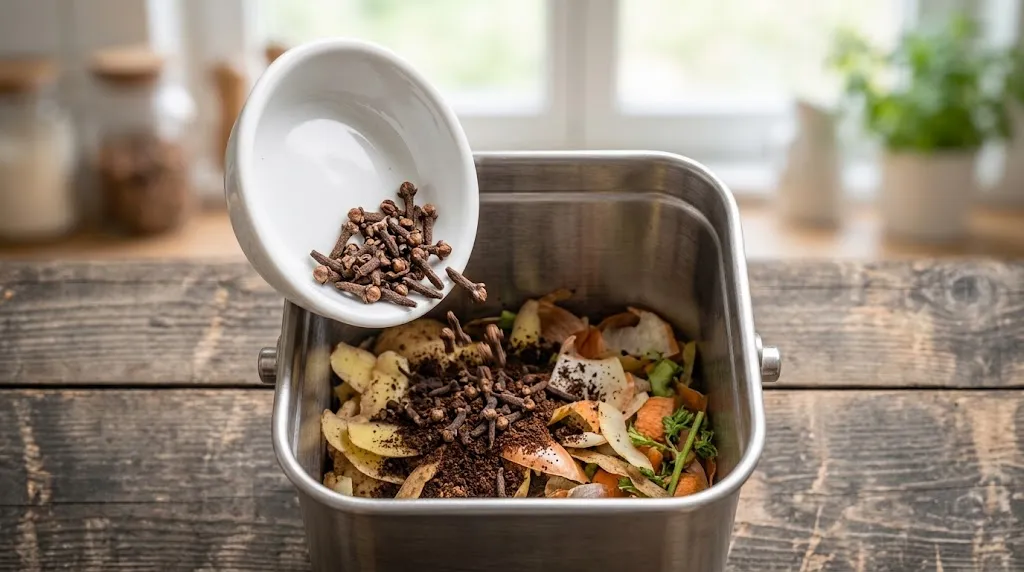
Quick facts
| Carbon to nitrogen | Varies |
|---|---|
| Hot pile | 1-3 months |
| Cold pile | 2-4 months |
| Worm bin | Sometimes · Add in small quantities to avoid overwhelming worms |
| Bokashi | Yes · Ferments well with all other food scraps |
| City green bin | Usually accepted; check local rules |
| Prep | No special preparation needed |
| Mix with | Mix well into the pile to distribute strong scent |
| Pest risk | Low · Strong natural scent tends to deter pests |
How to compost cloves
- Collect used or expired whole cloves from your pantry.
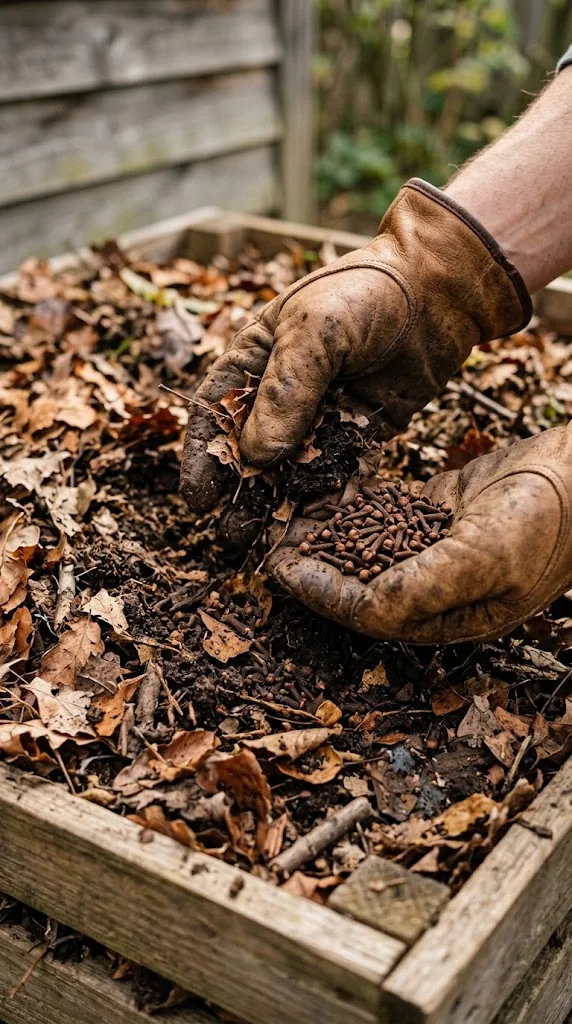
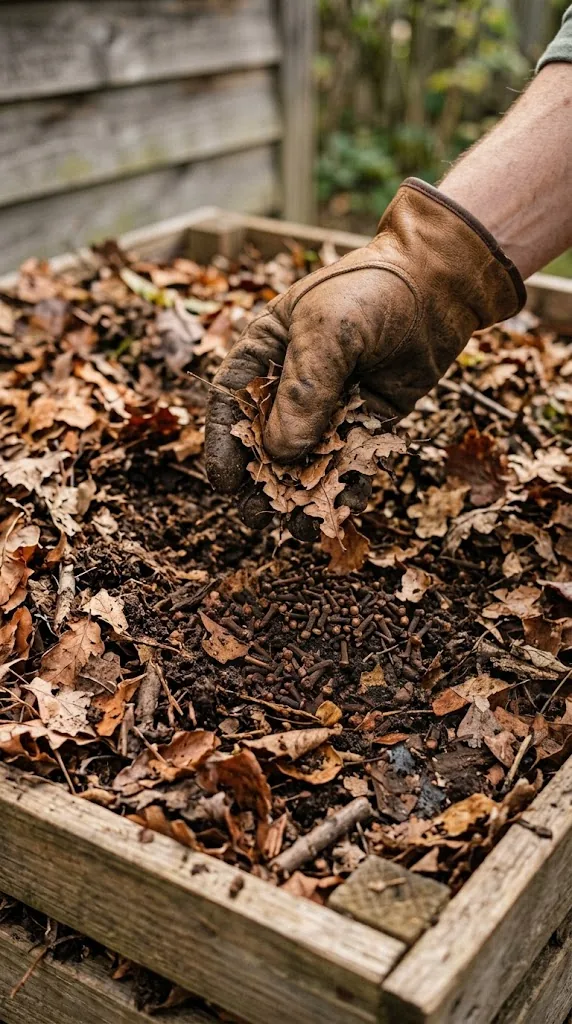
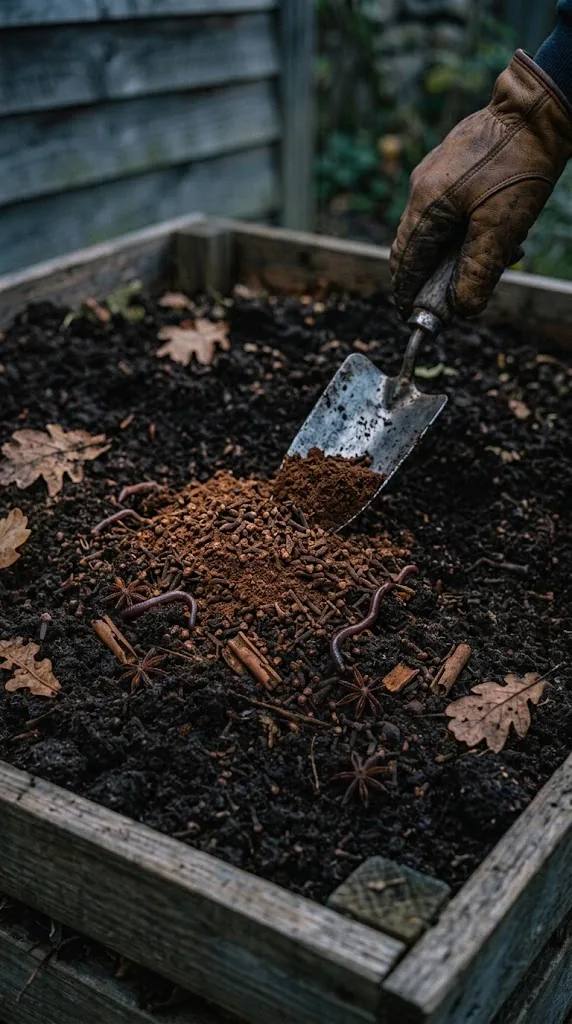
- Mix them into the center of your compost pile to ensure they stay moist.
- Bury them under a layer of carbon-rich materials like leaves or straw.
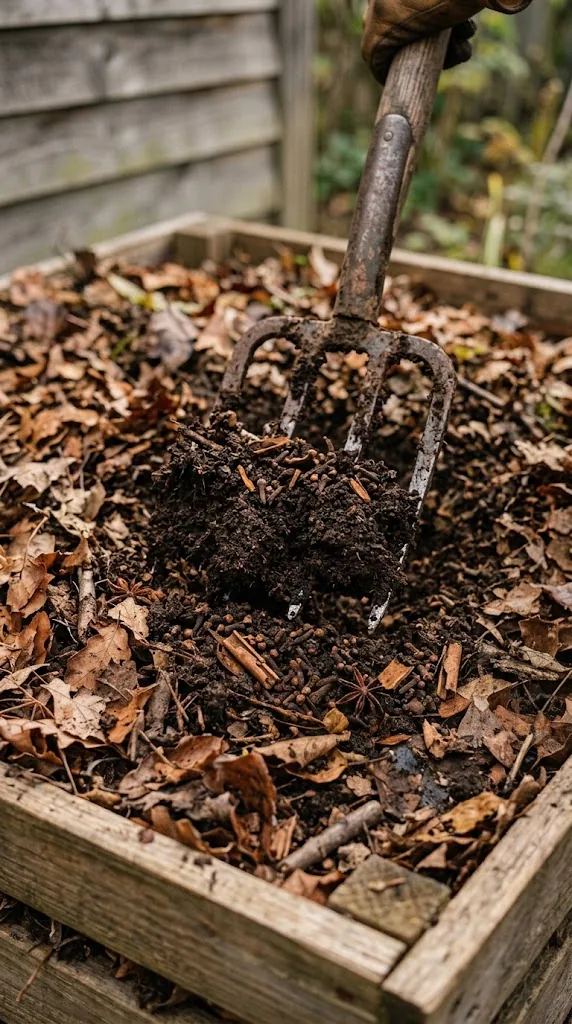
- Turn your pile regularly to aerate and speed up the decomposition process.
How much cloves can you add to compost?
You can add whole or ground cloves in small, moderate amounts to your home compost pile. Because they contain strong essential oils, limit additions to a tablespoon or two per batch so they do not overwhelm the microbial balance. Pair them with a generous handful of carbon-rich browns like dry leaves or shredded cardboard. If you notice your compost pile developing a sharp medicinal odor or slowing down its overall decomposition, you have likely added too many cloves at once.
Which types of cloves can you compost?
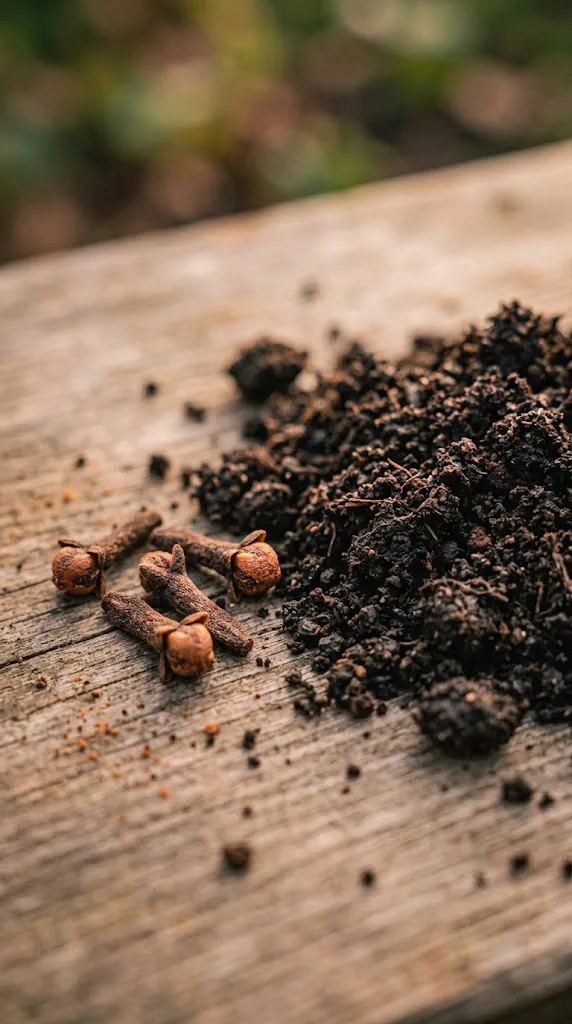
- Whole dried cloves: Yes. These decompose reliably as long as they are buried deep within the pile.
- Ground clove powder: Yes. Powdered cloves break down very quickly, but you must mix them thoroughly to prevent clumping.
- Old clove-studded oranges: Yes. Pommander fruits add citrus and spice to the bin, though you should slice them up first for faster rotting.
- Clove essential oil extract: No. Concentrated oils are too potent and can kill off the beneficial bacteria and worms in your compost.
Watch out for
- Do not add excessive amounts at once, as the oils can be quite strong.
- Ensure they are not mixed with non-compostable ingredients like synthetic flavorings.
- If you have a very small worm bin, use them sparingly to avoid upsetting the worms.
Other ways to use cloves
- Use them to make a natural potpourri or air freshener.
- Add them to a spice rub for cooking if they are still fresh.
- Place them in a small sachet to deter moths in your closet.
Troubleshooting cloves in compost
- Ground cloves clump together into dense, hydrophobic mats. Break up any clumps by hand and toss the powder with dry sawdust or brown leaves before adding it to the bin.
- The pile smells overwhelmingly medicinal near the clove addition. Mix the pocket of cloves thoroughly into a larger volume of active compost to dilute the aromatic oils.
- Decomposition stalls where large amounts of cloves were dumped. Turn the affected area and introduce fresh nitrogen-rich kitchen scraps and moisture to reactivate the microbes.
Myths about composting cloves
- Myth: The strong antimicrobial properties of cloves will sterilize your entire compost pile. Truth: While cloves have natural antimicrobial qualities, they quickly dilute in a large pile and only affect the immediate micro-environment.
- Myth: Cloves never decompose because they are hard and dry. Truth: Though tough, dried flower buds are entirely organic and soften up when exposed to moisture and soil bacteria.
Can cloves go in a green bin or recycling?
Most municipal green waste and curbside food scrap programs readily accept whole or ground cloves mixed in with your regular yard trimmings and food waste. Since they are completely natural and biodegradable, you do not need to remove anything from them before tossing them into your municipal bin. However, commercial industrial composting facilities process materials at different scales, so it is always wise to check your local municipal waste management guidelines to confirm what organic kitchen spices they prefer.
Does composting cloves attract pests?
Composting cloves does not attract pests. In fact, their strong and pungent aroma can actually help deter certain unwanted visitors from your compost bin. Because they are aromatic dried flower buds, they do not give off the typical decaying food odors that draw flies and rodents. By mixing them thoroughly into the center of your pile and covering them with carbon-rich materials, you help keep your compost smelling neutral and unappealing to pests.
- Mix cloves deeply into the center of the compost pile.
- Cover the area with a thick layer of carbon-rich materials like brown leaves or straw.
- Use their strong scent strategically near the surface to deter minor pests.
- Add them in moderate amounts so their potent oils do not overwhelm the bin.
Common questions
Will the strong smell of cloves attract pests?
Actually, the strong scent of cloves is often a natural deterrent for many common garden pests and flies.
Can I compost ground cloves?
Yes, ground cloves will break down even faster than whole cloves because of their increased surface area.
Do cloves change the pH of my compost?
In the small quantities typically used in a kitchen, cloves will not significantly alter the pH balance of your compost pile.
Are cloves biodegradable?
Yes. Cloves are dried flower buds and biodegrade within 1-3 months. Their strong oils mean a little goes a long way in worm bins.
Rules vary by town and by composting method. When in doubt, check with your local composting or waste program.