
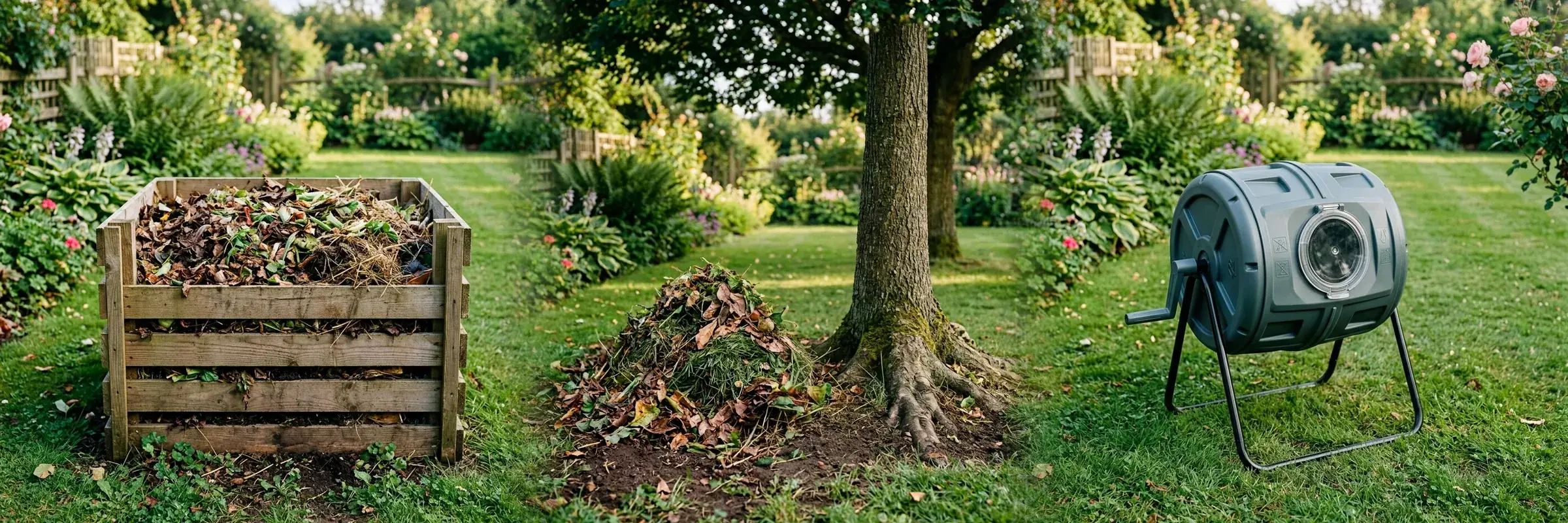
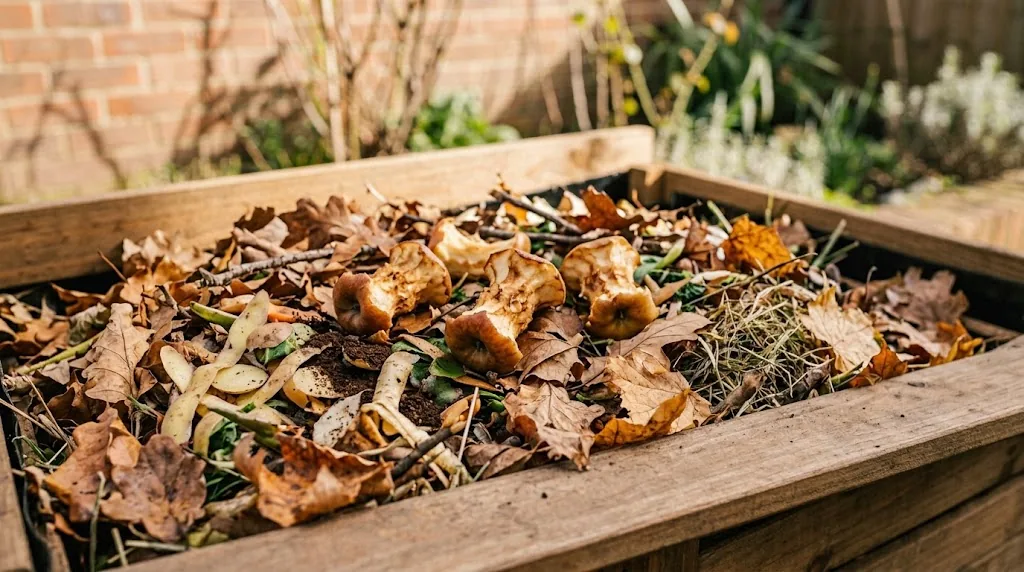
Yes, apple cores are excellent for composting. They break down quickly and add valuable nitrogen to your pile.
Why
Apple cores are considered a green, nitrogen-rich material that provides essential nutrients for the microorganisms in your compost pile. Because they are soft and contain high water content, they decompose relatively fast compared to woody yard waste. Whether you are using a backyard bin, a tumbler, or a worm bin, apple cores are a perfect addition. They help balance out carbon-heavy materials like dry leaves or cardboard, keeping your compost ecosystem healthy and active throughout the year.
Quick facts
| Carbon to nitrogen | About 40:1 |
|---|---|
| Hot pile | 2-4 weeks |
| Cold pile | 2-4 months |
| Worm bin | Yes · Chop into smaller pieces for faster consumption |
| Bokashi | Yes · Ferments very well with standard inoculation |
| City green bin | Usually accepted; check local rules |
| Prep | Chop or bury deep to speed breakdown |
| Mix with | Mix with dry carbon materials like leaves |
| Pest risk | Medium · Bury in the center to avoid fruit flies |
How to compost apple cores
- Chop the cores into smaller pieces to speed up the decomposition process.
- Bury the cores in the center of your compost pile to avoid attracting fruit flies.
- Mix them thoroughly with brown materials like shredded paper or straw.
- Ensure your pile has adequate aeration to prevent odors.
How much apple cores can you add to compost?
Apple cores should make up no more than ten to fifteen percent of your total active compost volume at any given time to maintain a healthy carbon-nitrogen balance. For a standard backyard bin, toss in a few handfuls per addition and always pair them with an equal or greater volume of dry browns like shredded cardboard or autumn leaves. If your pile starts smelling sour, becomes overly soggy, or develops a noticeable fruit fly swarm, you have added too much moisture and nitrogen.
Which types of apple cores can you compost?
- Fresh raw apple cores: Yes. These break down rapidly and provide great moisture and nitrogen for your active home compost pile.
- Cores with produce stickers attached: Sometimes. They are acceptable only if you completely peel off the plastic adhesive stickers first to avoid contaminating the soil.
- Cooked or spiced apple cores from pie filling: No. Added sugars, heavy syrups, and heavy spices can attract unwanted rodents and disrupt the microbial balance of a home bin.
- Moldy or rotting apple cores: Yes. Beneficial fungi will actually help break down already decaying matter faster, though you should bury them deeply.
Watch out for
- Avoid adding cores if you have a severe fruit fly problem in your bin.
- Peel off any plastic produce stickers before tossing cores in.
- Keep them away from the edges of the pile to deter local wildlife or rodents.
Other ways to use apple cores
- Add them to a worm bin.
- Use them to make homemade apple cider vinegar.
- Place them in a municipal green waste bin if available.
Troubleshooting apple cores in compost
- Fruit flies swarming around the top of the compost bin. Bury the apple cores at least ten inches deep in the center of the pile and cover them with a thick layer of carbon-rich browns.
- Apple seeds accidentally sprouting inside the compost bin. Turn your pile regularly to generate heat, which easily kills viable seeds, or chop the cores thoroughly before adding them.
- Cores remaining intact and taking too long to break down. Chop the cores into smaller pieces or blend them slightly before tossing them into the bin to accelerate microbial breakdown.
- Slime and foul odors developing in localized pockets. Mix the wet apple cores thoroughly with dry browns and turn the pile to restore proper oxygen flow and aeration.
Myths about composting apple cores
- Myth: Apple seeds contain dangerous levels of cyanide that will poison your entire garden. Truth: While apple seeds do contain compounds that release cyanide, the trace amounts found in a few kitchen cores are completely diluted by the compost and pose zero threat to plants or soil.
- Myth: Fruit waste is acidic enough to ruin the overall pH balance of your compost. Truth: Although fresh apples are mildly acidic, standard composting bacteria quickly neutralize the organic acids as decomposition progresses toward a neutral finished product.
- Myth: You can never add too much fruit waste to a healthy compost pile. Truth: Overloading a bin with high-moisture fruit creates a wet, anaerobic environment that stops decomposition and causes foul odors.
Can apple cores go in a green bin or recycling?
Most municipal green waste bins and curbside food scrap collection programs gladly accept apple cores along with other kitchen vegetable waste. Before tossing them into your municipal bin, make sure to remove any synthetic plastic produce labels or rubber bands. Because composting guidelines and accepted materials vary significantly by municipality and processing facility capabilities, it is always best to check your local waste management website for specific rules.
Does composting apple cores attract pests?
Apple cores can attract fruit flies and sometimes other small scavengers like ants or rodents if left exposed on the surface of your compost pile. Because apple cores are sweet, juicy, and decompose relatively quickly, they release appealing aromas that draw fruit flies looking for a place to feed and lay eggs. However, you can easily prevent these pests by burying the cores deep within the center of the pile and covering them thoroughly with brown materials.
- Chop the apple cores into smaller pieces to speed up decomposition.
- Bury the cores deep in the center of the compost pile.
- Cover the food scraps with a thick layer of carbon-rich browns like straw or shredded paper.
- Use a closed compost bin or tumbler with a secure lid to keep wildlife out.
Common questions
Are apple cores biodegradable?
Yes, apple cores are fully biodegradable and will break down naturally in the environment, though composting them in a bin is much faster.
Will apple cores attract pests to my compost?
They can attract fruit flies or rodents if left on the surface, so always bury them deep within the center of your compost pile.
Can I put apple stickers in the compost?
No, most fruit stickers are made of plastic and should be removed before tossing the core into your bin.
Do apple seeds sprout in compost?
Sometimes, but if your compost pile gets hot enough, it will kill the seeds and prevent them from germinating.
Rules vary by town and by composting method. When in doubt, check with your local composting or waste program.