
You can compost natural, plant-based soaps in small quantities, but synthetic detergents and antibacterial soaps should never be added to your bin.
Why
Whether soap is compostable depends entirely on its ingredients. Pure, plant-based soaps made from oils and fats break down relatively easily and can be safely added to a compost pile in small, shredded amounts. However, most commercial soaps contain synthetic fragrances, dyes, preservatives, and antibacterial agents like triclosan that can disrupt the microbial balance of your compost or introduce harmful chemicals into your soil. If your soap is not clearly labeled as natural or biodegradable, it is safer to keep it out of your backyard bin to avoid contaminating your finished compost.
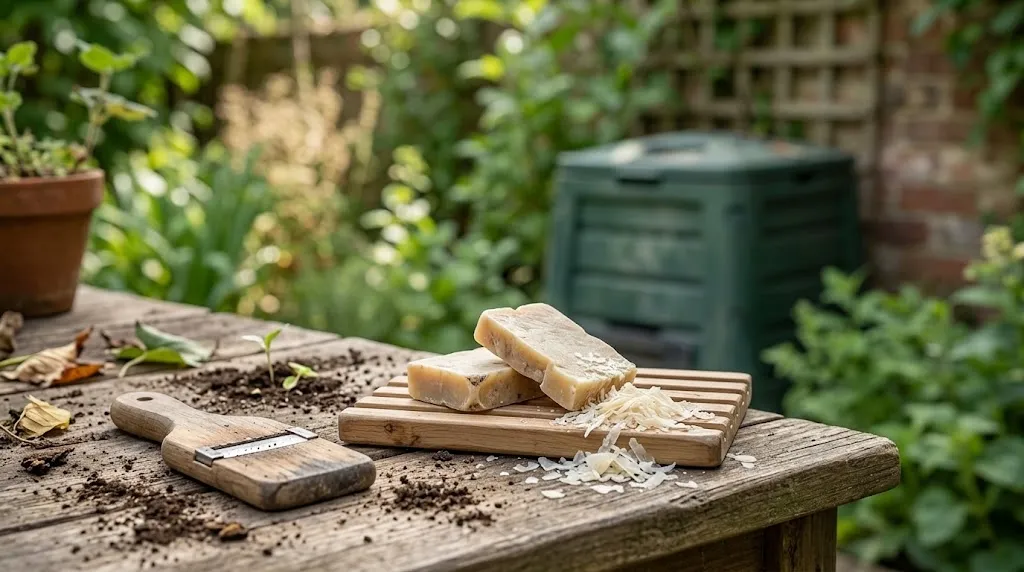
Quick facts
| Carbon to nitrogen | Varies |
|---|---|
| Hot pile | 2-4 months |
| Cold pile | 4-8 months |
| Worm bin | Sometimes · Only plain plant-based soap in very small amounts. |
| Bokashi | Sometimes · Small scraps of plain soap can be fermented safely. |
| City green bin | Check local rules; usually accepted in small quantities. |
| Prep | Shave or chop into tiny pieces and use sparingly. |
| Mix with | Mix well with carbon-rich materials like dry leaves. |
| Pest risk | Low · Soap does not attract pests, but avoid heavily scented varieties. |
How to compost soap
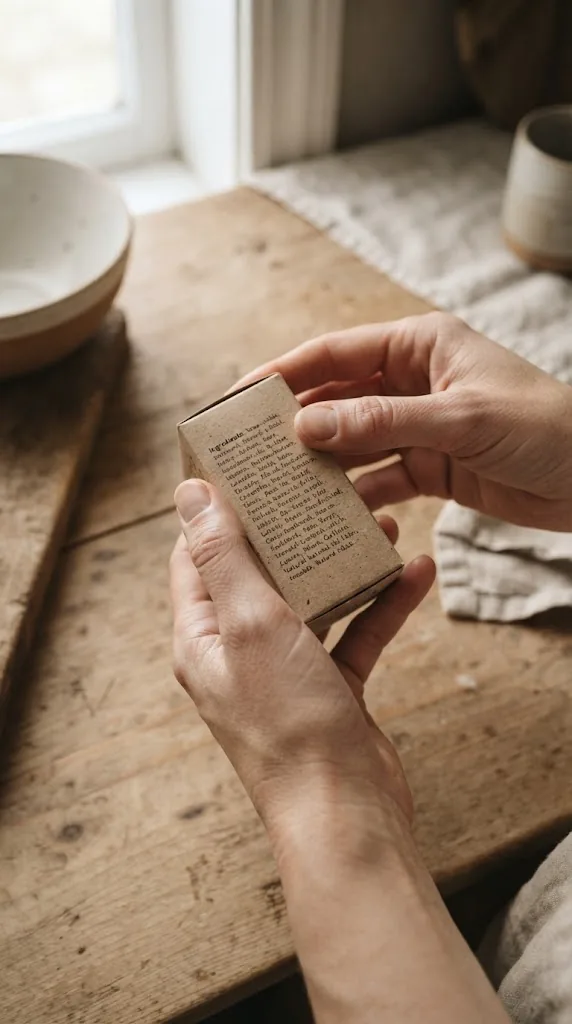
- Check the ingredient list for synthetic chemicals or antibacterial agents.
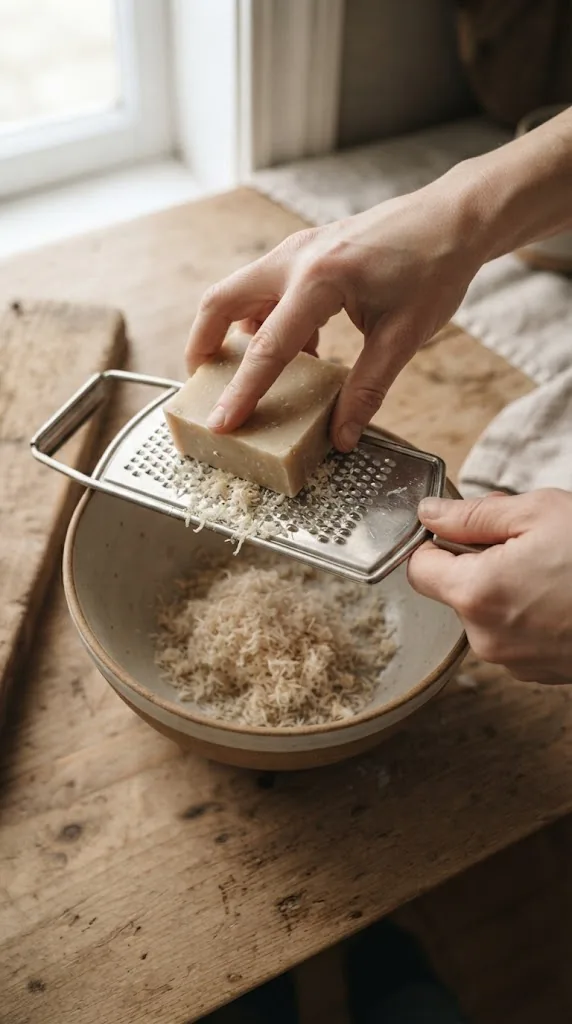
- Shred or grate the soap into small pieces to speed up decomposition.
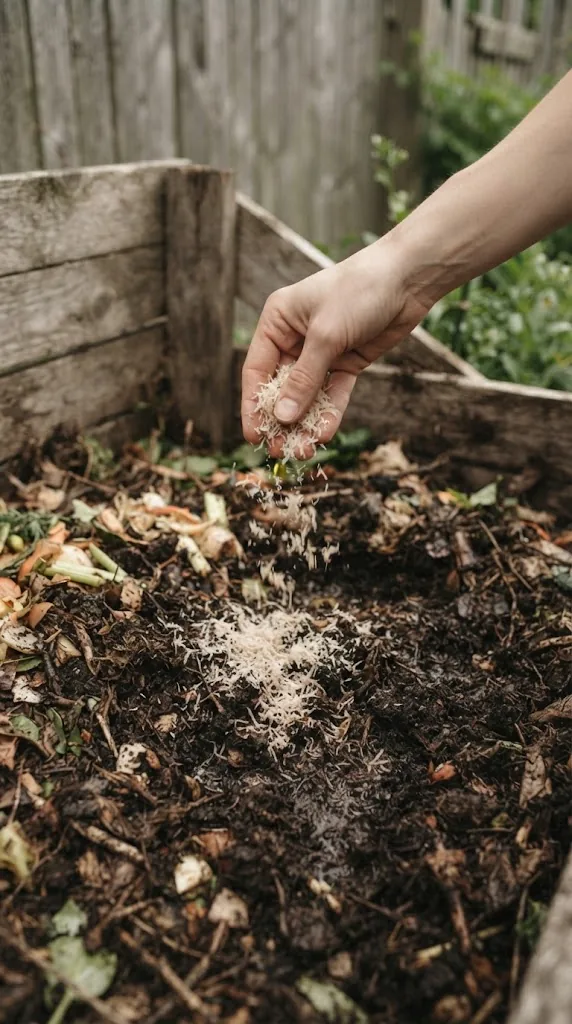
- Mix the soap shavings thoroughly into the center of your compost pile.
- Limit additions to small amounts to avoid overwhelming the pile with fats.
How much soap can you add to compost?
You should limit soap additions to no more than one or two tablespoons of fine shavings per week in an active backyard compost pile. Pair these additions with plenty of carbon-rich brown materials like dry leaves or shredded cardboard to balance the fats and oils. If you notice a strange, soapy film coating your pile or a sudden slowdown in microbial breakdown, you have likely added too much soap and should pause adding it immediately.
Which types of soap can you compost?
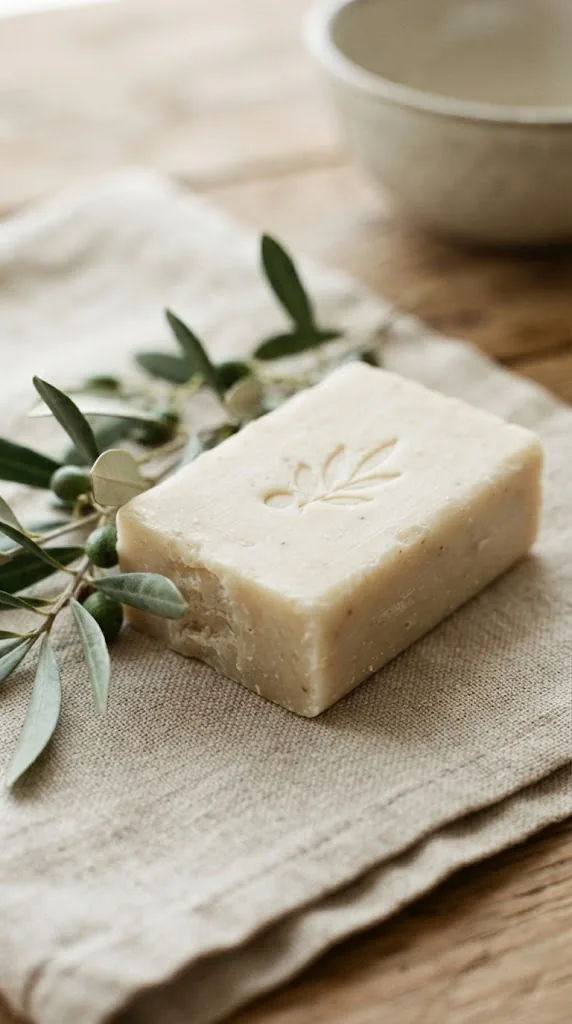
- Pure Castile Soap: Yes. Made entirely from vegetable oils without synthetic additives, making it safe and easy for microbes to break down.
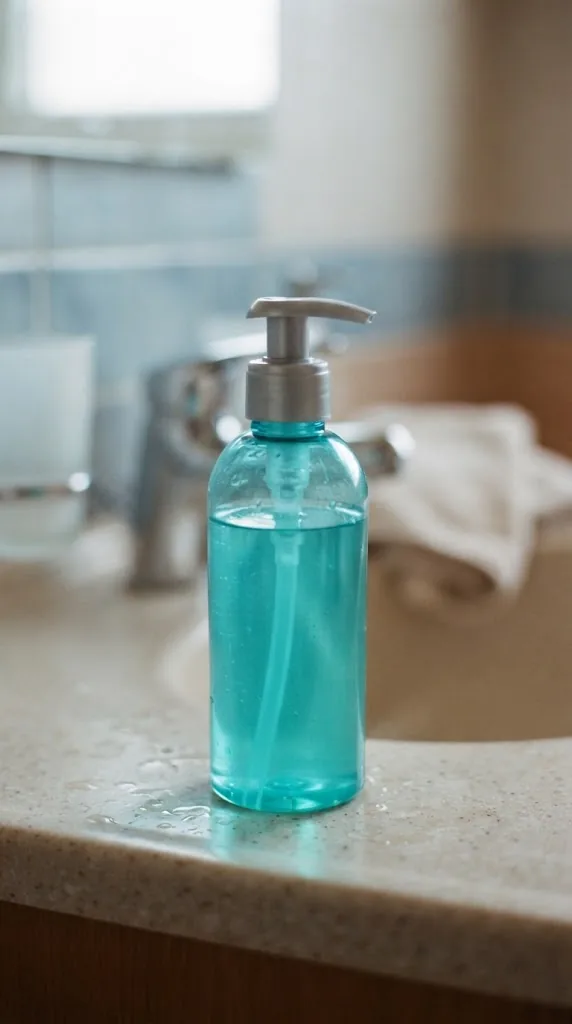
- Antibacterial Liquid Soap: No. Contains chemical agents specifically designed to kill bacteria, which will destroy the beneficial microbes in your compost.
- Commercial Bar Soap: Sometimes. Only acceptable if it is completely free from synthetic fragrances, artificial colors, and harsh chemical preservatives.
- Synthetic Detergent Bars: No. Composed of petroleum-based surfactants and chemical additives that do not degrade naturally in a standard garden compost system.
Watch out for
- Avoid soaps containing synthetic fragrances or artificial dyes.
- Never add antibacterial soaps as they can kill beneficial composting bacteria.
- Do not add large chunks, as they may take a long time to break down.
- Be cautious of soaps with high salt content, which can harm soil health.
What to do instead
- Use as a household cleaner for surfaces.
- Place in a small mesh bag to use as a drawer freshener.
- Dispose of in the trash if it contains synthetic chemicals.
Troubleshooting soap in compost
- Soap shavings clump together and refuse to break down in the pile. Grind the soap into a finer powder and mix it thoroughly with dry carbon materials before adding it.
- The compost develops an unusual, soapy chemical odor. Turn the pile immediately to increase aeration and add a generous layer of dry brown leaves to absorb the excess.
- A slimy residue forms on the surface of the compost. Stop adding soap entirely and incorporate more dry, coarse materials like wood chips to improve drainage and airflow.
Myths about composting soap
- Myth: All soap is naturally biodegradable since it washes down the drain. Truth: Many commercial soaps contain synthetic detergents and preservatives that persist in the environment and harm soil biology.
- Myth: Composting soap will create a lot of suds and bubbles inside the pile. Truth: Soap only produces suds when agitated with water and air, so properly buried shavings will not create bubbles in your compost.
Can soap go in a green bin or recycling?
Municipal green bins and commercial food-waste collection programs generally do not accept leftover soap or synthetic cleaning products, as these items can contaminate industrial compost streams and disrupt processing equipment. If your soap contains synthetic chemicals, artificial fragrances, or antibacterial agents, it should be placed in your household trash rather than the green bin. Always check with your specific local waste management authority to confirm their accepted items before tossing any hygiene products into municipal organic waste collection.
Does composting soap attract pests?
Composting small amounts of natural soap does not attract pests. Because pure plant-based soaps lack traditional food odors and contain fats and oils in very limited quantities, scavenging animals like rodents, raccoons, and insects find them unappealing. Furthermore, thoroughly mixing soap shavings into the center of your active compost pile and covering them properly helps conceal any lingering scents while maintaining a balanced environment that naturally discourages unwanted critters.
- Shred or grate the soap finely to ensure it blends seamlessly into the pile.
- Bury the soap shavings deep within the center of the compost rather than leaving them on the surface.
- Cover the area with a thick layer of carbon-rich brown materials to lock in freshness.
- Avoid adding large chunks or heavily scented soaps that might draw curiosity from animals.
Common questions
Can I compost liquid soap?
It is generally not recommended to add liquid soap to a compost pile because the high water content and specific surfactants can create a slimy mess or disrupt the pile's moisture balance.
Will soap kill my compost worms?
Yes, certain chemicals and high concentrations of soap can be toxic to worms and other beneficial organisms in your bin, so use caution and keep quantities very low.
Is Castile soap safe for compost?
Yes, pure Castile soap made from vegetable oils is generally safe for composting because it is biodegradable and free from harsh synthetic additives.
Is soap biodegradable?
Plain soaps made from plant oils are biodegradable. Many bars and liquids also contain synthetic detergents, fragrances or antibacterial agents that break down poorly or harm microbes.
Rules vary by town and by composting method. When in doubt, check with your local composting or waste program.