
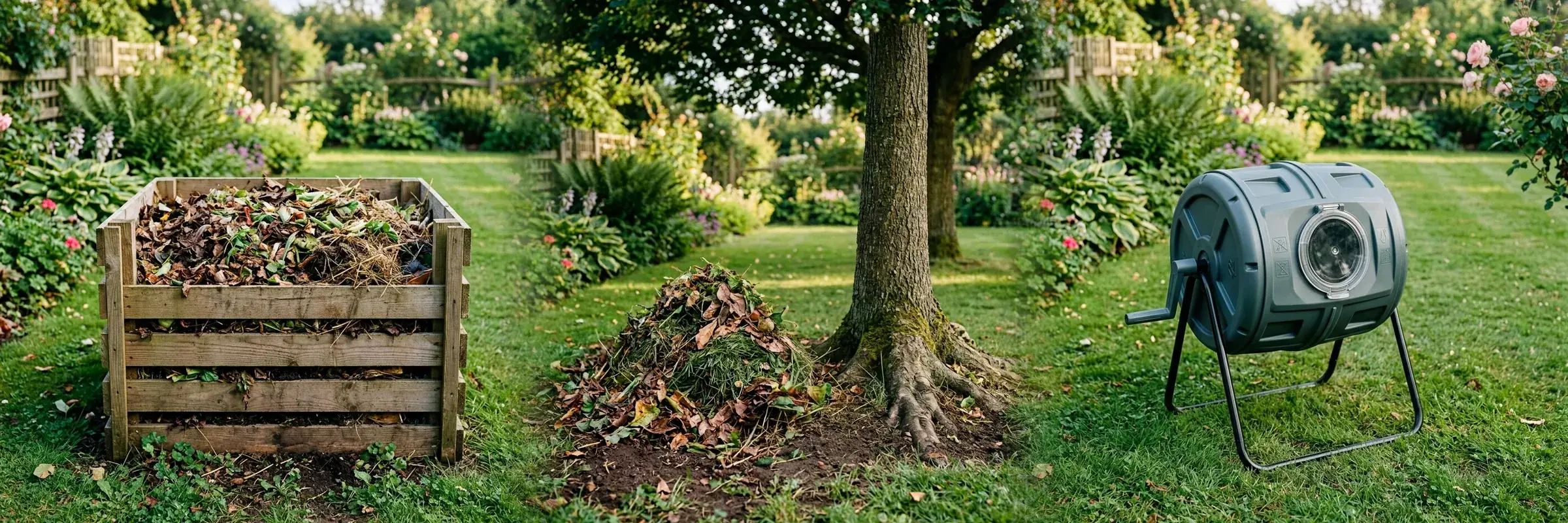
You can compost bread in a hot backyard compost bin or industrial facility, but plain backyard piles can attract pests.
Why
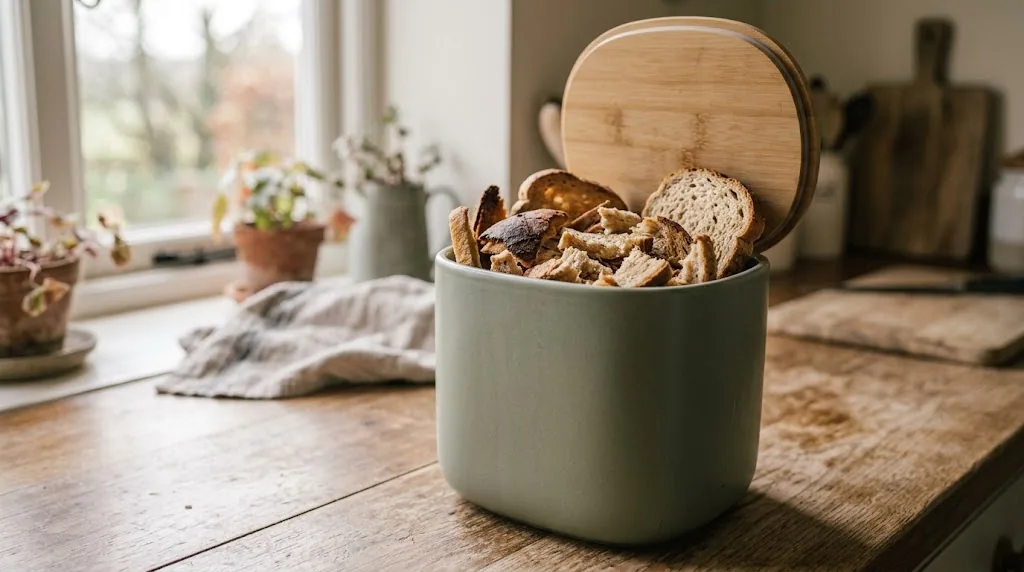
Bread is an organic food scrap rich in carbohydrates, making it a valuable nitrogen source for a compost pile. However, adding bread to an ordinary, cold backyard bin comes with significant risks. The soft texture and rich aroma of bread are a major draw for rats, mice, raccoons, and other household pests. Furthermore, if the bread contains oils, dairy, or meats, it can create foul odors and encourage anaerobic conditions. To compost bread successfully at home, you need a properly managed hot compost pile that breaks it down quickly and discourages scavenging animals.
Quick facts
| Carbon to nitrogen | About 35:1 |
|---|---|
| Hot pile | 2-4 weeks |
| Cold pile | 3-6 months |
| Worm bin | Sometimes · Small amounts only; avoid moldy bread. |
| Bokashi | Yes · Excellent choice for bokashi fermentation. |
| City green bin | Usually accepted; check local rules. |
| Prep | Break into small pieces and moisten. |
| Mix with | Bury deep in the pile and cover with browns. |
| Pest risk | High · High risk of attracting rodents; bury deep or avoid cold piles. |
How to compost bread
- Break or tear the bread into smaller pieces to speed up the breakdown process.
- Bury the bread deep in the center of an active, hot compost pile rather than leaving it on top.
- Cover the bread immediately with a layer of carbon-rich brown materials like dry leaves or wood chips.
- Turn the compost regularly to maintain proper aeration and discourage pests from nesting.
How much bread can you add to compost?
Limit bread additions to no more than five percent of your total pile volume at any one time. Because bread is a dense nitrogen-rich green, you must balance every cup of bread with at least three cups of carbon-rich brown materials like shredded cardboard or dry straw. If you notice a sour smell, visible slime, or an increase in fruit flies, you have added too much; stop adding bread immediately and turn the pile to increase aeration.
Which types of bread can you compost?
- Plain white or wheat bread: Sometimes. These simple starches break down quickly but remain highly attractive to local rodents.
- Bread with seeds and grains: Sometimes. These may sprout in your compost pile if the internal temperature does not reach high enough levels to kill the seeds.
- Bread with butter or oil: No. Added fats and oils can turn rancid and create foul odors while attracting larger scavengers like raccoons.
- Sourdough bread: Sometimes. The acidity of sourdough can slightly alter the pH of your pile, so add it in small, well-distributed quantities.
Watch out for
- Pest attraction is the number one issue when adding bread or baked goods to backyard bins.
- Avoid adding bread containing high amounts of artificial preservatives, as they can slow down decomposition.
- Do not add moldy bread if you are sensitive to airborne fungal spores during pile turning.
What to do instead
- Feed stale bread to backyard chickens or local birds in moderation.
- Freeze leftover bread to use later for croutons, breadcrumbs, or stuffing.
- Place in a municipal green bin or food waste collection program if available.
🦃 Cleaning up after Thanksgiving? See the full Thanksgiving leftovers composting list: what goes in, what needs a hot pile, and what to keep out.
Troubleshooting bread in compost
- Pest activity around the bin Stop adding bread immediately and secure your bin with hardware cloth or a heavy lid to block access.
- Matting and clumping Tear bread into small pieces and mix it thoroughly with dry carbon materials to prevent it from forming a dense, slimy layer.
- Foul, yeasty odors This indicates anaerobic conditions; turn the pile to introduce oxygen and add more dry browns to absorb excess moisture.
Myths about composting bread
- Myth: Bread is a good way to jumpstart a compost pile. Truth: While bread is nitrogen-rich, it is too prone to pest issues to be a recommended activator compared to grass clippings or manure.
- Myth: All bread is safe for backyard composting. Truth: Bread containing dairy, meat, or high fat content is generally unsuitable for home piles as it attracts pests and creates odors.
Can bread go in a green bin or recycling?
Most municipal green bin or food waste collection programs accept bread and baked goods without issue. Before placing it in your curbside bin, remove any plastic bags, twist ties, or non-compostable packaging. While most facilities handle these items well, always check your local municipal website for specific rules, as some regions restrict processed food waste to prevent contamination or pest issues at their industrial composting sites.
Does composting bread attract pests?
Adding bread to an ordinary backyard compost pile can indeed attract pests due to its soft texture, rich aroma, and high carbohydrate content. Specifically, you should look out for household scavengers such as rats, mice, and raccoons that are easily drawn to the scent of baked goods. These animals can disrupt your compost and become a nuisance near your home, making careful management essential.
- Break or tear the bread into smaller pieces to speed up the breakdown process.
- Bury the bread deep in the center of an active, hot compost pile rather than leaving it on top.
- Cover the bread immediately with a thick layer of carbon-rich brown materials like dry leaves or wood chips.
- Use a secure, closed compost bin to physically block scavenging animals from accessing the food.
Common questions
Is bread biodegradable?
Yes, bread is completely biodegradable and will naturally break down over time in the environment. However, biodegradable does not mean it is suitable for every type of backyard composting system without proper management.
Can I compost moldy bread?
Yes, moldy bread can be composted. The mold is simply part of the natural fungal decomposition process, though you should bury it deeply to avoid attracting pests and airborne spores.
Will bread attract rats to my compost bin?
Bread can attract rats and other rodents, especially if it is left sitting on top of the pile. Burying the bread deep inside an active pile and covering it with browns helps prevent this issue.
Can I compost sourdough or specialty bread?
Yes, all types of bread can be composted, including sourdough, whole wheat, and gluten-free varieties. Denser breads may take slightly longer to break down than soft white bread.
Rules vary by town and by composting method. When in doubt, check with your local composting or waste program.