
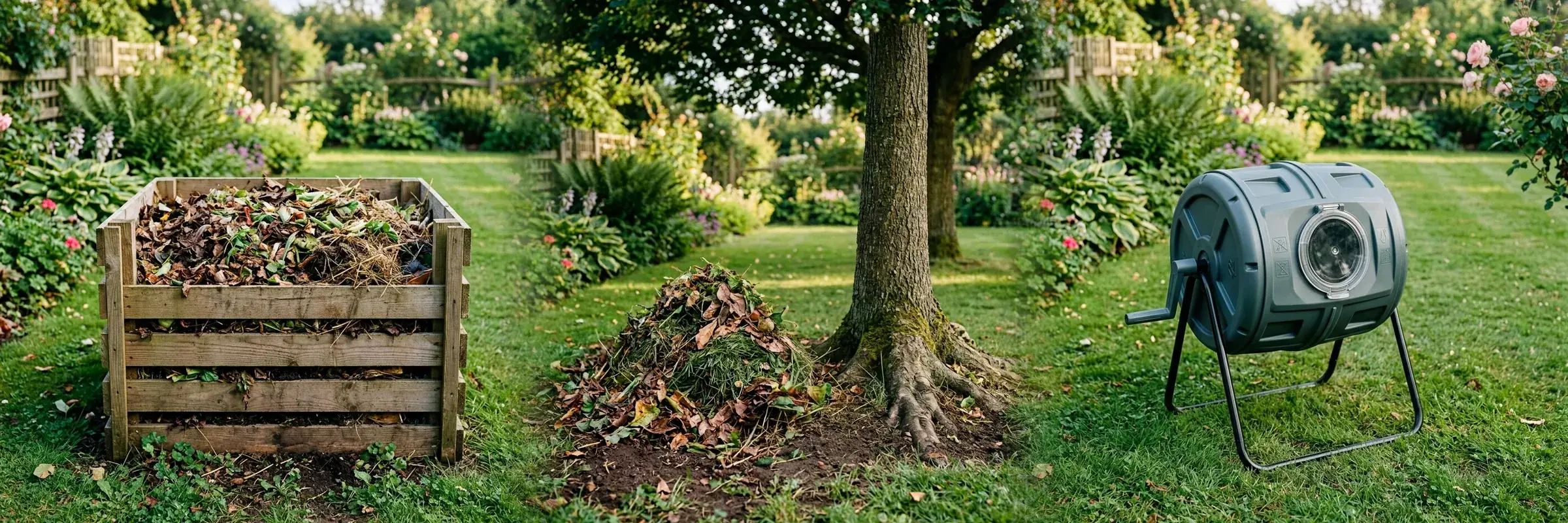
Yes, you can compost cranberries, but their high acidity means you should add them in moderation so they do not lower your compost pile's overall pH.
Why
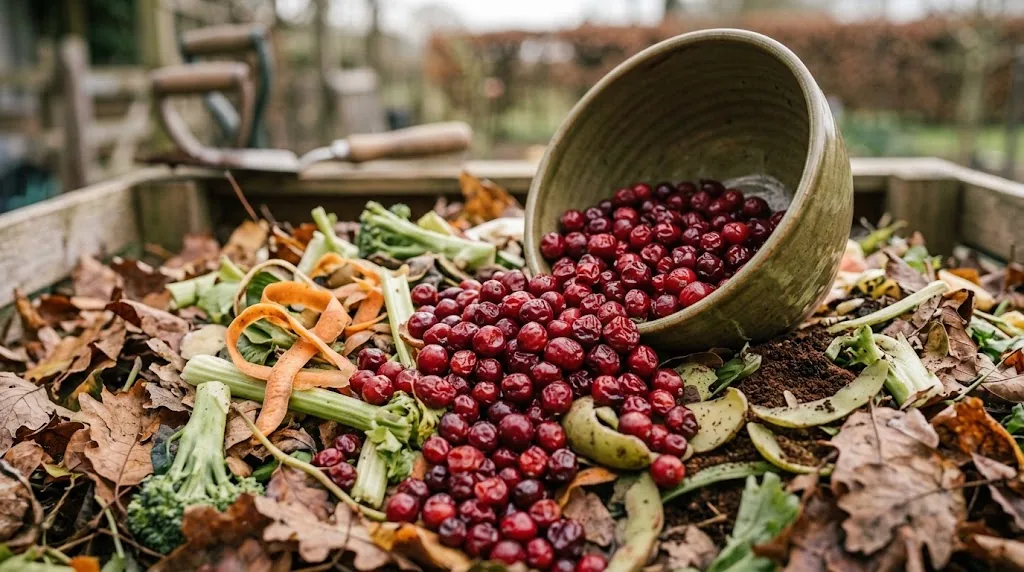
Cranberries are rich in moisture and nutrients, making them a great green nitrogen-rich addition to your compost bin. However, they contain natural organic acids like benzoic acid that make them quite tart and acidic. If you dump a large quantity of fresh or dried cranberries into a small home compost bin, the sudden spike in acidity can slow down the activity of essential microbes and earthworms. To compost them successfully, chop them up slightly to speed up decomposition, mix them thoroughly with dry carbon materials like brown leaves or shredded paper, and avoid adding massive batches all at once.
Quick facts
| Carbon to nitrogen | About 35:1 |
|---|---|
| Hot pile | 2-4 weeks |
| Cold pile | 2-4 months |
| Worm bin | Sometimes · Only small amounts because they are acidic. |
| Bokashi | Yes · Great for bokashi fermentation. |
| City green bin | Accepted in municipal green bins. |
| Prep | Chop or mash, avoid adding excess sugary sauce. |
| Mix with | Balance with carbon-rich materials like dry leaves. |
| Pest risk | Low · Bury in the pile to deter fruit flies. |
How to compost cranberries
- Rinse off any excess sugar if the cranberries were candied or processed.
- Chop or crush whole cranberries to help them break down faster.
- Mix the cranberries thoroughly into the center of your compost pile.
- Balance the high moisture and acidity with plenty of brown carbon materials.
How much cranberries can you add to compost?
For a standard home compost bin, limit fresh cranberries to about one to two cups per week. Because they are moisture-dense greens, always balance each cup of berries with at least three cups of dry brown materials like straw or cardboard. If you notice a sour, vinegary smell or see a sudden increase in fruit fly activity, you have likely added too much. In these cases, stop adding berries immediately and turn in more dry carbon to restore balance.
Which types of cranberries can you compost?
- Fresh whole cranberries: Yes. These are the best option for composting as they contain no added sugars or preservatives.
- Dried cranberries with added sugar: Sometimes. The high sugar content attracts pests, so rinse them thoroughly or avoid them if your bin is prone to rodents.
- Cranberry sauce with dairy: No. Dairy products can turn rancid and attract significant pest populations, making them unsuitable for home piles.
- Frozen cranberries: Yes. Thawing them before adding helps them break down faster, though they can be added frozen if buried deep.
Watch out for
- Do not add sugary dried cranberries coated in heavy sweeteners, as they attract pests.
- Avoid adding massive quantities at once to prevent lowering the pile's pH.
- Keep sweetened cranberry sauces with added dairy or oils out of the backyard bin.
What to do instead
- Feed fresh cranberries to backyard chickens or pet birds in small amounts.
- Dehydrate or freeze excess fresh berries for future baking and cooking.
- Discard spoiled or moldy cranberries in your municipal organic waste bin.
🦃 Cleaning up after Thanksgiving? See the full Thanksgiving leftovers composting list: what goes in, what needs a hot pile, and what to keep out.
Troubleshooting cranberries in compost
- Strong acidic or vinegary odor This indicates the pile is becoming too acidic; add a generous layer of wood ash or garden lime to neutralize the pH.
- Fruit fly infestation Ensure all berries are buried at least six inches deep and cover the surface with a thick layer of dry leaves or straw.
- Slow decomposition Cranberry skins are tough, so crush or chop the berries before adding them to expose the inner flesh to microbial activity.
Myths about composting cranberries
- Myth: Cranberries are too acidic to ever be composted. Truth: While they are acidic, they are perfectly safe in moderation when balanced with enough carbon-rich materials.
- Myth: All fruit scraps are equally beneficial for compost. Truth: Different fruits have varying sugar and acid levels, meaning high-sugar items like sweetened cranberries require more management than simple vegetable scraps.
Can cranberries go in a green bin or recycling?
Most municipal green waste or curbside food-scrap programs accept fresh and cooked cranberries without issue. However, you should always check your local municipality's specific guidelines, as some facilities exclude processed foods containing oils or dairy. Before placing them in your bin, remove any non-compostable packaging, plastic ties, or rubber bands. If your local program does not accept food waste, consider freezing the berries until you can find a community drop-off site that handles organic materials.
Does composting cranberries attract pests?
Adding certain types of cranberries to your compost can indeed attract pests. Specifically, sugary dried cranberries coated in heavy sweeteners or sweetened cranberry sauces with added dairy and oils will draw fruit flies, ants, rodents like mice and rats, and raccoons. These pests are drawn directly to the high sugar content and rich aromatic smells of processed cranberry products, which is why proper management and avoiding sweetened varieties in an open backyard bin are crucial.
- Avoid adding sugary dried cranberries or sweetened cranberry sauces to your compost.
- Rinse off excess sugar from any processed cranberry products before composting them.
- Bury the cranberries deep within the center of the compost pile rather than leaving them on top.
- Cover the cranberries thoroughly with plenty of dry brown carbon materials to mask odors.
Common questions
Are cranberries biodegradable?
Yes, cranberries are fully biodegradable because they are natural organic fruit that will eventually decompose completely through natural biological processes, even if they are not composted in a backyard bin.
Can I compost dried cranberries?
You can compost dried cranberries, but you should check the ingredients first. Many commercial dried cranberries contain added sugars and oils that can attract rodents and ants to your compost pile.
Will cranberries make my compost too acidic?
Fresh cranberries are naturally acidic, but adding them in moderate amounts mixed with balanced carbon materials will not significantly alter the overall pH of a healthy, active compost pile.
Can I compost cooked cranberry sauce?
Plain cooked cranberry sauce can be composted in small amounts, but sauces containing large amounts of sugar, butter, or artificial preservatives should be kept out to prevent pest infestations and odors.
Rules vary by town and by composting method. When in doubt, check with your local composting or waste program.