
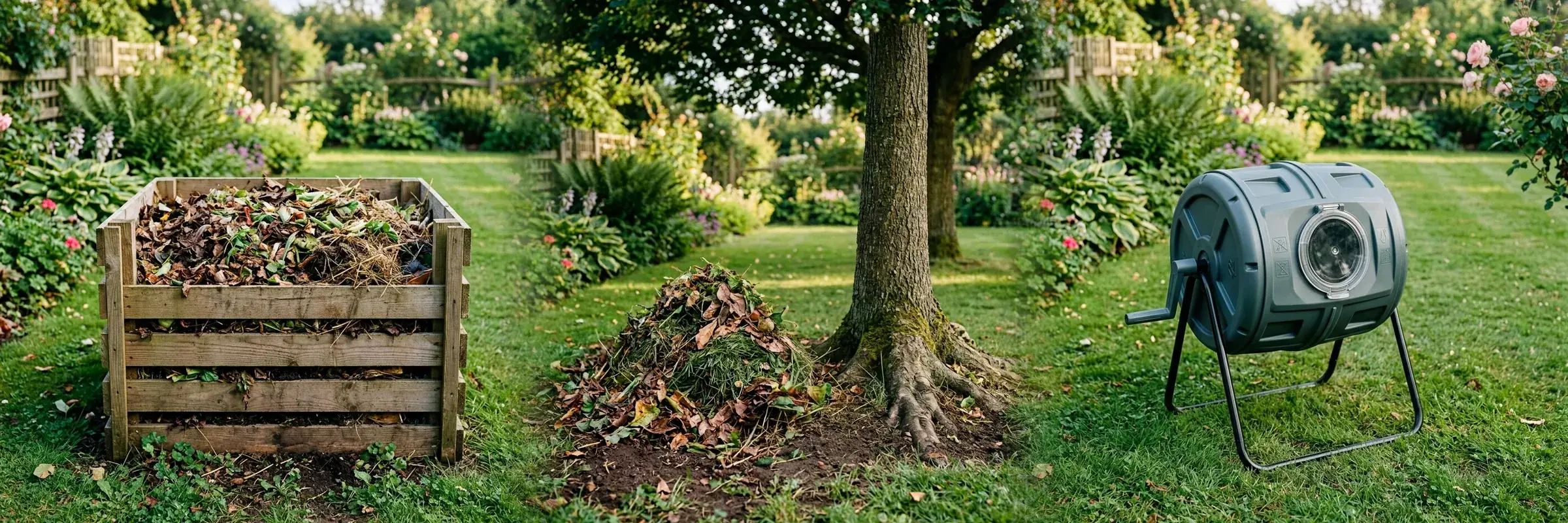
Yes, you can compost pine needles, but they are acidic and break down very slowly due to their waxy coating.
Why
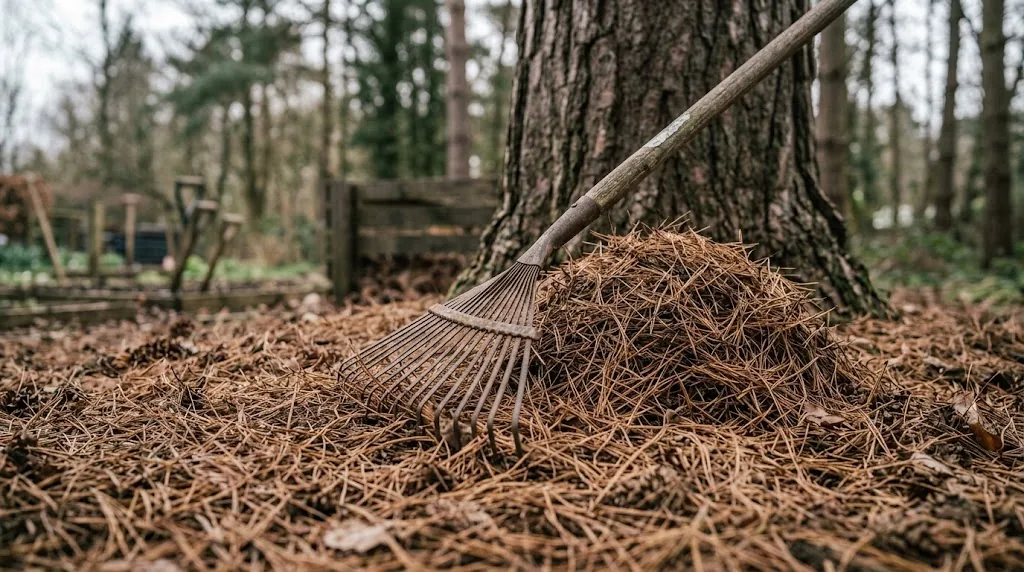
Pine needles are technically a carbon-rich brown material, but they are acidic and have a tough, waxy outer layer that resists quick decomposition. While they will not ruin your compost pile, adding too many of them at once can lower the overall pH and slow down the breakdown process. In a hot, active compost pile with balanced nitrogen materials and good aeration, they break down much faster. They are especially popular for acid-loving plants when used as mulch.
Quick facts
| Carbon to nitrogen | About 60:1 to 100:1 |
|---|---|
| Hot pile | 3-6 months |
| Cold pile | 6-12 months |
| Worm bin | Sometimes · Only small amounts of aged, shredded needles. |
| Bokashi | No · Waxy needles do not ferment effectively in bokashi bins. |
| City green bin | Usually accepted; check local rules |
| Prep | Chop or shred to speed up breakdown |
| Mix with | Mix with green waste or manure to balance acidity |
| Pest risk | Low · Pests are rarely attracted to pine needles. |
How to compost pine needles
- Chop or shred pine needles with a lawnmower before adding them to speed up breakdown.
- Mix them thoroughly with nitrogen-rich greens like grass clippings or food scraps.
- Keep the pile moist and turn it regularly to maintain proper aeration.
- Limit pine needles to no more than ten percent of your total compost volume.
How much pine needles can you add to compost?
Pine needles should make up no more than ten percent of your total compost volume to prevent the pile from becoming overly acidic or slow to decompose. Balance every small bucket of needles with generous amounts of nitrogen-rich greens like fresh grass clippings, coffee grounds, or vegetable scraps. If you notice the decomposition rate grinding to a complete halt or if the lower layers of the pile feel dense and sour, you have likely added too many needles at once.
Which types of pine needles can you compost?
- White pine needles: Sometimes. These longer, softer needles break down faster than other varieties because they have a slightly thinner waxy coating.
- Ponderosa pine needles: Sometimes. Ponderosa needles are longer and thicker, requiring you to chop them up or mix them thoroughly to prevent matting.
- Dried brown needles: Sometimes. These act as a standard carbon-rich brown material, though their slow decomposition still requires patience.
- Fresh green needles: Sometimes. Fresh needles contain more natural acids and resins, so they must be used sparingly to avoid lowering the pile pH too much.
Watch out for
- Do not add massive amounts of pine needles at once, or your pile's pH may drop significantly.
- Avoid using needles treated with chemical pesticides or herbicides.
- Be prepared for a lengthy breakdown time if you use a cold, passive composting method.
What to do instead
- Use them directly as an acid-loving mulch around blueberries, azaleas, or evergreens.
- Add them to garden pathways to suppress weed growth.
- Put them in your municipal yard waste collection bin.
🎄 Holiday cleanup? See the full Christmas composting list: trees, wrapping paper, poinsettias and leftovers.
Troubleshooting pine needles in compost
- Pine needles mat together into a dense, waterproof mat that blocks oxygen flow. Chop the needles with a lawnmower before adding them and mix the material thoroughly with coarse browns and greens.
- The compost pile becomes too acidic and microbial activity slows down. Reduce the volume of pine needles and add a handful of agricultural lime or wood ash to help neutralize the pH balance.
- The needles take an excessively long time to show any signs of decay. Ensure the pile stays moist, turn it more frequently to introduce oxygen, and incorporate high-nitrogen materials to heat it up.
Myths about composting pine needles
- Myth: Pine needles permanently ruin your garden soil by making it too acidic for normal plants. Truth: While fresh needles are acidic, the finished compost naturally neutralizes as microorganisms fully break down the organic matter.
- Myth: You can use pine needles to suppress weed growth directly inside an active compost pile. Truth: Pine needles make a great weed-suppressing mulch on pathways, but inside a compost bin they need to be blended in to break down properly.
Can pine needles go in a green bin or recycling?
Most municipal yard waste collection programs gladly accept pine needles alongside leaves, branches, and grass clippings. Before placing them into your curbside green bin, make sure to remove any large sticks, plastic tree tags, or metal tinsel if they were gathered near holiday displays. Because municipal composting rules vary significantly by region regarding conifer materials, it is always best to check your local waste management guidelines before collection day.
Does composting pine needles attract pests?
Composting pine needles does not typically attract pests to your bin. Because they are a dry, carbon-rich brown material with a strong natural scent and waxy texture, they do not offer the odors or moisture that draw rodents, insects, and other scavengers. In fact, adding pine needles to your compost pile is a great way to cover food scraps and other odorous green materials, helping to mask smells and keep common pests away from your bin.
- Use pine needles as a top cover layer over fresh food scraps.
- Mix the needles thoroughly into the pile to maintain good aeration.
- Keep the overall pile moisture balanced to discourage unwanted insects.
Common questions
Are pine needles biodegradable?
Yes, pine needles are fully biodegradable and will eventually break down naturally in the environment without leaving harmful residue.
Do pine needles make compost too acidic?
Fresh pine needles are acidic, but once they fully decompose and break down into humus, the finished compost typically reaches a neutral pH level.
Should I remove pine cones from the needles?
Pine cones are very woody and take much longer to decompose than needles, so it is best to crush them or leave them out of a standard backyard bin.
Can I use pine needle compost on vegetable gardens?
Yes, once the pine needles are fully composted and the pH has balanced out, the resulting material is safe and beneficial for most vegetable plants.
Rules vary by town and by composting method. When in doubt, check with your local composting or waste program.