
Yes, loose tea leaves are an excellent addition to your compost pile. They are rich in nitrogen and break down quickly.
Why
Tea leaves are considered a green material because they provide nitrogen, which is essential for the microorganisms that drive the composting process. Whether you have a hot or cold composting system, loose tea leaves decompose rapidly, often within a few weeks. They add valuable organic matter to your pile, helping to improve soil structure and moisture retention. Because they are small and moist, they integrate seamlessly into the pile, making them one of the easiest and most beneficial food scraps to recycle at home.
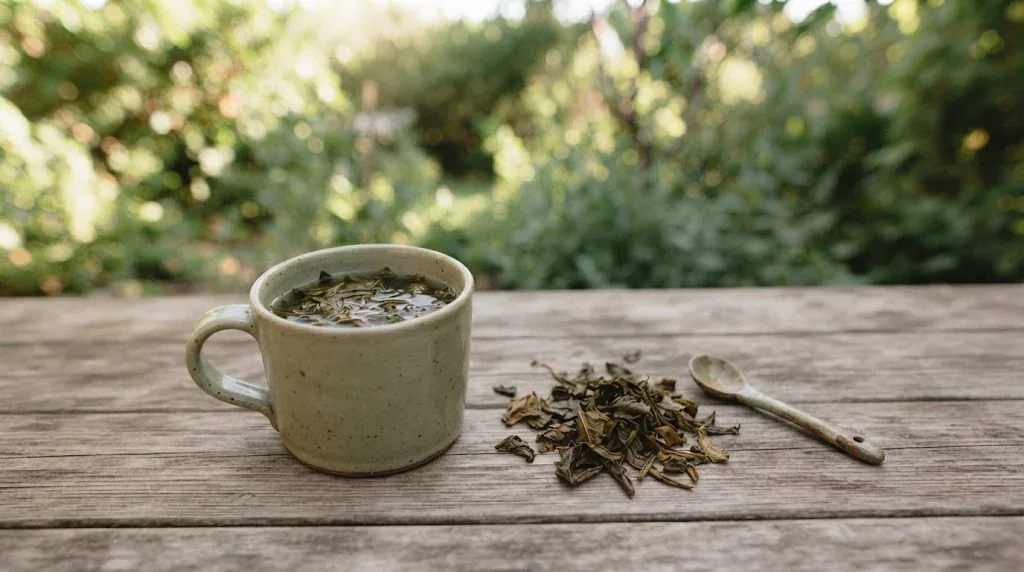
How to compost tea leaves
- Collect loose tea leaves in a small kitchen container.
- Dump the leaves directly into your compost bin.
- Mix the leaves into the pile to ensure they are covered by carbon-rich materials.
- Rinse your tea strainer or pot to keep your kitchen area clean.
How much tea leaves can you add to compost?
You can add tea leaves to your compost pile as often as you drink tea. Because they are a nitrogen-rich green, aim to balance them with a roughly equal or slightly larger volume of carbon-rich brown materials like straw, wood chips, or dry leaves. If you notice the pile becoming slimy or smelling like ammonia, you have added too many greens and should increase your ratio of browns to restore the balance.
Which types of tea leaves can you compost?
- Loose leaf tea: Yes. This is the ideal form for composting as it is purely organic plant matter.
- Paper tea bags: Yes. Check that the bag is made of unbleached paper and contains no staples or plastic.
- Plastic-mesh tea bags: No. These contain synthetic polymers that will persist in your soil for years.
Watch out for
- Ensure the tea is not mixed with synthetic flavorings or plastic-based additives.
- Avoid adding tea bags that contain plastic mesh or staples.
- Do not add tea leaves if they have been heavily contaminated with dairy or sugar.
Other ways to use tea leaves
- Spread directly onto garden beds as a light mulch.
- Mix into potting soil for houseplants to boost nutrients.
- Add to a worm bin as a treat for vermicomposting.
Troubleshooting tea leaves in compost
- Pile smells like ammonia This indicates too much nitrogen; add more dry brown materials like leaves or cardboard.
- Leaves are clumping together Break up the clumps with a pitchfork or shovel to improve airflow throughout the pile.
- Slow breakdown Ensure the pile has enough moisture and is being turned regularly to provide oxygen.
Myths about composting tea leaves
- Myth: Tea leaves make compost too acidic for plants. Truth: While tea is slightly acidic, the composting process neutralizes the pH, making it safe for almost all garden plants.
- Myth: You must dry tea leaves before composting. Truth: Wet tea leaves are perfectly fine and add necessary moisture to your compost pile.
Can tea leaves go in a green bin or recycling?
Most municipal green waste programs accept loose tea leaves and paper-based tea bags without issue. However, always check your local guidelines regarding tea bags, as some facilities prohibit them due to the risk of plastic contamination. If you are unsure about the material of your tea bags, it is best to remove the leaves and discard the bag in the trash to avoid contaminating the municipal compost stream.
Does composting tea leaves attract pests?
Loose tea leaves do not typically attract pests when managed correctly. Because they are small and usually mixed into the center of the pile, they do not provide a significant food source for rodents or raccoons. By burying them under a layer of brown materials like dried leaves or shredded cardboard, you effectively mask any scent and keep the pile unattractive to unwanted visitors.
- Always bury fresh tea leaves under at least two inches of brown material.
- Keep your compost bin lid closed to prevent access by larger animals.
- Avoid adding tea leaves that have been soaked in milk or honey.
Common questions
Are tea leaves biodegradable?
Yes, tea leaves are organic plant matter and will naturally biodegrade, but composting them in a bin is much faster and more beneficial for your soil.
Can I compost tea bags too?
Only if they are made of paper or plant-based fibers. Many commercial tea bags contain plastic, which will not break down and will contaminate your compost.
Will tea leaves change the pH of my soil?
Most tea leaves are slightly acidic, but in the small quantities added to a compost pile, they will not significantly alter the overall pH of your finished compost.
Do I need to dry the leaves first?
No, you can add them wet. The moisture is actually helpful for the composting process.
Rules vary by town and by composting method. When in doubt, check with your local composting or waste program.