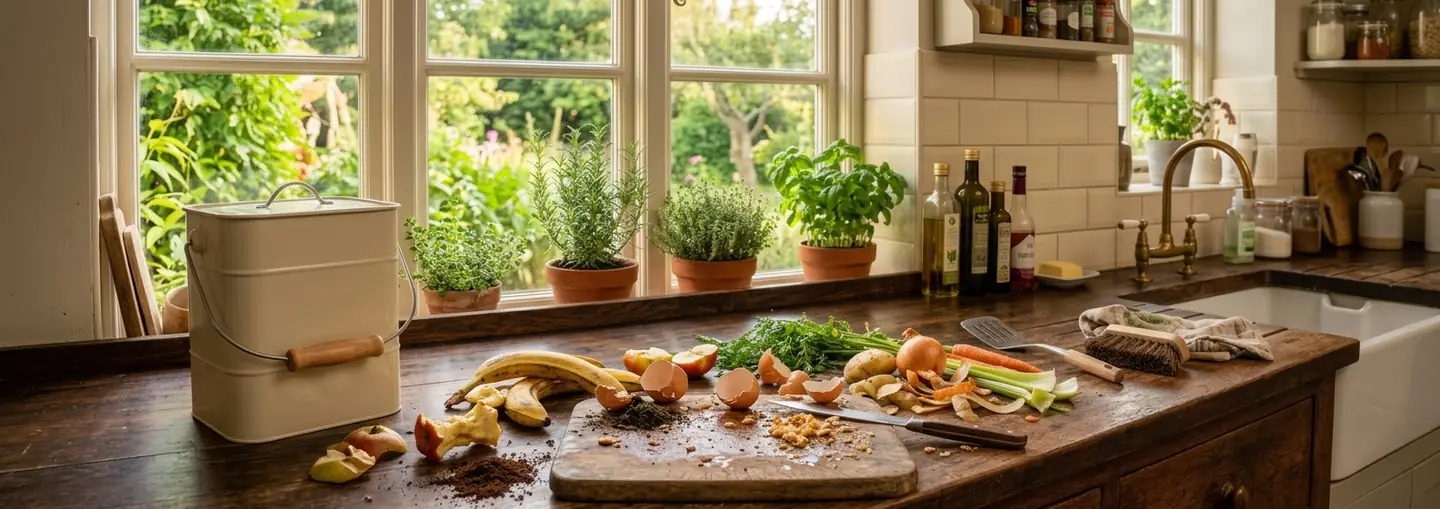
Food Scraps
Peels, cores, leftovers and everything from the kitchen bin. Most fruit, vegetable, grain and coffee scraps are nitrogen-rich “greens” that break down in weeks to a few months, faster if you chop them small. Meat, fish, dairy and oily foods are the usual exceptions: they smell and draw pests in a backyard pile, so they are best left to a hot system or a city collection bin.
-
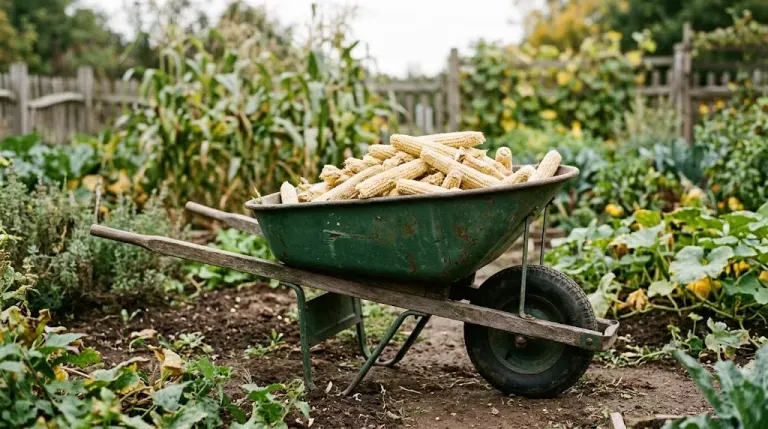
Can You Compost Corn Cobs?
Can you compost corn cobs? Yes. Chop them into small pieces so they break down in months, not…
-
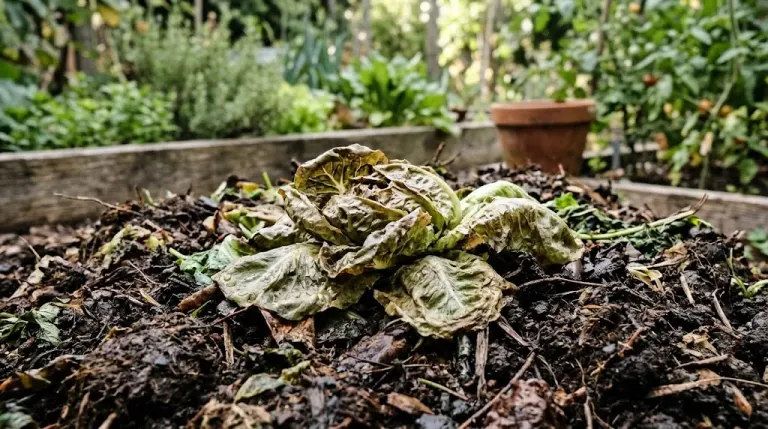
Can You Compost Lettuce?
Can you compost lettuce? Yes. Lettuce breaks down fast. Chop it, mix it with dry leaves, and bury…
-
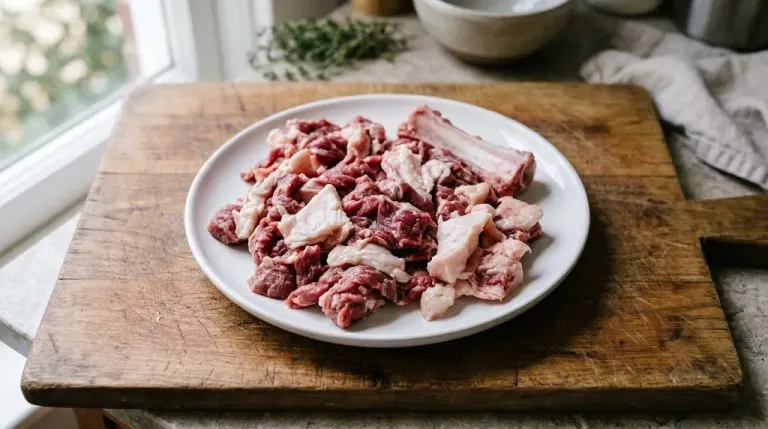
Can You Compost Meat Scraps?
Can you compost meat scraps? No. Meat and fat smell and attract rats and raccoons. Use the trash…
-
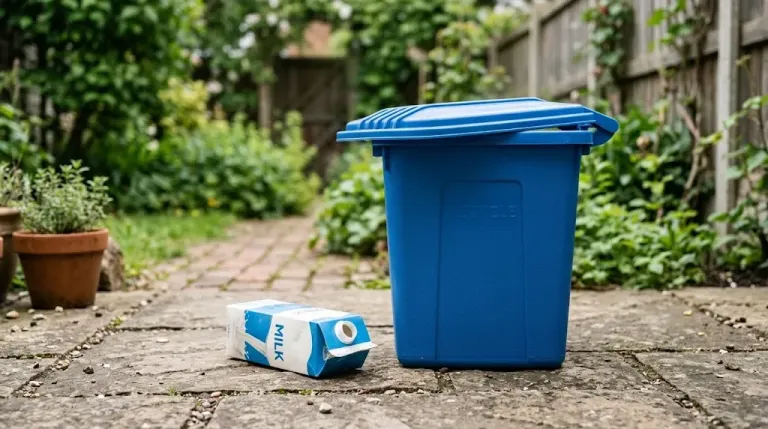
Can You Compost Milk?
Can you compost milk? No. Dairy smells and attracts rats and raccoons. Pour small amounts down the drain…
-
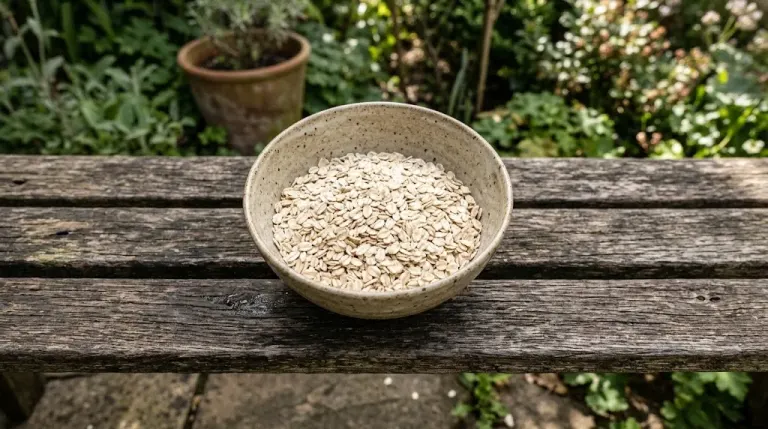
Can You Compost Oatmeal?
Can you compost oatmeal? Yes, plain oatmeal breaks down fast. Keep it in small amounts and skip sugary…
-
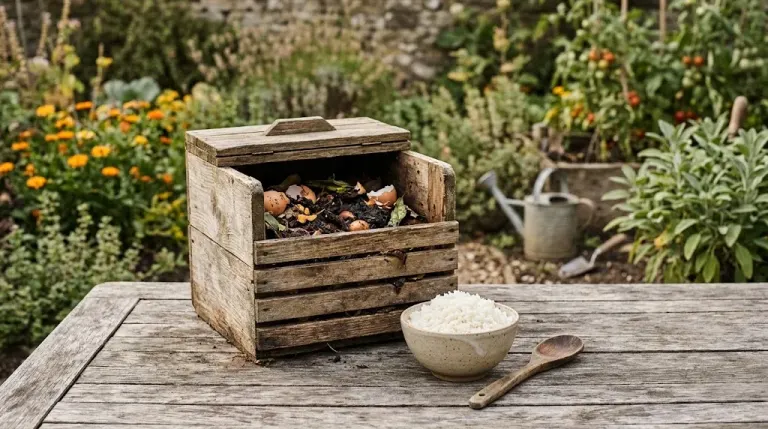
Can You Compost Rice?
Can you compost rice? Raw rice, yes. Cooked rice can attract rats and flies, so bury it or…
-
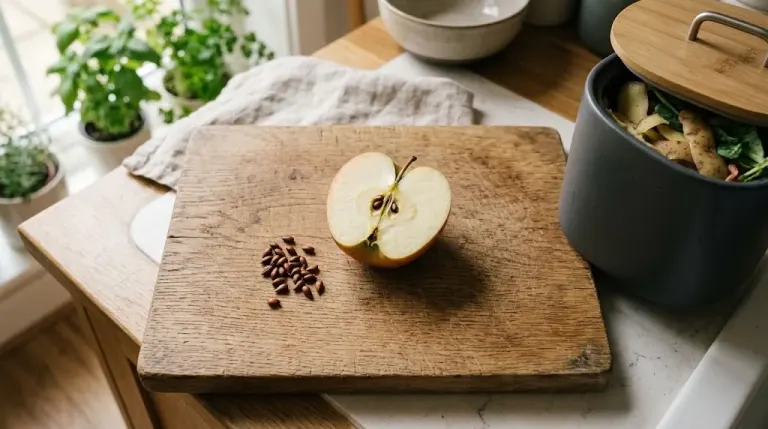
Can You Compost Apple Seeds?
Yes. Apple seeds break down naturally in your bin, though they might occasionally sprout if the pile stays…
-
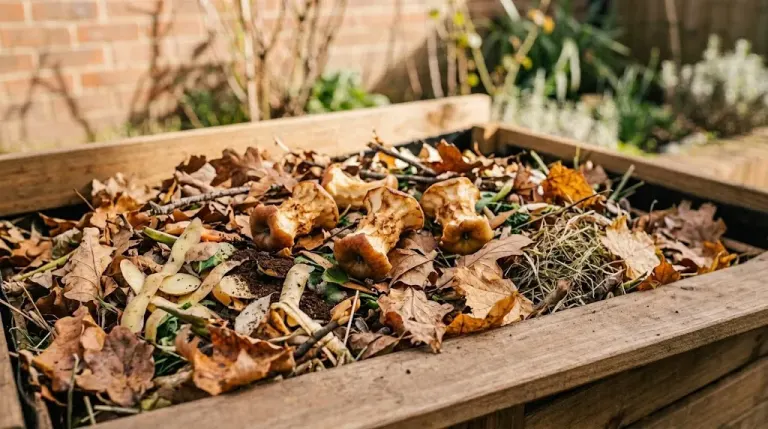
Can You Compost Apple Cores?
Yes. Apple cores break down in just a few weeks and add vital nitrogen to your soil. Learn…
-
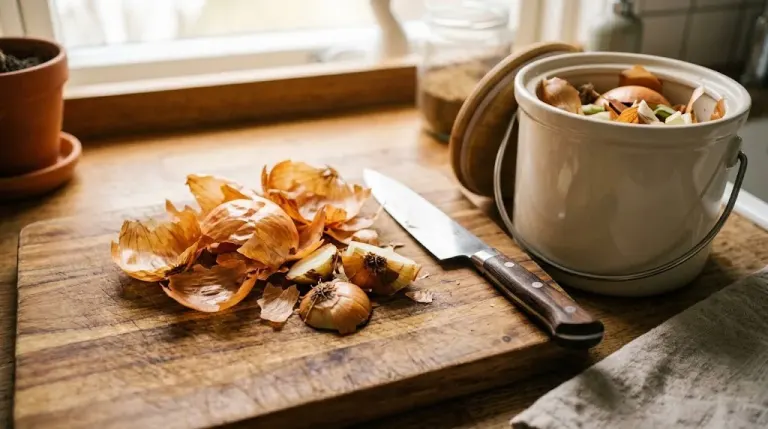
Can You Compost Onion Skins?
Yes. Onion skins are a lightweight green material that breaks down in just a few weeks. Learn how…