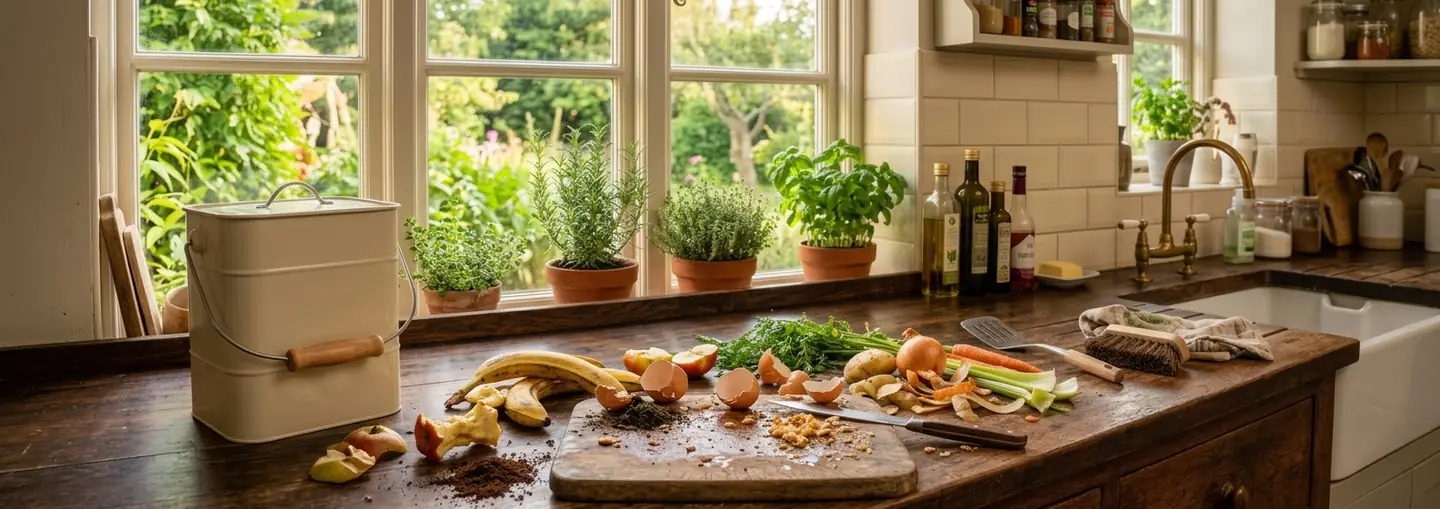
Food Scraps
Peels, cores, leftovers and everything from the kitchen bin. Most fruit, vegetable, grain and coffee scraps are nitrogen-rich “greens” that break down in weeks to a few months, faster if you chop them small. Meat, fish, dairy and oily foods are the usual exceptions: they smell and draw pests in a backyard pile, so they are best left to a hot system or a city collection bin.
-
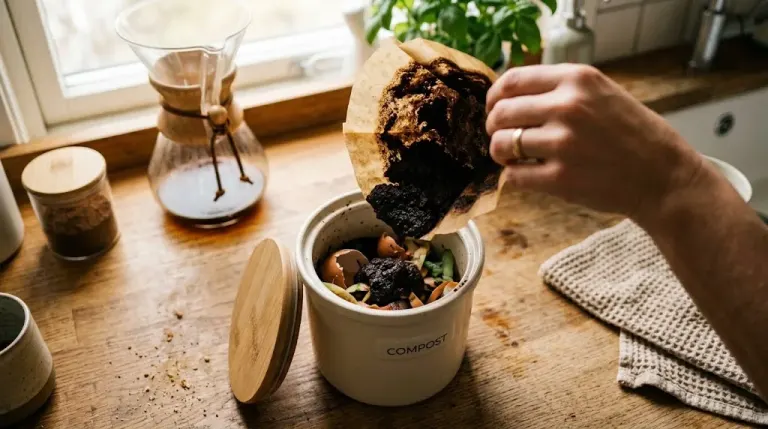
Can You Compost Coffee Grounds?
Yes. Coffee grounds are packed with nitrogen and break down in just one to three months. Learn how…
-
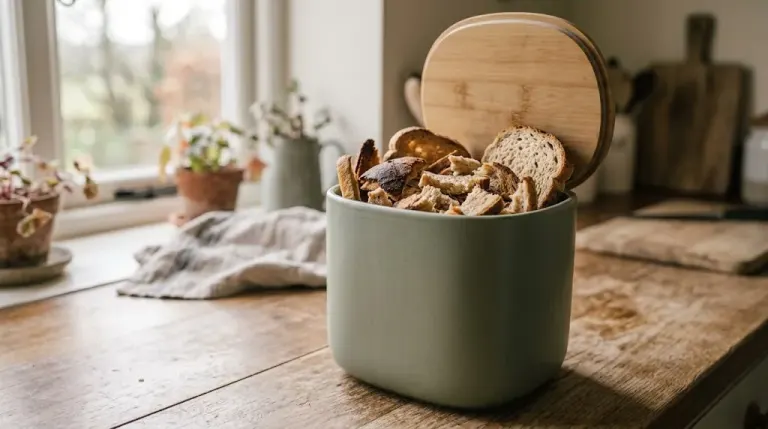
Can You Compost Bread?
Sometimes. Bread breaks down fast in a hot pile, but in a cold bin it’s a magnet for…
-
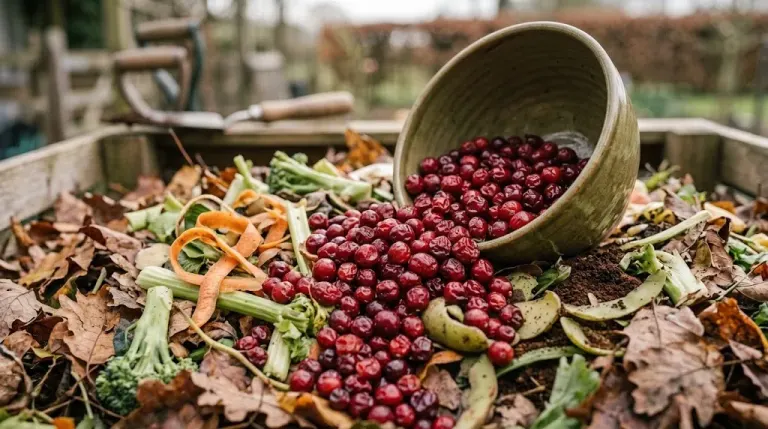
Can You Compost Cranberries?
Sometimes. Cranberries break down in weeks, but a big batch of leftover sauce can sour your pile. Here’s…
-

Can You Compost Watermelon Rinds?
Yes. Watermelon rinds break down in 2-6 weeks, but their water can turn a pile soggy. Here’s how…
-

Can You Compost Lemon Peels?
Sometimes. A few lemon peels are fine, but too many sour the pile and they can harm a…
-

Can You Compost Pasta?
Sometimes. Plain pasta breaks down in 2-4 weeks, but the sauce can turn your bin into a rat…
-

Can You Compost Vegetable Soup?
Sometimes. Leftover veggie soup can go in, but oil, cream or too much liquid will sour your pile.…
-
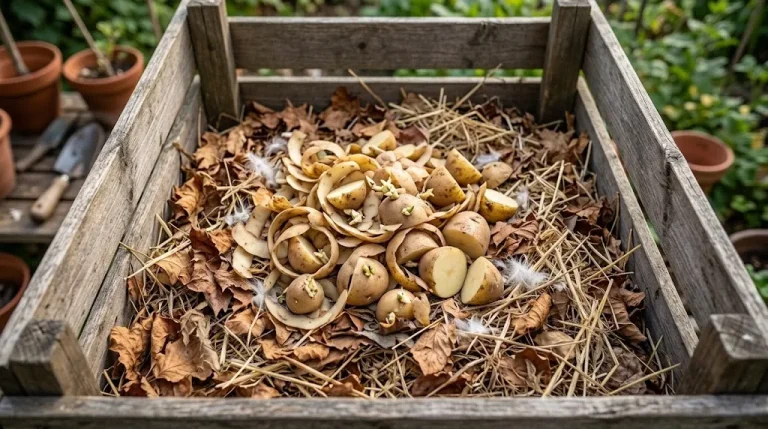
Can You Compost Potatoes?
Yes, but whole potatoes can sprout right in your bin. Here’s how to chop and bury them so…
-
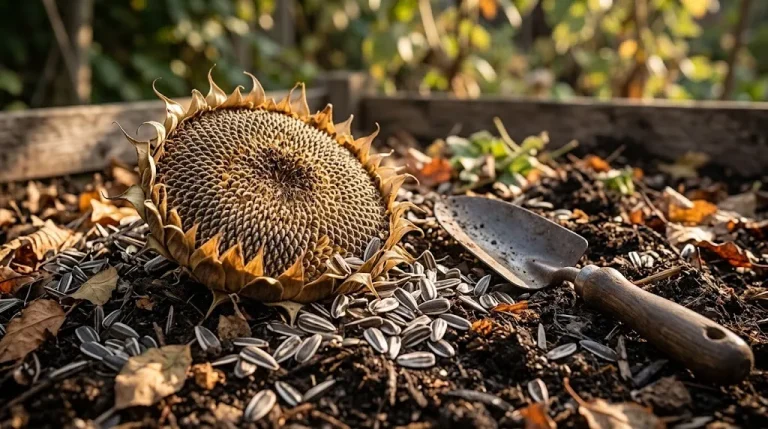
Can You Compost Sunflower Seeds?
Yes, but salted seeds hurt soil microbes and whole ones can sprout in your garden. Here’s how to…